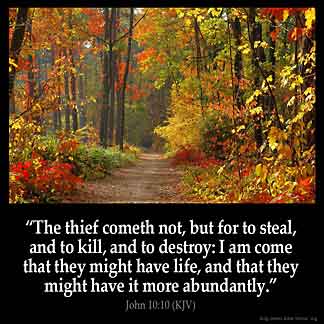
Procrastination Steals Dreams. Don’t Let It Steal Your Health Too.
Dear Champion,
How many times have you told yourself, “I’ll start next week… I’ll join the next week… I’ll do it when things calm down…”?
The truth is, procrastination has a way of sounding reasonable. It whispers, “You’re not ready yet… just wait a little longer.”
But here’s the painful reality: procrastination is a thief.
It has stolen people’s dreams, opportunities, relationships, and yes… their health too.
Every time you delay taking action, you give procrastination the chance to dig its claws deeper.
And when it comes to your health, the price is even higher:
Extra kilos pile on.
Your energy drops.
Clothes stop fitting.
Health risks increase.
Confidence takes a hit.
All because you kept waiting for the “perfect time.”
But let me tell you something: there will never be a perfect time. The only perfect time is now.
That’s why I want you to say YES today to healthy living!
Because when you say yes:
✅ You’ll stop the cycle of delay and finally begin.
✅ You’ll gain structure, accountability, and support to make progress.
✅ You’ll surprise yourself with what’s possible in just 5 weeks.
I can’t promise that the journey will be easy. But I can promise that you will feel proud, stronger, healthier, and more in control of your body than if you stayed stuck in “someday.”
Your health is too precious to gamble with procrastination.
Don’t let it steal from you again.
This is your time. Say YES today.
Thank You Jesus,
Salvation Prayers
If you don’t Know Jesus as your personal Lord and Saviour and would like to accept him into your life as your personal Lord and Saviour, Please say this prayer:
Father, I know that I have broken your laws and my sins have separated me from You. I am truly sorry, and now I want to turn away from my past sinful life toward You. Please forgive me, and help me avoid sinning again. I believe that Your son, Jesus Christ died for my sins, was resurrected from the dead, is alive, and hears my prayer. I invite Jesus to become the Lord of my life, to rule and reign in my heart from this day forward. Please send Your Holy Spirit to help me obey You, and to do Your Will for the rest of my life. In Jesus’ name I pray, Amen.
Support Our Ministry,
Good Morning Dear,
It cost a lot of money to maintain a website, Nonetheless a non-profit Christian website,
Please if you have been blessed by this ministry and you are led to support and bless this ministry in return,
Please make your donation to this account,
Chukwuemeka Obiorah Ogwo,
Account Number: 0139438409,
Guaranty Trust Bank Plc Nigeria,
To help us continue in the spreading of The GOSPEL OF OUR LORD JESUS CHRIST to every corner of this world,
Thank You Very Much For Your Support,
May GOD, we Serve Bless You A Million Times in return, Amen,
May God Bless Israel, Nigeria, And America And Take Care Of Us; May God Make His Face Shine Upon Us, And Be Gracious To Us; May The Lord Lift Up His Countenance Upon Us, And Give Us Peace, In Jesus Christ Name, We Pray! Amen!
May The Grace The Lord Jesus Christ, And The Love Of God, And The Fellowship Of The Holy Spirit Be With You All. Amen!
Discover more from Prayer Point
Subscribe to get the latest posts sent to your email.

 Prayer Point
Oral Torah as revealed to Moshe at Horev following the sin of the Golden Calf, openly rejects ancient Greek theories of syllogism deductive reasoning. The kabbalah of Rabbi Akiva’s פרדס logic format, especially as explained by Rabbi Yishmael’s 13 middot of logical interpretation strategies – together they define the revelation of the Oral Torah at Horev as an inductive reasoning logic format.
The T’NaCH functions as a common law system, where the texts establish precedents through case and rule comparisons. This suggests a structured legal framework that informs Jewish law and practice. The Gemarah’s commentary on the Mishna is highlighted as a method of interpreting Jewish law through inductive reasoning, which provides a dynamic – as oppose and contrasted by Greek deductive static reasoning – multi-dimensional understanding of legal principles.
The common law of the T’NaCH prioritizes Prophetic mussar whereas the Gemara focuses upon ritual halacha as precedents. The authors of the New Testament misunderstood the nature of the T’NaCH, particularly in their claim that Jesus “fulfilled” the prophecies. This is framed as a misinterpretation of the role of Torah prophets, who were enforcers of law rather than predictors of the future.
The distinction between the roles of prophets and legal authorities in the T’NaCH is a central theme, suggesting that the prophetic function is often misrepresented by later NT framers. The consequences of this basic fundamental error: the Xtian framers intended to establish a religious belief system whereas the Framers of the T’NaCH envisioned establishment of Sanhedrin courts common law. The complexity of this latter objective, difficult for Goyim to grasp, primarily because they lack the Talmud as a point of reference – how to understand the language of the T’NaCH as the Primary Sources of Jewish law. Lacking the Aggadic narrative provided by the Talmud, Goyim simply fail to understand that the purpose of the Aggadic stories – they explore the language of Prophetic mussar to provide the “k’vanna” which defines the purpose and meaning of all Talmudic Aggadic stories.
The Talmud compares to a loom with its warp & weft threads. Weaving interpreted prophetic mussar as the k’vanna of halachic ritualism – this defines not only how to make an aliyah\elevation of rabbinic ritual mitzvot observances unto Torah commandments, but this same wisdom equally applies to elevate lower positive and negative Torah commandments to Av tohor time-oriented Torah commandments! Goyim have never grasped the depth & scope of Torah commandments within the Torah. They never conceived nor grasped that Moshe as the Framer of the Torah organized these 5 Books to function as the Constitution of the Republic of 12 Tribes. Torah as a Constitutional Basic Law of the Chosen Cohen Peoples’ Republic — a far different vision from the Pauline ‘Original Sin’ addiction of Man for some imaginary mythical Harry Potter God/messiah to save Humanity from their sins.
Prophetic Mussar vs. Ritual Halacha: T’NaCH interprets prophetic mussar; Gemarah interprets ritual law as the culture and customs observed by the nation of the chosen Cohen People. Avoda zarah interpreted as such to mean: 1. The Cohen people have a negative commandment NOT to follow, much more so embrace, the cultures and customs practiced by Goyim civilizations which do not accept the opening First TWO Sinai commandments.
This profound understanding of the revelation of the Torah at Sinai starkly contrasts with the Rambam’s pathetic perversion of Aggadah up-rooted totally out of context from mesechta Sanhedrin concerning the 7 mitzvot applicable to Gere Toshavim who temporarily dwell within the lands of Judea; as opposed to the despised Goyim refugee populations, who likewise temporarily reside within the borders of Judea. Mesechta Baba Kama instructs that the latter dhimmi refugee populations enjoyed no legal protections. If a Jew damaged their persons or property – these “illegal aliens” possessed no legal “Torah Constitutional” right to sue the damager Israel in any Jewish Court of Law within the borders of Judea. As a point of reference: Jews, as despised refugees in Europe and Muslim countries for 2000+ years – political exiles, dhimmi refugee populations – no Goy Court in Xtian or Muslim lands ever once held criminal war-crimes committed by the Church or Mosque priests or sheiks accountable. G’lut/exiled Jews had no legal rights to sue – NOT either Church or Mosque in any Goyim courts of law for 2000+ years of g’lut/exile.
Viewed from this basic historical context, the Talmud of mesechta Baba Kama makes complete and total sense. Hence mesechta Sanhedrin addresses the legal rights of Gere Toshav strangers to sue Jewish damagers in Jewish courts of law; whereas mesechta Baba Kama excludes dhimmi foreign alien “wet-backs” from the ”privilege” of legal judicial rights to requests from a Jewish Court to enforce fair compensation of damages they suffered from an Israel. During the Dark and Middle Ages, a similar custom practiced upon dhimmi exiled Jews; writs of privileges issued to Jews by princes and church officials. These writs of privileges directly compare to mesechta Sanhedrin’s 7 mitzvot “bnai Noach”.
The fundamental error of basic Talmudic common law scholarship made by Rambam’s decision to “convert” the Talmud into Roman statute law; this absolute error stands upon the copied-assimilated Av tumah avoda zara wherein this rabbi embraced the error followed by the Samaritans, Tzeddukim, Karaim, Reform & Conservative Judaism today. This Av tumah avoda zara generated a domino effect upon all down-stream generations of Jewry. The Talmud refers to this type of disaster as ירידות הדורות-descending generations.
Later down stream rabbinic Judaism made a error and interpreted this Talmudic concept as the inability of later generations to challenge the opinions made by earlier generations; something comparable and akin to the Catholic idea of the infallibility of the Pope — utter and total narishkeit stupidity. Pope Pius XII stands as proof witness of this absolutely worthless טיפש פשט-bird brained idea. Rashi’s commentary to the Chumash challenged the opinion made by Targum Onkelos as erroneous. How could Rashi argue against a contemporary of Rabbi Yechuda – the author of the Mishna? Answer: In matters of logic, no generation has a lock monopoly by which it can dictate its logic over later generations.
Genesis 1:1, Rashi discusses the creation narrative and contrasts his interpretation with that of Targum Onkelos. This Rashi opinion nails the Arab rejection of political Zionism’s quest to achieve Jewish self-determination within a restored Jewish State in the lands of Judea. Rashi believed that later generations could offer valid interpretations that might differ from earlier authorities, including Targum Onkelos. He emphasized that logic and understanding of the text naturally develop and evolve.
Rashi’s commentary on בראשית א:ב — והארץ היתה תהו ובהו. Targum Onkelos translates as: איר אתכללו – “it was desolate”. Rashi argues that Targum Onkelos’ interpretation does not capture the full meaning of the Hebrew terms. He explains that “תֹהוּ” refers to a state of emptiness or chaos, while “בֹהוּ” refers to a state of void or nothingness. Rashi emphasizes that the two terms convey distinct concepts that are not adequately represented in Onkelos’ translation.
Exodus 12:6: Rashi comments on the phrase regarding the timing of the Passover sacrifice. Targum Onkelos translates it in a way that Rashi finds problematic. Rashi argues that the translation does not align with the intent of the Hebrew text, suggesting that Onkelos’ interpretation – not accurate in this context. This example illustrates Rashi’s approach to engaging with earlier interpretations, including those of Targum Onkelos, and his belief that later scholars can offer valid critiques based on their logical insights. Based upon the premise that no one generation owns a lock and key monopoly of logic.
“עד יום עשותו – עד יום שיבואו ישראל לידי עשייתו, ולא עד יום שיבואו לידי אכילתו, כמו שתרגם אונקלוס: ‘עד יום שיבואו ישראל לידי אכילתו’.”
In his commentary, Rashi points out that Targum Onkelos interprets the verse as referring to the day of eating the Passover sacrifice, while Rashi understood this verse as the day of its preparation or offering. This illustrates Rashi’s critical engagement with Onkelos’ translation.
In בראשית א:ב, the phrase “והארץ היתה תהו ובהו” is translated as “איר אתכללו,” meaning “it was desolate.” This translation captures the essence of the Hebrew term “תהו ובהו,” which conveys a sense of emptiness and chaos.
In contrast, in דברים לג:ב, the phrase “מן אִתְּכַּלְּלוּ” translates to “from the mountain of Seir.” Here, “אִתְּכַּלְּלוּ” is derived from a different root and refers to a geographical location rather than a state of being. The context of this verse is about God’s revelation from Sinai, and the term is used to indicate a specific place, rather than a descriptive state. Rashi states that Onkelos’ translation is incorrect because it implies that the verse is referring to a physical location rather than the spiritual significance of HaShem’s revelation. Rashi emphasizes that the term “מִסֵּעִיר” should be understood in a different context, focusing on the divine aspect rather than a geographical one.
בראשית א:ב — והארץ היתה תהו ובה Targum Onkelos translates as: איר אתכללו – “it was desolate”. Whereas דברים לג:ב: ויאמר ה’ מסיני בא ושרח מסעיר למו — Targum Onkelos translates this as “מִן אִתְּכַּלְּלוּ” (from the mountain of Seir)? In בראשית א:ב, the phrase “והארץ היתה תהו ובהו” is translated as “איר אתכללו,” meaning “it was desolate.” This translation captures the essence of the Hebrew term “תהו ובהו,” which conveys a sense of emptiness and chaos.
In contrast, in דברים לג:ב, the phrase “מן אִתְּכַּלְּלוּ” translates to “from the mountain of Seir.” Here, “אִתְּכַּלְּלוּ” is derived from a different root and refers to a geographical location rather than a state of being. The context of this verse is about God’s revelation from Sinai, and the term is used to indicate a specific place rather than a descriptive state. Thus, the variations in translation reflect the different contexts and meanings of the words used in each verse. The שרש\root – כ-ל-ל conveys meanings related to completeness or inclusion. In this context, it refers to a geographical location, specifically indicating a place from which something originates or emerges.
This contrasts with the root of “תֹהוּ” and “בֹהוּ” in Genesis 1:2, which conveys a sense of chaos and emptiness, highlighting the different contexts and meanings in Rashi’s commentary and the translations provided by Targum Onkelos. This example of Rashi’s dispute with a Tanna illistrates the classic error assimilated to ancient Greek cultures and customs the Rambam erred when he interpreted the word ONE in kre’a shma means “monotheism”. Monotheism violates the 2nd Sinai commandment. Furthermore, mesechta Avoda Zarah opens with the understanding that prior to the generation of Noach that the Goyim had utterly rejected the oath brit alliance.
The Torah of בראשית opens with the Name אלהים (the substitute word translation of the Divine Presence Spirit word of both the שם השם עצמו as well as the Orev 13 Oral Torah middot wherein Jews to this day during the month of Elul. For example: tefillah a matter of the heart … and to make a blessing requires שם ומלכות. The Mitzva of blowing the Shofar on ר”ה make a מאי נפקא מינא הבדלה which separates and distinguishes between air blown from the lungs from tohor spirits blown from the Yatzir Ha’Tov from within the heart. דכתיב: גכל לבבך.
On Elul Jews likewise separate t’shuva from repentance. Similar words on superficial appearance, like brit and covenant. T’shuva “remembers” the Sin of the Golden Calf, like Amalek which plagues Jews in all generations with its hateful antisemitism. We remember that HaShem – measure for measure – threatened to make a substitute theology idolatry and replace the oath sworn Cohen seed of the Avot with the seed of Moshe Rabbeinu “eye for an eye” for the Israel ערב רב replacement theology with substituted אלהים “word” for the שם השם לשמה Divine Presence Spirit which quickens the Yatzir HaTov within the heart, through the dedication of tohor Oral Torah middot.
Hence a blessing requires מלכות – the dedication of korbanot middot לשמה. Herein explains why the Book of בראשית opens with the word name אלהים rather than the Spirit Name שם השם לשמה as commanded in the first commandment of the Sinai revelation; the בראשית story opens prior to the oath brit which creates continually the chosen Cohen seed of the Avot through tohor Av time-oriented commandments which require the מלכות dedication of Oral Torah spirit middot through the Yatzir Ha’Tov.
Goyim, both Xtians and Allah repentance by contrast only refers to personal regret. This interpretation goes well with the Xtian guilt trip theology of “He died for you”. In like manner, ברית refers to an oath alliance which function as the יסוד of the Republic of the 12 Tribes; wheras covenant implies some vague connection, which if “shattered” some foreign alien other God could substitute Goyim as the “New Israel” or Universal monotheistic God. The Rambam avoda zarah assimilated and embraced the Muslim idea of a universal monotheistic God. He rejected mesechta Avoda Zarah which understands the God of Sinai as a local Tribal God based upon the conclusion that the Goyim never accepted the revelation, meaning first two opening commandments of Sinai as John 1:1 proves, of the the Torah at Sinai.
LikeLike