2-Timothy_2-19: Nevertheless the foundation of God standeth sure, having this seal, The Lord knoweth them that are his. And, Let every one that nameth the name of Christ depart from iniquity
Advertisements
1:
Christ is made the sure Foundation,
Christ the Head and Corner stone,
Chosen of the Lord, and precious,
Binding all the Church in one,
Holy Zion’s help for ever,
And her confidence alone.
2:
To this Temple, where we call Thee,
Come, O Lord of Hosts, today;
With Thy wonted loving kindness,
Hear Thy people as they pray;
And Thy fullest benediction
Shed within its walls always.
Advertisements
3:
Here vouchsafe to all Thy servants
What they ask of Thee to gain,
What they gain from Thee for ever,
With the Blessed to retain,
And hereafter in Thy glory
Evermore with Thee to reign.
4:
Praise and honour to the Father,
Praise and honour to the Son,
Praise and honour to the Spirit,
Ever Three and ever One
One in Might, and One in Glory,
While eternal ages run.
Advertisements
Thank You Jesus,
Salvation Prayers
If you don’t Know Jesus as your personal Lord and Saviour and would like to accept him into your life as your personal Lord and Saviour, Please say this prayer:
Father, I know that I have broken your laws and my sins have separated me from You. I am truly sorry, and now I want to turn away from my past sinful life toward You. Please forgive me, and help me avoid sinning again. I believe that Your son, Jesus Christ died for my sins, was resurrected from the dead, is alive, and hears my prayer. I invite Jesus to become the Lord of my life, to rule and reign in my heart from this day forward. Please send Your Holy Spirit to help me obey You, and to do Your Will for the rest of my life. In Jesus’ name I pray, Amen.
Support Our Ministry,
Good Morning Dear,
It cost a lot of money to maintain a website, Nonetheless a non-profit Christian website,
Please if you have been blessed by this ministry and you are led to support and bless this ministry in return,
Please make your donation to this account,
Chukwuemeka Obiorah Ogwo,
Account Number,0139438409,
Guaranty Trust Bank Plc Nigeria,
To help us continue in the spreading of The GOSPEL OF OUR LORD JESUS CHRIST to every corner of this world,
Thank You Very Much For Your Support,
May GOD, we Serve Bless You A Million Times in return, Amen,
May God Bless Israel, May God Bless Nigeria, May God Bless America And Take Care Of Us; May God Make His Face Shine Upon Us, And Be Gracious To Us; May The Lord Lift Up His Countenance Upon Us, And Give Us Peace, In Jesus Christ Name, We Pray! Amen!
May The Grace The Lord Jesus Christ, And The Love Of God, And The Fellowship Of The Holy Spirit Be With You All. Amen!
IT IS JULY, Officially Mid-Year, no pressures but you may have to take your life a little serious so that this year doesn’t end up like last year.
2.
IT IS JULY, Always remember, No relationship, vision, or undertaking can succeed without prayer. The act of praying itself opens the heart to possibility.
3.
IT IS JULY, Don’t seek Pleasure, seek Purpose!
4.
IT IS JULY, If they take you back to places and things you have outgrown….WRONG ASSOCIATION.
5.
IT IS JULY, Don’t applaud yourself for your achievement so far, look for more opportunities to do more.
6.
IT IS JULY, Never mistake your consistent advancement in life as an endorsement for your bad habit. BE CAREFUL.
7.
IT IS JULY, Don’t forget, Your relationship circle is yours to decide. It’s your right to decide who stays or leaves. Find the ‘Why’ for every ‘Who’.
8.
IT IS JULY, When you keep refusing to grow in what you are doing, be sure you are packaging yourself into big time IRRELEVANCE.
9.
IT IS JULY, Start simple. Grow creatively. Innovate courageously. Experiment cautiously. Increase your Impact exponentially.
Advertisements
10.
IT IS JULY, HOPE for it; but most importantly WORK for it.
11.
IT IS JULY, Don’t hype your readiness when your weaknesses are still on the frontline. Pause and work on yourself.
12.
IT IS JULY, GREATNESS demands that you learn how to sweat in PRIVATE so you don’t bleed in PUBLIC.
13.
IT IS JULY, Learn what You need to learn Soon.
Un-learn what you need to un-learn soon.
Re-learn what You need to relearn Soon. No time to waste!
14.
IT IS JULY, Always learn to look DRAMA into the eye and say- Not Today, Not ever; I won’t let you capture my Peace. Never ever.
15.
IT IS JULY, HOPE is the red carpet on which a Great Future marches on. Don’t lose Hope, there is laughter ahead.
If you don’t Know Jesus as your personal Lord and Saviour and would like to accept him into your life as your personal Lord and Saviour, Please say this prayer:
Father, I know that I have broken your laws and my sins have separated me from You. I am truly sorry, and now I want to turn away from my past sinful life toward You. Please forgive me, and help me avoid sinning again. I believe that Your son, Jesus Christ died for my sins, was resurrected from the dead, is alive, and hears my prayer. I invite Jesus to become the Lord of my life, to rule and reign in my heart from this day forward. Please send Your Holy Spirit to help me obey You, and to do Your Will for the rest of my life. In Jesus’ name I pray, Amen.
Advertisements
Support Our Ministry,
Good Morning Dear,
It cost a lot of money to maintain a website, Nonetheless a non-profit Christian website,
Please if you have been blessed by this ministry and you are led to support and bless this ministry in return,
Please make your donation to this account,
Chukwuemeka Obiorah Ogwo,
Account Number,0139438409,
Guaranty Trust Bank Plc Nigeria,
To help us continue in the spreading of The GOSPEL OF OUR LORD JESUS CHRIST to every corner of this world,
Thank You Very Much For Your Support,
May GOD, we Serve Bless You A Million Times in return, Amen,
May God Bless Israel, May God Bless Nigeria, May God Bless America And Take Care Of Us; May God Make His Face Shine Upon Us, And Be Gracious To Us; May The Lord Lift Up His Countenance Upon Us, And Give Us Peace, In Jesus Christ Name, We Pray! Amen!
May The Grace The Lord Jesus Christ, And The Love Of God, And The Fellowship Of The Holy Spirit Be With You All. Amen!
Share this if you believe no one stays small forever.
Thank You Jesus,
Salvation Prayers
If you don’t Know Jesus as your personal Lord and Saviour and would like to accept him into your life as your personal Lord and Saviour, Please say this prayer:
Father, I know that I have broken your laws and my sins have separated me from You. I am truly sorry, and now I want to turn away from my past sinful life toward You. Please forgive me, and help me avoid sinning again. I believe that Your son, Jesus Christ died for my sins, was resurrected from the dead, is alive, and hears my prayer. I invite Jesus to become the Lord of my life, to rule and reign in my heart from this day forward. Please send Your Holy Spirit to help me obey You, and to do Your Will for the rest of my life. In Jesus’ name I pray, Amen.
Advertisements
Support Our Ministry,
Good Morning Dear,
It cost a lot of money to maintain a website, Nonetheless a non-profit Christian website,
Please if you have been blessed by this ministry and you are led to support and bless this ministry in return,
Please make your donation to this account,
Chukwuemeka Obiorah Ogwo,
Account Number,0139438409,
Guaranty Trust Bank Plc Nigeria,
To help us continue in the spreading of The GOSPEL OF OUR LORD JESUS CHRIST to every corner of this world,
Thank You Very Much For Your Support,
May GOD, we Serve Bless You A Million Times in return, Amen,
May God Bless Israel, May God Bless Nigeria, May God Bless America And Take Care Of Us; May God Make His Face Shine Upon Us, And Be Gracious To Us; May The Lord Lift Up His Countenance Upon Us, And Give Us Peace, In Jesus Christ Name, We Pray! Amen!
May The Grace The Lord Jesus Christ, And The Love Of God, And The Fellowship Of The Holy Spirit Be With You All. Amen!
James_1-19: Wherefore, my beloved brethren, let every man be swift to hear, slow to speak, slow to wrath
1:
Lord, speak to me, that I may speak
In living echoes of Thy tone;
As Thou hast sought, so let me seek
Thy erring children lost and lone
2:
Oh, lead me, Lord, that I may lead
The wandering and the wavering feet;
Oh, feed me, Lord, that I may feed
Thy hungering ones with manna Sweet
3:
Oh, strengthen me, that while I Stand
Firm on the Rock, and strong in Thee,
I may stretch out a loving hand
To wrestle with the troubled sea.
4:
Oh, teach me, Lord, that I may teach
The precious things Thou dost impart,
And wing my words that they may reach
The hidden depths of many a heart
5:
Oh, give Thine own sweet rest to me,
That I may speak with soothing power
A word in season, as from Thee,
To weary ones in needful hour.
6:
Oh, fill me with Thy fullness, Lord,
Until my very heart o’erflow
In kindling thought, and glowing word,
Hy love to tell, Thy praise to show.
7:
Oh, use me Lord, use even me,
Just as Thou wilt, and how, and where;
Until Thy blessed face I see,
Thy rest, Thy joy, Thy glory share.
Thank You Jesus,
Salvation Prayers
If you don’t Know Jesus as your personal Lord and Saviour and would like to accept him into your life as your personal Lord and Saviour, Please say this prayer:
Father, I know that I have broken your laws and my sins have separated me from You. I am truly sorry, and now I want to turn away from my past sinful life toward You. Please forgive me, and help me avoid sinning again. I believe that Your son, Jesus Christ died for my sins, was resurrected from the dead, is alive, and hears my prayer. I invite Jesus to become the Lord of my life, to rule and reign in my heart from this day forward. Please send Your Holy Spirit to help me obey You, and to do Your Will for the rest of my life. In Jesus’ name I pray, Amen.
Support Our Ministry,
Good Morning Dear,
It cost a lot of money to maintain a website, Nonetheless a non-profit Christian website,
Please if you have been blessed by this ministry and you are led to support and bless this ministry in return,
Please make your donation to this account,
Chukwuemeka Obiorah Ogwo,
Account Number,0139438409,
Guaranty Trust Bank Plc Nigeria,
To help us continue in the spreading of The GOSPEL OF OUR LORD JESUS CHRIST to every corner of this world,
Thank You Very Much For Your Support,
May GOD, we Serve Bless You A Million Times in return, Amen,
May God Bless Israel, May God Bless Nigeria, May God Bless America And Take Care Of Us; May God Make His Face Shine Upon Us, And Be Gracious To Us; May The Lord Lift Up His Countenance Upon Us, And Give Us Peace, In Jesus Christ Name, We Pray! Amen!
May The Grace The Lord Jesus Christ, And The Love Of God, And The Fellowship Of The Holy Spirit Be With You All. Amen!
Isaiah_54-17: No weapon that is formed against thee shall prosper; and every tongue that shall rise against thee in judgment thou shalt condemn. This is the heritage of the servants of the LORD, and their righteousness is of me, saith the LORD
1:
Ye servants of the Lord
Each in his office wait,
Observant of His heav’nly word
And watchful at His gate.
2:
Let all your lamps be bright,
And trim the golden flame;
Gird up your loins, as in His sight
For awful is His name
3:
Watch: ’tis your Lord’s command;
And while we speak, He’s near;
Mark the first signal of His hand,
And ready all appear.
4:
O happy servant be,
In such employment found!
He shall His Lord with rapture see,
And be with honour crowned.
5:
Christ shall the banquet spread
With His own royal hand,
And raise that faithful servant’s head
Amid the angelic band.
Thank You Jesus,
Salvation Prayers
If you don’t Know Jesus as your personal Lord and Saviour and would like to accept him into your life as your personal Lord and Saviour, Please say this prayer:
Father, I know that I have broken your laws and my sins have separated me from You. I am truly sorry, and now I want to turn away from my past sinful life toward You. Please forgive me, and help me avoid sinning again. I believe that Your son, Jesus Christ died for my sins, was resurrected from the dead, is alive, and hears my prayer. I invite Jesus to become the Lord of my life, to rule and reign in my heart from this day forward. Please send Your Holy Spirit to help me obey You, and to do Your Will for the rest of my life. In Jesus’ name I pray, Amen.
Support Our Ministry,
Good Morning Dear,
It cost a lot of money to maintain a website, Nonetheless a non-profit Christian website,
Please if you have been blessed by this ministry and you are led to support and bless this ministry in return,
Please make your donation to this account,
Chukwuemeka Obiorah Ogwo,
Account Number,0139438409,
Guaranty Trust Bank Plc Nigeria,
To help us continue in the spreading of The GOSPEL OF OUR LORD JESUS CHRIST to every corner of this world,
Thank You Very Much For Your Support,
May GOD, we Serve Bless You A Million Times in return, Amen,
May God Bless Israel, May God Bless Nigeria, May God Bless America And Take Care Of Us; May God Make His Face Shine Upon Us, And Be Gracious To Us; May The Lord Lift Up His Countenance Upon Us, And Give Us Peace, In Jesus Christ Name, We Pray! Amen!
May The Grace The Lord Jesus Christ, And The Love Of God, And The Fellowship Of The Holy Spirit Be With You All. Amen!
Romans_12-2: And be not conformed to this world: but be ye transformed by the renewing of your mind, that ye may prove what is that good, and acceptable, and perfect, will of God
Let somebody celebrate the Almighty! Listen people of God, celebrating God is not a religious exercise, your primary job in the world is to praise and worship God. I’ve been to hospitals a bit and when you get to hospitals you will be perplexed even as a Pastor; a man once asked me, a very wealthy man, he said Pastor, please help me tell God to take everything I have and restore my health; prayer point, may abnormal prayer points not emanate from you; so when we say you should – do you know what it takes God to keep you running?
We never knew what God does in our life until the COVID era, then we now saw canisters of oxygen, if God were to ask you to pay for oxygen, do you know how much you would have paid by now? That’s why you must celebrate the Almighty God. It takes God a lot to keep you running, let everyone who has breath praise the Lord! Celebrate the Almighty God, extol His name.
Before you take your seat, two or three prayer points; Ecclesiastes 8: 7 (NLT), “Indeed, how can people avoid what they don’t know is going to happen? How do you determine whether this car or that vehicle will be involved in an accident in the next 3 hours? There’s no way of telling, this is where man is vulnerable, this is where we are weak, not knowing when misfortune will strike. Jeremiah 10:23 (MSG), how can people avoid what they don’t know is going to happen? There’s no way, I know, God, that mere mortals can’t run their own lives. That men and women don’t have what it takes to take charge of life; these are the dual reasons why you must be well connected to God so that the God who sees the total picture can navigate you out of crisis.
Say after me, Father, as I journey on in life’s journey, direct me, lead me and guide me. Pray for yourself now, as I journey on, I will not be a victim of any satanic ambush; men can be ambushed, men’s life can be terminated overnight, men’s candle can be extinguished in the twinkling of an eye, in Jesus name we prayed.
Ecclesiastes 9:12, you pray for yourself, nobody can pray for you more than you; are you aware? For man also knoweth not his time: as the fishes that are taken in an evil net, and as the birds that are caught in the snare; so are the sons of men snared in an evil time, when it falleth suddeny upon them. How does he fall? Evil net, evil time, snare, sudden happenings. You are going to pray that you will not be a victim of any satanic ambush.
Say after me, Father, I decree into my life that I will not be a victim of any satanic ambush. Pray for yourself, I will not be a victim of any satanic ambush; oh there are mines, pits, pitfalls, graves, dug for the sons of men and they are caught suddenly, in Jesus name we prayed.
Father please accept our petitions; Lord please allow our words to come upwards towards You. Father please inspire us as we speak today; Lord please grant Your children inspiration, grant every hearer comprehension in the name of Jesus. Holy Spirit, please lead us and guide us; thank You Father for hearing us, for in Jesus name we prayed.
God bless Pastors Tunde and Yemisi Netufo, the Lord bless you and keep you; whenever I needed to discuss or I need to discuss anything urgent I call him, when the conversation is going to 1 hour 10 minutes, my wife knows who I’m talking to and then she just leaves us alone. The Lord bless all the ministers and keep you, and make you able ministers of the New Testament. Your unction will not diminish, unction will not fail you, utterance will not fail you in the name of Jesus.
Are you aware that pastors are just like native doctors, we use words, it is words, the words must not finish and it must keep running and must be fresh, the Lord bless the people of God; the Lord bless you and keep you, and make you a new person.
1 Samuel 10: 6, I want to speak briefly about the Heavenly Register; on that register your name must appear, on that register you must show up, you must be turned into another man. The man Esau was born as Esau, he died as Esau, but the man Jacob was born as Jacob, he died as Israel; there’s a new man hiding within, that man must be revealed in this life. And the Spirit of the Lord will come upon you, you will prophesy with them, and you will be turned into another man.
How does a Jacob become Israel? Isaiah 9:8, how a Jacob becomes an Israel, the word of God must do something there; the Lord (just) sent a word into a Jacob, and that word did a transformation and what we now have is a new product called Israel. May you become a new man, may you become another person, may the better version of you hiding within you come in the name of Jesus. Just like education can transform a man, also spiritual education can transform the Christian, and I pray that you’ll be transformed.
One of my very close friends told me, a Senior Advocate of Nigeria, he went to his village in Kwara State and as he was driving to the family house on a dusty road, two men with baskets of freshly harvested cassava on their heads emerged from the farms and he had to park, why, they were his childhood friends, they were in primary school together but they never moved beyond primary school. He has become a maritime lawyer, very successful, and as he greeted these two long-standing friends, he said Bola, my head was calculating, so if I have not moved further in education, in all likelihood… yes, I said it’s not a likelihood, you too will be carrying your own cassava by now, and of course he must pick them. They offered him freshly harvested cassava, he must accept it, you know why, in our certain refusal to accept it amounts to pride, you must be intelligent in the native version, he must accept it, he must just flow with the next 20-30 minutes.
There is a man hiding in you, that man must be revealed; there is a version of you that Christ wants and it all begins when you link successfully with Christ, and may that linkage be successful, and may you succeed in assessing Christ, may you succeed in hearing from Him, may you succeed in Him hearing you, and at that point your life will be on.
The Christian’s life can be on or off, Colossians 3:8 &10, you can be on you can be off, but now ye also put off; 10and have put on. The Christian’s life can be on or off, in the supernatural world your will is a switch, you can link with anything you like just by merely accepting some things in your mind. Matthew 1:1 – 2, this is very important because you must show up on this list, you must show up on this register, this register is still ongoing, more names are being added and some names are being removed and this is the book of the people who have a connection to Christ, the book of the generation of Jesus Christ, (who is) the Son of David, (who is also called) the son of Abraham.
Verse two, that’s where we are focusing on; Abraham begat Isaac, was Isaac the only son of Abraham? What are the other names of Abraham’s children? Ishmael, how many children did Abraham have? Did Abraham have two? He has many, you know Ishmael, you know Isaac; Genesis 25:1 & 2, there were six others mentioned by name, Abraham took a wife, her name was Keturah. And she bore him Zimron, Jokshan, Medan, Midian, Ishbak, and Shuah, these are all useless names, they didn’t make any impact in the journey of life.
Now that’s six names there plus the two you know, so how many children did Abraham have? Verse six of this same chapter, but unto the sons (many) of the concubines (many), which Abraham had; Abraham had concubines, father of faith had concubines, and let no man tell himself or convince himself that because Abraham had concubines it’s now legitimate to, if you do you will suffer what Abraham suffered; all of these things are just giving us a good picture so that we can emulate the good and avoid the bad, you don’t inherit everything from your parents, you inherit the good and discard the bad.
Now Abraham had many children but something happened, God does not know all these children, for in Genesis chapter 22:2, we’ve seen he has many children but God is now speaking in 22:2, God said ‘take now thy son’, only means one in English language, and just, one, and let no man say that it’s possible that God was saying this before Abraham had those other children, don’t forget that Isaac was not number one, Ishmael was a senior to Isaac by 13 years, but here all the same God was saying ‘take now thy son, your only son whom you love, and get thee into the land of Moriah’.
Abraham has so many children but only one is recognized by God; by the same token, there are many Christians in the churches not all are known to God, for the kingdom of God standeth sure having this seal, ‘the Lord’, not the pastor, not Daddy G.O, not the HOD, knoweth them who are His, and let everyone that nameth the name of the Lord depart from iniquities. It is when this practical departure from iniquity is accomplished then the Christian can have a hope that he will show up on that great register because the names are still being written, the name is still going on and my prayer to God is that your name will show up on that list in the name of Jesus.
This list is not just a wishful list as God wants it, this list is traceable to character deficit or otherwise as we’re going to see very shortly. Please go back to Matthew 1: 2, let me begin from the man Jacob in this case, how many children did Jacob have? 13, who was the first? By right Reuben should be on this list in his capacity as firstborn, the spiritual world is a place of chess game, things are moving, things are being removed, things are being shuffled, may you not be shuffled out of order, may you not be quietly removed from the setting, may you always be in the meeting before the meeting; there’s always a meeting before any major meeting.
Annual general meetings of companies, hear me today, a meeting has taken place already before that meeting where things have been decided and determined, the public one is for show, the public one is just to ratify what the inner caucus has already determined, may you succeed in forcing yourself into the inner circle of saints. Jacob had 13 children, who is number one? By right he should be here but he’s not here, and why was he not here? Character deficit, may your character not do you in.
Genesis 49: 1& 3 – 4, Joseph taking the place of his elder brother; Jacob called onto his sons, he said gather yourselves together that I may tell you what shall befall; the word ‘befall’ should create apprehensions in the last days. 3Reuben, you are my firstborn, my might, beginning of my strength, the excellency of dignity, and the excellency of power. 4Unstable as water, (Reuben) you will not excel; is that a blessing or a curse? What was the charge against him? You went up to your father’s bed, you defiled it, you went up to my couch; this man committed these sins decades earlier and his father heard about it and knew about it but he did not talk.
Listen, anytime you are living in sin and God is not talking you should be afraid, why, it might be because the punishment will come with compounded interest; you are living in sin, God is not talking, you should be troubled, and if you are living in sin and prophets are prophesying good concerning you, you should be troubled. There are times when you can checkmate a prophet, if you are living in sin and the man starts prophesying good, you should tap him and say sir, I think you are wrong, you are not seeing this thing correctly, I know my life, I know myself, what you are saying and the way I’m living are different.
1 Chronicles 5:1 – 2, look at the implication, look at what happened, God is focused on your secret and private life; now the sons of Reuben the firstborn of Israel (for he no longer is, he was the firstborn but for as much as he defiled his father’s bed, his birthright was transferred unto the sons of Joseph the son of Israel: and the genealogy is not to be reckoned after the birthright. 2For Judah prevailed above his brethren, and of him came the chief ruler; but the birthright was Joseph’s). Listen, who is now in the lineage? Joseph; who is out? What number was Reuben? What number was Joseph? Number 11 is now number one, number one is now last on account of character.
Mind your secret life because your secret life is your true life, your secret life is the authentic life, the you in secret is the you that God knows. This is a public place, as we speak now nobody can smoke here, your cigarette can be in your pocket with the tomtom but you cannot smoke now, why, it’s a public place, so the verdict of others concerning you is that you attend our church, you don’t smoke, but in secret as soon as you’re in your car alone you can. God is fully focused on that secret life, that your private life God is monitoring it, it is the activities in there that puts men on this list or remove them. I pray for you that you’ll be on course with God.
Years ago I entered the headquarters of an oil company looking for a friend, as soon as I entered a long hallway I saw a lady afar off, she was smoking and she resembled one of the workers in our church, when I saw the cigarette in her mouth I said it can’t be her; as I was moving closer it was looking more and more like her, she had already brought in a puff (I think that’s what they call it) and she must breathe, as I was closing in on her the smoke was coming from her nose like Sango, this ism – , and lo and behold it was her and I know her very well because we were at the same birthday. As she said Pastor, the remaining smoke, I smoked that one involuntarily and I had to calm her down; sister S calm down, find a way to overcome this addiction and let’s assume that I didn’t see you, let’s assume that’s an addiction. I pray for you that anything and everything currently overpowering you will lose hold over you.
Listen people of God, it was the same temptation that went to Reuben that also went to Joseph, but the responses were different; a right response brought Joseph into this list, a wrong response removed Reuben from this list, may your responses be right. The word ‘responsibility’ is a combination of two words – response and ability, the ability to respond well, may you always respond well to temptations. The man Joseph responded well, Reuben did not respond well and there were lifelong consequences, may you understand the mystery of the supernatural world, may you also understand the injury that sin can cause, the havoc it can wreck in that world. Are you aware that when God is fighting a man He won’t announce and say my son I’m fighting with you, He won’t announce, things will just begin to happen, may you get it right, may you be turned into another man, may you not have the power to remove yourself from God’s list.
Psalm 89:27, another example of a man who was with God; also, I will make him (David) my firstborn, (remember Reuben was the firstborn but he was removed, Joseph was 11th but he was installed, now God is talking about David), higher than the kings of the earth; may I ask, how many children were in the family of David in the house of Jesse? Eight, which position did David occupy? The eighth, the last, now God is speaking, what did God say? God says I will make him who is number eight to be number one, upon God announcing that, will number one be happy?
In a sense, God is also the author of confusion in families, albeit a positive sense; He’s also the author of confusion in families and you know in the family setting there are wars, quiet wars, wars that don’t erupt into the open, family crisis brew like sawdust, you know when sawdust is burning it is internal, there will be no flames on top, everything is internal, eating up everybody quietly, they are there, and in life there is competition, to be complete you must compete, in the class there is competition, in the offices there is competition, in your career there is competition, everywhere there’s competition, so compete well, if you compete well God will balance your effort and take you up. I will make him my firstborn, may God make you His firstborn.
In the first service I asked these series of questions, who was the firstborn of God in this world? Adam, and who did God make the firstborn? Jesus Christ, the first begotten. Who was the firstborn of Adam? Cain, who did God make the firstborn? Abel; who was the firstborn of Abraham? Ishmael, who did God make the firstborn? Isaac. Who was the firstborn of Isaac? Esau, who did God make the firstborn? Jacob. Who was the firstborn of Jacob? Who did God make the firstborn? Joseph. Who was the firstborn of Joseph? Manasseh, who did God make the firstborn? Ephraim. Who was the firstborn of Jesse? Eliab, who did God make the firstborn? David. Who was the firstborn of David? Amnon, who did God make the firstborn? Solomon.
Therefore, firstborns are not born, they are made, ‘for I will make him my firstborn by God’; spiritually speaking, firstborns are not the ones who are born first, they are the ones who are made by God and God does not make people firstborns arbitrarily, ‘follow Me and I will make you’, so the making process lies in following, may you succeed in having tangible results in your hand in the name of Jesus.
You are not going to run life by trial and error, you are not going to keep on hoping that somehow things will be all right, you have to make things right, you have to sacrifice what God has commanded. Christianity is a sacrificed-driven religion, Christianity without sacrifice is actually an injury and an insult to Calvary. Christ sacrificed, we are also called to sacrifice and you must sacrifice and there are a lot of things you can do, there are efforts that you must put in before God will now balance or bless your effort; is it easy to pray? But can you pray? Is it easy to fast? But can you fast? Yes. Is it easy to stay in a place having vigil by yourself? But by His grace you can, and everything is in me and in you, we can do all these things if contrary circumstances should compel it.
I used the examples of the sick in the first service and I’ll use it again now, can you pray? The answer will look like no, how come we pray when there is a health challenge? I told them that one of the people that God uses to humble us are the doctors, a little pain somewhere and you go to the hospital and the doctor says this swelling has been there how long? 3 weeks, okay, he writes his prescriptions and say you have to go and do a biopsy, I want to rule out cancer, I’m sure you will be all right but you must rule out cancer, that little sentence has it not humbled you? Right there all other programs of life will stop, immediately the same you become a prayer warrior, immediately you become an avid Bible reader, you come to church when there is no service, the same you they’ve been using commercial adverts to prop and prep to come.
You can pray, everything in the supernatural world is forced, you force prayers, you force fastings, you force rising ups. I pray for you that you will not be a junior to your colleagues. Imagine the way a Reuben will be feeling when he has now been substituted by his brother from 11 to first, now from first to last, that will not be your story, may you not become a junior to your colleagues.
When I was in secondary school something happened and that event gave me the understanding that most men throughout their lives without them knowing, they are actually underperforming. This young fellow, a year our junior, was given double promotion to join us, so he was in our class, the first examination we had after he joined us, guess who came first, this same fellow; it was a class of 200, one boy came from a year earlier to join us, first examination he came first again, are we going to be happy or sad? The shame was too much, the embarrassment was huge, we had to turn things around fast, so the first 10, of course he was excluded, the first 10 had an emergency meeting, class of 200 and to the glory of God I was not one of the first 10 to His glory; the second 10 emergency meeting, that was my group; the third 10, like that and like that, even the last 10 had a meeting.
I asked the last 10, what were you discussing in your meeting? They said we inquired amongst ourselves, do you know anybody whose father is a prophet or a native doctor because this issue on ground now is highly spiritual, if we cannot prevail academically at least we should prevail spiritually. Listen people of God, by the next examination, the person that came first was not amongst the first 10, was not in the second 10, he came from the third 10, he remained first till we finished in that school; now something happened, that event recalibrated the entire academic organogram, total recalibration, in that fashion we moved into WAEC, guess what, the result of that generation is the best in the history of that school as at that time, and 45 years after, last year, is still the best, the record is yet to be beaten on account of provocation, you need to be provoked.
Some houses are standing in Lagos today because the previous landlord insulted the current landlord, you must pursue, may you not be on the list of the religiously foolish. As a Christian you are not called to be religious, you are called to be spiritual, the religious person does whatever he is told no matter what is right, the spiritual person does what is right no matter what he is told, may you be a Joseph indeed. Joseph functioned without this manuscript, Joseph functioned without any written law and may you also now function well, may you function better than a Joseph.
And the beginning point of entering this sacred list begins with the manual of destiny which is the Bible, whenever you open to read, before you start reading your first prayer is Lord, I’ve opened these scriptures, now please, let these scriptures also now open to me because this Book is a closed book, may you have results, may you know how to activate the letters to become the spirit, for the letter kills but the spirit gives; one is a killer, one is a giver, Satan does not respect the Bible in your hand, he only respects the one in your heart and the words of God in your mouth, and anytime you open that Bible and you read, one, you must understand what you are reading.
Philip asked the Ethiopian eunuch in Acts 8:31, he said okay you’ve opened this book you are reading, do you understand what you are reading? What did the man say, how can I unless some man explain it to me; may the Holy Ghost explain the scriptures to you whenever you open it. There’s no confusion here, you are the one who may not know one or two things.
Listen people of God as we round off, anytime you read the Bible and you don’t understand it, you are the one that will reread it because God will not rewrite it, it is written, it will not be rewritten, the intellect that wrote it is infallible, the intellect that wrote it were the same intellect that created the ancient mountains and they’ve been sitting down majestically ever since, so whenever you read anything here and it seemed there’s a contradiction, there’s no contradiction, you go back, you are the one who is here. When you read Nelcon or modern biology in school in those days and you didn’t understand, did they call for the author, did you say go and call me Mr Nelcon? You reread it until you understood it, may you understand this thing well, when you understand well then you function well; when you understand well then you move well; when you understand well then you are competent; when you understand well no prophet can harass you.
I don’t know how this celestial prophet knew, one day he entered my office in the factory, he said alaafia fun yin o, I said alaafia for you too; thus says the Lord, your biggest customer has left (which was correct, he’s no longer buying from me), I said yes that’s true, so what’s the problem? He said yes, we need to restore him, we need to go and pray for him, about 30 prophets will go to him; I said did I complain to you? Number one.
Number two, the first one that came did not come by prayers, he came by marketing; this factory was it established for him? He can go, others will come, and they came, may you not be harassed by visions, may you not be harassed by some prophecies, if you are competent in these scriptures you can dismiss prophecies. Agabus prophesied to Apostle Paul, so shall the man that has this girdle be bound; Apostle Paul said is it my type you will be harassing with scriptures or with prophecy? I understand, yes it’s true, I know you are a correct – this one was even a correct prophecy, I said, notwithstanding, my commission is I must speak to that nation and Apostle Paul went. May you be a man in the world, may you be a man that cannot be harassed, may you be a man that cannot be extorted, may you be a man that cannot be held captive by cajoling words.
As a sound Christian you have a duty to analyze and checkmate everything you are hearing, some you throw away some you accept, that makes you a Berrien Christian, but when you don’t have that individuality and that stature because of lack of knowledge in scriptures, then you are perplexed with everything said by A or B. May the Lord keep you, may the Lord establish you, may the Lord make you a sound tree and may you be truly alive before Christ Jesus.
Listen, you will get to your destination, your destination is heaven and it’s a journey, is that correct? When you break down they will tow you, there’s that popular saying in Yoruba language that the sheep will get to Oyo, it is the noise that’ll be much, you are going to get to heaven, your service of God must not be in vain and you must not remain a Jacob forever, you must become a new man.
You should be able to speak to God and God will hear you, you should be able to talk to – the state in which the Christian should be is a state in which he speaks to God and his words does not fall to the ground because words can fall to the ground. 1 Samuel 3:19 (MSG), God didn’t allow any of the words of Samuel to fall to the ground; words can fall to the ground and words can also go up. And Elkanah knew his wife and God remembered Hannah – look at the way this one put it, up before dawn, they worshiped God and returned home to Ramah. Elkanah slept with Hannah his wife, and God began making the necessary arrangements in response to what she had asked.
May your words go up, may your words always ascend, but before your words can ascend the heart has to be right; the heart is a difficult machine in the Christian, very difficult machine, keep your heart with all – for out of it the heart of man is his worst part before conversion and the best part after, the greatest duty of conversion is to switch the heart from flesh or from Satan to God, and the greatest duty after conversion is to keep the heart with God.
This issue of keeping the heart with God is the very carnel of religion, it is this matter of keeping the heart with God that makes the Christian pathway a narrow one and you must be alert to the ongoing in your heart because it will determine whether the heavens over you is opened or shut, you must be able to call on God in public and expect a response if the heart is right.
Years ago I organized a meeting in church, three days prayer and fasting, the grand finale was a Friday – Wednesday, Thursday, successful, Friday was a vigil, I never knew that one of the famous musician in town, the mother died and the eldest sister in the family was just beside our church, so they brought all the party there and he was a famous musician, so other musicians came to honor this, by the time we got to church it’s like you are having about seven musicians here, and you’re also having vigil. When I got to church and I heard the boom in the atmosphere, ah, how did we miscalculate like this; minister said pastor please, we have to cancel this, the equipment there is huge, ours are just toys beside these; Shina Peters came around, Adewale’s mother was the one who died, all the rest came, the apala guys came, in all, about 10 musicians came there, they surrounded the church, what must we do?
Pastor let’s cancel the church, I said God will be disappointed if we cancel this meeting, it is better for me to pray to God to close it down and God fails, is better I’m disgraced than for us to just walk away, we came down. So I went to the center of the church, took the microphone, Father, if you don’t want us to dance Shina’s dance between now and 4:00, please close down this meeting, close down all other parties, let only this meeting which is unto You remain. Father we’re going to suspend this service for the next seven minutes, Lord we’re going to wait for seven minutes and see You close down all other noise before we take off, in Jesus name we prayed.
And there was a pause in service; I sat down back, after about the fifth minute, my assistant, Dr Olumide Ajayi is his name, he pinched me and said pastor, God has come, I said where is He? I’ve not finished saying where is He, a thunder struck, the thunder strike took out some of the equipments, physically set on fire and everybody, all the remaining musicians when they saw it, by themselves they closed down and a great rain began.
Listen, some man might say maybe it was just coincidence, listen to me, coincidence is God’s way of remaining anonymous, God has nothing to prove, the sun witnesses to Him every day, the moon, the wind, the air, even you, your operations show that God is here quietly. I pray for you that you are going to get to the point in life where when you speak to God, God will surely respond. He responded to Hannah, He will respond to you; He responded to Paul, He will respond to you; He has responded to many over the years, He will respond to you.
Rise on your feet, Lord, turn me into another man; Jacob became Israel, turn me into another man; you can become something else, this is not your final version, God is still writing, this is not your final version, God is still at work, Lord help me to force myself into the inner circle of saints, Lord help me to make a permanent appearance on this list of God, thou shall be turned.
Open your mouth and pray, God needs the words of your mouth, the words of your mouth are the raw materials with which God will manufacture your miracles; surely as you have spoken in mine ears, so will I do unto you. People of God, pray that your position in Christ will be secured, pray that you will not be uprooted the way Reuben was uprooted, pray that your seat will not be empty.
Prayer involves noise making, you must speak, God needs to hear; for the effectual fervent prayers of the righteous, prayers must be effectual, prayers must be fervent, prayers is forced, they’re effectual fervent prayers.
Pray that God will activate your inner man, there’s your inner man, your inner man serves as your spiritual faculties, Lord help me so that this destiny will not be vandalized; destinies can be vandalized, pray that your accomplishments will not be ridiculed, you must show up on that list, the list of men who when they pray they honestly and truly expect God to respond and He will respond, you shall be turned into another man, life is all about sacrifice, Lord give me the grace to pay the price, in Jesus name we prayed.
One more prayer point, listen people of God, societies advance, nations progress, families do well, when the old men in them plant trees, the shade of which they know they will never sit under, that’s a way of saying a generation must pay the sacrifice for the next, this Christian race is about sacrifice; God says I don’t want this in your life, I want this in your life, what you are jettisoning will be sacrificed and it has a reward, I pray for you, you will not waste away.
Sir, he was a messenger in the church where I was posted to, then I saw him and said look, you have to move, your English is good, why didn’t you go to school? He said I went to school; why didn’t you go to university? He said I went to the university; so why didn’t you finish? He said I finished; I said in what? He said engineering; you are an engineer and you are in church earning ₦8,000 per month, I said why? He said the pastor before you advised me to work for God, oh so you think you are working for God now? He said yes; I said you are not working for God, you are working in church premises, you are an engineer, didn’t your father complain?
He said the man complained, I said me too I’m now complaining on behalf of God; for about 3 months he didn’t talk to me again, after about the fourth month, I called him and said look, when you marry you will understand the forces that play out in this world, when you marry you will see. Sir, he was going to marry, he borrowed suit, he borrowed shoe, I said look, your punishment is yet to start, they are just covering you for this one day; about 3 months after he wedded and he saw the way, so he came back and said sir, this is my CV, please help me out.
Oh so I called one woman which my wife worked under, I’m talking of one of the nation’s two leading breweries, my wife worked under that woman so she was also in that church, so I called her, take this CV, please help us to get job. He went, they got him a job in the brewery, he came back and said sir, they are making alcohol, I said are you all right, are you well? I said a victim of famine has no right to complain whether there is salt inside the food or not, I said the victim of famine has no right to complain, go to the place my friend, when you enter then move to the non-alcoholic segment of the place, he accepted. God granted this man grace beyond measure, he retired as a number two man in that place.
The first time they gave him his first salary, he was afraid, he said the money is too much for one person; I said tell him to take his ₦8,000 and send me the rest, that is a new man, compare that man and this new man, as I speak, he’s the logistic director in the nation’s flour mills industry, he retired in that place, they gave him huge money, so I called his name and said ah, you just forgot me like that.
Listen people of God, there’s a new man hiding there, there’s Israel in that place, Father make me Israel, make me a new man; Lord let my true picture and my true version be established.
If you don’t Know Jesus as your personal Lord and Saviour and would like to accept him into your life as your personal Lord and Saviour, Please say this prayer:
Father, I know that I have broken your laws and my sins have separated me from You. I am truly sorry, and now I want to turn away from my past sinful life toward You. Please forgive me, and help me avoid sinning again. I believe that Your son, Jesus Christ died for my sins, was resurrected from the dead, is alive, and hears my prayer. I invite Jesus to become the Lord of my life, to rule and reign in my heart from this day forward. Please send Your Holy Spirit to help me obey You, and to do Your Will for the rest of my life. In Jesus’ name I pray, Amen.
Support Our Ministry,
Good Morning Dear,
It cost a lot of money to maintain a website, Nonetheless a non-profit Christian website,
Please if you have been blessed by this ministry and you are led to support and bless this ministry in return,
Please make your donation to this account,
Chukwuemeka Obiorah Ogwo,
Account Number,0139438409,
Guaranty Trust Bank Plc Nigeria,
To help us continue in the spreading of The GOSPEL OF OUR LORD JESUS CHRIST to every corner of this world,
Thank You Very Much For Your Support,
May GOD, we Serve Bless You A Million Times in return, Amen,
May God Bless Israel, May God Bless Nigeria, May God Bless America And Take Care Of Us; May God Make His Face Shine Upon Us, And Be Gracious To Us; May The Lord Lift Up His Countenance Upon Us, And Give Us Peace, In Jesus Christ Name, We Pray! Amen!
May The Grace The Lord Jesus Christ, And The Love Of God, And The Fellowship Of The Holy Spirit Be With You All. Amen!
A nurse, Elizabeth Mwewa confessed to swapping close to 5000 babies between 1983 and 1995 in UTH where she worked in the maternity ward for 12 years. She confessed on her sick bed while dying of terminal cancer. Sad part is, she said she did it for fun.
Have you taken your baby to school and they came back wearing the wrong clothes, swapped belongings or had eaten another baby’s food? If your response is Yes, then things like this are probably possible in hospitals with high delivery rate.
Google AI reports up to 500,000 babies are at risk of going home with the wrong parents each year. This can be due to – human error, inadequate systems or misfortune.
After I had my son, I heard of nurses who are paid by couples or other mothers to switch babies either due to wanting a particular sex, special needs babies, or dead babies.
That story messed up my head for a long time, saysndidiazaah
There’s a story in India where the switched babies now grown, refused to be switched back to their birth parents
In the case of a DNA that shows a man is not the father of the child, yet the woman claims strongly that the spouse is the father, a DNA test should also be conducted for the mother. Tests for both parents should be conducted in at least 2 hospitals or labs.
If parents can afford it, DNA test should be done within the first 2 months of having the baby but conducted in a different hospital or lab.
Families should insist on having a trusted person present during delivery that follows the baby; if possible tag or mark the baby (marker) until the baby is formally handed over to the parents.
It should be a punishable offence by law, to KNOWINGLY give a man, another man’s child.
What do you think? This is a global issue sadly but more prevalent in some areas.
This was the reason I had my 2 kids in 1. Same hospital 2. PRIVATE WARD 3. Had my hubby and mother Inlaw present incase they choose to send one on an impromptu errand 4. Insist they carried out all procedures where one of my family members can see
Glad they complied
Thank You Jesus,
Salvation Prayers
If you don’t Know Jesus as your personal Lord and Saviour and would like to accept him into your life as your personal Lord and Saviour, Please say this prayer:
Father, I know that I have broken your laws and my sins have separated me from You. I am truly sorry, and now I want to turn away from my past sinful life toward You. Please forgive me, and help me avoid sinning again. I believe that Your son, Jesus Christ died for my sins, was resurrected from the dead, is alive, and hears my prayer. I invite Jesus to become the Lord of my life, to rule and reign in my heart from this day forward. Please send Your Holy Spirit to help me obey You, and to do Your Will for the rest of my life. In Jesus’ name I pray, Amen.
Support Our Ministry,
Good Morning Dear,
It cost a lot of money to maintain a website, Nonetheless a non-profit Christian website,
Please if you have been blessed by this ministry and you are led to support and bless this ministry in return,
Please make your donation to this account,
Chukwuemeka Obiorah Ogwo,
Account Number,0139438409,
Guaranty Trust Bank Plc Nigeria,
To help us continue in the spreading of The GOSPEL OF OUR LORD JESUS CHRIST to every corner of this world,
Thank You Very Much For Your Support,
May GOD, we Serve Bless You A Million Times in return, Amen,
May God Bless Israel, May God Bless Nigeria, May God Bless America And Take Care Of Us; May God Make His Face Shine Upon Us, And Be Gracious To Us; May The Lord Lift Up His Countenance Upon Us, And Give Us Peace, In Jesus Christ Name, We Pray! Amen!
May The Grace The Lord Jesus Christ, And The Love Of God, And The Fellowship Of The Holy Spirit Be With You All. Amen!
Lamentations_3-22: It is of the LORD’S mercies that we are not consumed, because his compassions fail not.
A true Christian doesn’t fail in life; he’s an all-round success. When you come to that level where faith becomes your conscious lifestyle, you’ll never have cause to despair or give room to despondency in your life. You will not blame anybody for whatever problems you find yourself facing, because you’ll discover that you’re responsible for whatever happens to you. Nobody can make you poor, sick, or subject to the low life of a victim as you operate daily by faith! Faith—your faith—is the victory that overcomes the world and its systems, Hallelujah! Amen.
Thank You Jesus,
Salvation Prayers
If you don’t Know Jesus as your personal Lord and Saviour and would like to accept him into your life as your personal Lord and Saviour, Please say this prayer:
Father, I know that I have broken your laws and my sins have separated me from You. I am truly sorry, and now I want to turn away from my past sinful life toward You. Please forgive me, and help me avoid sinning again. I believe that Your son, Jesus Christ died for my sins, was resurrected from the dead, is alive, and hears my prayer. I invite Jesus to become the Lord of my life, to rule and reign in my heart from this day forward. Please send Your Holy Spirit to help me obey You, and to do Your Will for the rest of my life. In Jesus’ name I pray, Amen.
Support Our Ministry,
Good Morning Dear,
It cost a lot of money to maintain a website, Nonetheless a non-profit Christian website,
Please if you have been blessed by this ministry and you are led to support and bless this ministry in return,
Please make your donation to this account,
Chukwuemeka Obiorah Ogwo,
Account Number,0139438409,
Guaranty Trust Bank Plc Nigeria,
To help us continue in the spreading of The GOSPEL OF OUR LORD JESUS CHRIST to every corner of this world,
Thank You Very Much For Your Support,
May GOD, we Serve Bless You A Million Times in return, Amen,
May God Bless Israel, May God Bless Nigeria, May God Bless America And Take Care Of Us; May God Make His Face Shine Upon Us, And Be Gracious To Us; May The Lord Lift Up His Countenance Upon Us, And Give Us Peace, In Jesus Christ Name, We Pray! Amen!
May The Grace The Lord Jesus Christ, And The Love Of God, And The Fellowship Of The Holy Spirit Be With You All. Amen!
Luke_2-11: For unto you is born this day in the city of David a Saviour, which is Christ the Lord.
1:
Glorious things of thee are spoken,
Zion, city of our God;
He whose word cannot be broken,
Formed thee for His own abode.
On the Rock of Ages founded,
What can shake thy sure repose?
With salvation’s walls surrounded,
Thou may’st smile at all thy foes.
2:
See! The streams of living waters,
Springing from eternal love,
Well supply Thy sons and daughters,
And all fear of want remove.
Who can faint while such a river
Ever flows their thirst to assuage?
Grace which, like the Lord, the Giver,
Never fails from age to age.
3:
Saviour, if of Zion’s city
I through grace, a member am
Let the world deride or pity,
I will glory in thy name.
Fading is the world ling’s pleasure,
All his boasted pomp and show;
Solid joys and lasting treasure
None but Zion’s children know.
Thank You Jesus,
Salvation Prayers
If you don’t Know Jesus as your personal Lord and Saviour and would like to accept him into your life as your personal Lord and Saviour, Please say this prayer:
Father, I know that I have broken your laws and my sins have separated me from You. I am truly sorry, and now I want to turn away from my past sinful life toward You. Please forgive me, and help me avoid sinning again. I believe that Your son, Jesus Christ died for my sins, was resurrected from the dead, is alive, and hears my prayer. I invite Jesus to become the Lord of my life, to rule and reign in my heart from this day forward. Please send Your Holy Spirit to help me obey You, and to do Your Will for the rest of my life. In Jesus’ name I pray, Amen.
Support Our Ministry,
Good Morning Dear,
It cost a lot of money to maintain a website, Nonetheless a non-profit Christian website,
Please if you have been blessed by this ministry and you are led to support and bless this ministry in return,
Please make your donation to this account,
Chukwuemeka Obiorah Ogwo,
Account Number,0139438409,
Guaranty Trust Bank Plc Nigeria,
To help us continue in the spreading of The GOSPEL OF OUR LORD JESUS CHRIST to every corner of this world,
Thank You Very Much For Your Support,
May GOD, we Serve Bless You A Million Times in return, Amen,
May God Bless Israel, May God Bless Nigeria, May God Bless America And Take Care Of Us; May God Make His Face Shine Upon Us, And Be Gracious To Us; May The Lord Lift Up His Countenance Upon Us, And Give Us Peace, In Jesus Christ Name, We Pray! Amen!
May The Grace The Lord Jesus Christ, And The Love Of God, And The Fellowship Of The Holy Spirit Be With You All. Amen!
But what does it say? “The word is near you, in your mouth and in your heart” (that is, the word of faith which we preach): Romans 10:8
God’s Word is the weapon we can use to defeat the tricks of the enemy. The Bible calls it “…the sword of the Spirit…” (Ephesians 6:17), with it you can cut out anything that’s not in line with God’s will for your life. But to get it working, you’ve got to get it into your spirit!
As you study and meditate on the Word like you’re doing now you’re getting the Word into your spirit. So, make it a habit to daily fill your spirit with the Word, that’s where your victory is!
Joshua 1:8
CONFESSION:
The Word of God is in my heart, and in my mouth, and I speak it forth in faith and power, to destroy every evil work of the enemy, and establish the will of God Almighty! Hallelujah! Amen!
Thank You Jesus,
Salvation Prayers
If you don’t Know Jesus as your personal Lord and Saviour and would like to accept him into your life as your personal Lord and Saviour, Please say this prayer:
Father, I know that I have broken your laws and my sins have separated me from You. I am truly sorry, and now I want to turn away from my past sinful life toward You. Please forgive me, and help me avoid sinning again. I believe that Your son, Jesus Christ died for my sins, was resurrected from the dead, is alive, and hears my prayer. I invite Jesus to become the Lord of my life, to rule and reign in my heart from this day forward. Please send Your Holy Spirit to help me obey You, and to do Your Will for the rest of my life. In Jesus’ name I pray, Amen.
Support Our Ministry,
Good Morning Dear,
It cost a lot of money to maintain a website, Nonetheless a non-profit Christian website,
Please if you have been blessed by this ministry and you are led to support and bless this ministry in return,
Please make your donation to this account,
Chukwuemeka Obiorah Ogwo,
Account Number,0139438409,
Guaranty Trust Bank Plc Nigeria,
To help us continue in the spreading of The GOSPEL OF OUR LORD JESUS CHRIST to every corner of this world,
Thank You Very Much For Your Support,
May GOD, we Serve Bless You A Million Times in return, Amen,
May God Bless Israel, May God Bless Nigeria, May God Bless America And Take Care Of Us; May God Make His Face Shine Upon Us, And Be Gracious To Us; May The Lord Lift Up His Countenance Upon Us, And Give Us Peace, In Jesus Christ Name, We Pray! Amen!
May The Grace The Lord Jesus Christ, And The Love Of God, And The Fellowship Of The Holy Spirit Be With You All. Amen!
Based on the latest reports as of June 27, 2025, the U.S. attacks on Iranian nuclear sites were conducted, but their ultimate success is a matter of ongoing assessment and debate.
According to statements from U.S. officials and a preliminary intelligence report, the attacks inflicted “extremely severe damage” on three key nuclear sites: Fordow, Natanz, and Isfahan. The U.S. used specialized “bunker buster” bombs (GBU-57 Massive Ordnance Penetrator) dropped by B-2 stealth bombers, which are designed to penetrate deeply buried, hardened targets.
However, a leaked preliminary U.S. intelligence report suggests that while the sites were significantly damaged, they were not completely destroyed. The report indicates that the strikes set back Iran’s nuclear program by a matter of months, rather than the years or decades claimed by some officials. Iran has confirmed the attacks took place but insists its nuclear work will not be stopped and has reported no signs of radioactive contamination.
U.S. President Donald Trump has stated that the key nuclear facilities were “completely and fully obliterated” and that the strikes were a “spectacular military success.” This has been supported by some U.S. and Israeli officials. However, other sources, including some intelligence assessments and analysts, have offered a more cautious view, suggesting the damage was substantial but not total.
In short, the attacks inflicted significant damage, but whether they “worked” in terms of completely obliterating the program is still being determined.
Burning Questions:
What is the current status of Iran’s nuclear program, and how has it escalated in recent years?
How does Iran’s nuclear program impact regional and global security?
What are the key components of Iran’s nuclear program, including its uranium enrichment activities?
How has the international community, including the International Atomic Energy Agency (IAEA), responded to Iran’s nuclear program?
What are the potential implications of Iran developing nuclear weapons, and how can it be prevented?
How has Iran’s nuclear program affected its relationships with other countries, including the United States and European nations?
What are the possible consequences of a nuclear-armed Iran, and how can diplomacy help resolve the situation?
How does Iran’s nuclear program relate to its ballistic missile development and military capabilities?
What role can international organizations, such as the IAEA, play in monitoring and regulating Iran’s nuclear activities?
How might Iran’s nuclear program impact the Middle East’s stability and security?
What are the potential benefits and drawbacks of diplomatic negotiations between Iran and other countries regarding its nuclear program?
How can the international community balance concerns about Iran’s nuclear program with the need to engage in diplomatic efforts?
What were the circumstances surrounding the US military strikes on Iranian nuclear facilities on June 21, 2025?
How did the US justify its military action against Iran’s nuclear program?
What were the targets of the US military strikes in Iran, and what damage was reported?
How did Iran respond to the US military strikes, and what were the consequences?
What role did international law and diplomacy play in the US decision to conduct military strikes?
How might the US military strikes impact the future of Iran’s nuclear program and regional security?
What are the potential long-term implications of the US military action for US-Iran relations?
How did the international community react to the US military strikes on Iran?
What are the possible consequences of further military escalation between the US and Iran?
How can diplomatic efforts help de-escalate tensions between the US and Iran?
What are the key factors influencing US policy towards Iran’s nuclear program?
How might the US military strikes affect the global non-proliferation regime and nuclear security?
What are the primary sources of conflict in the Middle East, and how do they intersect with the Iran nuclear issue?
How has the conflict between Iran and other countries, including Israel and the US, escalated in recent years?
What role do proxy wars and militias play in the Middle East conflict?
How might the Iran nuclear program impact the regional balance of power in the Middle East?
What are the potential humanitarian consequences of further conflict in the Middle East?
How can diplomatic efforts and international cooperation help reduce tensions in the region?
What are the key interests and motivations of various countries involved in the Middle East conflict?
How might the conflict in the Middle East impact global energy markets and economic stability?
What role can regional organizations, such as the Gulf Cooperation Council, play in promoting stability?
How can the international community support efforts to resolve conflicts in the Middle East?
What are the potential long-term implications of ongoing conflicts in the Middle East?
How might a peaceful resolution to the Middle East conflict impact regional and global security?
Romans_5-8: But God commendeth his love toward us, in that, while we were yet sinners, Christ died for us.
1:
Fairest of all the earth beside,
Chiefest of all unto thy bride,
Fullness divine in thee I see,
Wonderful man of Calvary
CHORUS:
That man of Calvary
Has won my heart from me,
And died to set me free,
Blest man of Calvary!
2:
Granting the sinner life and peace,
Granting the captive sweet release,
Shedding His blood to make us free,
Merciful Man of Calvary!
3:
Giving the gifts obtained for men,
Pouring out love beyond our ken,
Giving us spotless purity,
Bountiful Man of Calvary!
4:
Comfort of all my earthly way, Jesus,
I’ll meet Thee some sweet day;
Centre of glory thee I’ll see,
Wonderful Man of Calvary!
Thank You Jesus,
Salvation Prayers
If you don’t Know Jesus as your personal Lord and Saviour and would like to accept him into your life as your personal Lord and Saviour, Please say this prayer:
Father, I know that I have broken your laws and my sins have separated me from You. I am truly sorry, and now I want to turn away from my past sinful life toward You. Please forgive me, and help me avoid sinning again. I believe that Your son, Jesus Christ died for my sins, was resurrected from the dead, is alive, and hears my prayer. I invite Jesus to become the Lord of my life, to rule and reign in my heart from this day forward. Please send Your Holy Spirit to help me obey You, and to do Your Will for the rest of my life. In Jesus’ name I pray, Amen.
Support Our Ministry,
Good Morning Dear,
It cost a lot of money to maintain a website, Nonetheless a non-profit Christian website,
Please if you have been blessed by this ministry and you are led to support and bless this ministry in return,
Please make your donation to this account,
Chukwuemeka Obiorah Ogwo,
Account Number,0139438409,
Guaranty Trust Bank Plc Nigeria,
To help us continue in the spreading of The GOSPEL OF OUR LORD JESUS CHRIST to every corner of this world,
Thank You Very Much For Your Support,
May GOD, we Serve Bless You A Million Times in return, Amen,
May God Bless Israel, May God Bless Nigeria, May God Bless America And Take Care Of Us; May God Make His Face Shine Upon Us, And Be Gracious To Us; May The Lord Lift Up His Countenance Upon Us, And Give Us Peace, In Jesus Christ Name, We Pray! Amen!
May The Grace The Lord Jesus Christ, And The Love Of God, And The Fellowship Of The Holy Spirit Be With You All. Amen!
The hate for President Ruto of Kenya has completely killed tribalism. Kenyans are really tired of the oppression. This revolution is massive!
Kenyans are tired of their oppressors the big question is when will Nigerians be tired of theirs???
Kenya youths are protesting against their goverment with support from their judiciary and media. A major news outlet defied goverment orders to stop airing protests, took legal action and won.
In Nigeria? Judiciary gives protesters prison sentences, even underage, Media tag them hoodlums.
Thank You Jesus,
Salvation Prayers
If you don’t Know Jesus as your personal Lord and Saviour and would like to accept him into your life as your personal Lord and Saviour, Please say this prayer:
Father, I know that I have broken your laws and my sins have separated me from You. I am truly sorry, and now I want to turn away from my past sinful life toward You. Please forgive me, and help me avoid sinning again. I believe that Your son, Jesus Christ died for my sins, was resurrected from the dead, is alive, and hears my prayer. I invite Jesus to become the Lord of my life, to rule and reign in my heart from this day forward. Please send Your Holy Spirit to help me obey You, and to do Your Will for the rest of my life. In Jesus’ name I pray, Amen.
Support Our Ministry,
Good Morning Dear,
It cost a lot of money to maintain a website, Nonetheless a non-profit Christian website,
Please if you have been blessed by this ministry and you are led to support and bless this ministry in return,
Please make your donation to this account,
Chukwuemeka Obiorah Ogwo,
Account Number,0139438409,
Guaranty Trust Bank Plc Nigeria,
To help us continue in the spreading of The GOSPEL OF OUR LORD JESUS CHRIST to every corner of this world,
Thank You Very Much For Your Support,
May GOD, we Serve Bless You A Million Times in return, Amen,
May God Bless Israel, May God Bless Nigeria, May God Bless America And Take Care Of Us; May God Make His Face Shine Upon Us, And Be Gracious To Us; May The Lord Lift Up His Countenance Upon Us, And Give Us Peace, In Jesus Christ Name, We Pray! Amen!
May The Grace The Lord Jesus Christ, And The Love Of God, And The Fellowship Of The Holy Spirit Be With You All. Amen!
Jeremiah_32-17-2: Ah Lord GOD! behold, thou hast made the heaven and the earth by thy great power and stretched out arm, and there is nothing too hard for thee:
1:
God in heaven hath a treasure,
Riches none may count or tell;
Hath a deep eternal pleasure,
Christ, the Son, He loveth well.
God hath here on earth a treasure,
None but He its price may know,
Deep, unfathomable pleasure,
Christ revealed in saints below.
2:
God in tongues of fire descending,
Chosen vessels thus to fill
With the treasure never ending,
Ever spent, unfailing still,
God’s own hand the vessel filling
From the glory far above,
Longing hearts forever stilling
With the riches of His love.
3:
Thus though worn, and tried, and tempted,
Glorious calling, saint, is thine;
Let the Lord but find Thee emptied,
Living ranch in Christ the vine!
Vessels of the world’s despising,
Vessels weak, and poor, and base
Bearing wealth God’s heart is prizing,
Glory from Christ’s blessed face.
4:
Oh, to be but emptier, lowlier,
Mean, un-noticed and unknown,
And to God a vessel holier,
Filled with Christ and Christ alone!
Naught of earth to cloud the glory,
Naught of self the light to dim,
Telling forth His wondrous story
Emptied-to be filled with Him.
Thank You Jesus,
Salvation Prayers
If you don’t Know Jesus as your personal Lord and Saviour and would like to accept him into your life as your personal Lord and Saviour, Please say this prayer:
Father, I know that I have broken your laws and my sins have separated me from You. I am truly sorry, and now I want to turn away from my past sinful life toward You. Please forgive me, and help me avoid sinning again. I believe that Your son, Jesus Christ died for my sins, was resurrected from the dead, is alive, and hears my prayer. I invite Jesus to become the Lord of my life, to rule and reign in my heart from this day forward. Please send Your Holy Spirit to help me obey You, and to do Your Will for the rest of my life. In Jesus’ name I pray, Amen.
Support Our Ministry,
Good Morning Dear,
It cost a lot of money to maintain a website, Nonetheless a non-profit Christian website,
Please if you have been blessed by this ministry and you are led to support and bless this ministry in return,
Please make your donation to this account,
Chukwuemeka Obiorah Ogwo,
Account Number,0139438409,
Guaranty Trust Bank Plc Nigeria,
To help us continue in the spreading of The GOSPEL OF OUR LORD JESUS CHRIST to every corner of this world,
Thank You Very Much For Your Support,
May GOD, we Serve Bless You A Million Times in return, Amen,
May God Bless Israel, May God Bless Nigeria, May God Bless America And Take Care Of Us; May God Make His Face Shine Upon Us, And Be Gracious To Us; May The Lord Lift Up His Countenance Upon Us, And Give Us Peace, In Jesus Christ Name, We Pray! Amen!
May The Grace The Lord Jesus Christ, And The Love Of God, And The Fellowship Of The Holy Spirit Be With You All. Amen!
Romans_5-17: For if by one man’s offence death reigned by one; much more they which receive abundance of grace and of the gift of righteousness shall reign in life by one, Jesus Christ
But of him are ye in Christ Jesus, who of God is made unto us wisdom, and righteousness, and sanctification, and redemption (1 Corinthians 1:30).
What we just read is one of the most powerful truths revealed to us in the Word of God. It’s so huge: Christ has been made our righteousness. Your righteousness is the righteousness of Jesus Christ; you didn’t earn it; you were born with it when you were born into Christ.
Something powerful that the righteousness of God does in and for you is that it makes you a master. Righteousness-consciousness gives you dominion in life and over circumstances. The Prophet Isaiah revealed this when he said in Isaiah 54:17, “No weapon that is formed against thee shall prosper; and every tongue that shall rise against thee in judgment thou shalt condemn. This is the heritage of the servants of the LORD, and their righteousness is of me, saith the LORD.”
Your righteousness is of the Lord. This is what Paul referred to in Philippians 3:9 when he said, “And be found in him, not having my own righteousness, which is of the law, but that which is through the faith of Christ, the righteousness which is of God by faith.” Hallelujah!
Every so often, boldly declare, “Christ is my righteousness!” Never allow Satan to deceive you into believing you’re not righteous enough for God’s blessings. You’re as righteous as Jesus is righteous since He is your righteousness. It’s His righteousness that matters, and that’s what you have.
Thank God for the righteousness of Jesus Christ: God’s blessing and gift to all men! Romans 5:17 declares, “For if by one man’s offense death reigned by one; much more they which receive abundance of grace and of the gift of righteousness shall reign in life by one, Jesus Christ).” You’ve been justified freely in Christ Jesus (Romans 3:24), with His life and nature of righteousness in your spirit. Now, you can boldly fellowship with God in love without a sense of guilt, condemnation or inferiority! Hallelujah!
Blessed be God! I’ve been justified freely in Christ Jesus, with His life and nature of righteousness in my spirit. Thank you, Father, for the vicarious sacrifice of Jesus Christ through which I’ve been made righteous. Through the gift of righteousness that I’ve received, I walk in dominion and reign over circumstances, in Jesus’ Name. Amen.
Romans 3:27-28 Where [is] boasting then? It is excluded. By what law? of works? Nay: but by the law of faith.
28 Therefore we conclude that a man is justified by faith without the deeds of the law.
Romans 4:1-8 What shall we say then that Abraham our father, as pertaining to the flesh, hath found?
2 For if Abraham were justified by works, he hath [whereof] to glory; but not before God.
3 For what saith the scripture? Abraham believed God, and it was counted unto him for righteousness.
4 Now to him that worketh is the reward not reckoned of grace, but of debt.
5 But to him that worketh not, but believeth on him that justifieth the ungodly, his faith is counted for righteousness.
6 Even as David also describeth the blessedness of the man, unto whom God imputeth righteousness without works,
7 [Saying], Blessed [are] they whose iniquities are forgiven, and whose sins are covered.
8 Blessed [is] the man to whom the Lord will not impute sin.
Titus 3:4-5 But after that the kindness and love of God our Saviour toward man appeared,
5 Not by works of righteousness which we have done, but according to his mercy he saved us, by the washing of regeneration, and renewing of the Holy Ghost;
Ephesians 2:4-5 But God, who is rich in mercy, for his great love wherewith he loved us,
5 Even when we were dead in sins, hath quickened us together with Christ, (by grace ye are saved;)
DAILY SCRIPTURE READING
Luke 1:57-80
Deuteronomy 8-10
Acts 28:11-20
Psalm 81-82
Thank You Jesus,
Salvation Prayers
If you don’t Know Jesus as your personal Lord and Saviour and would like to accept him into your life as your personal Lord and Saviour, Please say this prayer:
Father, I know that I have broken your laws and my sins have separated me from You. I am truly sorry, and now I want to turn away from my past sinful life toward You. Please forgive me, and help me avoid sinning again. I believe that Your son, Jesus Christ died for my sins, was resurrected from the dead, is alive, and hears my prayer. I invite Jesus to become the Lord of my life, to rule and reign in my heart from this day forward. Please send Your Holy Spirit to help me obey You, and to do Your Will for the rest of my life. In Jesus’ name I pray, Amen.
Support Our Ministry,
Good Morning Dear,
It cost a lot of money to maintain a website, Nonetheless a non-profit Christian website,
Please if you have been blessed by this ministry and you are led to support and bless this ministry in return,
Please make your donation to this account,
Chukwuemeka Obiorah Ogwo,
Account Number,0139438409,
Guaranty Trust Bank Plc Nigeria,
To help us continue in the spreading of The GOSPEL OF OUR LORD JESUS CHRIST to every corner of this world,
Thank You Very Much For Your Support,
May GOD, we Serve Bless You A Million Times in return, Amen,
May God Bless Israel, May God Bless Nigeria, May God Bless America And Take Care Of Us; May God Make His Face Shine Upon Us, And Be Gracious To Us; May The Lord Lift Up His Countenance Upon Us, And Give Us Peace, In Jesus Christ Name, We Pray! Amen!
May The Grace The Lord Jesus Christ, And The Love Of God, And The Fellowship Of The Holy Spirit Be With You All. Amen!
Luke_2-14: Glory to God in the highest, and on earth peace, good will toward men
1:
Glory to God, whose Spirit draws
Fresh soldiers to the Saviour’s cause,
Who thus, baptized into His name,
His goodness and their faith proclaim.
2:
For these now added to the host,
Who in their Lord and Saviour boast,
And consecrate to Him their days,
Accept, O God, our grateful praise.
3:
Thus may Thy mighty Spirit draw
All here to love and keep His law;
Themselves His subjects to declare,
And place themselves beneath His care.
4:
Lead them at once their Lord to own,
To glory in His cross alone;
And then, baptized, His truth to teach,
His love to share, His heaven to reach.
Thank You Jesus,
Salvation Prayers
If you don’t Know Jesus as your personal Lord and Saviour and would like to accept him into your life as your personal Lord and Saviour, Please say this prayer:
Father, I know that I have broken your laws and my sins have separated me from You. I am truly sorry, and now I want to turn away from my past sinful life toward You. Please forgive me, and help me avoid sinning again. I believe that Your son, Jesus Christ died for my sins, was resurrected from the dead, is alive, and hears my prayer. I invite Jesus to become the Lord of my life, to rule and reign in my heart from this day forward. Please send Your Holy Spirit to help me obey You, and to do Your Will for the rest of my life. In Jesus’ name I pray, Amen.
Support Our Ministry,
Good Morning Dear,
It cost a lot of money to maintain a website, Nonetheless a non-profit Christian website,
Please if you have been blessed by this ministry and you are led to support and bless this ministry in return,
Please make your donation to this account,
Chukwuemeka Obiorah Ogwo,
Account Number,0139438409,
Guaranty Trust Bank Plc Nigeria,
To help us continue in the spreading of The GOSPEL OF OUR LORD JESUS CHRIST to every corner of this world,
Thank You Very Much For Your Support,
May GOD, we Serve Bless You A Million Times in return, Amen,
May God Bless Israel, May God Bless Nigeria, May God Bless America And Take Care Of Us; May God Make His Face Shine Upon Us, And Be Gracious To Us; May The Lord Lift Up His Countenance Upon Us, And Give Us Peace, In Jesus Christ Name, We Pray! Amen!
May The Grace The Lord Jesus Christ, And The Love Of God, And The Fellowship Of The Holy Spirit Be With You All. Amen!
OPEC’s new direction is sparking concerns about the economic future of its African member countries. As the global energy landscape evolves, these nations face significant challenges in navigating economic uncertainty. These questions examine the potential implications of OPEC’s new direction on African member countries and explores strategies for supporting their economic development.
1. How is OPEC’s new direction impacting its African member countries?
2. What economic challenges are African OPEC member countries facing?
3. How can OPEC support its African member countries in addressing economic uncertainty?
4. What role do African OPEC member countries play in the global energy market?
5. How can African OPEC member countries diversify their economies to reduce dependence on oil?
6. What are the potential consequences for African OPEC member countries if they are left behind in OPEC’s new direction?
7. How can international cooperation and investment support economic development in African OPEC member countries?
8. What strategies can African OPEC member countries implement to mitigate economic risks?
9. How can OPEC’s new direction impact energy security and stability in Africa?
10. What opportunities exist for African OPEC member countries to enhance their economic resilience?
11. How can African OPEC member countries balance economic growth with environmental sustainability?
12. What are the implications of OPEC’s new direction for the future of African economies?
As a parent, you play a significant role in shaping your children’s health habits and attitudes towards wellness. By modeling healthy behaviors and prioritizing your own health and well-being, you can set your children up for a lifetime of healthy habits and a positive relationship with their bodies. We are exploring questions on the importance of parental influence on children’s health habits and provide strategies for promoting healthy behaviors in your kids.
Questions that begs for answers:
How does parental behavior influence children’s health habits?
What role do parents play in shaping their children’s attitudes towards health?
How can parents model healthy behaviors for their children?
What are some ways parents can promote healthy habits in their children?
How does parental influence impact children’s physical activity levels?
What are some strategies for parents to encourage healthy eating habits in their children?
How can parents balance work and family life while prioritizing health?
What are some ways parents can reduce stress and promote mental well-being in their children?
How can parents encourage their children to prioritize self-care and self-love?
What are some long-term benefits of parents modeling healthy behaviors for their children?
How can parents create a supportive environment for healthy habits at home?
What are some ways parents can involve their children in healthy activities and decision-making?
How can parents prioritize their own health and well-being while raising children?
What are some common health habits that parents can model for their children?
How can parents overcome obstacles to promoting healthy habits in their children?
What are some ways parents can encourage their children to develop healthy relationships with food and exercise?
How can parents prioritize mental health and well-being in their children?
What are some strategies for parents to promote healthy sleep habits in their children?
How can parents model healthy communication and conflict resolution skills for their children?
What are some ways parents can prioritize their children’s overall health and well-being?
acts-17:28: For in him we live, and move, and have our being; as certain also of your own poets have said, For we are also his offspring.
My people are destroyed for lack of knowledge… Hosea 4:6
Has anyone ever asked you who you are? You should always have an answer for such questions. You are somebody special, made in the image and likeness of God. You are the child of the most High God, and He lives in you through the Holy Spirit, who knows all things, teaches, guides and lives in you.
There’s absolutely nothing ordinary about you; therefore refuse to let just anything happen to you. Learn to take control of your body, country, school and family, through your words of faith and in the Name of Jesus.
Thank You Jesus,
Salvation Prayers
If you don’t Know Jesus as your personal Lord and Saviour and would like to accept him into your life as your personal Lord and Saviour, Please say this prayer:
Father, I know that I have broken your laws and my sins have separated me from You. I am truly sorry, and now I want to turn away from my past sinful life toward You. Please forgive me, and help me avoid sinning again. I believe that Your son, Jesus Christ died for my sins, was resurrected from the dead, is alive, and hears my prayer. I invite Jesus to become the Lord of my life, to rule and reign in my heart from this day forward. Please send Your Holy Spirit to help me obey You, and to do Your Will for the rest of my life. In Jesus’ name I pray, Amen.
Support Our Ministry,
Good Morning Dear,
It cost a lot of money to maintain a website, Nonetheless a non-profit Christian website,
Please if you have been blessed by this ministry and you are led to support and bless this ministry in return,
Please make your donation to this account,
Chukwuemeka Obiorah Ogwo,
Account Number,0139438409,
Guaranty Trust Bank Plc Nigeria,
To help us continue in the spreading of The GOSPEL OF OUR LORD JESUS CHRIST to every corner of this world,
Thank You Very Much For Your Support,
May GOD, we Serve Bless You A Million Times in return, Amen,
May God Bless Israel, May God Bless Nigeria, May God Bless America And Take Care Of Us; May God Make His Face Shine Upon Us, And Be Gracious To Us; May The Lord Lift Up His Countenance Upon Us, And Give Us Peace, In Jesus Christ Name, We Pray! Amen!
May The Grace The Lord Jesus Christ, And The Love Of God, And The Fellowship Of The Holy Spirit Be With You All. Amen!
What Bible verse is quoted at the beginning of the text, and what does it state is a cause of destruction?
What is the reader encouraged to always have an answer for?
What is the fundamental nature of a person who is a “child of the most High God”?
Through whom does God live in a believer, according to the text?
What qualities or roles does the Holy Spirit possess for the believer?
What specific phrase is used to describe the nature of a child of God, implying they are not ordinary?
What areas of life is the reader encouraged to take control of?
By what means should one take control of their life and circumstances?
What is the purpose of the “Salvation Prayer” provided in the text?
What is the overarching goal of supporting the ministry mentioned in the text?
What does it mean to be godly, and how can believers demonstrate godliness in their lives?
How does the Bible describe the characteristics of godly people?
What role does faith play in living a godly life?
How can believers prioritize their relationship with God and grow in godliness?
What are some biblical examples of people who demonstrated godliness, and what can we learn from them?
How can believers overcome obstacles to living a godly life?
What is the relationship between godliness and humility?
How can believers demonstrate godliness in their daily interactions and relationships?
What are some practical ways to cultivate godliness in one’s life?
How can godliness impact one’s relationships and overall well-being?
What does it mean to be just, and how can believers demonstrate justice in their lives?
How does the Bible describe the characteristics of just people?
What role does faith play in living a just life?
How can believers prioritize justice and righteousness in their relationships and interactions?
What are some biblical examples of people who demonstrated justice, and what can we learn from them?
How can believers overcome obstacles to living a just life?
What is the relationship between justice and compassion?
How can believers demonstrate justice in their communities and the world?
What are some practical ways to cultivate justice in one’s life?
How can justice impact one’s relationships and overall well-being?
What does it mean to be the light of the world, and how can believers demonstrate this in their lives?
How does Jesus describe His followers as light in the Bible?
What role does faith play in shining as light in the world?
How can believers prioritize sharing the gospel and demonstrating God’s love?
What are some biblical examples of people who shone as light in the world?
How can believers overcome obstacles to shining as light in the world?
What is the relationship between light and darkness in the Bible?
How can believers demonstrate light in their daily interactions and relationships?
What are some practical ways to shine as light in the world?
How can being light impact one’s relationships and overall well-being?
What does it mean to be the salt of the earth, and how can believers demonstrate this in their lives?
How does Jesus describe His followers as salt in the Bible?
What role does faith play in preserving and seasoning the world?
How can believers prioritize living out their faith in practical ways?
What are some biblical examples of people who demonstrated the qualities of salt?
How can believers overcome obstacles to being salt in the world?
What is the relationship between salt and preservation in the Bible?
How can believers demonstrate saltiness in their daily interactions and relationships?
What are some practical ways to be salt in the world?
How can being salt impact one’s relationships and overall well-being?
What does it mean to be faithful, and how can believers demonstrate faithfulness in their lives?
How does the Bible describe the characteristics of faithful people?
What role does trust play in being faithful to God and others?
How can believers prioritize their relationship with God and remain faithful?
What are some biblical examples of people who demonstrated faithfulness, and what can we learn from them?
How can believers overcome obstacles to being faithful?
What is the relationship between faithfulness and obedience to God?
How can believers demonstrate faithfulness in their daily interactions and relationships?
What are some practical ways to cultivate faithfulness in one’s life?
How can faithfulness impact one’s relationships and overall well-being?
What does it mean to be a Christian, and how can believers live out their faith?
How did early Christians demonstrate their faith and commitment to Christ?
What role does community play in the lives of Christians?
How can believers prioritize their relationship with God and grow in their faith?
What are some biblical examples of Christians who demonstrated courage and conviction?
How can believers overcome challenges and persecution for their faith?
What is the relationship between being a Christian and living a life of service?
How can believers demonstrate their love for Christ and others?
What are some practical ways to live out one’s faith as a Christian?
How can being a Christian impact one’s relationships and overall well-being?
What does it mean to be a child of God, and how can believers understand their identity?
How does the Bible describe the relationship between God and His children?
What role does faith play in experiencing the benefits of being a child of God?
How can believers prioritize their relationship with God and grow in their understanding of their identity?
What are some biblical examples of people who understood their identity as children of God?
How can believers overcome feelings of insecurity and doubt about their identity?
What is the relationship between being a child of God and experiencing love and acceptance?
How can believers demonstrate their identity as children of God in their daily lives?
What are some practical ways to cultivate a deeper understanding of being a child of God?
How can understanding one’s identity as a child of God impact relationships and overall well-being?
What does it mean to be a son of God, and how can believers understand their relationship with Him?
How does the Bible describe the characteristics of sons of God?
What role does faith play in experiencing the benefits of being a son of God?
How can believers prioritize their relationship with God and grow in their understanding of their sonship?
What are some biblical examples of people who demonstrated sonship, and what can we learn from them?
How can believers overcome obstacles to living as sons of God?
What is the relationship between sonship and inheritance in the Bible?
How can believers demonstrate their sonship in their daily lives and relationships?
What are some practical ways to cultivate a deeper understanding of being a son of God?
How can understanding one’s identity as a son of God impact relationships and overall well-being?
What does it mean to be an heir of God and co-heir with Christ, and how can believers understand their inheritance?
How does the Bible describe the relationship between believers and their heavenly Father?
What role does faith play in experiencing the benefits of being an heir of God?
How can believers prioritize their relationship with God and grow in their understanding of their inheritance?
What are some biblical examples of people who demonstrated trust and obedience to God?
How can believers overcome obstacles to experiencing their inheritance in Christ?
What is the relationship between being an heir of God and living a life of obedience?
How can believers demonstrate their identity as co-heirs with Christ in their daily lives?
What are some practical ways to cultivate a deeper understanding of being an heir of God?
How can understanding one’s identity as an heir of God impact relationships and overall well-being?
What does it mean to be reconciled to God, and how can believers experience this reconciliation?
How does the Bible describe the process of reconciliation between God and humanity?
What role does faith play in experiencing reconciliation with God?
How can believers prioritize their relationship with God and grow in their understanding of reconciliation?
What are some biblical examples of people who experienced reconciliation with God?
How can believers overcome obstacles to experiencing reconciliation with God?
What is the relationship between reconciliation and forgiveness in the Bible?
How can believers demonstrate their reconciliation with God in their daily lives?
What are some practical ways to cultivate a deeper understanding of reconciliation with God?
How can reconciliation with God impact relationships and overall well-being?
What does it mean to be a friend of Jesus, and how can believers deepen their relationship with Him?
How does the Bible describe the relationship between Jesus and His friends?
What role does faith play in experiencing a deep and meaningful relationship with Jesus?
How can believers prioritize their relationship with Jesus and grow in their understanding of His love?
What are some biblical examples of people who were friends of Jesus?
How can believers overcome obstacles to being friends with Jesus?
What is the relationship between being a friend of Jesus and obedience to Him?
How can believers demonstrate their friendship with Jesus in their daily lives?
What are some practical ways to cultivate a deeper relationship with Jesus?
How can being a friend of Jesus impact relationships and overall well-being?
What does it mean to be chosen and predestined in Christ Jesus, and how can believers understand their purpose?
How does the Bible describe the relationship between God’s sovereignty and human choice?
What role does faith play in experiencing the benefits of being chosen and predestined?
How can believers prioritize their relationship with God and grow in their understanding of their purpose?
What are some biblical examples of people who were chosen and predestined by God?
How can believers overcome obstacles to living out their purpose?
What is the relationship between being chosen and predestined and living a life of obedience?
How can believers demonstrate their understanding of their purpose in their daily lives?
What are some practical ways to cultivate a deeper understanding of being chosen and predestined?
How can understanding one’s purpose impact relationships and overall well-being?
What does it mean to be accepted in the Beloved, and how can believers understand their identity in Christ?
How does the Bible describe the relationship between believers and God’s love?
What role does faith play in experiencing acceptance in Christ?
How can believers prioritize their relationship with God and grow in their understanding of their acceptance?
What are some biblical examples of people who experienced acceptance and love from God?
How can believers overcome feelings of rejection and inadequacy?
What is the relationship between acceptance in Christ and self-worth?
How can believers demonstrate their acceptance in Christ in their daily lives?
What are some practical ways to cultivate a deeper understanding of being accepted in Christ?
How can acceptance in Christ impact relationships and overall well-being?
What does it mean to be holy and blameless in Christ, and how can believers live out this identity?
How does the Bible describe the relationship between holiness and our relationship with God?
What role does faith play in experiencing holiness and blamelessness in Christ?
How can believers prioritize their relationship with God and grow in holiness?
What are some biblical examples of people who demonstrated holiness and blamelessness?
How can believers overcome obstacles to living a holy and blameless life?
What is the relationship between holiness and obedience to God?
How can believers demonstrate their holiness in their daily interactions and relationships?
What are some practical ways to cultivate holiness in one’s life?
How can living a holy and blameless life impact relationships and overall well-being?
What does it mean to be a new creation in Christ, and how can believers understand their transformation?
How does the Bible describe the relationship between old and new life in Christ?
What role does faith play in experiencing new life in Christ?
How can believers prioritize their relationship with God and grow in their understanding of their new identity?
What are some biblical examples of people who experienced transformation and new life?
How can believers overcome obstacles to living as a new creation?
What is the relationship between being a new creation and living a life of obedience?
How can believers demonstrate their new identity in Christ in their daily lives?
What are some practical ways to cultivate a deeper understanding of being a new creation?
How can being a new creation impact relationships and overall well-being?
What does it mean to experience the righteousness of God in Christ, and how can believers understand their standing before God?
How does the Bible describe the relationship between God’s righteousness and human sin?
What role does faith play in experiencing the righteousness of God?
How can believers prioritize their relationship with God and grow in their understanding of righteousness?
What are some biblical examples of people who experienced God’s righteousness?
How can believers overcome obstacles to living a life of righteousness?
What is the relationship between God’s righteousness and our justification?
How can believers demonstrate their understanding of God’s righteousness in their daily lives?
What are some practical ways to cultivate a deeper understanding of God’s righteousness?
How can experiencing God’s righteousness impact relationships and overall well-being?
What does it mean to be justified and forgiven in Christ, and how can believers understand their standing before God?
How does the Bible describe the relationship between justification and forgiveness and our relationship with God?
What role does faith play in experiencing justification and forgiveness in Christ?
How can believers prioritize their relationship with God and grow in their understanding of justification and forgiveness?
What are some biblical examples of people who experienced justification and forgiveness?
How can believers overcome feelings of guilt and shame?
What is the relationship between justification and sanctification?
How can believers demonstrate their understanding of justification and forgiveness in their daily lives?
What are some practical ways to cultivate a deeper understanding of justification and forgiveness?
How can experiencing justification and forgiveness impact relationships and overall well-being?
What does it mean to be redeemed and purchased in Christ, and how can believers understand their value and worth?
How does the Bible describe the relationship between redemption and our relationship with God?
What role does faith play in experiencing redemption and being purchased by Christ?
How can believers prioritize their relationship with God and grow in their understanding of redemption?
What are some biblical examples of people who experienced redemption?
How can believers overcome feelings of being trapped or enslaved?
What is the relationship between redemption and freedom in Christ?
How can believers demonstrate their understanding of redemption in their daily lives?
What are some practical ways to cultivate a deeper understanding of redemption?
How can experiencing redemption impact relationships and overall well-being?
What does it mean to be holy and sanctified in Christ, and how can believers live out this identity?
How does the Bible describe the relationship between holiness and our relationship with God?
What role does faith play in experiencing holiness and sanctification?
How can believers prioritize their relationship with God and grow in holiness?
What are some biblical examples of people who demonstrated holiness?
How can believers overcome obstacles to living a holy life?
What is the relationship between holiness and obedience to God?
How can believers demonstrate their holiness in their daily interactions and relationships?
What are some practical ways to cultivate holiness in one’s life?
How can living a holy life impact relationships and overall well-being?
What does it mean to be an heir of God and a fellow heir with Christ, and how can believers understand their inheritance?
How does the Bible describe the relationship between believers and their heavenly Father?
What role does faith play in experiencing the benefits of being an heir of God?
How can believers prioritize their relationship with God and grow in their understanding of their inheritance?
What are some biblical examples of people who demonstrated trust and obedience to God?
How can believers overcome obstacles to experiencing their inheritance?
What is the relationship between being an heir of God and living a life of obedience?
How can believers demonstrate their identity as heirs of God in their daily lives?
What are some practical ways to cultivate a deeper understanding of being an heir of God?
How can understanding one’s identity as an heir of God impact relationships and overall well-being?
What does it mean to be set free from sin’s power, and how can believers understand their newfound freedom?
How does the Bible describe the relationship between sin and freedom in Christ?
What role does faith play in experiencing freedom from sin’s power?
How can believers prioritize their relationship with God and grow in their understanding of freedom?
What are some biblical examples of people who experienced freedom from sin’s power?
How can believers overcome obstacles to living a life free from sin’s power?
What is the relationship between freedom from sin and living a life of obedience?
How can believers demonstrate their freedom in Christ in their daily lives?
What are some practical ways to cultivate a deeper understanding of freedom from sin?
How can experiencing freedom from sin’s power impact relationships and overall well-being?
What does it mean to be sanctified in Christ, and how can believers understand their new identity?
How does the Bible describe the relationship between sanctification and our relationship with God?
What role does faith play in experiencing sanctification?
How can believers prioritize their relationship with God and grow in sanctification?
What are some biblical examples of people who demonstrated sanctification?
How can believers overcome obstacles to living a sanctified life?
What is the relationship between sanctification and obedience to God?
How can believers demonstrate their sanctification in their daily interactions and relationships?
What are some practical ways to cultivate sanctification in one’s life?
How can living a sanctified life impact relationships and overall well-being?
What does it mean to be indwelt by the Holy Spirit, and how can believers understand their new relationship with God?
How does the Bible describe the role of the Holy Spirit in the life of a believer?
What role does faith play in experiencing the indwelling presence of the Holy Spirit?
How can believers prioritize their relationship with the Holy Spirit and grow in their understanding of His role?
What are some biblical examples of people who experienced the indwelling presence of the Holy Spirit?
How can believers overcome obstacles to living a Spirit-filled life?
What is the relationship between the indwelling Spirit and living a life of obedience?
How can believers demonstrate the fruit of the Spirit in their daily lives?
What are some practical ways to cultivate a deeper relationship with the Holy Spirit?
How can experiencing the indwelling presence of the Holy Spirit impact relationships and overall well-being?
What does it mean to possess the mind of Christ, and how can believers understand their new perspective?
How does the Bible describe the relationship between the mind of Christ and our thoughts and actions?
What role does faith play in experiencing the mind of Christ?
How can believers prioritize their relationship with God and grow in their understanding of the mind of Christ?
What are some biblical examples of people who demonstrated the mind of Christ?
How can believers overcome obstacles to thinking like Christ?
What is the relationship between the mind of Christ and living a life of wisdom?
How can believers demonstrate the mind of Christ in their daily interactions and relationships?
What are some practical ways to cultivate the mind of Christ?
How can possessing the mind of Christ impact relationships and overall well-being?
What does it mean to be God’s workmanship, and how can believers understand their value and purpose?
How does the Bible describe the relationship between God and His creation?
What role does faith play in understanding one’s identity as God’s workmanship?
How can believers prioritize their relationship with God and grow in their understanding of their purpose?
What are some biblical examples of people who demonstrated their identity as God’s workmanship?
How can believers overcome feelings of inadequacy and low self-worth?
What is the relationship between being God’s workmanship and living a life of obedience?
How can believers demonstrate their understanding of being God’s workmanship in their daily lives?
What are some practical ways to cultivate a deeper understanding of being God’s workmanship?
How can understanding one’s identity as God’s workmanship impact relationships and overall well-being?
What does it mean to be a masterpiece of God, and how can believers understand their value and uniqueness?
How does the Bible describe the relationship between God and His creation?
What role does faith play in understanding one’s identity as a masterpiece?
How can believers prioritize their relationship with God and grow in their understanding of their uniqueness?
What are some biblical examples of people who demonstrated their identity as masterpieces?
How can believers overcome feelings of inadequacy and comparison?
What is the relationship between being a masterpiece and living a life of purpose?
How can believers demonstrate their understanding of being a masterpiece in their daily lives?
What are some practical ways to cultivate a deeper understanding of being a masterpiece?
How can understanding one’s identity as a masterpiece impact relationships and overall well-being?
What does it mean to be an ambassador for Christ, and how can believers understand their role?
How does the Bible describe the relationship between ambassadors and their message?
What role does faith play in representing Christ effectively?
How can believers prioritize their relationship with God and grow in their understanding of their role as ambassadors?
What are some biblical examples of people who demonstrated their role as ambassadors?
How can believers overcome obstacles to representing Christ effectively?
What is the relationship between being an ambassador and living a life of integrity?
How can believers demonstrate their understanding of being ambassadors in their daily lives?
What are some practical ways to cultivate a deeper understanding of being an ambassador for Christ?
How can being an ambassador for Christ impact relationships and overall well-being?
What does it mean to be salt and light, and how can believers understand their role in the world?
How does the Bible describe the relationship between salt, light, and our impact on others?
What role does faith play in living out one’s role as salt and light?
How can believers prioritize their relationship with God and grow in their understanding of their role?
What are some biblical examples of people who demonstrated their role as salt and light?
How can believers overcome obstacles to living out their role?
What is the relationship between being salt and light and living a life of purpose?
How can believers demonstrate their understanding of being salt and light in their daily lives?
What are some practical ways to cultivate a deeper understanding of being salt and light?
How can being salt and light impact relationships and overall well-being?
What does it mean to be God’s special possession, and how can believers understand their value?
How does the Bible describe the relationship between God and His people?
What role does faith play in experiencing the benefits of being God’s special possession?
How can believers prioritize their relationship with God and grow in their understanding of their value?
What are some biblical examples of people who demonstrated their understanding of being God’s special possession?
How can believers overcome feelings of worthlessness and inadequacy?
What is the relationship between being God’s special possession and living a life of obedience?
How can believers demonstrate their understanding of being God’s special possession in their daily lives?
What are some practical ways to cultivate a deeper understanding of one’s value as God’s special possession?
How can understanding one’s identity as God’s special possession impact relationships and overall well-being?
What does it mean to experience no condemnation in Christ, and how can believers understand their standing before God?
How does the Bible describe the relationship between condemnation and freedom in Christ?
What role does faith play in experiencing freedom from condemnation?
How can believers prioritize their relationship with God and grow in their understanding of no condemnation?
What are some biblical examples of people who experienced freedom from condemnation?
How can believers overcome feelings of guilt and shame?
What is the relationship between no condemnation and living a life of obedience?
How can believers demonstrate their understanding of no condemnation in their daily lives?
What are some practical ways to cultivate a deeper understanding of freedom from condemnation?
How can experiencing no condemnation impact relationships and overall well-being?
What does it mean to be hidden with Christ in God, and how can believers understand their security?
How does the Bible describe the relationship between believers and their position in Christ?
What role does faith play in experiencing the benefits of being hidden with Christ?
How can believers prioritize their relationship with God and grow in their understanding of their security?
What are some biblical examples of people who demonstrated their understanding of being hidden with Christ?
How can believers overcome fears and anxieties about their future?
What is the relationship between being hidden with Christ and living a life of trust?
How can believers demonstrate their understanding of being hidden with Christ in their daily lives?
What are some practical ways to cultivate a deeper understanding of one’s security in Christ?
How can understanding one’s position as hidden with Christ impact relationships and overall well-being?
What does it mean to be more than conquerors in Christ, and how can believers understand their victory?
How does the Bible describe the relationship between believers and their victory in Christ?
What role does faith play in experiencing victory over challenges?
How can believers prioritize their relationship with God and grow in their understanding of their victory?
What are some biblical examples of people who demonstrated their understanding of being more than conquerors?
How can believers overcome obstacles and challenges in their lives?
What is the relationship between being more than conquerors and living a life of faith?
How can believers demonstrate their understanding of being more than conquerors in their daily lives?
What are some practical ways to cultivate a deeper understanding of one’s victory in Christ?
How can understanding one’s position as more than conquerors impact relationships and overall well-being?
What does it mean to be assured of eternal life, and how can believers understand their future?
How does the Bible describe the relationship between faith and eternal life?
What role does faith play in experiencing assurance of eternal life?
How can believers prioritize their relationship with God and grow in their understanding of eternal life?
What are some biblical examples of people who demonstrated assurance of eternal life?
How can believers overcome doubts and fears about their eternal future?
What is the relationship between eternal life and living a life of obedience?
How can believers demonstrate their understanding of eternal life in their daily lives?
What are some practical ways to cultivate a deeper understanding of eternal life?
How can assurance of eternal life impact relationships and overall well-being?
What does it mean to be seated with Christ in heavenly realms, and how can believers understand their position?
How does the Bible describe the relationship between believers and their position in Christ?
What role does faith play in experiencing the benefits of being seated with Christ?
How can believers prioritize their relationship with God and grow in their understanding of their position?
What are some biblical examples of people who demonstrated their understanding of being seated with Christ?
How can believers overcome obstacles to living out their position in Christ?
What is the relationship between being seated with Christ and living a life of authority?
How can believers demonstrate their understanding of being seated with Christ in their daily lives?
What are some practical ways to cultivate a deeper understanding of one’s position in Christ?
How can understanding one’s position in Christ impact relationships and overall well-being?
What does it mean to be a new creation in Christ, and how can believers understand their transformation?
How does the Bible describe the relationship between old and new life in Christ?
What role does faith play in experiencing new life in Christ?
How can believers prioritize their relationship with God and grow in their understanding of their new identity?
What are some biblical examples of people who demonstrated their new identity in Christ?
How can believers overcome obstacles to living out their new life?
What is the relationship between being a new creation and living a life of obedience?
How can believers demonstrate their new identity in Christ in their daily lives?
What are some practical ways to cultivate a deeper understanding of being a new creation?
How can understanding one’s identity as a new creation impact relationships and overall well-being?
What does it mean to be a son or daughter of God, and how can believers understand their relationship with Him?
How does the Bible describe the relationship between believers and their heavenly Father?
What role does faith play in experiencing the benefits of being a son or daughter of God?
How can believers prioritize their relationship with God and grow in their understanding of their identity?
What are some biblical examples of people who demonstrated their understanding of being a son or daughter of God?
How can believers overcome feelings of insecurity and doubt about their identity?
What is the relationship between being a son or daughter of God and living a life of obedience?
How can believers demonstrate their understanding of being a son or daughter of God in their daily lives?
What are some practical ways to cultivate a deeper understanding of one’s identity as a son or daughter of God?
How can understanding one’s identity as a son or daughter of God impact relationships and overall well-being?
What does it mean to be a member of the Body of Christ, and how can believers understand their role?
How does the Bible describe the relationship between members of the Body of Christ?
What role does faith play in functioning as a member of the Body of Christ?
How can believers prioritize their relationship with other members of the Body?
What are some biblical examples of people who demonstrated their role in the Body of Christ?
How can believers overcome obstacles to unity and cooperation within the Body?
What is the relationship between being a member of the Body of Christ and serving others?
How can believers demonstrate their understanding of being a member of the Body in their daily lives?
What are some practical ways to cultivate a deeper understanding of one’s role in the Body?
How can being a member of the Body of Christ impact relationships and overall well-being?
What does it mean to be part of a chosen race, and how can believers understand their identity?
How does the Bible describe the relationship between believers and their heritage?
What role does faith play in understanding one’s identity as part of a chosen race?
How can believers prioritize their relationship with God and grow in their understanding of their heritage?
What are some biblical examples of people who demonstrated their identity as part of a chosen race?
How can believers overcome feelings of inadequacy and inferiority?
What is the relationship between being part of a chosen race and living a life of purpose?
How can believers demonstrate their understanding of being part of a chosen race in their daily lives?
What are some practical ways to cultivate a deeper understanding of one’s heritage?
How can understanding one’s identity as part of a chosen race impact relationships and overall well-being?
What does it mean to be part of a royal priesthood, and how can believers understand their role?
How does the Bible describe the relationship between believers and their priestly duties?
What role does faith play in functioning as a royal priesthood?
How can believers prioritize their relationship with God and grow in their understanding of their priestly role?
What are some biblical examples of people who demonstrated their role as priests?
How can believers overcome obstacles to serving God and others?
What is the relationship between being a royal priesthood and offering sacrifices to God?
How can believers demonstrate their understanding of being a royal priesthood in their daily lives?
What are some practical ways to cultivate a deeper understanding of one’s priestly role?
How can being part of a royal priesthood impact relationships and overall well-being?
What does it mean to be part of a holy nation, and how can believers understand their identity?
How does the Bible describe the relationship between believers and their citizenship in heaven?
What role does faith play in understanding one’s identity as part of a holy nation?
How can believers prioritize their relationship with God and grow in their understanding of their citizenship?
What are some biblical examples of people who demonstrated their identity as part of a holy nation?
How can believers overcome obstacles to living a life that honors God?
What is the relationship between being part of a holy nation and living a life of obedience?
How can believers demonstrate their understanding of being part of a holy nation in their daily lives?
What are some practical ways to cultivate a deeper understanding of one’s citizenship in heaven?
How can understanding one’s identity as part of a holy nation impact relationships and overall well-being?
What does it mean to be united with Christ, and how can believers understand their relationship with Him?
How does the Bible describe the union between believers and Christ?
What role does faith play in experiencing unity with Christ?
How can believers prioritize their relationship with Christ and grow in their understanding of their union with Him?
What are some biblical examples of people who demonstrated unity with Christ?
How can believers overcome obstacles to living out their union with Christ?
What is the relationship between being united with Christ and living a life of obedience?
How can believers demonstrate their unity with Christ in their daily lives?
What are some practical ways to cultivate a deeper understanding of being united with Christ?
How can being united with Christ impact relationships and overall well-being?
What does it mean to have a new identity in Christ, and how can believers understand their transformation?
How does the Bible describe the relationship between old and new identity in Christ?
What role does faith play in experiencing a new identity in Christ?
How can believers prioritize their relationship with God and grow in their understanding of their new identity?
What are some biblical examples of people who demonstrated their new identity in Christ?
How can believers overcome obstacles to living out their new identity?
What is the relationship between new identity and living a life of purpose?
How can believers demonstrate their new identity in Christ in their daily lives?
What are some practical ways to cultivate a deeper understanding of one’s new identity?
How can having a new identity in Christ impact relationships and overall well-being?
What does it mean to have a new life in Christ, and how can believers understand their transformation?
How does the Bible describe the relationship between old and new life in Christ?
What role does faith play in experiencing new life in Christ?
How can believers prioritize their relationship with God and grow in their understanding of their new life?
What are some biblical examples of people who demonstrated new life in Christ?
How can believers overcome obstacles to living out their new life?
What is the relationship between new life and living a life of obedience?
How can believers demonstrate their new life in Christ in their daily interactions and relationships?
What are some practical ways to cultivate a deeper understanding of new life in Christ?
How can having a new life in Christ impact relationships and overall well-being?
What does it mean to have a new purpose in Christ, and how can believers understand their calling?
How does the Bible describe the relationship between purpose and our relationship with God?
What role does faith play in discovering and living out one’s purpose?
How can believers prioritize their relationship with God and grow in their understanding of their purpose?
What are some biblical examples of people who demonstrated purpose and calling?
How can believers overcome obstacles to living out their purpose?
What is the relationship between purpose and living a life of meaning?
How can believers demonstrate their purpose in Christ in their daily lives?
What are some practical ways to cultivate a deeper understanding of one’s purpose?
How can having a new purpose in Christ impact relationships and overall well-being?
How can speaking words of faith impact our spiritual lives and relationships?
What role does the tongue play in shaping our reality, according to biblical teachings?
How can we cultivate a habit of speaking positively and faith-filled words in our daily conversations?
What are some practical ways to replace negative speech with faith-filled words?
How does speaking words of faith relate to believing in God’s promises and plans for our lives?
Can speaking words of faith influence our circumstances or outcomes, and if so, how?
What biblical examples illustrate the power of speaking faith-filled words, such as declarations of praise or declarations of God’s goodness?
How can we balance speaking words of faith with humility and acknowledging our limitations?
In what ways can speaking words of faith encourage and uplift others, and how can we do this effectively?
How does speaking words of faith intersect with prayer and meditation on God’s Word?
What role does prayer play in supporting ministry, and how can believers effectively pray for those in ministry?
How can believers financially support ministries and missionaries, and what are the benefits of doing so?
What are some ways that believers can provide practical support to ministries, such as volunteering or serving in other capacities?
How can believers encourage and support those in ministry who may be facing challenges or burnout?
What is the importance of partnership and collaboration in ministry, and how can believers support one another in their individual ministries?
How can believers support ministries that are reaching out to underserved or marginalized communities?
What role does encouragement and affirmation play in supporting those in ministry, and how can believers effectively encourage one another?
How can believers support ministries that are focused on discipleship and spiritual growth?
What are some ways that believers can support ministries through social media and online platforms?
How can believers prioritize and steward their resources (time, talent, treasure) to effectively support ministries and further the kingdom of God?
What does it mean to accept Jesus as your Lord and Savior, and what implications does this have for your life?
How can someone know if they are ready to accept Jesus into their life, and what steps can they take to do so?
What role does faith play in accepting Jesus, and how can believers grow in their faith?
How can someone explain the gospel to others and invite them to accept Jesus?
What are some common misconceptions about accepting Jesus, and how can they be addressed?
How does accepting Jesus impact one’s relationships, values, and priorities?
What is the significance of repentance in accepting Jesus, and how does this relate to turning away from sin?
How can believers support and encourage one another in their decision to accept Jesus?
What are some ways to deepen one’s relationship with Jesus after accepting Him, and what practices can help foster spiritual growth?
How can someone know if they have truly accepted Jesus, and what assurance can they have of their salvation?
What areas of your life do you feel need more control or attention, and what steps can you take to address them?
How can setting clear goals and priorities help you take control of your life and achieve your objectives?
What role does self-discipline play in taking control of your habits, emotions, or decisions?
How can you develop a growth mindset to take control of your personal growth and development?
What strategies can you use to manage stress and anxiety, and take control of your mental well-being?
How can you take control of your finances and create a stable financial future?
What steps can you take to prioritize your physical health and well-being, and take control of your body?
How can you take control of your time management and productivity, and achieve a better work-life balance?
What role does boundary-setting play in taking control of your relationships and commitments?
How can you take control of your thoughts and emotions, and cultivate a positive and resilient mindset?
What defines your identity, and how do you perceive yourself?
How do your values and beliefs shape your sense of self?
What role do your relationships play in influencing your identity?
How can self-reflection and introspection help you better understand who you are?
What are your strengths and weaknesses, and how do they impact your self-perception?
How does your past experiences shape your identity, and what lessons have you learned?
What are your passions and interests, and how do they contribute to your sense of purpose?
How can you cultivate self-acceptance and self-love, embracing your uniqueness?
What biblical truths about your identity in Christ can help shape your self-perception?
How can knowing your identity in God impact your relationships, decisions, and overall well-being?
What role does a daily devotional practice play in deepening your relationship with God?
How can you prioritize time for daily devotion, and what habits can help you stay consistent?
What biblical practices, such as meditation or journaling, can enhance your daily devotional time?
How can you apply the insights and lessons from your daily devotional to your everyday life?
What are some effective ways to structure your daily devotional time, and what format works best for you?
How can you use different types of devotionals, such as topical or book-based studies, to stay engaged and motivated?
What role does prayer play in your daily devotional practice, and how can you incorporate it more intentionally?
How can you balance personal reflection and communal study in your daily devotional practice?
What are some challenges you face in maintaining a daily devotional practice, and how can you overcome them?
How can a daily devotional practice help you cultivate spiritual disciplines, such as gratitude, humility, or compassion?
What role does the Bible play in shaping Christian teachings and values in the US?
How do different Christian denominations in the US interpret and apply biblical teachings?
What are some core Christian teachings that are widely accepted across various denominations in the US?
How do US Christian teachings influence cultural and social norms, such as views on family, morality, and community service?
What is the relationship between faith and works in US Christian teachings, and how do believers demonstrate their faith in action?
How do US Christian teachings address social justice issues, such as poverty, inequality, and human rights?
What role does evangelism play in US Christian teachings, and how do believers share their faith with others?
How do US Christian teachings view the relationship between church and state, and what implications does this have for public life?
What are some challenges facing US Christian teachings in contemporary society, and how do believers respond to these challenges?
How can US Christian teachings promote unity and cooperation among believers from different backgrounds and denominations?
How can online platforms be leveraged to support and amplify traditional ministry efforts?
What role does social media play in online ministry support, and how can it be used effectively?
How can online ministry support help reach a wider audience, including those who may not have access to traditional ministry resources?
What are some best practices for creating engaging online content that supports ministry goals?
How can online ministry support facilitate community building and connection among believers?
What are some ways to measure the effectiveness of online ministry support, and how can it be evaluated?
How can online ministry support be used to provide resources and training for ministry leaders and volunteers?
What are some potential challenges or pitfalls of online ministry support, and how can they be mitigated?
How can online ministry support be integrated with in-person ministry efforts to create a holistic approach?
What role can technology play in enhancing online ministry support, and what tools or platforms are most effective?
What role do spiritual practices, such as prayer and meditation, play in fostering spiritual growth among Americans?
How do different faith traditions in the US, such as Christianity, Judaism, and Buddhism, approach spiritual growth and development?
What are some common challenges or obstacles to spiritual growth that people in the US may face, and how can they be overcome?
How can spiritual communities, such as churches or synagogues, support individuals in their spiritual growth journeys?
What is the relationship between spiritual growth and personal transformation, and how can individuals cultivate a deeper sense of purpose and meaning?
How can spiritual growth be integrated into daily life, such as through work, relationships, or community service?
What role do spiritual leaders or mentors play in guiding individuals in their spiritual growth, and how can people find supportive spiritual guides?
How can spiritual growth be measured or evaluated, and what signs indicate progress or growth?
What are some effective ways to cultivate spiritual disciplines, such as fasting, journaling, or solitude, in a busy and fast-paced society?
How can spiritual growth contribute to overall well-being, including mental, emotional, and physical health?
How do American Christians balance their faith with cultural and societal expectations?
What role does community play in the lives of American Christians, and how can believers find and engage with supportive faith communities?
How do American Christians navigate the relationship between faith and politics, and what implications does this have for their witness and engagement?
What are some ways American Christians can live out their faith in practical ways, such as through service, volunteerism, or advocacy?
How can American Christians cultivate a deeper understanding of their faith and its application in everyday life?
What are some challenges or tensions that American Christians may face in living out their faith, and how can they be addressed?
How do American Christians view the role of tradition and innovation in their faith practices, and how can they balance these elements?
What is the relationship between faith and culture in American Christianity, and how can believers engage with their culture in a way that is faithful and relevant?
How can American Christians prioritize their spiritual growth and development, and what practices can help them deepen their relationship with God?
What are some ways American Christians can share their faith with others, and what are some effective strategies for evangelism and discipleship?
What are some common obstacles or challenges that people face, and how can they be overcome?
How can individuals develop resilience and perseverance in the face of adversity?
What role does faith or spirituality play in helping people overcome challenges and difficulties?
How can people identify and break free from patterns or habits that hold them back?
What are some effective strategies for managing stress and anxiety, and overcoming feelings of overwhelm?
How can people overcome fear or doubt and take bold steps towards their goals?
What is the importance of support systems, such as friends, family, or mentors, in helping people overcome challenges?
How can people learn from past experiences and use those lessons to overcome current challenges?
What are some ways to reframe challenges or setbacks as opportunities for growth and learning?
How can people celebrate their successes and acknowledge their progress in overcoming challenges?
What are some key areas of life where transformation is often needed, and how can individuals initiate change?
How can people transform their mindset and overcome limiting beliefs or negative thought patterns?
What role does self-reflection and introspection play in the transformation process?
How can individuals transform their relationships, and what steps can they take to build healthier and more meaningful connections?
What is the importance of setting goals and creating a vision for transformation, and how can people stay motivated and focused?
How can people transform their habits and behaviors, and what strategies can help them stick to positive changes?
What are some ways to transform one’s spiritual life, and how can individuals deepen their faith or spiritual practices?
How can transformation lead to personal growth and increased self-awareness?
What are some common obstacles or challenges that people face during the transformation process, and how can they be overcome?
How can individuals sustain and maintain transformation over time, and what practices can help them continue growing and evolving?
What is faith, and how does it impact daily life and decision-making?
How can individuals strengthen their faith and deepen their trust in a higher power?
What role does doubt play in faith, and how can people navigate periods of uncertainty?
How does faith influence relationships and interactions with others?
What are some ways to express and demonstrate faith in practical ways?
How can faith provide comfort and guidance during times of challenge or adversity?
What is the relationship between faith and personal identity, and how does faith shape one’s sense of purpose?
How can individuals balance faith with reason and critical thinking?
What are some common misconceptions about faith, and how can people better understand its role in life?
How can faith be shared with others, and what are some effective ways to communicate one’s beliefs?
What is authority, and how is it established and exercised in different contexts?
How do individuals determine who or what has authority in their lives, and what factors influence this determination?
What are the benefits and drawbacks of submitting to authority, and how can individuals navigate these complexities?
How does authority intersect with power, and what are the implications for relationships and decision-making?
What role does biblical authority play in the lives of Christians, and how can they apply its teachings?
How can individuals discern and respond to different types of authority, such as spiritual, governmental, or parental?
What are some challenges or conflicts that arise when authority is disputed or challenged?
How can authority be used to promote positive change and social justice?
What are some ways to respectfully disagree with or appeal to authority figures?
How can individuals balance submission to authority with personal autonomy and decision-making?
What is knowledge, and how is it acquired and validated?
How does knowledge impact personal growth and decision-making?
What are the differences between knowledge and wisdom, and how can individuals cultivate both?
How can people discern credible sources of knowledge from misinformation?
What role does experience play in shaping knowledge and understanding?
How can knowledge be shared effectively with others, and what are some best practices for teaching and learning?
What are some challenges or barriers to acquiring knowledge, and how can they be overcome?
How can knowledge be applied in practical ways to solve real-world problems?
What is the relationship between knowledge and faith, and how can individuals integrate these aspects of their lives?
How can individuals stay up-to-date with new knowledge and developments in their areas of interest?
What is the role of the Holy Spirit in the lives of believers, and how can individuals cultivate a deeper relationship with Him?
How does the Holy Spirit guide and empower believers in their daily lives and decision-making?
What are the gifts of the Holy Spirit, and how can individuals discern and use their spiritual gifts?
How can believers recognize and respond to the promptings and leading of the Holy Spirit?
What is the relationship between the Holy Spirit and spiritual growth, and how can individuals cooperate with the Spirit’s work in their lives?
How does the Holy Spirit convict and transform individuals, and what is the role of conviction in spiritual growth?
What are some ways to pray for and seek the filling or empowerment of the Holy Spirit?
How can believers distinguish between their own thoughts and desires and the leading of the Holy Spirit?
What is the role of the Holy Spirit in evangelism, discipleship, and ministry, and how can believers partner with the Spirit in these areas?
How can individuals experience the fruit of the Spirit, such as love, joy, and self-control, in their daily lives?
What is purpose, and how can individuals discover their life’s purpose?
How does understanding one’s purpose impact motivation, direction, and fulfillment?
What role do values, passions, and strengths play in determining one’s purpose?
How can individuals align their daily actions and goals with their long-term purpose?
What are some common obstacles or challenges that can hinder individuals from living out their purpose?
How can people discern God’s purpose for their lives, and what role does prayer and reflection play in this process?
What is the relationship between purpose and identity, and how can individuals find their sense of identity in their purpose?
How can purpose-driven individuals make a positive impact in their communities and the world?
What are some ways to re-evaluate and adjust one’s purpose as circumstances change?
How can individuals find purpose and meaning in different seasons of life, such as during transitions or challenges?
What does it mean to be a son of God according to the Bible, and what implications does this have for believers?
How does the Bible describe the relationship between God as Father and believers as His sons?
What role does adoption play in the Bible’s teaching on being sons of God, and what does this signify?
How can believers live as sons of God, and what characteristics or traits are expected of them?
What biblical promises are available to sons of God, and how can they be claimed and experienced?
How does being a son of God impact one’s understanding of identity, purpose, and authority?
What is the relationship between being a son of God and obedience to His commands, and how can believers walk in obedience?
How can believers overcome feelings of doubt or insecurity about their status as sons of God?
What are some key responsibilities or privileges that come with being a son of God, according to the Bible?
How does the Bible’s teaching on being sons of God shape our understanding of our relationship with God and our place in the world?
What does it mean to be an heir of God according to the Bible, and what implications does this have for believers?
How does the concept of inheritance in the Bible relate to salvation and our relationship with God?
What biblical promises are included in being an heir of God, and how can believers claim these promises?
How does being an heir of God impact our understanding of our identity and worth?
What role does faith play in becoming an heir of God, and how can believers grow in their faith?
How does the Bible describe the relationship between being an heir of God and suffering or trials?
What is the connection between being an heir of God and our status as children of God?
How can believers live in light of their inheritance as heirs of God, and what practical differences should this make in their lives?
What biblical examples or stories illustrate the concept of being an heir of God, and what can we learn from these examples?
How does the theme of heirship in the Bible relate to our future hope and eternal inheritance?
What does the term “beloved brethren” signify in the Bible, and how does it relate to Christian relationships?
How does the Bible instruct believers to treat one another as brethren, and what implications does this have for church unity?
What role does love play in the relationship between believers as brethren, and how can this love be demonstrated?
How can believers practically show affection and care for one another as beloved brethren in Christ?
What biblical examples illustrate the importance of treating fellow believers as brethren, and what can we learn from these examples?
How does the concept of being beloved brethren impact our understanding of community and fellowship within the church?
What responsibilities come with being part of a community of beloved brethren, and how can believers fulfill these responsibilities?
How can believers resolve conflicts and disagreements while maintaining a spirit of beloved brethren?
What is the relationship between being beloved brethren and our shared identity as children of God?
How can the concept of beloved brethren be applied in practical ways to build stronger, more loving relationships within the church?
What does it mean to be a child of God according to the Bible, and what implications does this have for one’s identity and purpose?
How does the Bible describe the relationship between God as Father and believers as His children?
What role does adoption play in the Bible’s teaching on being children of God, and what does this signify?
How can believers live in light of their status as children of God, and what practical differences should this make in their lives?
What biblical promises are available to children of God, and how can they be claimed and experienced?
How does being a child of God impact one’s understanding of God’s love, care, and provision?
What is the relationship between being a child of God and obedience to His commands, and how can believers walk in obedience?
How can believers overcome feelings of doubt or insecurity about their status as children of God?
What are some key characteristics or traits of children of God that are emphasized in the Bible?
How does the Bible’s teaching on being children of God shape our understanding of our future hope and eternal inheritance?
What does it mean to be beloved of God according to the Bible, and how is this concept expressed?
How does God’s love for His people manifest in the Bible, and what are some key examples?
What role does the concept of being beloved play in understanding God’s relationship with His people?
How can believers experience and respond to God’s love for them as His beloved?
What biblical promises are available to those who are beloved of God, and how can they be claimed?
How does being beloved of God impact one’s identity, self-worth, and purpose?
What is the relationship between being beloved of God and obedience to His commands?
How can believers live in light of their status as beloved of God, and what practical differences should this make in their lives?
What are some key characteristics or traits of those who are beloved of God, according to the Bible?
How does the concept of being beloved of God provide comfort, hope, and assurance in times of challenge or uncertainty?
What does it mean to live a non-ordinary life, and how can believers prioritize their relationship with God?
How can individuals balance spiritual pursuits with everyday responsibilities?
What role does faith play in navigating life’s challenges and uncertainties?
How can believers cultivate a deeper sense of purpose and meaning?
What are some practical ways to integrate spirituality into daily life?
How can individuals discern God’s will for their lives?
What are some common obstacles to living a non-ordinary life, and how can they be overcome?
How can believers prioritize their spiritual growth and development?
What is the relationship between faith and resilience in the face of adversity?
How can individuals experience transformation and renewal in their lives?
What is the significance of a salvation prayer, and how can it impact one’s life?
How can individuals pray for salvation, and what are some key elements to include?
What role does faith play in the salvation process?
How can believers share the salvation prayer with others?
What are some common misconceptions about salvation prayers?
How can individuals know they’ve been saved?
What is the relationship between salvation and repentance?
How can believers live out their faith after praying for salvation?
What are some ways to deepen one’s understanding of salvation?
How can the salvation prayer be a catalyst for spiritual growth?
What are some ways to support Christian ministries, and why is it important?
How can individuals discern which ministries to support?
What role does prayer play in supporting Christian ministries?
How can believers partner with ministries to advance the gospel?
What are some practical ways to contribute to Christian ministries?
How can individuals support missionaries and other ministry workers?
What are some challenges facing Christian ministries, and how can believers help?
How can believers stay informed about the work of Christian ministries?
What is the relationship between supporting ministries and spiritual growth?
How can believers pray effectively for Christian ministries?
What are some effective ways to share the gospel with others?
How can believers overcome fear or hesitation in sharing their faith?
What role does relationship-building play in spreading the gospel?
How can believers use their talents and gifts to share the gospel?
What are some common misconceptions about the gospel, and how can believers address them?
How can believers share the gospel in different cultural contexts?
What is the relationship between evangelism and discipleship?
How can believers use technology to spread the gospel?
What are some ways to create gospel-centered conversations?
How can believers pray for opportunities to share the gospel?
What does it mean to have a spiritual identity, and how is it formed?
How does one’s spiritual identity impact their relationships and decisions?
What role does faith play in shaping spiritual identity?
How can believers cultivate a strong sense of spiritual identity?
What are some common challenges to spiritual identity, and how can they be overcome?
How does spiritual identity relate to self-worth and confidence?
What is the relationship between spiritual identity and community?
How can believers navigate spiritual doubts or questions?
What are some ways to deepen one’s spiritual identity?
How can spiritual identity impact one’s sense of purpose?
What does it mean to be empowered by God, and how can believers experience this empowerment?
How does the Holy Spirit empower believers for ministry and service?
What role does faith play in experiencing empowerment?
How can believers overcome feelings of powerlessness or inadequacy?
What are some practical ways to walk in empowerment?
How can believers use their gifts and talents to empower others?
What is the relationship between empowerment and spiritual growth?
How can believers pray for empowerment?
What are some biblical examples of empowerment, and what can we learn from them?
How can empowerment impact one’s sense of purpose and confidence?
What does it mean to be co-heirs with Christ according to the Bible?
How does being co-heirs with Christ impact our understanding of inheritance and blessings?
What role does faith play in becoming co-heirs with Christ?
How can believers live in light of their status as co-heirs with Christ?
What are some biblical promises available to co-heirs with Christ?
How does being co-heirs with Christ shape our relationship with God?
What are some responsibilities that come with being co-heirs with Christ?
How can believers experience the riches of their inheritance as co-heirs with Christ?
What is the relationship between being co-heirs with Christ and suffering?
How can co-heirs with Christ live with confidence and hope?
What does it mean to be elect of God according to the Bible?
How does the concept of election impact our understanding of God’s sovereignty?
What role does faith play in experiencing the benefits of election?
How can believers live in light of their status as elect of God?
What are some biblical promises available to the elect of God?
How does being elect of God shape our understanding of purpose and destiny?
What is the relationship between election and predestination?
How can believers live with assurance and confidence as elect of God?
What are some practical implications of being elect of God?
How can believers share the blessings of election with others?
What does it mean to be a saint according to the Bible?
How are believers described as saints in the New Testament?
What role does holiness play in the life of a saint?
How can believers live as saints in a way that honors God?
What are some characteristics of saints in the Bible?
How can believers grow in their understanding of what it means to be a saint?
What is the relationship between being a saint and serving others?
How can believers support and encourage one another as saints?
What are some challenges that saints may face, and how can they be overcome?
How can believers live as saints in a way that reflects God’s love?
What does the Bible teach about the value and worth of little children?
How are children described in the Bible, and what can we learn from these descriptions?
What role do children play in the kingdom of God?
How can believers care for and nurture children in their faith?
What are some biblical examples of children, and what can we learn from their stories?
How can believers teach children about God’s love and salvation?
What is the relationship between children and faith?
How can believers support and encourage children in their spiritual growth?
What are some challenges that children may face, and how can believers help?
How can believers model Christ-like love and compassion to children?
What does it mean to be living stones according to 1 Peter 2:5?
How can believers be built up as a spiritual house using living stones?
What role does Jesus Christ play as the cornerstone?
How can believers be living stones that bring glory to God?
What are some characteristics of living stones in the Bible?
How can believers support and encourage one another as living stones?
What is the relationship between living stones and spiritual growth?
How can believers be built together as living stones?
What are some practical implications of being living stones?
How can living stones reflect God’s love and presence in the world?
What does empowerment mean to you, and how can believers experience it in their lives?
How can individuals overcome feelings of powerlessness or inadequacy and find empowerment in God?
What role does faith play in empowerment, and how can believers trust God’s strength and guidance?
How can believers use their talents and gifts to empower others and make a positive impact?
What are some practical ways to walk in empowerment and live a life that reflects God’s power and love?
How can believers overcome obstacles and challenges that may hinder their empowerment?
What is the relationship between empowerment and spiritual growth, and how can believers prioritize both?
How can believers pray for empowerment and ask God to use them in meaningful ways?
What are some biblical examples of empowerment, and what can we learn from them?
How can empowerment impact one’s sense of purpose and confidence, and what are some key considerations?
What does living a non-ordinary life mean to you, and how do you prioritize your relationship with God?
How do you balance spiritual pursuits with everyday responsibilities and challenges?
In what ways can believers experience God’s presence and guidance in their daily lives?
What role does prayer play in navigating life’s uncertainties and making decisions?
How can individuals cultivate a deeper sense of purpose and meaning in their lives?
What are some practical ways to integrate spirituality into daily routines and activities?
How can believers discern God’s will for their lives and make choices that align with it?
What are some common obstacles to living a non-ordinary life, and how can they be overcome?
How can individuals experience transformation and renewal in their lives through faith?
What are some ways to prioritize spiritual growth and development in a busy world?
What is the significance of praying for salvation, and how can it impact one’s life?
How can individuals pray for salvation, and what are some key elements to include in the prayer?
What role does faith play in the salvation process, and how can it be deepened?
How can believers share the salvation prayer with others and encourage them to seek God?
What are some common misconceptions about salvation prayers, and how can they be addressed?
How can individuals know they’ve been saved, and what are some signs of spiritual transformation?
What is the relationship between salvation and repentance, and how do they relate to one another?
How can believers live out their faith after praying for salvation, and what are some next steps?
What are some ways to deepen one’s understanding of salvation and its implications for life?
How can the salvation prayer be a catalyst for spiritual growth and transformation?
What are some ways to support Christian ministries, and why is it important for believers?
How can individuals discern which ministries to support and how to prioritize their giving?
What role does prayer play in supporting Christian ministries, and how can believers pray effectively?
How can believers partner with ministries to advance the gospel and serve others?
What are some practical ways to contribute to Christian ministries, beyond financial giving?
How can individuals support missionaries and other ministry workers, and what are some ways to encourage them?
What are some challenges facing Christian ministries, and how can believers help address them?
How can believers stay informed about the work of Christian ministries and their impact?
What is the relationship between supporting ministries and spiritual growth, and how can believers benefit?
How can believers pray for Christian ministries and their workers, and what are some key areas to focus on?
What are some effective ways to share the gospel with others, and what are some key principles to keep in mind?
How can believers overcome fear or hesitation in sharing their faith with others?
What role does relationship-building play in spreading the gospel, and how can believers cultivate meaningful relationships?
How can believers use their talents and gifts to share the gospel and serve others?
What are some common misconceptions about the gospel, and how can believers address them in a loving and respectful way?
How can believers share the gospel in different cultural contexts, and what are some key considerations?
What is the relationship between evangelism and discipleship, and how can believers prioritize both?
How can believers use technology to spread the gospel, and what are some effective strategies?
What are some ways to create gospel-centered conversations and share the good news with others?
How can believers pray for opportunities to share the gospel and for boldness in their witness?
What does it mean to have a spiritual identity, and how is it formed through faith and relationship with God?
How does one’s spiritual identity impact their relationships and decisions, and what are some practical implications?
What role does faith play in shaping spiritual identity, and how can believers deepen their faith?
How can believers cultivate a strong sense of spiritual identity and live out their faith with confidence?
What are some common challenges to spiritual identity, and how can believers overcome them?
How does spiritual identity relate to self-worth and confidence, and what are some key principles to keep in mind?
What is the relationship between spiritual identity and community, and how can believers prioritize meaningful relationships?
How can believers navigate spiritual doubts or questions, and what are some resources for seeking answers?
What are some ways to deepen one’s spiritual identity and grow in faith, and what are some practical next steps?
How can spiritual identity impact one’s sense of purpose and direction in life, and what are some key considerations?
What role do words play in shaping our faith and spiritual lives?
How can believers use their words to build up and encourage others?
What are some powerful words of faith that can be spoken over our lives and circumstances?
How can believers speak life and hope into situations that seem hopeless?
What is the relationship between our words and our faith, and how can we align them?
How can believers use scripture to inform and guide their words?
What are some common pitfalls to avoid when speaking words of faith?
How can believers pray for wisdom and discernment in their words?
What are some ways to cultivate a habit of speaking words of faith and encouragement?
How can words of faith impact our relationships and communities?
What does it mean to take control of our lives and circumstances through faith?
How can believers prioritize their relationship with God and seek His guidance?
What are some practical ways to take control of our thoughts, emotions, and actions?
How can believers overcome feelings of powerlessness and find strength in God?
What role does prayer play in taking control of our lives and circumstances?
How can believers discern God’s will and make decisions that align with it?
What are some common obstacles to taking control of our lives, and how can they be overcome?
How can believers cultivate self-discipline and responsibility in their lives?
What are some ways to prioritize our time and energy on things that matter most?
How can taking control of our lives impact our relationships and overall well-being?
What is spiritual authority, and how is it exercised in the lives of believers?
How can believers understand and fulfill their role in spiritual authority?
What are some biblical examples of spiritual authority, and what can we learn from them?
How can believers pray for spiritual authority and guidance?
What is the relationship between spiritual authority and humility, and how can believers balance both?
How can believers use spiritual authority to impact their families, communities, and workplaces?
What are some common challenges to exercising spiritual authority, and how can they be overcome?
How can believers discern God’s will and make decisions that align with it in their roles of authority?
What are some ways to cultivate spiritual authority and grow in leadership?
How can spiritual authority impact our relationships and communities?
What does it mean to bear the divine likeness, and how can believers reflect God’s character?
How can believers cultivate qualities like love, compassion, and kindness?
What role does the Holy Spirit play in transforming believers into the likeness of God?
How can believers prioritize their relationship with God and grow in His likeness?
What are some biblical examples of people who reflected God’s likeness, and what can we learn from them?
How can believers overcome obstacles that hinder them from reflecting God’s likeness?
What is the relationship between divine likeness and our identity as children of God?
How can believers demonstrate God’s love and character in their daily lives?
What are some practical ways to reflect God’s likeness in our relationships and interactions?
How can bearing the divine likeness impact our sense of purpose and identity?
What does it mean to have an identity in Christ, and how does it impact our lives?
How can believers understand and live out their identity as children of God?
What role does faith play in shaping our identity in Christ?
How can believers prioritize their relationship with God and grow in their understanding of their identity in Christ?
What are some biblical examples of people who found their identity in God, and what can we learn from them?
How can believers overcome doubts and uncertainties about their identity in Christ?
What is the relationship between our identity in Christ and our self-worth?
How can believers live out their identity in Christ in practical ways?
What are some common misconceptions about identity in Christ, and how can they be addressed?
How can understanding our identity in Christ impact our relationships and overall well-being?
What is the power of knowledge, and how can it impact our lives and relationships?
How can believers prioritize gaining knowledge and wisdom in their spiritual journeys?
What role does knowledge play in making informed decisions and navigating life’s challenges?
How can believers apply knowledge in practical ways to impact their communities and the world?
What are some biblical examples of people who used knowledge to make a positive impact?
How can believers balance knowledge with wisdom? What are some key considerations?
How can believers discern between truth and falsehood in the pursuit of knowledge?
What are some ways to stay curious and open to new knowledge and perspectives?
How can knowledge empower believers to make a positive impact in their communities?
How can the pursuit of knowledge deepen one’s faith and relationship with God?
What is the significance of Hosea 4:6, and what can we learn from it about the importance of knowledge and obedience?
How can believers prioritize knowing God and His ways?
What are some ways to cultivate a deeper understanding of God’s word and will?
How can believers overcome ignorance and lack of knowledge about God’s ways?
What role does repentance play in responding to God’s call to know Him?
How can believers pray for knowledge and understanding of God’s word?
What are some practical ways to apply the principles of Hosea 4:6 in our lives?
How can believers prioritize their relationship with God and seek to know Him more?
What are some common obstacles to knowing God, and how can they be overcome?
How can a deeper knowledge of God impact our lives and relationships?
What role does the Holy Spirit play in guiding believers, and how can we experience His guidance?
How can believers prioritize their relationship with the Holy Spirit and seek His guidance?
What are some biblical examples of the Holy Spirit’s guidance, and what can we learn from them?
How can believers discern the Holy Spirit’s guidance in their lives?
What are some practical ways to follow the Holy Spirit’s guidance and leading?
How can believers overcome doubts and uncertainties about the Holy Spirit’s guidance?
What is the relationship between the Holy Spirit’s guidance and our own decision-making?
How can believers pray for the Holy Spirit’s guidance and wisdom?
What are some common misconceptions about the Holy Spirit’s guidance, and how can they be addressed?
How can the Holy Spirit’s guidance impact our lives, relationships, and decisions?
What does it mean to experience freedom from sin and guilt in Christ Jesus?
How can believers understand and apply the concept of forgiveness and redemption in their lives?
What role does faith play in experiencing freedom from sin and guilt?
How can believers overcome feelings of guilt and shame through their relationship with Christ?
What are some biblical examples of people who experienced freedom from sin and guilt, and what can we learn from them?
How can believers live out their freedom in Christ in practical ways?
What is the relationship between freedom from sin and guilt and our identity in Christ?
How can believers pray for freedom from sin and guilt, and what can they expect?
What are some common obstacles to experiencing freedom from sin and guilt, and how can they be overcome?
How can freedom from sin and guilt impact our relationships and overall well-being?
What does it mean to have peace with God, and how can believers experience it?
How can believers understand and apply the concept of reconciliation with God?
What role does faith play in experiencing peace with God?
How can believers overcome feelings of anxiety and fear through their relationship with Christ?
What are some biblical examples of people who experienced peace with God, and what can we learn from them?
How can believers live out their peace with God in practical ways?
What is the relationship between peace with God and our daily lives?
How can believers pray for peace with God, and what can they expect?
What are some common obstacles to experiencing peace with God, and how can they be overcome?
How can peace with God impact our relationships and overall well-being?
What does it mean to have hope and confidence in Christ Jesus?
How can believers understand and apply the concept of hope in their lives?
What role does faith play in experiencing hope and confidence?
How can believers overcome doubts and uncertainties through their relationship with Christ?
What are some biblical examples of people who demonstrated hope and confidence in God, and what can we learn from them?
How can believers live out their hope and confidence in Christ in practical ways?
What is the relationship between hope and confidence and our identity in Christ?
How can believers pray for hope and confidence, and what can they expect?
What are some common obstacles to experiencing hope and confidence, and how can they be overcome?
How can hope and confidence impact our relationships and overall well-being?
What does it mean to be a child of God, and how can believers understand their identity?
How can believers live out their identity as children of God in practical ways?
What role does faith play in experiencing the benefits of being a child of God?
How can believers overcome feelings of inadequacy and low self-worth through their relationship with God?
What are some biblical examples of people who understood their identity as children of God, and what can we learn from them?
How can believers pray for guidance and wisdom as children of God?
What is the relationship between being a child of God and our sense of purpose and direction?
How can believers demonstrate their identity as children of God through their actions and attitudes?
What are some common misconceptions about being a child of God, and how can they be addressed?
How can understanding our identity as children of God impact our relationships and overall well-being?
Who are some special people in the Bible, and what can we learn from their stories?
How did biblical figures like David, Esther, and Deborah demonstrate faith and courage?
What role did prayer play in the lives of special people in the Bible?
How can believers today apply the lessons from special people in the Bible to their own lives?
What are some common characteristics of special people in the Bible?
How did special people in the Bible trust and obey God despite challenges?
What can we learn from the mistakes and failures of special people in the Bible?
How did special people in the Bible demonstrate humility and dependence on God?
What are some ways to study and understand the lives of special people in the Bible?
How can the stories of special people in the Bible inspire and encourage believers today?
What does it mean to be a sheep of Christ, and how can believers understand their relationship with Him?
How does Jesus describe His role as the Good Shepherd in the Bible?
What are some characteristics of sheep in the Bible, and how can believers apply them to their lives?
How can believers follow Jesus as their Shepherd and listen to His voice?
What is the significance of Jesus’ love and care for His sheep?
How can believers find comfort and security in Jesus’ role as their Shepherd?
What are some ways to deepen one’s relationship with Jesus as the Good Shepherd?
How can believers trust Jesus to guide and protect them?
What are some biblical examples of people who followed Jesus as their Shepherd?
How can believers demonstrate their love and devotion to Jesus as their Shepherd?
What does it mean to be a servant of Christ, and how can believers live out this role?
How did biblical figures like Paul and Timothy demonstrate servanthood in their ministries?
What are some characteristics of servants of Christ in the Bible?
How can believers prioritize serving others and demonstrating Christ’s love?
What is the relationship between servanthood and humility in the Bible?
How can believers overcome obstacles to serving Christ and others?
What are some practical ways to serve Christ and others in daily life?
How can believers pray for guidance and wisdom in their service to Christ?
What are some biblical examples of people who served Christ and others selflessly?
How can serving Christ and others impact one’s life and relationships?
What does it mean to be a slave of righteousness, and how can believers understand this concept?
How does the Bible describe the relationship between slavery to sin and slavery to righteousness?
What are some characteristics of slaves of righteousness in the Bible?
How can believers prioritize living a life of obedience to God and righteousness?
What is the role of the Holy Spirit in empowering believers to live a life of righteousness?
How can believers overcome the temptation to sin and live a life of righteousness?
What are some practical ways to demonstrate slavery to righteousness in daily life?
How can believers pray for guidance and strength to live a life of righteousness?
What are some biblical examples of people who demonstrated slavery to righteousness?
How can living a life of righteousness impact one’s relationships and overall well-being?
Colossians_3-16-3: Let the word of Christ dwell in you richly in all wisdom; teaching and admonishing one another in psalms and hymns and spiritual songs, singing with grace in your hearts to the Lord. God Answers Prayers
“Till he come” – Oh, let the words
Linger on the trembling chords;
Let the little while between
In their golden light be seen.
Let us think how Heav’n and home
Lie beyond that “Till He come.”
2:
When the weary ones we love,
Enter on their rest above,
Seems the earth so poor and vast?
All our life-joy overcast?
Hush! be every murmur dumb:
It is only “Till He come!”
3:
Clouds and conflicts round us press’d;
Would we have one sorrow less?
All the sharpness of the Cross,
All that tells the world is loss,
Death, and darkness, and the tomb,
Only whisper “Till He come.”
4:
See, the Feast of Love is spread,
Drink the Wine, and break the Bread;
Sweet memorials – till the Lord
Call us round His Heav’nly Board;
Some from earth, from glory some,
Severed only “Till He come.”
Thank You Jesus,
Salvation Prayers
If you don’t Know Jesus as your personal Lord and Saviour and would like to accept him into your life as your personal Lord and Saviour, Please say this prayer:
Father, I know that I have broken your laws and my sins have separated me from You. I am truly sorry, and now I want to turn away from my past sinful life toward You. Please forgive me, and help me avoid sinning again. I believe that Your son, Jesus Christ died for my sins, was resurrected from the dead, is alive, and hears my prayer. I invite Jesus to become the Lord of my life, to rule and reign in my heart from this day forward. Please send Your Holy Spirit to help me obey You, and to do Your Will for the rest of my life. In Jesus’ name I pray, Amen.
Support Our Ministry,
Good Morning Dear,
It cost a lot of money to maintain a website, Nonetheless a non-profit Christian website,
Please if you have been blessed by this ministry and you are led to support and bless this ministry in return,
Please make your donation to this account,
Chukwuemeka Obiorah Ogwo,
Account Number,0139438409,
Guaranty Trust Bank Plc Nigeria,
To help us continue in the spreading of The GOSPEL OF OUR LORD JESUS CHRIST to every corner of this world,
Thank You Very Much For Your Support,
May GOD, we Serve Bless You A Million Times in return, Amen,
May God Bless Israel, May God Bless Nigeria, May God Bless America And Take Care Of Us; May God Make His Face Shine Upon Us, And Be Gracious To Us; May The Lord Lift Up His Countenance Upon Us, And Give Us Peace, In Jesus Christ Name, We Pray! Amen!
May The Grace The Lord Jesus Christ, And The Love Of God, And The Fellowship Of The Holy Spirit Be With You All. Amen!
What role do biblical interpretations of end times play in shaping American Christian views on current events and politics?
How do different Christian denominations in the US interpret the concept of the “end times,” and what implications do these interpretations have for their followers?
In what ways has the concept of eschatology influenced American culture, beyond religious contexts, such as in literature, film, or popular discourse?
How do American eschatological beliefs intersect with or diverge from global eschatological traditions, particularly within Christianity?
What impact do eschatological beliefs have on American attitudes toward environmental issues, such as climate change, and efforts toward sustainability?
How have eschatological themes been used in American political rhetoric, and what effects do these themes have on policy-making or public opinion?
What are the differences between premillennial, postmillennial, and amillennial views of the end times among US Christians, and how do these views affect their worldview?
How do eschatological beliefs influence American views on social justice, morality, and ethical decision-making?
In what ways do eschatological expectations shape the practices and teachings of US-based megachurches or influential Christian leaders?
How do secular or non-religious eschatological perspectives (e.g., concerning technological singularity, ecological collapse) manifest in US culture, and what are their implications for society?
What biblical teachings or scriptures are most relevant to the theme “Till Christ Comes,” and how do they shape Christian understanding of the period before Christ’s return?
How do Christians practically live out their faith in anticipation of Christ’s return, and what role does hope play in their daily lives?
In what ways can the theme “Till Christ Comes” influence a Christian’s perspective on time, stewardship, and the use of resources?
How do different Christian denominations or interpretations view the signs or events that might precede Christ’s return, and what emphasis do they place on readiness?
What is the relationship between the theme “Till Christ Comes” and the concept of living with expectancy or urgency in one’s faith journey?
How can Christians balance living in the present world while also keeping their eyes on the future hope of Christ’s return without becoming overly focused on predicting the timing?
What role does prayer play in the life of a Christian awaiting Christ’s return, and how can prayer shape one’s perspective on the future?
How does the theme “Till Christ Comes” intersect with themes of justice, mercy, and love in Christian teachings and actions?
In what ways can the anticipation of Christ’s return serve as a motivation for Christians to engage in mission, evangelism, or service to others?
What significance does the phrase “Till He Come” hold in Christian eschatology, particularly in relation to the return of Christ?
How can believers practically prepare for Christ’s return in their daily lives, and what spiritual disciplines are essential for this preparation?
In what ways does the anticipation of Christ’s return influence a Christian’s perspective on time, priorities, and life decisions?
How does the Bible instruct believers to live in the light of Christ’s return, and what promises or warnings are associated with this theme?
What role does hope play in the life of a Christian awaiting Christ’s return, and how can this hope be nurtured and strengthened?
How can Christians balance the expectation of Christ’s return with the need to live responsibly and productively in the present world?
What are some key biblical passages or teachings that speak to the theme “Till He Come,” and how do they shape Christian understanding of the future?
How can the promise of Christ’s return bring comfort, encouragement, or motivation to believers facing challenges or hardships?
In what ways can the theme “Till He Come” inspire Christians to live with greater purpose, integrity, and faithfulness in their relationships and vocations?
How can believers effectively share the message of Christ’s return with others, and what is the significance of this message in the context of evangelism and discipleship?
What are some traditional hymns or worship songs that focus on the theme of the Second Coming, and how do they express anticipation or hope?
How do hymns about the Second Coming reflect or shape Christian beliefs about the return of Christ and its significance?
In what ways can music or hymns about the Second Coming inspire or encourage believers in their faith journey?
What are some common themes or motifs in Second Coming hymns, such as watchfulness, readiness, or judgment?
How have hymns about the Second Coming been used in different Christian traditions or denominations, and what role do they play in worship or liturgy?
Can you identify any notable hymn writers or composers who have contributed to the tradition of Second Coming hymns?
How do contemporary Christian musicians or worship leaders incorporate themes of the Second Coming into their music or worship services?
What is the relationship between hymns about the Second Coming and the biblical teachings on Christ’s return, such as in the Gospels or Revelation?
How can hymns about the Second Coming serve as a form of evangelism or outreach, communicating the message of Christ’s return to a wider audience?
In what ways can the lyrics or message of Second Coming hymns be applied to everyday life, such as in times of trial, uncertainty, or joy?
What biblical passages or scriptures are most relevant to the theme of Christ’s return, and how do they describe the event?
How do different Christian denominations or interpretations view the timing and nature of Christ’s return, and what are the key differences?
What role does the promise of Christ’s return play in Christian hope and motivation, and how can it shape daily life and decision-making?
How can Christians practically prepare for Christ’s return, and what spiritual disciplines or practices are essential for readiness?
What are some common signs or events that some Christians believe will precede Christ’s return, and how should believers respond to these signs?
How does the theme of Christ’s return intersect with themes of judgment, accountability, and justice in Christian teachings?
What is the relationship between Christ’s return and the concept of the “kingdom of God,” and how do Christians participate in advancing this kingdom?
How can Christians balance the expectation of Christ’s return with the need to live responsibly and productively in the present world?
What are some potential misconceptions or misunderstandings about Christ’s return, and how can Christians clarify or correct these misunderstandings?
How can the promise of Christ’s return bring comfort, encouragement, or motivation to believers facing challenges, hardships, or persecution?
What is the biblical foundation of Christian hope, and how does it differ from worldly or secular notions of hope?
How does Christian hope influence a believer’s perspective on suffering, hardship, or adversity, and what role does faith play in navigating these challenges?
In what ways can Christian hope be a source of comfort and strength for believers, particularly in times of uncertainty or fear?
How does the promise of eternal life shape Christian hope, and what implications does this have for daily life and decision-making?
What role does the resurrection of Jesus Christ play in Christian hope, and how does it demonstrate God’s power over sin and death?
How can Christians cultivate and nurture hope in their daily lives, and what spiritual disciplines or practices can help sustain hope?
In what ways can Christian hope be a witness to others, and how can believers share this hope with those around them?
How does Christian hope intersect with themes of joy, peace, and perseverance in the face of challenges or difficulties?
What are some potential obstacles or challenges to maintaining Christian hope, and how can believers overcome these obstacles?
How can Christian hope shape a believer’s understanding of their purpose and identity, and what implications does this have for their relationships and vocation?
What biblical descriptions or imagery are used to depict heaven as a heavenly home, and what do these descriptions reveal about God’s presence and character?
How does the concept of a heavenly home influence a Christian’s perspective on their earthly life, priorities, and relationships?
In what ways can the promise of a heavenly home bring comfort, hope, and encouragement to believers facing challenges or hardships?
How does the Bible portray the relationship between believers and God in the heavenly home, and what kind of intimacy or fellowship can be expected?
What role does the heavenly home play in Christian eschatology, and how does it relate to the return of Christ, resurrection, and final judgment?
How can believers live in anticipation of their heavenly home, and what practices or disciplines can help them cultivate a heavenly perspective?
In what ways can the concept of a heavenly home shape a Christian’s understanding of their identity, purpose, and values?
How does the heavenly home intersect with themes of eternal worship, service, and community in Christian theology?
What are some common misconceptions or misunderstandings about heaven as a heavenly home, and how can believers clarify or correct these misconceptions?
How can the promise of a heavenly home inspire believers to live with greater love, joy, and generosity in their relationships and daily lives?
What is the significance of a memorial feast in biblical contexts, and how is it used to commemorate important events or figures?
How does the Lord’s Supper or Communion serve as a memorial feast for Christians, and what elements are typically included in its observance?
In what ways can a memorial feast be a meaningful way to honor and remember loved ones who have passed away, and what traditions or practices are commonly observed?
How do different cultures or communities celebrate memorial feasts, and what unique customs or rituals are associated with these events?
What role does food play in memorial feasts, and how is it used to symbolize community, gratitude, or remembrance?
How can memorial feasts be used to pass down traditions, stories, or values to future generations, and what is the importance of preserving these memories?
What is the relationship between memorial feasts and the concept of legacy, and how can these events help shape a sense of identity or heritage?
How can memorial feasts be a source of comfort and healing for those who are grieving, and what role do they play in the process of mourning?
In what ways can memorial feasts be used to celebrate the life and accomplishments of notable figures or historical events, and what significance do these events hold?
How can the practice of observing memorial feasts be adapted or applied in contemporary contexts, and what relevance do these events hold for modern communities?
What is the significance of the Lord’s Supper in Christian worship and practice, and how is it observed in different traditions?
How does the Bible describe the institution of the Lord’s Supper, and what elements are typically included in its observance?
What is the relationship between the Lord’s Supper and the concept of remembrance, and how do Christians recall Christ’s sacrifice through this practice?
How do different Christian denominations or interpretations view the nature and significance of the Lord’s Supper, and what are the key differences?
What role does the Lord’s Supper play in fostering community and unity among believers, and how is it a symbol of their shared faith?
How can Christians prepare themselves worthily to participate in the Lord’s Supper, and what spiritual practices or reflections can enhance their experience?
What are some common practices or traditions associated with the Lord’s Supper, and how have they evolved over time?
How does the Lord’s Supper relate to other Christian practices or sacraments, such as baptism or confession, and what is its place in the broader context of Christian worship?
In what ways can the Lord’s Supper be a source of spiritual nourishment and growth for believers, and how does it sustain them in their faith journey?
How can the Lord’s Supper be celebrated in a way that is both meaningful and reverent, and what considerations should be taken into account in planning or participating in this service?
What are some biblical promises or teachings that can bring comfort to those experiencing grief, and how can they be applied in practical ways?
How can Christians support and comfort one another in times of grief, and what role does community play in the healing process?
In what ways can prayer, meditation, or reflection on Scripture provide comfort and solace to those who are grieving?
How can the promise of eternal life and the hope of heaven bring comfort to believers who have lost loved ones, and what implications does this have for their perspective on death?
What are some healthy ways to process and express emotions during the grieving process, and how can Christians balance lament with hope and trust in God?
How can Christians honor and remember loved ones who have passed away, and what role do memorials, rituals, or traditions play in the grieving process?
In what ways can grief be a catalyst for spiritual growth, and how can Christians learn to trust God more deeply in the midst of suffering?
What are some common misconceptions or unhelpful messages that can be communicated to those who are grieving, and how can Christians respond in more loving and supportive ways?
How can Christians care for those who are grieving in a way that is both compassionate and respectful of their pain, and what are some practical ways to offer support?
In what ways can the comfort of God’s presence and love be experienced in the midst of grief, and how can Christians cultivate a deeper sense of God’s nearness in times of sorrow?
What are some key biblical passages or books that contain end times prophecy, and how do they describe the events leading up to the return of Christ?
How do different Christian interpretations view the timing and nature of the end times, and what are the main differences between premillennial, postmillennial, and amillennial views?
What role does the book of Revelation play in end times prophecy, and how can its symbolism and imagery be understood in the context of Christian eschatology?
How do end times prophecies in the Old Testament, such as those found in Daniel or Isaiah, relate to the New Testament teachings on the end times?
What are some common themes or motifs in end times prophecy, such as judgment, redemption, or restoration, and how do they shape Christian understanding of the future?
How can Christians balance a serious engagement with end times prophecy with a focus on living out their faith in the present moment?
What is the relationship between end times prophecy and the concept of hope, and how can Christians cultivate a hopeful and faithful attitude in the face of uncertainty?
How do different world events or trends, such as conflict, environmental degradation, or technological advancements, relate to end times prophecy, and what significance do they hold for Christian interpretation?
What are some potential pitfalls or misconceptions in interpreting end times prophecy, and how can Christians approach these texts with discernment and humility?
How can end times prophecy shape a Christian’s understanding of their purpose and mission in the world, and what implications does it have for evangelism, discipleship, and social engagement?
What biblical promises or teachings provide hope for an eternal reunion with loved ones who have passed away, and how do these promises shape Christian understanding of death and the afterlife?
How can the concept of an eternal reunion bring comfort and solace to those who are grieving, and what role does it play in the healing process?
In what ways can the promise of an eternal reunion influence a Christian’s perspective on relationships and community in the present life?
How does the Bible describe the nature of relationships in the afterlife, and what kind of reunion can believers expect with loved ones who have gone before them?
What role does the resurrection of Jesus Christ play in the promise of an eternal reunion, and how does it demonstrate God’s power over death and the grave?
How can Christians honor and remember loved ones who have passed away while still maintaining hope and focus on the promise of an eternal reunion?
In what ways can the promise of an eternal reunion shape a Christian’s understanding of their identity and purpose, and what implications does it have for their daily life and decisions?
How can the concept of an eternal reunion be a source of encouragement and motivation for believers who are facing challenges or hardships in their relationships or personal lives?
What are some common misconceptions or misunderstandings about the afterlife and eternal reunion, and how can Christians clarify or correct these misconceptions?
How can the promise of an eternal reunion inspire believers to live with greater love, compassion, and kindness towards others, and what implications does it have for their relationships and interactions with those around them?
What role do worship songs play in Christian worship and spiritual practice, and how can they shape a believer’s heart and mind?
How can worship songs be used to express a range of emotions, from joy and adoration to sorrow and repentance, and what are some examples of songs that do this effectively?
What are some key biblical themes or motifs that are often explored in worship songs, and how do these songs help believers engage with Scripture?
How can worship songs be used to foster a sense of community and unity among believers, and what are some benefits of singing together in worship?
What are some characteristics of effective worship songs, and how can believers discern which songs are most helpful for their personal or corporate worship?
How can worship songs be used to declare truth and remind believers of God’s character and promises, and what are some examples of songs that do this well?
In what ways can worship songs be a form of prayer or declaration, and how can believers use them to express their thoughts, feelings, and intentions to God?
How can worship songs be used to prepare believers for specific seasons or events in the church calendar, such as Advent or Lent, and what are some examples of songs that are particularly suited to these seasons?
What is the relationship between worship songs and the presence of God, and how can believers cultivate a sense of awareness and reverence for God’s presence in their worship?
How can worship songs be used to inspire and equip believers for mission and service, and what are some examples of songs that emphasize the importance of sharing the gospel or serving others?
What is the biblical basis for Christian anticipation, and how does it shape a believer’s perspective on the future?
How can Christians cultivate a sense of anticipation and expectation for the return of Jesus Christ, and what role does this play in their daily lives?
In what ways can Christian anticipation be a source of hope and encouragement in the face of challenges or difficulties?
How does the promise of eternal life and the hope of heaven influence Christian anticipation, and what implications does this have for daily life and decision-making?
What role does prayer play in Christian anticipation, and how can believers use prayer to express their hopes and longings for the future?
How can Christians balance anticipation for the future with responsibility for the present moment, and what are the implications for their relationships and priorities?
In what ways can Christian anticipation shape a believer’s understanding of their purpose and mission in the world?
How can Christians anticipate and prepare for the challenges and opportunities that lie ahead, while still trusting in God’s sovereignty and provision?
What are some biblical examples or models of anticipation, such as the prophets or apostles, and how can believers learn from their examples?
How can Christian anticipation be a witness to others, and what role does it play in sharing the gospel and inviting others to join in the hope of eternal life?
What is a divine promise, and how does it manifest in the Bible, particularly in relation to God’s covenant with humanity?
How do divine promises provide hope and assurance for believers, and what role do they play in shaping Christian faith and practice?
What are some key examples of divine promises in the Bible, such as the promise of salvation, protection, or provision, and how do these promises impact believers’ lives?
How can believers trust and rely on divine promises, even in the face of uncertainty or adversity?
What is the relationship between divine promises and faith, and how do promises shape a believer’s understanding of God’s character and nature?
How do divine promises relate to covenant theology, and what implications does this have for understanding God’s relationship with humanity?
In what ways can divine promises be a source of comfort and strength for believers facing challenges or hardships?
How can believers appropriate and apply divine promises in their daily lives, and what role does prayer play in claiming these promises?
What are some common misconceptions or misunderstandings about divine promises, and how can believers approach these promises with discernment and wisdom?
How do divine promises point to the ultimate fulfillment in Jesus Christ, and what role do they play in shaping a believer’s understanding of salvation and redemption?
What is the biblical basis for the promise of Christ’s return, and how does this doctrine shape Christian hope and expectation?
How can believers understand the different descriptions of Christ’s return in the Bible, such as the Second Coming or the Day of the Lord?
What role does the return of Christ play in motivating believers to live with purpose, integrity, and faithfulness in their daily lives?
How can believers balance the certainty of Christ’s return with the uncertainty of its timing, and what implications does this have for their priorities and decisions?
What are some biblical teachings about the judgment that will accompany Christ’s return, and how can believers prepare themselves for this event?
In what ways can the promise of Christ’s return bring comfort and hope to believers who are facing suffering, persecution, or hardship?
How can believers understand the relationship between Christ’s return and the fulfillment of God’s plan for humanity, and what implications does this have for their understanding of history and purpose?
What role does watchfulness and readiness play in the biblical teachings about Christ’s return, and how can believers cultivate these attitudes in their daily lives?
How can believers share the hope of Christ’s return with others, and what role can this doctrine play in evangelism and mission?
What are some practical ways that believers can live in light of Christ’s return, and how can this doctrine shape their relationships, priorities, and values?
What is the biblical understanding of heaven, and how does it relate to God’s plan for humanity?
How can believers understand the nature of heaven, including its relationship to God, angels, and redeemed humanity?
What role does heaven play in Christian hope and expectation, and how does it shape believers’ perspectives on life and death?
What are some biblical descriptions of heaven, and what do they reveal about its character and significance?
How can believers cultivate a heavenly perspective on earth, and what implications does this have for their daily lives and priorities?
What is the relationship between heaven and the new earth, and how will God’s people experience these realities in the future?
How can believers use the promise of heaven to comfort and encourage one another, especially in times of suffering or loss?
What are some common misconceptions or misunderstandings about heaven, and how can believers clarify the biblical teaching on this topic?
How can believers live in light of the promise of heaven, and what role does this doctrine play in shaping their values, goals, and relationships?
What are some ways that heaven will be different from our current experience, and how will believers’ experiences be transformed in the presence of God?
What role does comfort play in the Christian life, and how can believers find solace in God’s presence and promises?
How can believers comfort one another in times of suffering or loss, and what are some practical ways to show empathy and support?
What are some biblical examples of God’s comfort and care for his people, and what can be learned from these stories?
How can believers distinguish between God’s comfort and worldly comforts, and what implications does this have for their priorities and values?
In what ways can the Holy Spirit provide comfort and guidance to believers, and how can they cultivate a deeper awareness of His presence?
What role does prayer play in finding comfort and peace in God’s presence, and how can believers use prayer to cast their cares and concerns on Him?
How can believers balance the need for comfort with the call to perseverance and resilience in the face of challenges and hardships?
What are some ways that God’s Word provides comfort and encouragement to believers, and how can they use Scripture to comfort one another?
How can believers find comfort in the promise of heaven and the eternal perspective, and what implications does this have for their daily lives?
In what ways can believers extend God’s comfort to those around them, and what role can this play in evangelism and ministry to others?
How can believers understand the role of sorrow in their lives, and what biblical examples illustrate its purpose and outcome?
What are some ways that sorrow can lead to spiritual growth and transformation, and how can believers cultivate a healthy response to pain and loss?
How can believers comfort one another in times of sorrow, and what role does empathy and compassion play in this process?
What is the relationship between sorrow and repentance, and how can believers use times of sorrow to draw closer to God and seek forgiveness?
How can believers balance the need to grieve and process sorrow with the call to hope and joy in the Lord, and what biblical promises can sustain them in times of pain?
What are some biblical examples of individuals who experienced deep sorrow, and what can be learned from their experiences and responses?
How can believers use the Psalms and other biblical laments to express their sorrow and find comfort in God’s presence?
What role does prayer play in times of sorrow, and how can believers use prayer to pour out their hearts to God and seek His comfort and guidance?
How can believers find hope and comfort in the promise of eternal life and the future resurrection, even in the midst of sorrow and loss?
What are some practical ways that believers can care for those who are experiencing sorrow, and how can they provide emotional and spiritual support?
What role does remembrance play in the Christian life, and how can believers intentionally remember God’s works and promises?
How can believers use biblical practices like the Lord’s Supper to remember Christ’s sacrifice and teachings?
What are some ways that remembrance can shape believers’ understanding of their identity and purpose in Christ?
How can believers balance remembering past experiences and lessons with living in the present and looking forward to the future?
What is the significance of memorials and commemorations in the Bible, and how can believers apply these concepts in their own lives?
How can believers use remembrance to cultivate gratitude and praise for God’s goodness and faithfulness?
What role does memory play in spiritual growth and formation, and how can believers intentionally cultivate memories that honor God?
How can believers remember and honor the legacy of those who have gone before them in the faith?
What are some ways that remembrance can be a form of worship and obedience to God, and how can believers incorporate remembrance into their daily lives?
How can believers use storytelling and testimony to remember and share God’s works in their lives, and what impact can this have on others?
How can believers understand and process loss in their lives, and what role does faith play in coping with grief?
What are some ways that loss can shape a believer’s perspective on life, death, and eternity?
How can believers support one another in times of loss, and what are some practical ways to offer comfort and care?
What is the relationship between loss and spiritual growth, and how can believers use times of loss to deepen their faith and dependence on God?
How can believers find hope and comfort in the promise of eternal life and the resurrection, even in the midst of loss and grief?
What are some biblical examples of individuals who experienced significant loss, and what can be learned from their experiences and responses?
How can believers balance the need to grieve and process loss with the call to trust and surrender to God’s sovereignty?
What role does prayer play in times of loss, and how can believers use prayer to express their emotions and seek God’s comfort and guidance?
How can believers care for those who are experiencing ongoing or cumulative loss, such as chronic illness or repeated trauma?
What are some ways that loss can impact a believer’s relationships and community, and how can they navigate these changes in a way that honors God?
What is the significance of the Eucharist in Christian worship, and how does it relate to the life and teachings of Jesus Christ?
How do different Christian traditions understand and celebrate the Eucharist, and what are the key similarities and differences?
What role does the Eucharist play in fostering unity and community among believers, and how can it shape their relationships with one another?
How can believers prepare themselves to participate meaningfully in the Eucharist, and what are some common practices or rituals that can enhance their experience?
What is the relationship between the Eucharist and the sacrifice of Christ, and how do believers understand the presence of Christ in the sacrament?
How can the Eucharist be a source of spiritual nourishment and growth for believers, and what role does it play in their ongoing discipleship?
What are some biblical and historical roots of the Eucharist, and how have they shaped its practice and significance in Christian worship?
How can believers balance the sacramental and symbolic aspects of the Eucharist, and what implications does this have for their understanding and participation?
What role does the Eucharist play in Christian mission and outreach, and how can it be used to welcome and incorporate new believers into the community?
How can believers integrate the Eucharist into their daily lives, and what impact can it have on their relationships, values, and priorities?
What does the Bible teach about eternity, and how does this shape believers’ understanding of their purpose and destiny?
How can believers live with an eternal perspective, and what implications does this have for their daily lives and priorities?
What is the relationship between eternity and the human soul, and what does the Bible say about the nature of eternal life?
How can believers find hope and comfort in the promise of eternal life, especially in times of suffering or loss?
What role does eternity play in motivating believers to live with purpose and integrity, and how can they cultivate a sense of eternal significance?
How can believers understand and explain the concept of heaven and hell, and what implications does this have for their evangelism and outreach?
What are some biblical descriptions of eternal life, and what do they reveal about God’s plans and purposes for humanity?
How can believers balance their focus on eternity with their responsibilities and relationships in the present world?
What role does the promise of eternity play in shaping believers’ values and priorities, and how can they live in light of this promise?
How can believers use the hope of eternity to comfort and encourage one another, especially in times of grief or hardship?
What does it mean to be faithful in one’s relationship with God, and how can believers demonstrate their faithfulness in daily life?
How can believers cultivate faithfulness in their relationships with others, and what role does commitment play in building strong, lasting bonds?
What are some biblical examples of faithfulness, and what can be learned from the experiences of faithful individuals in the Bible?
How can believers remain faithful in times of trial or hardship, and what role does perseverance play in maintaining faithfulness?
What is the relationship between faithfulness and obedience, and how can believers demonstrate their faithfulness through obedience to God’s commands?
How can believers forgive and restore relationships when faithfulness has been broken, and what role does grace play in the process of healing and restoration?
What role does faithfulness play in building trust and credibility in relationships, and how can believers demonstrate their faithfulness in their words and actions?
How can believers prioritize faithfulness in their lives, and what are some practical steps they can take to cultivate faithfulness in their relationships and daily life?
What are some challenges to faithfulness that believers may face, and how can they overcome these challenges and remain faithful to God and others?
How can believers celebrate and honor faithfulness in their lives and in the lives of others, and what role does gratitude play in recognizing and responding to faithfulness?
What role have American church hymns played in shaping the country’s Christian heritage and worship practices?
How have American church hymns reflected the country’s cultural and historical context, and what themes do they often emphasize?
What are some classic American church hymns that have been widely sung and cherished, and what is their enduring appeal?
How have American church hymns been influenced by various musical styles and traditions, such as gospel, folk, and classical music?
What is the significance of hymn writers like Fanny Crosby, Isaac Watts, and Charles Wesley in the history of American church hymns?
How have American church hymns been used in worship services, revivals, and other Christian gatherings throughout history?
What role do American church hymns play in expressing and reinforcing Christian doctrine and theology?
How have American church hymns been adapted and arranged for different instruments and vocal styles, and what impact has this had on their popularity and relevance?
What are some contemporary American church hymns that are popular today, and how do they reflect current trends and themes in Christian worship?
How can American church hymns be used to teach and reinforce biblical values and principles, and what role can they play in discipleship and spiritual formation?
How does the Bible describe God’s love for humanity, and what are the implications of this love for believers’ lives?
What role does divine love play in shaping believers’ understanding of God’s character and nature?
How can believers experience and respond to God’s love in their daily lives, and what practices can help them cultivate a deeper awareness of this love?
What is the relationship between divine love and forgiveness, and how can believers extend God’s love and forgiveness to others?
How does divine love intersect with justice and mercy, and what implications does this have for believers’ relationships and interactions with others?
What are some biblical examples of God’s love being demonstrated in the lives of individuals or communities, and what can be learned from these examples?
How can believers balance the concept of God’s love with the reality of suffering and hardship in the world?
What role does divine love play in believers’ identity and sense of purpose, and how can they live out this love in their relationships and vocations?
How can believers communicate and demonstrate God’s love to those who may not know Him, and what role does evangelism play in sharing this love with others?
What are some ways that divine love can be expressed and experienced in community, and how can believers support and encourage one another in this love?
What are some common elements and practices in US Christian worship services, and how do they vary across different denominations and traditions?
How has contemporary Christian music influenced worship in US churches, and what are the benefits and challenges of this trend?
What role does liturgy play in US Christian worship, and how can it shape the spiritual lives of believers?
How can US Christians incorporate biblical teachings and principles into their worship practices, and what impact can this have on their spiritual growth?
What are some ways that US churches can make worship more accessible and engaging for people of different ages, backgrounds, and abilities?
How has technology impacted US Christian worship, and what are the benefits and drawbacks of using digital tools and platforms in worship services?
What is the relationship between worship and community in US churches, and how can worship practices foster a sense of belonging and connection among believers?
How can US Christians balance the need for structured worship with the desire for spontaneity and flexibility in their worship services?
What role does cultural context play in shaping US Christian worship practices, and how can churches contextualize worship in a way that is both authentic and respectful?
How can US churches prioritize worship that is both God-centered and people-focused, and what are the implications of this approach for their ministry and mission?
What role do communion hymns play in the celebration of the Lord’s Supper, and how do they enhance the worship experience?
What are some classic communion hymns that have been used in Christian worship for centuries, and what is their significance?
How can communion hymns help believers reflect on the meaning and significance of the Lord’s Supper, and what themes do they often emphasize?
What are some ways that communion hymns can be used to prepare believers for partaking in the Lord’s Supper, and how can they shape the congregation’s understanding of this sacrament?
How can the lyrics of communion hymns be used to proclaim the gospel and celebrate the sacrifice of Christ, and what role do they play in corporate worship?
What are some contemporary communion hymns that are popular in modern worship, and how do they express the significance of the Lord’s Supper?
How can communion hymns be used to foster a sense of unity and community among believers as they participate in the Lord’s Supper?
What is the relationship between communion hymns and the biblical accounts of the Last Supper, and how do they draw on these narratives to shape the worship experience?
How can communion hymns be selected and arranged to complement the liturgy and worship service, and what considerations should be taken into account?
What role do communion hymns play in helping believers remember Christ’s sacrifice and presence in their lives, and how can they be used to cultivate a deeper devotion to Christ?
What is the biblical definition of hope, and how does it differ from worldly or human perspectives on hope?
How can Christians cultivate and nurture hope in their daily lives, particularly in the face of challenges or difficulties?
What role does hope play in the Christian faith, and how does it relate to other key virtues such as faith and love?
How can hope be a source of comfort and strength for believers who are facing uncertainty, adversity, or suffering?
What are some biblical examples or models of hope, such as the stories of Abraham or Job, and what can believers learn from these examples?
How can hope shape a believer’s perspective on the future, and what implications does this have for their decisions and priorities?
In what ways can hope be a witness to others, and how can believers share their hope with those around them?
How can believers balance hope for the future with responsibility for the present moment, and what are the implications for their relationships and priorities?
What is the relationship between hope and perseverance, and how can believers cultivate a hopeful and resilient attitude in the face of challenges?
How does the promise of eternal life and the return of Jesus Christ shape a believer’s hope, and what implications does this have for their daily life and priorities?
What are some common causes of severed relationships, and how can individuals or communities work towards healing and restoration?
How can believers respond to situations where relationships have been severed, and what role can prayer and support play in the healing process?
What are some biblical examples of severed relationships, and what can be learned from these stories about forgiveness, reconciliation, and restoration?
In what ways can severed relationships impact a person’s emotional and spiritual well-being, and how can they seek support and care during these times?
How can individuals or communities work towards forgiveness and reconciliation in situations where relationships have been severed?
What role can counseling or therapy play in helping individuals cope with the aftermath of a severed relationship?
How can believers maintain their faith and trust in God when faced with severed relationships or difficult circumstances?
What are some practical steps that can be taken to rebuild trust and work towards reconciliation in a severed relationship?
How can severed relationships be a catalyst for personal growth and spiritual development?
What is the relationship between severed relationships and the concept of forgiveness, and how can believers cultivate a spirit of forgiveness in difficult circumstances?
What does the phrase “hush murmur” suggest about the nature of communication or expression, and how can it relate to personal or spiritual growth?
In what ways can murmuring or complaining impact relationships or communities, and how can believers work towards more positive and uplifting interactions?
What are some biblical examples of murmuring or complaining, and what can be learned from these stories about trust, faith, and obedience?
How can believers cultivate a spirit of gratitude and contentment, even in difficult circumstances, and what role can prayer and reflection play in this process?
What is the relationship between murmuring and trust in God’s sovereignty and goodness, and how can believers learn to trust God’s plan and timing?
How can believers respond to situations that might trigger murmuring or complaining, and what are some healthy ways to express concerns or frustrations?
In what ways can a “hush” or quietness of spirit be beneficial for personal reflection, prayer, or meditation, and how can believers cultivate this kind of stillness?
What role does self-awareness play in recognizing and addressing patterns of murmuring or complaining, and how can believers work towards greater self-awareness and personal growth?
How can communities or relationships be impacted by a culture of murmuring or complaining, and what steps can be taken to foster a more positive and supportive environment?
What are some practical strategies for shifting from a mindset of murmuring to one of gratitude and trust, and how can believers support one another in this process?
What does the phrase “hush murmur” suggest about the nature of communication or expression, and how can it relate to personal or spiritual growth?
In what ways can murmuring or complaining impact relationships or communities, and how can believers work towards more positive and uplifting interactions?
What are some biblical examples of murmuring or complaining, and what can be learned from these stories about trust, faith, and obedience?
How can believers cultivate a spirit of gratitude and contentment, even in difficult circumstances, and what role can prayer and reflection play in this process?
What is the relationship between murmuring and trust in God’s sovereignty and goodness, and how can believers learn to trust God’s plan and timing?
How can believers respond to situations that might trigger murmuring or complaining, and what are some healthy ways to express concerns or frustrations?
In what ways can a “hush” or quietness of spirit be beneficial for personal reflection, prayer, or meditation, and how can believers cultivate this kind of stillness?
What role does self-awareness play in recognizing and addressing patterns of murmuring or complaining, and how can believers work towards greater self-awareness and personal growth?
How can communities or relationships be impacted by a culture of murmuring or complaining, and what steps can be taken to foster a more positive and supportive environment?
What are some practical strategies for shifting from a mindset of murmuring to one of gratitude and trust, and how can believers support one another in this process?
What role does thinking about heaven play in a believer’s daily life, and how can it shape their perspective on challenges and difficulties?
How can the promise of heaven and eternal life influence a believer’s priorities, values, and decisions?
In what ways can thinking about heaven bring comfort and hope to believers who are facing suffering, loss, or hardship?
What are some biblical descriptions of heaven, and what do they reveal about God’s character and plan for humanity?
How can believers cultivate a heavenly perspective or mindset, and what implications does this have for their relationships and interactions with others?
What is the relationship between thinking about heaven and living a life of purpose and meaning, and how can believers align their daily lives with their eternal hopes?
How can the promise of heaven and the return of Jesus Christ motivate believers to live with greater love, compassion, and kindness towards others?
In what ways can thinking about heaven shape a believer’s understanding of their identity and purpose, and what implications does this have for their daily life and decisions?
How can believers balance their focus on eternal life with their responsibilities and obligations in the present moment?
What are some practical ways that believers can keep their minds focused on heavenly things, and how can they prioritize their thoughts and affections on what is eternal and lasting?
What is the significance of feasts in the Bible, and how did they shape the spiritual and cultural practices of God’s people?
How can the concept of a feast be applied spiritually to a believer’s relationship with God, and what role can celebration and thanksgiving play in their faith?
What are some biblical examples of feasts, such as the Passover or the Feast of Tabernacles, and what can be learned from these examples about God’s character and plan?
In what ways can feasts or celebrations be used to bring people together and foster community, and what role can they play in building relationships and promoting unity?
How can believers “see” or perceive the spiritual significance of feasts, and what role can symbolism and ritual play in deepening their understanding of God’s truth?
What is the relationship between feasts and gratitude, and how can believers cultivate a spirit of thanksgiving and celebration in their daily lives?
How can the idea of a feast be applied to the believer’s experience of God’s presence and provision, and what role can worship and praise play in this experience?
In what ways can feasts or celebrations be a witness to others, and how can believers use these occasions to share their faith and invite others to join in the celebration?
What are some ways that believers can commemorate or celebrate significant events or milestones in their lives, and how can these celebrations be used to honor God and express gratitude?
How can the concept of a heavenly feast or banquet shape a believer’s perspective on the future, and what implications does this have for their daily life and priorities?
What is the significance of breaking bread in the Bible, and how is it used as a symbol of community, hospitality, and fellowship?
How can believers “break bread” together in a spiritual sense, and what role can shared meals play in building relationships and fostering unity?
What are some biblical examples of breaking bread, such as the Last Supper or the Emmaus road encounter, and what can be learned from these examples about Jesus’ presence and ministry?
In what ways can sharing meals or breaking bread with others be a form of witness or ministry, and how can believers use these opportunities to share their faith and build connections?
How can believers make breaking bread a regular part of their spiritual practice, and what benefits can come from sharing meals together in a spirit of gratitude and fellowship?
What role does bread play as a symbol in the Bible, and how can believers apply the spiritual significance of bread to their daily lives?
How can breaking bread be a way to show hospitality and kindness to others, and what are some practical ways that believers can extend hospitality through shared meals?
In what ways can the act of breaking bread be a reminder of Jesus’ sacrifice and provision, and how can believers cultivate a spirit of gratitude and remembrance in their daily lives?
How can believers balance the physical and spiritual aspects of breaking bread, and what role can prayer and thanksgiving play in making meals a sacred experience?
What are some ways that believers can incorporate the practice of breaking bread into their community life, and how can this practice shape their relationships and sense of belonging?
What is the significance of communion in Christian worship, and how does it relate to the life, death, and resurrection of Jesus Christ?
How can believers understand the bread and cup in communion, and what do they represent in terms of Christ’s body and blood?
What role does communion play in fostering unity and fellowship among believers, and how can it shape their relationships with one another?
How can believers prepare themselves to participate in communion in a meaningful way, and what role does self-reflection and repentance play in this preparation?
What are some biblical and historical roots of communion, and how has the practice evolved over time in different Christian traditions?
In what ways can communion be a source of comfort and strength for believers, and how can it remind them of God’s presence and provision in their lives?
How can believers balance the symbolic and spiritual aspects of communion, and what role does faith play in their participation in this sacrament?
What are some ways that communion can be celebrated and observed in different contexts, and how can believers make it a meaningful and transformative experience?
How can communion shape a believer’s understanding of their identity and relationship with Christ, and what implications does this have for their daily life and decisions?
What is the relationship between communion and community, and how can believers use this practice to build up and edify one another in their faith?
What is the significance of wine in biblical contexts, and how is it used symbolically in relation to joy, abundance, and spiritual themes?
How can believers understand the role of wine in the Last Supper, and what implications does this have for their understanding of communion and Christ’s sacrifice?
In what ways can wine be a symbol of celebration and joy in biblical contexts, and how can believers apply this theme to their own lives and experiences?
What are some biblical warnings or cautions related to wine consumption, and how can believers approach this topic with wisdom and discernment?
How can believers balance the cultural and biblical significance of wine with the potential risks and consequences of excessive consumption?
What role does wine play in biblical hospitality and welcoming others, and how can believers use shared meals and drinks to build relationships and show kindness?
In what ways can wine be used metaphorically in biblical language, and what spiritual truths or themes can be conveyed through these metaphors?
How can believers understand the connection between wine and the blood of Christ in communion, and what implications does this have for their faith and practice?
What are some ways that wine has been used in Christian tradition and liturgy, and how can believers appreciate its significance in these contexts?
How can believers approach discussions about wine and its role in Christian practice with sensitivity and respect for differing perspectives and traditions?
What role does meditation on God’s Word play in a believer’s spiritual growth and development?
How can believers “linger” on Scripture, and what practices can help them reflect deeply on biblical truths?
In what ways can lingering on words of Scripture bring comfort, guidance, and wisdom to believers in their daily lives?
What are some biblical examples of characters who lingered on God’s words or promises, and what can be learned from their experiences?
How can believers balance lingering on Scripture with the need for action and obedience in their lives?
What role does the Holy Spirit play in helping believers understand and apply Scripture as they linger on its words?
How can believers cultivate a deeper love for God’s Word and a desire to linger on its teachings?
In what ways can lingering on Scripture shape a believer’s thoughts, emotions, and actions, and what implications does this have for their relationships and witness?
What are some practical ways that believers can incorporate lingering on Scripture into their daily routines and devotional practices?
How can believers use different methods, such as journaling or memorization, to linger on Scripture and deepen their understanding of its truths?
What role do funeral songs play in Christian worship and mourning, and how can they provide comfort and hope to those who are grieving?
What are some classic Christian hymns or songs that are commonly used in funeral services, and what is their significance?
How can Christian funeral songs reflect the deceased person’s life, faith, and legacy, and what role can personalization play in the selection of music?
What are some contemporary Christian songs that are popular for funerals, and how do they express hope and comfort in the face of death?
How can Christian funeral songs help to communicate the gospel and offer hope to those who are mourning, and what role can music play in evangelism in this context?
What is the significance of songs about resurrection, eternal life, and heaven in Christian funerals, and how do they shape the mourner’s perspective on death?
How can Christian funeral songs be used to celebrate the life of the deceased while also acknowledging the pain of loss and grief?
What role does music play in the healing process for those who are grieving, and how can Christian funeral songs contribute to this process?
How can Christian funeral songs be selected to reflect the family’s or deceased person’s faith, values, and musical preferences?
What are some ways that Christian funeral songs can be incorporated into a funeral service or memorial, and what considerations should be taken into account when choosing music for a funeral?











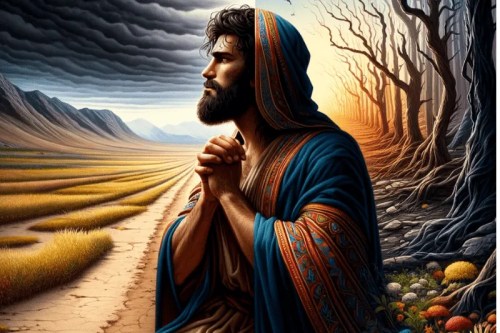

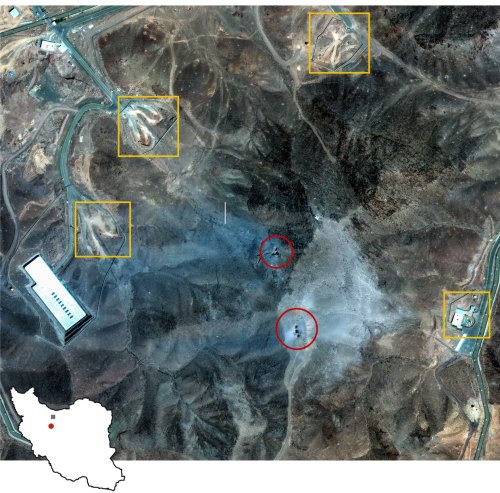

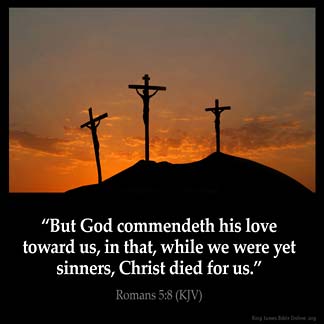

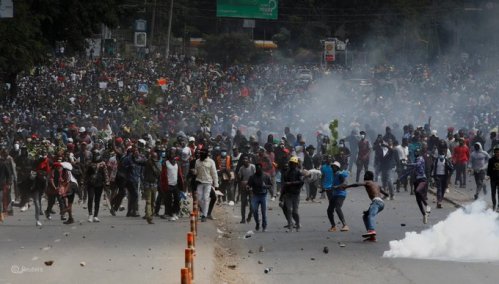









 Prayer Point