Hymn 615. Come, ye thankful people, come


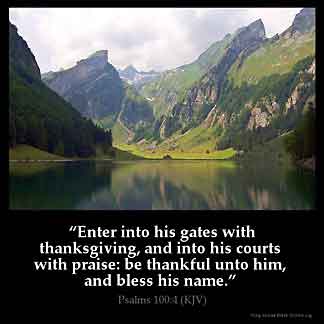
Psalms_100-4: Enter into his gates with thanksgiving, and into his courts with praise: be thankful unto him, and bless his name.

Come, ye thankful people, come,

Raise the song of harvest home:

All is safely gathered in,

Ere the winter storms begin;

God our maker doth provide

For our wants to be supplied;

Come to God’s own temple, come,

Raise the song of harvest home!

2:

For the Lord our God shall come,

And shall take His harvest Home;

From His field shall in that day

All offences purge away;

Give His angels charge at last

In the fire the tares to cast;

But the fruitful ears to store

In His gamer evermore.

3:

Even so, Lord, quickly come;

To Thy final Harvest-home,

Gather Thou Thy people in,

Free from sorrow, free from sin;

There forever purified,

In Thy presence to abide:

Come, with all Thine angels, come;

Raise the glorious Harvest home.

Thank You Jesus,

Salvation Prayers

If you don’t Know Jesus as your personal Lord and Saviour and would like to accept him into your life as your personal Lord and Saviour, Please say this prayer:

Father, I know that I have broken your laws and my sins have separated me from You. I am truly sorry, and now I want to turn away from my past sinful life toward You. Please forgive me, and help me avoid sinning again. I believe that Your son, Jesus Christ died for my sins, was resurrected from the dead, is alive, and hears my prayer. I invite Jesus to become the Lord of my life, to rule and reign in my heart from this day forward. Please send Your Holy Spirit to help me obey You, and to do Your Will for the rest of my life. In Jesus’ name I pray, Amen.

Support Our Ministry,

Good Morning Dear,

It cost a lot of money to maintain a website, Nonetheless a non-profit Christian website,

Please if you have been blessed by this ministry and you are led to support and bless this ministry in return,

Please make your donation to this account,

Chukwuemeka Obiorah Ogwo,

Account Number,0139438409,

Guaranty Trust Bank Plc Nigeria,

To help us continue in the spreading of The GOSPEL OF OUR LORD JESUS CHRIST to every corner of this world,

Thank You Very Much For Your Support,

May GOD, we Serve Bless You A Million Times in return, Amen,

May God Bless Israel, May God Bless Nigeria, May God Bless America And Take Care Of Us; May God Make His Face Shine Upon Us, And Be Gracious To Us; May The Lord Lift Up His Countenance Upon Us, And Give Us Peace, In Jesus Christ Name, We Pray! Amen!

May The Grace The Lord Jesus Christ, And The Love Of God, And The Fellowship Of The Holy Spirit Be With You All. Amen!

By Chukwuemeka Obiorah Ogwo,

Spiritual Exercise:

  1. What does it mean to seek peace, and how can we prioritize it in our lives?
  2. How can we cultivate inner peace and calm in the midst of chaos or stress?
  3. What role does forgiveness play in seeking peace with others?
  4. How can we promote peace in our relationships and communities?
  5. What biblical examples illustrate the importance of seeking peace, such as the teachings of Jesus or the writings of Paul?
  6. How can we balance seeking peace with standing up for justice or righteousness?
  7. What are some practical ways to seek peace in conflict or difficult situations?
  8. How can prayer, meditation, or reflection help us seek peace?
  9. What impact can seeking peace have on our mental and emotional well-being?
  10. How can we prioritize peace in our interactions with others, even when it’s challenging?
  11. What are some traditional harvest celebrations in the United States, such as Thanksgiving?
  12. How do Americans typically celebrate harvest seasons, and what foods are often associated with these celebrations?
  13. What role do harvest festivals play in American culture and community life?
  14. How has the way Americans celebrate harvests changed over time?
  15. What are some regional harvest celebrations or traditions unique to specific parts of the United States?
  16. How do harvest celebrations in the USA reflect the country’s agricultural heritage?
  17. What impact do harvest celebrations have on local economies and communities?
  18. How do Americans express gratitude during harvest celebrations, and what values are emphasized?
  19. What are some popular activities or events associated with harvest festivals in the USA?
  20. How can harvest celebrations promote unity, appreciation, and connection to nature and community?
  21. What are some common elements of American Christian worship services, such as music or prayer?
  22. How do different Christian denominations in the USA approach worship, and what unique traditions do they have?
  23. What role does music play in American Christian worship, and how has it evolved over time?
  24. How do American Christians incorporate scripture and biblical teachings into their worship practices?
  25. What impact does worship have on the spiritual lives of American Christians?
  26. How do American Christians celebrate major holidays like Christmas and Easter in their worship services?
  27. What are some contemporary trends or innovations in American Christian worship?
  28. How do American Christians balance traditional and contemporary elements in their worship practices?
  29. What role does community play in American Christian worship, and how do worship services foster a sense of belonging?
  30. How do American Christians express their faith and worship in diverse cultural contexts?
  31. What are some classic traditional hymns commonly sung in American churches?
  32. How have traditional hymns shaped American Christian worship and culture?
  33. What role do hymns like “Amazing Grace” or “Great Is Thy Faithfulness” play in American Christian heritage?
  34. How have traditional hymns been passed down through generations in American churches?
  35. What are some distinctive characteristics of traditional American hymns, such as lyrical themes or musical styles?
  36. How do traditional hymns reflect American Christian values and theology?
  37. What impact do traditional hymns have on the spiritual lives of American Christians?
  38. How have traditional hymns influenced contemporary Christian music in the USA?
  39. What are some challenges or benefits of incorporating traditional hymns into modern worship services?
  40. How can traditional hymns continue to be relevant and meaningful in contemporary American Christian worship?
  41. How can faith influence our perspective on the future and its uncertainties?
  42. What role does trust in God’s plan play in shaping our hopes and dreams for the future?
  43. How can we balance planning for the future with trusting in God’s sovereignty?
  44. What biblical promises or teachings offer guidance and encouragement for navigating the future?
  45. How can faith help us cope with uncertainty, fear, or anxiety about the future?
  46. What impact can having a strong faith have on our goals, aspirations, and decision-making for the future?
  47. How can we cultivate a sense of hope and optimism about the future through our faith?
  48. What are some ways to seek God’s guidance and wisdom when making decisions about the future?
  49. How can faith communities support and encourage one another in navigating the future?
  50. What is the relationship between faith, perseverance, and resilience in the face of future challenges?
  51. What role do songs play in enhancing the worship experience in church services?
  52. How do church service songs reflect the theology and values of a particular congregation or denomination?
  53. What are some popular contemporary Christian songs commonly sung in church services?
  54. How can church service songs foster a sense of community and unity among worshipers?
  55. What impact do lyrics and music have on the spiritual experience of church service attendees?
  56. How do different styles of music (e.g., traditional hymns, modern worship songs) influence the atmosphere of a church service?
  57. What criteria should be considered when selecting songs for a church service?
  58. How can church service songs be used to teach biblical truths and promote spiritual growth?
  59. What role do church service songs play in special services or events, such as Christmas or Easter?
  60. How can churches balance tradition and innovation in their selection of service songs?
  61. What themes are commonly explored in harvest hymns, such as gratitude or abundance?
  62. How do harvest hymns reflect the agricultural heritage of a community or culture?
  63. What are some classic examples of harvest hymns, and what makes them enduring?
  64. How can harvest hymns be used to express thanksgiving for the blessings of nature and life?
  65. What role do harvest hymns play in autumnal or Thanksgiving services and celebrations?
  66. How do harvest hymns incorporate biblical teachings or imagery related to harvest and provision?
  67. What impact can singing harvest hymns have on a congregation’s sense of community and gratitude?
  68. How can harvest hymns be adapted or arranged for different musical styles or instrumentation?
  69. What are some ways to incorporate harvest hymns into worship services or special events?
  70. How do harvest hymns connect people to the natural world and the cycles of nature?
  71. What biblical teachings or principles underlie the concept of thanksgiving in Christianity?
  72. How do Christians express gratitude to God for His blessings and provision?
  73. What role does prayer play in Christian thanksgiving, and how can it be cultivated?
  74. How can Christians balance gratitude for blessings received with humility and recognition of God’s sovereignty?
  75. What impact can a spirit of thanksgiving have on a Christian’s relationships and daily life?
  76. How do Christians celebrate Thanksgiving in ways that honor God and reflect their faith?
  77. What are some biblical examples or stories that illustrate the importance of thanksgiving?
  78. How can Christians incorporate thanksgiving into their worship services and community gatherings?
  79. What are some ways Christians can express gratitude to God for His love, mercy, and grace?
  80. How can a focus on thanksgiving help Christians navigate challenges or difficulties with a positive and faithful attitude?
  81. What is the significance of the hymn “Come Ye Thankful People” in Christian worship?
  82. How does the hymn’s lyrics reflect themes of gratitude, harvest, and God’s provision?
  83. What role does “Come Ye Thankful People” play in autumnal or Thanksgiving services?
  84. How can singing “Come Ye Thankful People” foster a sense of community and shared gratitude?
  85. What biblical imagery or references are present in the hymn’s lyrics?
  86. How does the hymn’s message of thanksgiving relate to everyday life and experiences?
  87. What are some ways to incorporate “Come Ye Thankful People” into worship services or special events?
  88. How can the hymn’s emphasis on gratitude impact a congregation’s perspective on blessings and challenges?
  89. What is the historical context and background of the hymn “Come Ye Thankful People”?
  90. How can “Come Ye Thankful People” be used to teach children or new believers about the importance of gratitude in the Christian life?
  91. What biblical examples illustrate God’s provision for His people, such as manna in the wilderness or Jesus feeding the 5,000?
  92. How can we trust in God’s provision during times of uncertainty or financial struggle?
  93. What role does prayer play in seeking God’s provision and guidance?
  94. How can we recognize and acknowledge God’s provision in our daily lives?
  95. What is the relationship between God’s provision and our responsibility to steward resources wisely?
  96. How can faith in God’s provision impact our perspective on material possessions and wealth?
  97. What promises or teachings in the Bible offer encouragement and hope regarding God’s provision?
  98. How can we balance trusting in God’s provision with taking practical steps to achieve our goals?
  99. What impact can a deepening trust in God’s provision have on our sense of peace and contentment?
  100. How can we teach children or others about God’s provision and its significance in the Christian life?
  101. What biblical teachings or prophecies relate to Christ’s return, and how do they shape Christian hope and expectation?
  102. How can Christians live in anticipation of Christ’s return, and what implications does this have for daily life?
  103. What role does the promise of Christ’s return play in encouraging perseverance and faithfulness in the face of challenges?
  104. How do different Christian traditions or interpretations understand the events surrounding Christ’s return?
  105. What impact can the expectation of Christ’s return have on a Christian’s priorities, values, and relationships?
  106. How can Christians balance living in the present with living in light of Christ’s future return?
  107. What biblical exhortations or warnings are given to Christians regarding readiness for Christ’s return?
  108. How can the promise of Christ’s return bring comfort, hope, and motivation to Christians in difficult circumstances?
  109. What is the relationship between Christ’s return and the ultimate fulfillment of God’s plan for humanity?
  110. How can Christians share the hope of Christ’s return with others, and what role does evangelism play in light of this promise?
  111. What biblical imagery or symbolism is associated with the concept of a final harvest?
  112. How does the idea of a final harvest relate to God’s judgment and accountability?
  113. What role does the final harvest play in Christian eschatology and end-times teachings?
  114. How can the concept of a final harvest encourage Christians to live faithfully and productively?
  115. What are some biblical warnings or exhortations related to the final harvest?
  116. How does the promise of a final harvest impact a Christian’s perspective on their life’s work and legacy?
  117. What is the relationship between the final harvest and the return of Christ?
  118. How can Christians prepare for the final harvest, and what does this mean for daily life?
  119. What themes of reward, accountability, or celebration are associated with the final harvest?
  120. How can the concept of a final harvest bring hope, motivation, or urgency to Christian living and witness?
  121. What biblical imagery or symbolism is associated with the concept of a heavenly garner or storehouse?
  122. How does the idea of a heavenly garner relate to God’s provision and care for His people?
  123. What role does the concept of a heavenly garner play in Christian teachings on stewardship and generosity?
  124. How can the promise of a heavenly garner encourage Christians to trust in God’s provision and sovereignty?
  125. What are some biblical examples or stories that illustrate the concept of a heavenly garner?
  126. How does the idea of a heavenly garner impact a Christian’s perspective on material possessions and wealth?
  127. What is the relationship between the heavenly garner and the concept of eternal rewards or treasures?
  128. How can Christians store up treasures in the heavenly garner, and what does this mean for daily life?
  129. What themes of abundance, provision, or overflow are associated with the heavenly garner?
  130. How can the concept of a heavenly garner bring comfort, hope, or assurance to Christians in times of need or uncertainty?
  131. What biblical teachings or principles guide Christians in identifying and addressing evil in their lives and communities?
  132. How can Christians discern between spiritual struggles and demonic influences or evil presence?
  133. What role does prayer play in seeking God’s protection and deliverance from evil?
  134. How can Christians balance confronting evil with showing compassion and love to those affected by it?
  135. What are some biblical examples or stories that illustrate God’s power and victory over evil?
  136. How can Christians cultivate spiritual resilience and resistance to evil’s influence in their lives?
  137. What is the relationship between spiritual warfare and the Christian’s identity in Christ?
  138. How can Christians work together to address and overcome evil in their communities and world?
  139. What are some practical steps Christians can take to “put on the armor of God” and stand against evil?
  140. How can Christians find hope and confidence in God’s ultimate victory over evil, despite present challenges?
  141. What biblical teachings emphasize the importance of listening and having “fruitful ears”?
  142. How can Christians cultivate a habit of listening attentively to God’s voice through Scripture and prayer?
  143. What role does discernment play in hearing God’s voice and distinguishing it from other influences?
  144. How can Christians apply biblical teachings to their lives by listening to wisdom and guidance?
  145. What are some practical ways to prioritize listening to God and His Word in daily life?
  146. How can having “fruitful ears” impact a Christian’s relationships, decisions, and spiritual growth?
  147. What are some biblical examples or stories that illustrate the blessings of listening to and obeying God’s voice?
  148. How can Christians overcome distractions or obstacles that hinder their ability to listen to God?
  149. What is the relationship between having “fruitful ears” and bearing spiritual fruit in one’s life?
  150. How can Christians encourage and support one another in developing a lifestyle of listening to God?
  151. What role do hymns play in Christian worship and the life of the church?
  152. How do hymns convey biblical teachings, doctrine, and Christian values?
  153. What are some classic examples of church hymns, and what makes them enduring?
  154. How can hymns be used to express praise, thanksgiving, and adoration to God?
  155. What impact can singing hymns have on a congregation’s sense of unity and shared faith?
  156. How do hymns complement other forms of worship, such as prayer, Scripture reading, and preaching?
  157. What are some ways to incorporate traditional and contemporary hymns into worship services?
  158. How can hymns be used to teach children and new believers about Christian doctrine and faith?
  159. What is the significance of hymns in different Christian traditions or denominations?
  160. How can hymns be used to express a range of emotions, from joy and celebration to sorrow and lament?
  161. What role do worship songs play in expressing adoration, praise, and reverence to God?
  162. How can worship songs impact a congregation’s sense of community and shared faith?
  163. What are some key characteristics of effective worship songs that facilitate meaningful worship?
  164. How can worship songs be used to teach biblical truths and Christian doctrine?
  165. What impact can worship songs have on an individual’s personal spiritual journey and devotion?
  166. How do different musical styles or genres influence the composition and reception of worship songs?
  167. What is the relationship between worship songs and other elements of worship, such as prayer and Scripture reading?
  168. How can worship songs be used to express a range of emotions, from joy and gratitude to sorrow and repentance?
  169. What are some ways to select and plan worship songs that are relevant and engaging for diverse congregations?
  170. How can worship songs be used to prepare hearts and minds for sermons, sacraments, or other aspects of worship?
  171. What biblical descriptions or imagery are associated with the concept of an eternal abode or heavenly home?
  172. How does the promise of an eternal abode impact a Christian’s perspective on earthly life and priorities?
  173. What role does the hope of an eternal abode play in comforting believers in times of sorrow or loss?
  174. How can Christians cultivate a sense of longing and anticipation for their eternal abode?
  175. What are some biblical teachings or principles that relate to the eternal abode and heavenly inheritance?
  176. How does the concept of an eternal abode influence a Christian’s view of their body, soul, and eternal destiny?
  177. What is the relationship between the eternal abode and the believer’s union with Christ?
  178. How can Christians use the promise of an eternal abode to encourage and support one another?
  179. What themes of joy, peace, and rest are associated with the concept of an eternal abode?
  180. How can the hope of an eternal abode shape a Christian’s values, goals, and priorities in this life?
  181. What biblical teachings or stories illustrate the concept of redemption and its significance?
  182. How does the concept of redemption relate to God’s love, mercy, and justice?
  183. What role does Jesus Christ play in the redemption of humanity, and what implications does this have for believers?
  184. How can Christians experience and apply the power of redemption in their personal lives?
  185. What are some Old Testament examples or foreshadowings of redemption that find fulfillment in the New Testament?
  186. How does the theme of redemption shape a Christian’s understanding of their identity, purpose, and mission?
  187. What is the relationship between redemption and forgiveness, and how do these concepts intersect?
  188. How can the promise of redemption bring hope, comfort, and assurance to believers in times of struggle or doubt?
  189. What impact can a deepening understanding of redemption have on a Christian’s relationships, values, and priorities?
  190. How can Christians share the message of redemption with others, and what role does evangelism play in this process?
  191. What biblical teachings or principles guide Christians in understanding their role as stewards of God’s resources?
  192. How can Christians apply the concept of divine stewardship to their management of finances, time, and talents?
  193. What is the relationship between divine stewardship and generosity, and how can Christians cultivate a spirit of giving?
  194. How can Christians balance their own needs and desires with their responsibility to steward God’s resources wisely?
  195. What are some practical ways Christians can demonstrate good stewardship in their daily lives?
  196. How can divine stewardship impact a Christian’s perspective on material possessions and wealth?
  197. What role does prayer and seeking God’s guidance play in making stewardship decisions?
  198. How can Christians hold one another accountable and support each other in practicing good stewardship?
  199. What are some biblical examples or stories that illustrate the importance of divine stewardship?
  200. How can divine stewardship be integrated into all areas of life, including work, relationships, and community involvement?
  201. How can Christians recognize and celebrate God’s blessings in the changing seasons?
  202. What spiritual lessons or themes can be gleaned from the cycles of nature and the seasons?
  203. How can the concept of seasonal blessings encourage gratitude and appreciation for God’s provision?
  204. What role does prayer play in acknowledging and thanking God for seasonal blessings?
  205. How can Christians use the seasons to reflect on the ebbs and flows of life and their relationship with God?
  206. What are some ways to incorporate seasonal themes and imagery into worship, prayer, or devotional life?
  207. How can the promise of seasonal blessings bring hope and comfort during difficult or challenging times?
  208. What is the relationship between seasonal blessings and the concept of God’s faithfulness and provision?
  209. How can Christians use the seasons to explore themes of renewal, growth, harvest, or rest in their spiritual lives?
  210. What are some practical ways to celebrate and honor God’s blessings in each season, such as through rituals, traditions, or acts of service?
  211. What are some practical ways to cultivate a spirit of gratitude in daily life?
  212. How can gratitude impact a person’s mental and emotional well-being?
  213. What role does gratitude play in relationships, and how can it strengthen bonds with others?
  214. How can Christians express gratitude to God for His blessings and provision?
  215. What are some biblical teachings or examples that emphasize the importance of gratitude?
  216. How can gratitude help shift focus from what’s lacking to what God is doing?
  217. What are some ways to incorporate gratitude into daily routines, such as through journaling or prayer?
  218. How can gratitude influence a person’s perspective on challenges and difficulties?
  219. What is the relationship between gratitude and contentment, and how can these virtues be cultivated?
  220. How can gratitude be expressed in meaningful ways to others, such as through acts of service or kind words?
  221. What is the biblical definition of prophecy, and how does it differ from other forms of prediction or divination?
  222. How do prophets in the Bible receive and communicate messages from God?
  223. What role does prophecy play in the Bible, and what are some key examples of prophetic messages or figures?
  224. How can Christians discern and understand prophecies in the Bible, and what tools or approaches are helpful for interpretation?
  225. What is the relationship between prophecy and God’s sovereignty, and how do prophecies relate to human free will?
  226. How have prophecies in the Bible been fulfilled, and what implications does this have for faith and trust in God’s Word?
  227. What are some key prophecies related to Jesus Christ, and how do they demonstrate His divine identity and mission?
  228. How can Christians apply the messages of biblical prophecy to their lives, and what warnings or encouragements can be gleaned?
  229. What is the role of prophecy in the life of the church today, and how can believers discern and respond to prophetic messages?
  230. How does the study of prophecy impact a Christian’s understanding of God’s plan, purpose, and timeline for humanity?
  231. What biblical teachings or promises form the foundation of Christian hope?
  232. How can hope impact a person’s perspective and attitude in the face of challenges or difficulties?
  233. What role does faith play in cultivating and sustaining hope?
  234. How can Christians share hope with others, and what are some effective ways to communicate hope in a hurting world?
  235. What are some biblical examples or stories that illustrate the power of hope in the lives of believers?
  236. How can hope be anchored in God’s character, promises, and faithfulness?
  237. What is the relationship between hope and perseverance, and how can hope fuel endurance in trials?
  238. How can Christians distinguish between false or fleeting hopes and the solid, eternal hope found in Christ?
  239. What impact can hope have on a person’s emotional and spiritual well-being?
  240. How can hope influence a Christian’s priorities, values, and goals, and what role does eternal perspective play in this?
  241. What biblical teachings or principles relate to the concept of abundance, and how can Christians understand God’s desire for their lives to flourish?
  242. How can Christians distinguish between God’s abundance and worldly wealth or materialism?
  243. What role does generosity play in experiencing and sharing abundance, and how can Christians cultivate a spirit of giving?
  244. How can abundance be understood in terms of spiritual riches, such as joy, peace, and love, rather than just material wealth?
  245. What are some biblical examples or stories that illustrate God’s abundance and provision for His people?
  246. How can Christians trust in God’s abundance and provision, especially in times of uncertainty or scarcity?
  247. What impact can a mindset of abundance have on a person’s relationships, work, and overall well-being?
  248. How can Christians steward God’s abundance wisely, and what are some practical ways to manage resources and blessings?
  249. What is the relationship between abundance and gratitude, and how can gratitude cultivate a deeper appreciation for God’s blessings?
  250. How can Christians share God’s abundance with others, and what role does hospitality, kindness, and service play in this?
  251. What biblical teachings or principles relate to the concept of purity, and how can Christians cultivate purity in their thoughts, words, and actions?
  252. How can Christians maintain purity in a world filled with temptation and corruption?
  253. What role does the Holy Spirit play in guiding believers toward purity and holiness?
  254. How can Christians prioritize purity in their relationships, media consumption, and entertainment choices?
  255. What are some practical ways to guard one’s heart and mind from impurity?
  256. How can Christians distinguish between legalism and biblical purity, and what role does grace play in this?
  257. What impact can purity have on a person’s relationships, witness, and overall well-being?
  258. How can Christians seek forgiveness and restoration when they fail to maintain purity?
  259. What is the relationship between purity and identity in Christ, and how can believers live out their new identity in purity?
  260. How can Christians support and encourage one another in pursuing purity, and what role does community play in this journey?
  261. What biblical significance does gathering hold for believers, and how can Christians prioritize gathering together?
  262. How can gathering with other believers impact one’s faith, encouragement, and sense of community?
  263. What are some benefits of gathering for corporate worship, prayer, and Bible study?
  264. How can Christians make gatherings meaningful and impactful, whether large or small?
  265. What role does hospitality play in gathering, and how can believers practice welcoming others?
  266. How can gathering around the Lord’s Table or communion deepen a sense of unity and remembrance?
  267. What are some challenges or obstacles that might hinder gathering, and how can believers overcome them?
  268. How can technology facilitate gathering, whether through virtual meetings or online communities?
  269. What is the relationship between gathering and accountability, and how can believers support one another in their faith journeys?
  270. How can gathering be a witness to the world of the love and unity that exists in Christ?
  271. What biblical teachings or principles relate to the concept of peace, and how can Christians experience peace in their lives?
  272. How can believers distinguish between worldly peace and the peace that comes from God?
  273. What role does trust in God’s sovereignty play in experiencing peace, especially in uncertain or challenging times?
  274. How can Christians cultivate inner peace and calm in the midst of turmoil or stress?
  275. What impact can peace have on a person’s relationships, witness, and overall well-being?
  276. How can believers be peacemakers in their communities and relationships?
  277. What is the relationship between peace and the fruit of the Spirit?
  278. How can Christians reconcile the promise of peace with the reality of persecution or hardship?
  279. What practical steps can believers take to live at peace with others?
  280. How can peace be a powerful witness to the world of the transformative power of Christ?
  281. What biblical teachings or principles define the nature and characteristics of love?
  282. How can Christians demonstrate love for God and for others in practical ways?
  283. What role does love play in building and maintaining healthy relationships?
  284. How can believers balance love and truth in their interactions with others?
  285. What impact can unconditional love have on a person’s life and relationships?
  286. How can Christians show love to those who are difficult to love or who may not deserve it?
  287. What is the relationship between love and forgiveness, and how can believers cultivate a spirit of forgiveness?
  288. How can love be a powerful witness to the world of the transformative power of Christ?
  289. What are some biblical examples or stories that illustrate the power of love in action?
  290. How can Christians prioritize love as a core value in their lives, and what practical steps can they take to demonstrate love in their daily interactions?
  291. What biblical teachings or principles relate to abiding in God’s presence, and how can believers cultivate this practice?
  292. How can abiding in God’s presence impact a person’s sense of peace, joy, and security?
  293. What role does prayer play in abiding in God’s presence, and how can believers prioritize prayer in their daily lives?
  294. How can believers recognize and respond to God’s presence in their lives?
  295. What are some practical ways to create space for abiding in God’s presence, such as through solitude, silence, or worship?
  296. How can abiding in God’s presence influence a person’s perspective on challenges and difficulties?
  297. What is the relationship between abiding in God’s presence and trust, and how can believers deepen their trust in God?
  298. How can believers abide in God’s presence in the midst of busy or chaotic schedules?
  299. What impact can abiding in God’s presence have on a person’s relationships, priorities, and decisions?
  300. How can believers experience the comfort and guidance of God’s presence in times of uncertainty or doubt?
  301. What is the biblical understanding of salvation, and how does it relate to God’s love and plan for humanity?
  302. How does the concept of sin and its consequences relate to the need for salvation?
  303. What role does faith play in receiving salvation, and what does it mean to have faith in Jesus Christ?
  304. How does the death and resurrection of Jesus Christ relate to salvation, and what significance does this hold for believers?
  305. What is the relationship between salvation and forgiveness, and how do believers experience forgiveness through Jesus Christ?
  306. How can believers be certain of their salvation, and what assurance do they have of eternal life?
  307. What impact does salvation have on a person’s life, relationships, and priorities?
  308. How can believers share the message of salvation with others, and what role does evangelism play in spreading this message?
  309. What is the relationship between salvation and good works, and how do good works relate to a person’s salvation?
  310. How can believers live out their salvation in practical ways, demonstrating their gratitude and love for God?
  311. What biblical teachings or principles relate to God’s judgment, and how does this impact believers’ understanding of justice and righteousness?
  312. How does the concept of judgment influence a person’s perspective on sin, morality, and accountability?
  313. What role does Jesus Christ play in judgment, and how does His role as judge impact believers?
  314. How can believers prepare for judgment, and what does the Bible teach about the criteria for judgment?
  315. What is the relationship between God’s judgment and His love, and how do these attributes intersect?
  316. How can believers live in light of future judgment, and what impact does this have on their daily lives?
  317. What biblical warnings or exhortations are given regarding judgment, and how can believers heed these warnings?
  318. How does the reality of judgment relate to evangelism and sharing the gospel with others?
  319. What comfort or assurance can believers have regarding judgment, knowing that Jesus Christ has borne their sins?
  320. How can believers balance the concepts of God’s justice and mercy in their understanding of judgment?
  321. What biblical teachings or principles relate to gathering people for worship, fellowship, or ministry?
  322. How can believers effectively gather people around the gospel, and what role does evangelism play in this?
  323. What strategies can be used to gather people from diverse backgrounds or communities?
  324. How can believers create welcoming environments for people to gather, feel included, and build relationships?
  325. What role does community play in gathering people, and how can believers prioritize building relationships?
  326. How can technology be used to gather people, such as through online communities or social media?
  327. What biblical examples or stories illustrate the importance of gathering people, such as the early church or Jesus’ ministry?
  328. How can believers gather people around shared values or missions, and what impact can this have on community building?
  329. What challenges might arise when gathering people, and how can believers overcome these obstacles?
  330. How can gathering people be a demonstration of God’s love and hospitality, and what role does this play in reflecting Christ’s teachings?
  331. What biblical teachings or principles relate to praising God, and how can believers prioritize praise in their lives?
  332. How can believers express praise to God through worship, music, or other forms of creative expression?
  333. What role does gratitude play in praising God, and how can believers cultivate a spirit of thankfulness?
  334. How can believers praise God in both times of joy and times of difficulty or uncertainty?
  335. What impact can praise have on a person’s perspective, faith, and relationship with God?
  336. How can believers praise God corporately, and what role does communal worship play in this?
  337. What biblical examples or stories illustrate the importance of praising God, such as psalms of praise or the worship of heaven?
  338. How can believers praise God through their actions, service, or obedience?
  339. What is the relationship between praise and trust, and how can believers trust God enough to praise Him in all circumstances?
  340. How can believers incorporate praise into their daily lives, and what practical steps can they take to prioritize praise?
  341. What biblical teachings or principles relate to giving thanks, and how can believers prioritize gratitude in their lives?
  342. How can believers cultivate a spirit of thankfulness, even in challenging or difficult circumstances?
  343. What role does gratitude play in a person’s relationship with God, and how can it impact their faith?
  344. How can believers express thanks to God, and what forms can this expression take (e.g., prayer, song, service)?
  345. What impact can a habit of giving thanks have on a person’s perspective, attitude, and overall well-being?
  346. How can believers teach children or others the importance of giving thanks?
  347. What are some practical ways believers can give thanks in their daily lives?
  348. How can believers balance gratitude with lament or expressing struggles in prayer?
  349. What biblical examples or stories illustrate the importance of giving thanks?
  350. How can giving thanks be a form of worship or obedience to God?
  351. What biblical teachings or principles relate to eternity, and how does this impact believers’ understanding of life and purpose?
  352. How does the concept of eternity influence a person’s perspective on time, priorities, and decisions?
  353. What role does eternity play in motivating believers to share the gospel or live out their faith?
  354. How can believers live with an eternal perspective, and what practical steps can they take to prioritize eternal things?
  355. What is the relationship between eternity and the believer’s identity, security, and hope?
  356. How does the promise of eternal life impact a person’s understanding of death, grief, or loss?
  357. What biblical descriptions or depictions of eternity are most meaningful or encouraging?
  358. How can believers invest in eternity through their relationships, work, or stewardship?
  359. What warnings or exhortations does the Bible give regarding eternity, and how can believers heed these warnings?
  360. How can believers find comfort, hope, and assurance in the promise of eternity with God?

Hymn 616. Lord of the harvest, Thee we hail


Lord of the harvest, Thee we hail;

Thine ancient promise doth not fail;

The varying seasons haste their round

With goodness all our years are crown’d,

Our thanks we pay This holy day;

Oh let our hearts in tune be found.

2:

If spring doth wake the song of mirth;

If summer warms the fruitful earth;

When winter sweeps the need plain,

Or autumn yields its ripen’d  grain,

I Still do we sing to Thee, our King;

Through all their changes Thou dostreign.

3:

But chiefly, when Thy liberal hand

Scatters new plenty o’er the land,

When sounds of music fill the air,

As homeward all their treasures bear;

We too will raise our hymn of praise,

For we Thy common bounties share.

4:

Lord of the harvest, all is Thine:

The rains that fall, the suns that shine,

The seed once hidden in the ground,

The skill that makes our fruits abound;

New every year Thy gifts appear;

New praises from our lips shall sound.

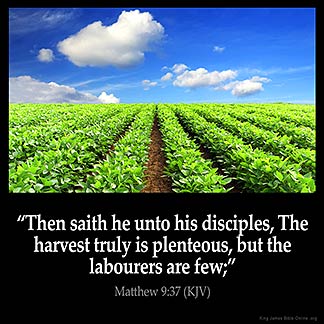
Matthew_9-37: Then saith he unto his disciples, The harvest truly is plenteous, but the labourers are few

Thank You Jesus,

Salvation Prayers

If you don’t Know Jesus as your personal Lord and Saviour and would like to accept him into your life as your personal Lord and Saviour, Please say this prayer:

Father, I know that I have broken your laws and my sins have separated me from You. I am truly sorry, and now I want to turn away from my past sinful life toward You. Please forgive me, and help me avoid sinning again. I believe that Your son, Jesus Christ died for my sins, was resurrected from the dead, is alive, and hears my prayer. I invite Jesus to become the Lord of my life, to rule and reign in my heart from this day forward. Please send Your Holy Spirit to help me obey You, and to do Your Will for the rest of my life. In Jesus’ name I pray, Amen.

Support Our Ministry,

Good Morning Dear,

It cost a lot of money to maintain a website, Nonetheless a non-profit Christian website,

Please if you have been blessed by this ministry and you are led to support and bless this ministry in return,

Please make your donation to this account,

Chukwuemeka Obiorah Ogwo,

Account Number,0139438409,

Guaranty Trust Bank Plc Nigeria,

To help us continue in the spreading of The GOSPEL OF OUR LORD JESUS CHRIST to every corner of this world,

Thank You Very Much For Your Support,

May GOD, we Serve Bless You A Million Times in return, Amen,

May God Bless Israel, May God Bless Nigeria, May God Bless America And Take Care Of Us; May God Make His Face Shine Upon Us, And Be Gracious To Us; May The Lord Lift Up His Countenance Upon Us, And Give Us Peace, In Jesus Christ Name, We Pray! Amen!

May The Grace The Lord Jesus Christ, And The Love Of God, And The Fellowship Of The Holy Spirit Be With You All. Amen!

By Chukwuemeka Obiorah Ogwo,

Spiritual Exercise:

  1. What title is used to address God at the beginning of the hymn?
  2. What is stated about God’s “ancient promise” in verse 1?
  3. How are “our years” crowned, according to the first verse?
  4. What is the desire for “our hearts” on this holy day?
  5. What emotions or activities are associated with “spring” in verse 2?
  6. What occurs during “summer” as described in verse 2?
  7. What natural events are mentioned for “winter” and “autumn”?
  8. Despite the “varying seasons” and their changes, what remains constant about God?
  9. When do the hymn’s participants “chiefly” raise their praise, according to verse 3?
  10. What fills the air when people bear their treasures homeward?
  11. What is the reason given for the hymn-singers to raise their hymn of praise in verse 3?
  12. What two natural phenomena are specifically mentioned as belonging to the “Lord of the harvest” in verse 4?
  13. What hidden element in the ground is acknowledged as God’s in verse 4?
  14. What human attribute is recognized as making “our fruits abound,” and to whom is its origin attributed?
  15. How often do God’s gifts appear, and what is the corresponding response from human lips?
  16. What does the title “Lord of the Harvest” reveal about God’s character and sovereignty?
  17. How does the concept of harvest relate to spiritual growth and fruitfulness?
  18. What role does God play in the harvest of our lives, and how can we trust Him?
  19. How can we prioritize seeking God’s kingdom and righteousness in our daily lives?
  20. What does the Bible say about the relationship between sowing, reaping, and God’s sovereignty?
  21. How can we cultivate a sense of dependence on God in our daily lives and work?
  22. What are some biblical examples of God’s sovereignty over the harvest, and what can we learn from them?
  23. How can we trust God’s timing and provision in our lives, even in times of uncertainty?
  24. What is the connection between the harvest and God’s glory, and how can we bring Him glory in our lives?
  25. How can we steward the resources and opportunities God has given us to bring about a fruitful harvest?
  26. What does the Bible say about the harvest of souls, and how can we participate in God’s work of salvation?
  27. How can we prioritize prayer and intercession for the harvest of souls and the growth of God’s kingdom?
  28. What role does faith and obedience play in experiencing God’s harvest in our lives?
  29. How can we live with an eternal perspective, recognizing that our labor is not in vain in the Lord?
  30. What are some practical ways we can live out our faith and bring glory to God in our daily lives, reflecting the Lord of the Harvest?
  31. What emotions or feelings are evoked by the theme of harvest in hymns?
  32. How do harvest hymns reflect gratitude for God’s provision and blessings?
  33. What role do harvest hymns play in worship and celebration?
  34. How can harvest hymns inspire thankfulness and praise in our daily lives?
  35. What biblical themes or imagery are commonly found in harvest hymns?
  36. How do harvest hymns express the connection between God’s creation and our daily lives?
  37. What are some classic harvest hymns that have been sung for generations?
  38. How can harvest hymns be used to teach children about gratitude and God’s provision?
  39. What is the significance of harvest hymns in rural or agricultural communities?
  40. How can harvest hymns be incorporated into worship services or special events?
  41. What role do harvest hymns play in expressing hope and joy during times of scarcity or hardship?
  42. How do harvest hymns reflect the cycle of seasons and the rhythms of nature?
  43. What are some modern harvest hymns or songs that reflect contemporary themes and styles?
  44. How can harvest hymns be used to promote environmental stewardship and care for creation?
  45. What personal significance can harvest hymns hold for individuals, and how can they be a source of comfort and inspiration?
  46. What does biblical stewardship look like in our daily lives?
  47. How can we manage God’s resources wisely, including time, talents, and finances?
  48. What role does gratitude play in stewardship, and how can we cultivate a thankful heart?
  49. How can we prioritize generosity and giving in our lives?
  50. What are some practical ways to live out stewardship in our relationships, work, and community?
  51. How can we balance our own needs with the needs of others in stewardship?
  52. What does the Bible say about accountability and responsibility in stewardship?
  53. How can we steward our time effectively, prioritizing what’s truly important?
  54. What role does faith play in stewardship, and how can we trust God’s provision?
  55. How can we teach children and others about the importance of stewardship?
  56. What are some challenges to stewardship, and how can we overcome them?
  57. How can we steward God’s creation and care for the environment?
  58. What is the connection between stewardship and worship, and how can we express gratitude to God?
  59. How can we prioritize simplicity and contentment in our lives, and what role does stewardship play?
  60. What are some biblical examples of stewardship, and what can we learn from them?
  61. What does God’s providence mean in our daily lives, and how can we trust Him?
  62. How does God’s sovereignty intersect with human freedom and decision-making?
  63. What role does prayer play in understanding and experiencing God’s providence?
  64. How can we discern God’s guidance and direction in our lives?
  65. What are some biblical examples of God’s providence, and what can we learn from them?
  66. How does God’s providence bring comfort and hope in times of uncertainty or difficulty?
  67. What is the relationship between God’s providence and our personal responsibility?
  68. How can we cultivate trust in God’s providence, even when circumstances seem challenging?
  69. What does the Bible say about God’s care and provision for His creation?
  70. How can we experience God’s providence in our relationships and interactions with others?
  71. What role does faith play in understanding and embracing God’s providence?
  72. How can we recognize God’s providence in retrospect, looking back on His guidance and provision?
  73. What are some ways God’s providence can shape our decisions and choices?
  74. How does God’s providence relate to His love and care for us?
  75. What are some practical ways to acknowledge and respond to God’s providence in our daily lives?
  76. How can we cultivate gratitude for the changing seasons and the blessings they bring?
  77. What spiritual lessons can we learn from the cycle of nature and the seasons?
  78. How does God’s provision and care manifest in different seasons of our lives?
  79. What role does hope play in navigating challenging seasons, and how can we hold onto it?
  80. How can we steward the resources and opportunities available to us in different seasons?
  81. What are some ways to celebrate and appreciate the unique blessings of each season?
  82. How can we find joy and beauty in the midst of difficult or uncertain seasons?
  83. What biblical examples illustrate God’s faithfulness and provision across different seasons?
  84. How can we prioritize self-care and rest during busy or stressful seasons?
  85. What are some practical ways to express gratitude for seasonal blessings, such as harvest or new beginnings?
  86. How can we trust God’s sovereignty and goodness, even when seasons bring unexpected challenges?
  87. What spiritual growth opportunities can we find in different seasons, and how can we seize them?
  88. How can we use the changing seasons as metaphors for spiritual growth, renewal, and transformation?
  89. What role does community play in experiencing and celebrating seasonal blessings?
  90. How can we carry the lessons and blessings of one season into the next, and apply them to our lives?
  91. What does God’s promise of unfailing love and care mean for our daily lives?
  92. How can we trust God’s promises, even when circumstances seem uncertain or challenging?
  93. What biblical examples illustrate God’s unfailing promises, and what can we learn from them?
  94. How does God’s faithfulness and reliability impact our sense of security and hope?
  95. What role does prayer play in claiming and experiencing God’s unfailing promises?
  96. How can we hold onto God’s promises when faced with doubt, fear, or disappointment?
  97. What are some ways God’s unfailing promises bring comfort and strength in times of need?
  98. How can we share God’s unfailing promises with others, and bring hope to those around us?
  99. What is the connection between God’s promises and His character, and how can we trust Him?
  100. How can we apply God’s promises to our relationships, work, and daily challenges?
  101. What are some biblical promises that speak directly to our hearts and circumstances?
  102. How can we cultivate a deeper understanding of God’s promises through Scripture and reflection?
  103. What role does faith play in experiencing God’s unfailing promises, and how can we grow in faith?
  104. How can we celebrate and give thanks for God’s unfailing promises and faithfulness?
  105. What are some ways God’s unfailing promises can shape our identity, purpose, and future?
  106. What are some things you’re thankful for, and how can you express gratitude through song?
  107. How does music impact our emotions and expressions of thanksgiving?
  108. What role does gratitude play in worship, and how can song enhance our thanksgiving?
  109. How can we incorporate thanksgiving songs into our daily lives and devotional practices?
  110. What are some classic or modern thanksgiving songs that inspire you, and why?
  111. How can songwriting be used to express gratitude and praise to God?
  112. What are some ways to create a playlist of thanksgiving songs for personal reflection or worship?
  113. How can thanksgiving songs bring people together and foster a sense of community?
  114. What are some biblical examples of songs and psalms that express thanksgiving and praise?
  115. How can we use music to cultivate a spirit of gratitude and thanksgiving in our lives?
  116. What role does melody, rhythm, and lyrics play in creating an effective thanksgiving song?
  117. How can thanksgiving songs be used in different settings, such as church, home, or personal devotion?
  118. What are some ways to make thanksgiving songs more personal and meaningful?
  119. How can we balance celebration and reverence in our thanksgiving songs and worship?
  120. What impact can singing thanksgiving songs have on our mental and emotional well-being?
  121. What does it mean to acknowledge God as the Creator of the universe?
  122. How does understanding God’s role as Creator impact our sense of purpose and identity?
  123. What biblical accounts describe God’s creation, and what insights do they offer?
  124. How can we appreciate and care for God’s creation, including the environment and natural resources?
  125. What is the relationship between God’s creativity and our own creative potential?
  126. How does recognizing God as Creator influence our perspective on science and the natural world?
  127. What role does worship play in acknowledging and honoring God as Creator?
  128. How can we balance awe for God’s creation with responsibility for its stewardship?
  129. What are some ways God’s creation reveals His character, such as His power, wisdom, or love?
  130. How can we cultivate a sense of wonder and appreciation for God’s creation in our daily lives?
  131. What are some biblical examples of God’s creative power and provision?
  132. How does trusting God as Creator impact our understanding of His sovereignty and control?
  133. What are some ways we can reflect God’s creativity in our work, art, or relationships?
  134. How can we teach children and others about God’s role as Creator and the importance of stewardship?
  135. What are some practical ways to express gratitude to God as Creator, such as through prayer or worship?
  136. What role does music play in worship services across different Christian denominations in the USA?
  137. How has church music in the USA evolved over the decades, and what trends are currently shaping its direction?
  138. What are some distinctive characteristics of contemporary Christian music in the USA?
  139. How do different cultural influences shape church music in various regions of the USA?
  140. What is the significance of hymns in American church music, and how are they still relevant today?
  141. How does church music contribute to community building and spiritual growth within congregations?
  142. What are some notable examples of influential church musicians or music directors in the USA?
  143. How has technology impacted church music, including the use of instruments, sound systems, and digital resources?
  144. What role do choirs and worship teams play in enhancing worship experiences in American churches?
  145. How do theological perspectives influence the style and content of church music in different denominations?
  146. What are some challenges facing church music ministries in the USA, and how can they be addressed?
  147. How can church music be used to reach out to diverse communities and promote inclusivity?
  148. What is the relationship between church music and social justice movements in the USA?
  149. How can church music be integrated with other aspects of worship, such as liturgy and preaching?
  150. What are some best practices for selecting and implementing church music that resonates with congregations?
  151. What does it mean to be crowned with goodness, and how can we embody this virtue?
  152. How does kindness and compassion reflect the goodness of God in our lives?
  153. What role does humility play in allowing goodness to shine through us?
  154. How can we cultivate a heart of generosity and service, reflecting God’s goodness?
  155. What are some biblical examples of individuals who exemplified goodness, and what can we learn from them?
  156. How can we balance truth and grace in our interactions with others, demonstrating goodness?
  157. What is the relationship between goodness and joy, and how can we experience both in our lives?
  158. How can we prioritize goodness in our relationships, work, and daily interactions?
  159. What are some practical ways to show goodness to those around us, especially in difficult situations?
  160. How does gratitude contribute to a life of goodness, and how can we cultivate thankfulness?
  161. What role does self-control play in living a life of goodness, and how can we develop this virtue?
  162. How can we trust God’s goodness, even in times of uncertainty or challenge?
  163. What are some ways goodness can be a witness to others, pointing them to God’s love?
  164. How can we balance personal integrity with showing goodness to others, even when it’s hard?
  165. What does it mean to crown goodness in our lives, and how can we make it a priority?
  166. What is the significance of worship in the Christian life, and how can we prioritize it?
  167. How does biblical worship differ from cultural or personal expressions of worship?
  168. What role does music play in Christian worship, and how can it enhance our experience?
  169. How can we balance corporate and personal worship in our lives?
  170. What are some essential elements of worship, such as prayer, scripture, and communion?
  171. How can we create an atmosphere conducive to worship, both individually and corporately?
  172. What is the relationship between worship and obedience in the Christian life?
  173. How can we incorporate symbolism and ritual into our worship practices?
  174. What role does the Holy Spirit play in guiding and empowering our worship?
  175. How can we make worship more authentic, heartfelt, and meaningful?
  176. What are some challenges to worship, such as distractions or complacency, and how can we overcome them?
  177. How can worship shape our identity, values, and daily lives as Christians?
  178. What are some biblical examples of worship, and what can we learn from them?
  179. How can we prioritize reverence, respect, and honor in our worship practices?
  180. What is the connection between worship and community, and how can we foster a sense of unity in our worship gatherings?
  181. How do different seasons of life, such as youth, adulthood, or retirement, shape our priorities and perspectives?
  182. What role does resilience play in navigating life’s challenges and transitions?
  183. How can we find purpose and meaning in various seasons of life?
  184. What are some ways to cultivate gratitude and appreciation for each season of life?
  185. How do relationships change and evolve through different seasons of life?
  186. What lessons can we learn from past seasons, and how can we apply them to our current circumstances?
  187. How can we prioritize self-care and well-being during times of transition or uncertainty?
  188. What role does faith play in coping with life’s challenges and finding hope for the future?
  189. How can we balance stability and change in our lives, embracing growth and new opportunities?
  190. What are some ways to mark significant life transitions, such as milestones or anniversaries?
  191. How can we support others through different seasons of life, offering encouragement and guidance?
  192. What are some biblical examples of individuals navigating different seasons of life, and what can we learn from them?
  193. How can we find rest and rejuvenation in the midst of busy or demanding seasons?
  194. What role does reflection play in understanding our experiences and growth in different seasons of life?
  195. How can we trust God’s sovereignty and goodness, even in uncertain or challenging seasons?
  196. What does it mean to acknowledge God’s sovereignty and reign in our lives?
  197. How does trusting in God’s divine reign impact our perspective on challenges and uncertainties?
  198. What biblical examples illustrate God’s reign and sovereignty over all creation?
  199. How can we submit to God’s reign in our daily lives, decisions, and circumstances?
  200. What role does faith play in recognizing and surrendering to God’s divine reign?
  201. How does God’s reign relate to His love, mercy, and justice?
  202. What are some ways God’s divine reign brings hope, comfort, and strength to believers?
  203. How can we pray and intercede in alignment with God’s reign and purposes?
  204. What is the relationship between God’s reign and our identity, purpose, and destiny?
  205. How can we prioritize seeking God’s kingdom and righteousness in our lives?
  206. What are some practical ways to acknowledge God’s reign in our work, relationships, and decisions?
  207. How does God’s divine reign shape our understanding of His character and attributes?
  208. What role does worship play in acknowledging and celebrating God’s reign?
  209. How can we trust God’s sovereignty and timing, even when circumstances seem uncertain or challenging?
  210. What are some promises or truths about God’s reign that we can hold onto in times of doubt or difficulty?
  211. What spiritual gifts have you been blessed with, and how do you use them to serve others?
  212. How can we recognize and appreciate the unique gifts and talents of those around us?
  213. What role does gratitude play in receiving and sharing abundant gifts?
  214. How can we cultivate a sense of generosity and sharing our gifts with others?
  215. What biblical examples illustrate the use of spiritual gifts for the benefit of others?
  216. How can we steward our gifts and talents wisely, using them for God’s glory?
  217. What are some ways to discover and develop our spiritual gifts?
  218. How can we use our gifts to build up and encourage others in our community?
  219. What is the relationship between spiritual gifts and serving others with humility?
  220. How can we prioritize using our gifts for the greater good, rather than personal gain?
  221. What are some challenges to using our gifts, and how can we overcome them?
  222. How can we celebrate and acknowledge the gifts and contributions of others?
  223. What role does faith play in trusting that God will provide and equip us with the gifts we need?
  224. How can we balance using our gifts with humility and recognizing God’s sovereignty?
  225. What are some practical ways to share our gifts with others, such as volunteering or mentoring?
  226. What does it mean to share our bounties with others, and why is it important?
  227. How can we identify and utilize our unique skills and resources to bless others?
  228. What role does generosity play in sharing our bounties, and how can we cultivate a generous spirit?
  229. How can sharing our bounties impact our relationships and community?
  230. What are some practical ways to share our time, talents, and resources with others?
  231. How can we balance sharing our bounties with taking care of our own needs?
  232. What biblical principles guide us in sharing our bounties with others?
  233. How can sharing our bounties demonstrate God’s love and kindness to others?
  234. What are some challenges to sharing our bounties, and how can we overcome them?
  235. How can we encourage others to share their bounties and join us in acts of kindness?
  236. What role does gratitude play in sharing our bounties, and how can we cultivate thankfulness?
  237. How can sharing our bounties bring joy and fulfillment to our lives?
  238. What are some creative ways to share our bounties, such as through volunteering or mentoring?
  239. How can we share our bounties in a way that respects the dignity and autonomy of others?
  240. What impact can sharing our bounties have on our personal growth and spiritual development?
  241. What role does praise play in deepening our relationship with God?
  242. How can we cultivate a spirit of heartfelt praise in our daily lives?
  243. What biblical examples illustrate the importance of praise in worship and devotion?
  244. How can music and worship songs facilitate heartfelt praise?
  245. What are some practical ways to express praise, such as through prayer or journaling?
  246. How can we balance praise with humility and reverence for God?
  247. What role does gratitude play in heartfelt praise, and how can we cultivate thankfulness?
  248. How can we incorporate praise into our daily routines and activities?
  249. What are some benefits of offering heartfelt praise, such as increased joy or peace?
  250. How can we lead others in heartfelt praise, such as through worship leadership or mentoring?
  251. What are some challenges to offering heartfelt praise, and how can we overcome them?
  252. How can we use our talents and gifts to offer praise to God?
  253. What is the relationship between praise and trust in God’s sovereignty?
  254. How can we maintain a spirit of praise in difficult circumstances or trials?
  255. What impact can heartfelt praise have on our spiritual growth and intimacy with God?
  256. What spiritual lessons can we learn from the agricultural cycle of planting and harvesting?
  257. How can we cultivate a mindset of gratitude for the harvests in our lives?
  258. What role does patience play in waiting for the harvest of our efforts?
  259. How can we trust God’s timing and provision in the midst of uncertainty?
  260. What biblical examples illustrate the theme of harvest, such as the parable of the sower?
  261. How can we prioritize stewardship and responsible management of the resources and blessings we’ve received?
  262. What are some ways to celebrate and give thanks for the harvests in our lives?
  263. How can we support and serve others during times of harvest, such as through volunteering or generosity?
  264. What is the relationship between sowing and reaping, and how can we apply this principle in our lives?
  265. How can we handle the challenges and difficulties that come with harvest time, such as increased workload or responsibility?
  266. What role does community play in celebrating and sharing the harvest?
  267. How can we reflect on the spiritual growth and lessons learned during the harvest season?
  268. What are some ways to prepare for future harvests, such as through planning and preparation?
  269. How can we honor God and acknowledge His provision in our harvests?
  270. What impact can the theme of harvest have on our perspective on abundance, scarcity, and God’s faithfulness?
  271. What role does gratitude play in deepening our relationships with others and with God?
  272. How can we cultivate a habit of gratitude in our daily lives?
  273. What are some practical ways to express gratitude, such as through journaling or thank-you notes?
  274. How can gratitude impact our mental and emotional well-being?
  275. What biblical examples illustrate the importance of gratitude, such as the story of the ten lepers?
  276. How can we balance gratitude with humility and recognition of God’s sovereignty?
  277. What are some challenges to feeling grateful, and how can we overcome them?
  278. How can we teach children and others the value of gratitude?
  279. What role does gratitude play in building resilience and coping with difficult circumstances?
  280. How can we incorporate gratitude into our spiritual practices, such as through prayer or worship?
  281. What are some benefits of practicing gratitude, such as increased joy or contentment?
  282. How can we focus on gratitude when facing challenges or difficulties?
  283. What is the relationship between gratitude and contentment, and how can we cultivate both?
  284. How can we express gratitude to others, such as through acts of kindness or appreciation?
  285. What impact can a lifestyle of gratitude have on our overall perspective and outlook on life?
  286. What does it mean to trust in God’s providence, and how can we cultivate this trust?
  287. How can we recognize God’s providence in our daily lives and experiences?
  288. What role does faith play in understanding and embracing God’s providence?
  289. How can we balance trust in God’s providence with taking responsibility for our actions?
  290. What biblical examples illustrate God’s providence, such as the story of Joseph or Esther?
  291. How can we find comfort and peace in God’s providence during times of uncertainty?
  292. What is the relationship between God’s sovereignty and human freedom in His providence?
  293. How can we pray and seek guidance in accordance with God’s providence?
  294. What are some ways God’s providence can shape our decisions and life choices?
  295. How can we trust God’s providence when facing challenges or difficulties?
  296. What role does gratitude play in acknowledging and appreciating God’s providence?
  297. How can we discern God’s providence in the midst of life’s circumstances?
  298. What are some benefits of trusting in God’s providence, such as increased peace or confidence?
  299. How can we teach children and others about God’s providence and care?
  300. What impact can a deep understanding of God’s providence have on our overall perspective and trust in Him?
  301. What role does worship play in the lives of US Christians, and how does it shape their faith?
  302. How do different Christian denominations and traditions approach worship in the US?
  303. What are some common elements of US Christian worship services, such as music, prayer, and scripture?
  304. How has contemporary Christian music influenced worship practices in the US?
  305. What is the significance of corporate worship for US Christians, and how does it foster community?
  306. How do US Christians incorporate cultural and personal expressions into their worship practices?
  307. What role does technology play in enhancing or changing US Christian worship experiences?
  308. How do US Christians balance reverence and intimacy in their worship practices?
  309. What are some challenges to meaningful worship in US Christian churches, and how can they be addressed?
  310. How do US Christians worship and express their faith in diverse cultural contexts?
  311. What is the relationship between worship and social justice in US Christian communities?
  312. How do US Christians incorporate biblical teachings and scripture into their worship practices?
  313. What role does the Holy Spirit play in US Christian worship experiences and practices?
  314. How can US Christians prioritize authenticity, sincerity, and heartfelt expression in their worship?
  315. What impact can US Christian worship have on personal transformation, community building, and outreach?
  316. What is the historical significance of harvest festivals in American culture?
  317. How do different regions in the US celebrate harvest festivals, and what unique traditions do they have?
  318. What role does agriculture play in American harvest festivals, and how is it honored?
  319. How has the concept of harvest festivals evolved over time in the US?
  320. What are some common activities and events associated with American harvest festivals?
  321. How do harvest festivals in the US promote community building and social connections?
  322. What types of food are typically featured at American harvest festivals, and why?
  323. How do American harvest festivals reflect gratitude for the land, farmers, and food producers?
  324. What role do local artisans, craftspeople, and musicians play in American harvest festivals?
  325. How can harvest festivals in the US promote sustainability and awareness about food systems?
  326. What are some ways American harvest festivals have incorporated modern themes and technologies?
  327. How do American harvest festivals compare to harvest celebrations in other cultures?
  328. What impact do harvest festivals have on local economies and tourism in the US?
  329. How can American harvest festivals foster a sense of appreciation for the natural world and the changing seasons?
  330. What are some ways to make harvest festivals more inclusive and accessible to diverse communities?
  331. How has the internet and digital technology impacted the accessibility and dissemination of hymns?
  332. What are some benefits of accessing hymns online, such as through websites or apps?
  333. How can online hymns enhance worship experiences and facilitate participation?
  334. What role do online hymns play in connecting people across different geographical locations?
  335. How can online hymns be used for personal devotion, meditation, or reflection?
  336. What are some popular online platforms or resources for accessing hymns?
  337. How can online hymns be used in educational settings, such as Sunday schools or music classes?
  338. What are some challenges to preserving traditional hymns in digital formats?
  339. How can online hymns be used to reach new audiences or demographics?
  340. What role do online hymns play in promoting unity and diversity in worship practices?
  341. How can online hymns be incorporated into live worship services or virtual gatherings?
  342. What are some ways online hymns can be used for evangelism or outreach?
  343. How can online hymns be used to support people in isolated or remote locations?
  344. What are some benefits of creating and sharing original hymns online?
  345. How can online hymns be used to preserve and promote cultural heritage or traditional music?
  346. What biblical principles underlie the concept of thanksgiving in Christianity?
  347. How can Christians cultivate a spirit of gratitude in their daily lives?
  348. What role does prayer play in expressing thanksgiving to God?
  349. How can Christians balance gratitude with humility and recognition of God’s sovereignty?
  350. What are some biblical examples of thanksgiving, such as the Psalms or prayers of Paul?
  351. How can Christians incorporate thanksgiving into their worship practices and traditions?
  352. What impact can a lifestyle of thanksgiving have on Christian relationships and community?
  353. How can Christians express gratitude to others, such as through acts of kindness or appreciation?
  354. What is the relationship between thanksgiving and contentment in the Christian life?
  355. How can Christians prioritize thanksgiving during challenging or difficult circumstances?
  356. What role does reflection play in cultivating thanksgiving, such as through journaling or meditation?
  357. How can Christians teach children and others the importance of thanksgiving?
  358. What are some ways Christians can celebrate Thanksgiving in a way that honors God and reflects their faith?
  359. How can Christians use Thanksgiving as an opportunity for outreach, service, or mission?
  360. What spiritual benefits can Christians experience through practicing regular thanksgiving?
  361. What does it mean to hail the Lord, and how can we express this praise?
  362. What biblical examples illustrate the significance of hailing or praising the Lord?
  363. How can worship and praise impact our relationship with God?
  364. What role does music play in hailing the Lord, and how can we use it in worship?
  365. How can we incorporate biblical declarations of praise, such as “Hallelujah,” into our worship?
  366. What are some ways to hail the Lord in times of joy and celebration?
  367. How can we hail the Lord in difficult or challenging circumstances?
  368. What is the relationship between hailing the Lord and humility?
  369. How can hailing the Lord impact our daily lives and perspectives?
  370. What role does the Holy Spirit play in enabling us to hail the Lord?
  371. How can corporate worship and communal praise enhance our experience of hailing the Lord?
  372. What are some biblical titles or attributes of God that we can focus on when hailing Him?
  373. How can we teach children and others to hail the Lord and develop a lifestyle of praise?
  374. What impact can hailing the Lord have on our spiritual growth and intimacy with God?
  375. How can we maintain a spirit of praise and hailing the Lord in all aspects of our lives?
  376. What spiritual lessons can we learn from the changing of the seasons?
  377. How can we cultivate a sense of gratitude and appreciation for each season?
  378. What role do seasons play in shaping our traditions, rituals, and cultural practices?
  379. How can we use the seasons to reflect on our personal growth and development?
  380. What biblical examples illustrate the significance of seasons, such as the cycle of sowing and harvesting?
  381. How can we find spiritual meaning in the transitions between seasons?
  382. What impact do seasons have on our mental and emotional well-being?
  383. How can we incorporate seasonal themes and symbolism into our worship and devotional practices?
  384. What are some ways to celebrate and honor the changing of the seasons?
  385. How can we use the seasons to connect with nature and appreciate God’s creation?
  386. What role do seasons play in shaping our relationships and community practices?
  387. How can we find hope and renewal in the midst of seasonal changes?
  388. What are some ways to prioritize self-care and wellness during different seasons?
  389. How can we use the seasons to plan and prepare for the future?
  390. What spiritual significance can we find in the cycles and rhythms of the seasons?
  391. What role does singing play in expressing praise to God?
  392. How can music and singing enhance our worship experiences?
  393. What biblical examples illustrate the importance of singing praise, such as the Psalms?
  394. How can we incorporate singing into our personal devotional practices?
  395. What are some benefits of singing praise, such as increased joy or spiritual uplift?
  396. How can corporate singing and worship impact our sense of community and unity?
  397. What role does the Holy Spirit play in inspiring and guiding our singing and praise?
  398. How can we use different types of music or genres to express praise and worship?
  399. What are some ways to overcome inhibitions or doubts about singing praise?
  400. How can singing praise impact our emotional and mental well-being?
  401. What is the relationship between singing praise and gratitude?
  402. How can we teach children and others to sing praise and develop a lifestyle of worship?
  403. What are some ways to incorporate singing praise into daily life, such as through playlists or devotional songs?
  404. How can singing praise be a form of spiritual warfare or declaration of faith?
  405. What impact can singing praise have on our spiritual growth and intimacy with God?
  406. What does it mean to pay thanks, and how can we express gratitude to others?
  407. How can we cultivate a habit of paying thanks in our daily lives?
  408. What role does gratitude play in building strong relationships?
  409. How can we pay thanks to those who have made a positive impact on our lives?
  410. What are some creative ways to pay thanks, such as through gifts or handwritten notes?
  411. How can paying thanks impact our mental and emotional well-being?
  412. What biblical examples illustrate the importance of paying thanks and expressing gratitude?
  413. How can we teach children the value of paying thanks and expressing gratitude?
  414. What role does paying thanks play in fostering a sense of community and connection?
  415. How can we pay thanks in difficult or challenging circumstances?
  416. What are some ways to incorporate paying thanks into our daily routines and practices?
  417. How can paying thanks impact our relationships with others, such as family members or colleagues?
  418. What is the relationship between paying thanks and contentment?
  419. How can paying thanks be a form of worship or expression of faith?
  420. What impact can a habit of paying thanks have on our overall perspective and outlook on life?
  421. What is worship, and how can we express it in our daily lives?
  422. How can we cultivate a deeper sense of reverence and awe in our worship?
  423. What role does music play in worship, and how can it enhance our experiences?
  424. How can we prioritize intimacy and authenticity in our worship practices?
  425. What biblical examples illustrate the significance of worship, such as the Psalms or the book of Revelation?
  426. How can we incorporate different senses, such as sight or touch, into our worship experiences?
  427. What is the relationship between worship and gratitude?
  428. How can worship impact our emotional and spiritual well-being?
  429. What role does the Holy Spirit play in guiding and empowering our worship?
  430. How can we balance corporate worship with personal, individual worship practices?
  431. What are some ways to overcome distractions or challenges in worship?
  432. How can worship be a form of spiritual warfare or declaration of faith?
  433. What impact can worship have on our relationships with others and our sense of community?
  434. How can we teach children and others to worship and develop a lifestyle of reverence?
  435. What role does worship play in our spiritual growth and intimacy with God?
  436. What is sovereignty, and how does it relate to God’s nature and character?
  437. How can we trust in God’s sovereignty during uncertain or challenging times?
  438. What biblical examples illustrate God’s sovereignty, such as the story of Job or the book of Daniel?
  439. How does God’s sovereignty impact our understanding of free will and personal responsibility?
  440. What role does faith play in embracing God’s sovereignty in our lives?
  441. How can we reconcile God’s sovereignty with the presence of evil or suffering in the world?
  442. What are some benefits of trusting in God’s sovereignty, such as increased peace or confidence?
  443. How can we cultivate a deeper understanding of God’s sovereignty through prayer and reflection?
  444. What is the relationship between God’s sovereignty and His love for humanity?
  445. How can God’s sovereignty shape our perspectives on success, failure, and outcomes?
  446. What role does sovereignty play in God’s plan for salvation and redemption?
  447. How can we find comfort and strength in God’s sovereignty during times of difficulty?
  448. What are some ways to declare and affirm God’s sovereignty in our lives?
  449. How can God’s sovereignty impact our decision-making and life choices?
  450. What impact can a deep understanding of God’s sovereignty have on our worship and devotion?
  451. What is praise, and how can we express it to God?
  452. How can praise impact our relationship with God and our spiritual growth?
  453. What biblical examples illustrate the importance of praise, such as the Psalms?
  454. How can we incorporate praise into our daily lives and routines?
  455. What role does music play in praise, and how can it enhance our worship experiences?
  456. How can we praise God in different circumstances, such as joy or difficulty?
  457. What are some benefits of praise, such as increased joy or spiritual uplift?
  458. How can corporate praise impact our sense of community and unity?
  459. What is the relationship between praise and gratitude?
  460. How can we teach children and others to praise God and develop a lifestyle of worship?
  461. What role does the Holy Spirit play in guiding and empowering our praise?
  462. How can praise be a form of spiritual warfare or declaration of faith?
  463. What impact can praise have on our mental and emotional well-being?
  464. How can we prioritize praise in our personal devotional practices?
  465. What are some ways to express praise beyond music, such as through art or testimony?
  466. What is love, and how can we define it in the context of our lives?
  467. How can we demonstrate love to others, and what impact can it have on relationships?
  468. What biblical examples illustrate the significance of love, such as the teachings of Jesus or the writings of Paul?
  469. How can we cultivate selfless love and prioritize the needs of others?
  470. What role does love play in building strong, healthy relationships?
  471. How can love impact our mental and emotional well-being?
  472. What is the relationship between love and forgiveness?
  473. How can we show love to those who may be difficult to love or who have hurt us?
  474. What are some practical ways to demonstrate love in our daily lives?
  475. How can love be a reflection of God’s character and nature?
  476. What impact can love have on our communities and the world around us?
  477. How can we teach children and others about the importance of love?
  478. What role does love play in our relationship with God?
  479. How can love help us overcome challenges and difficulties?
  480. What are some ways to prioritize love in our lives and make it a core value?
  481. What is goodness, and how can we define it in the context of our lives?
  482. How can we cultivate goodness in our thoughts, words, and actions?
  483. What biblical examples illustrate the significance of goodness, such as the fruit of the Spirit?
  484. How can we demonstrate goodness to others, and what impact can it have on relationships?
  485. What role does goodness play in building trust and credibility with others?
  486. How can we prioritize goodness in our decision-making and actions?
  487. What is the relationship between goodness and kindness?
  488. How can goodness impact our communities and the world around us?
  489. What are some practical ways to show goodness in our daily lives?
  490. How can we teach children and others about the importance of goodness?
  491. What role does goodness play in our relationship with God?
  492. How can goodness help us overcome challenges and difficulties?
  493. What are some ways to balance goodness with firmness or boundaries?
  494. How can goodness be a reflection of God’s character and nature?
  495. What impact can a lifestyle of goodness have on our spiritual growth and well-being?
  496. What is a hymn, and how can we incorporate hymns into our worship practices?
  497. How can singing hymns impact our spiritual growth and relationship with God?
  498. What are some classic hymns that have stood the test of time, and why are they significant?
  499. How can we use hymns to express praise, gratitude, and adoration to God?
  500. What role do hymns play in corporate worship and community building?
  501. How can hymns help us connect with the rich history and heritage of Christianity?
  502. What are some ways to incorporate hymns into personal devotional practices?
  503. How can hymns be used to declare faith and testimony in different circumstances?
  504. What is the relationship between hymns and biblical truth?
  505. How can hymns be a form of prayer and worship?
  506. What impact can singing hymns have on our emotional and spiritual well-being?
  507. How can we teach children and others to appreciate and sing hymns?
  508. What role do hymns play in different Christian traditions and denominations?
  509. How can hymns be used to evangelize and share the gospel with others?
  510. What are some modern hymns that are impactful and meaningful, and why are they significant?
  511. What is abundance, and how can we experience it in our lives?
  512. How can we cultivate a mindset of abundance rather than scarcity?
  513. What biblical examples illustrate the concept of abundance, such as God’s provision in the wilderness?
  514. How can abundance impact our relationships and generosity towards others?
  515. What role does faith play in trusting God’s abundance and provision?
  516. How can we prioritize gratitude and contentment in the midst of abundance?
  517. What are some practical ways to manage abundance, such as financial resources or talents?
  518. How can abundance be a reflection of God’s character and nature?
  519. What impact can abundance have on our sense of purpose and fulfillment?
  520. How can we use abundance to bless others and make a positive impact?
  521. What is the relationship between abundance and stewardship?
  522. How can we overcome challenges and obstacles that may hinder our experience of abundance?
  523. What role does generosity play in experiencing and sharing abundance?
  524. How can abundance be a source of joy and celebration in our lives?
  525. What are some ways to trust God’s abundance in times of uncertainty or scarcity?
  526. What is thankfulness, and how can we cultivate it in our daily lives?
  527. How can thankfulness impact our relationships and interactions with others?
  528. What are some practical ways to express thankfulness, such as gratitude journals or thank-you notes?
  529. How can thankfulness help us shift our focus from what’s lacking to what we already have?
  530. What role does thankfulness play in building strong, healthy relationships?
  531. How can we teach children and others the importance of thankfulness?
  532. What biblical examples illustrate the significance of thankfulness, such as the Psalms?
  533. How can thankfulness impact our mental and emotional well-being?
  534. What are some ways to prioritize thankfulness in our daily routines and practices?
  535. How can thankfulness be a form of worship and praise to God?
  536. What impact can a thankful attitude have on our perspective and outlook on life?
  537. How can we cultivate thankfulness in difficult or challenging circumstances?
  538. What is the relationship between thankfulness and contentment?
  539. How can thankfulness help us appreciate the small things in life?
  540. What are some ways to make thankfulness a habitual part of our lives?
  541. What does the term “divine” mean, and how can we experience it in our lives?
  542. How can we deepen our understanding of God’s divine nature and character?
  543. What biblical examples illustrate God’s divine power and intervention?
  544. How can we cultivate a sense of awe and reverence for the divine in our daily lives?
  545. What role does faith play in experiencing and trusting in the divine?
  546. How can we discern God’s divine guidance and direction in our lives?
  547. What is the relationship between the divine and human experience?
  548. How can we prioritize intimacy with the divine through prayer and reflection?
  549. What impact can a sense of the divine have on our moral compass and decision-making?
  550. How can we experience the divine in nature, art, or other creative expressions?
  551. What are some ways to describe or articulate experiences of the divine?
  552. How can the divine inspire hope, comfort, and strength in times of challenge?
  553. What role does worship play in acknowledging and honoring the divine?
  554. How can we balance a sense of the divine with the complexities and mysteries of life?
  555. What impact can a deepening sense of the divine have on our sense of purpose and meaning?