Hymn 614. “Till he come” – Oh, let the words


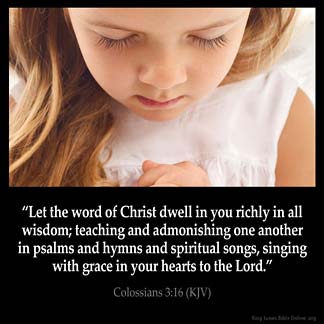
Colossians_3-16-3: Let the word of Christ dwell in you richly in all wisdom; teaching and admonishing one another in psalms and hymns and spiritual songs, singing with grace in your hearts to the Lord. God Answers Prayers

“Till he come” – Oh, let the words

Linger on the trembling chords;

Let the little while between

In their golden light be seen.

Let us think how Heav’n and home

Lie beyond that “Till He come.”

2:

When the weary ones we love,

Enter on their rest above,

Seems the earth so poor and vast?

All our life-joy overcast?

Hush! be every murmur dumb:

It is only “Till He come!”

3:

Clouds and conflicts round us press’d;

Would we have one sorrow less?

All the sharpness of the Cross,

All that tells the world is loss,

Death, and darkness, and the tomb,

Only whisper “Till He come.”

4:

See, the Feast of Love is spread,

Drink the Wine, and break the Bread;

Sweet memorials – till the Lord

Call us round His Heav’nly Board;

Some from earth, from glory some,

Severed only “Till He come.”

Thank You Jesus,

Salvation Prayers

If you don’t Know Jesus as your personal Lord and Saviour and would like to accept him into your life as your personal Lord and Saviour, Please say this prayer:

Father, I know that I have broken your laws and my sins have separated me from You. I am truly sorry, and now I want to turn away from my past sinful life toward You. Please forgive me, and help me avoid sinning again. I believe that Your son, Jesus Christ died for my sins, was resurrected from the dead, is alive, and hears my prayer. I invite Jesus to become the Lord of my life, to rule and reign in my heart from this day forward. Please send Your Holy Spirit to help me obey You, and to do Your Will for the rest of my life. In Jesus’ name I pray, Amen.

Support Our Ministry,

Good Morning Dear,

It cost a lot of money to maintain a website, Nonetheless a non-profit Christian website,

Please if you have been blessed by this ministry and you are led to support and bless this ministry in return,

Please make your donation to this account,

Chukwuemeka Obiorah Ogwo,

Account Number,0139438409,

Guaranty Trust Bank Plc Nigeria,

To help us continue in the spreading of The GOSPEL OF OUR LORD JESUS CHRIST to every corner of this world,

Thank You Very Much For Your Support,

May GOD, we Serve Bless You A Million Times in return, Amen,

May God Bless Israel, May God Bless Nigeria, May God Bless America And Take Care Of Us; May God Make His Face Shine Upon Us, And Be Gracious To Us; May The Lord Lift Up His Countenance Upon Us, And Give Us Peace, In Jesus Christ Name, We Pray! Amen!

May The Grace The Lord Jesus Christ, And The Love Of God, And The Fellowship Of The Holy Spirit Be With You All. Amen!

By Chukwuemeka Obiorah Ogwo,

Spiritual Exercise:

  1. What role do biblical interpretations of end times play in shaping American Christian views on current events and politics?
  2. How do different Christian denominations in the US interpret the concept of the “end times,” and what implications do these interpretations have for their followers?
  3. In what ways has the concept of eschatology influenced American culture, beyond religious contexts, such as in literature, film, or popular discourse?
  4. How do American eschatological beliefs intersect with or diverge from global eschatological traditions, particularly within Christianity?
  5. What impact do eschatological beliefs have on American attitudes toward environmental issues, such as climate change, and efforts toward sustainability?
  6. How have eschatological themes been used in American political rhetoric, and what effects do these themes have on policy-making or public opinion?
  7. What are the differences between premillennial, postmillennial, and amillennial views of the end times among US Christians, and how do these views affect their worldview?
  8. How do eschatological beliefs influence American views on social justice, morality, and ethical decision-making?
  9. In what ways do eschatological expectations shape the practices and teachings of US-based megachurches or influential Christian leaders?
  10. How do secular or non-religious eschatological perspectives (e.g., concerning technological singularity, ecological collapse) manifest in US culture, and what are their implications for society?
  11. What biblical teachings or scriptures are most relevant to the theme “Till Christ Comes,” and how do they shape Christian understanding of the period before Christ’s return?
  12. How do Christians practically live out their faith in anticipation of Christ’s return, and what role does hope play in their daily lives?
  13. In what ways can the theme “Till Christ Comes” influence a Christian’s perspective on time, stewardship, and the use of resources?
  14. How do different Christian denominations or interpretations view the signs or events that might precede Christ’s return, and what emphasis do they place on readiness?
  15. What is the relationship between the theme “Till Christ Comes” and the concept of living with expectancy or urgency in one’s faith journey?
  16. How can Christians balance living in the present world while also keeping their eyes on the future hope of Christ’s return without becoming overly focused on predicting the timing?
  17. What role does prayer play in the life of a Christian awaiting Christ’s return, and how can prayer shape one’s perspective on the future?
  18. How does the theme “Till Christ Comes” intersect with themes of justice, mercy, and love in Christian teachings and actions?
  19. In what ways can the anticipation of Christ’s return serve as a motivation for Christians to engage in mission, evangelism, or service to others?
  20. What significance does the phrase “Till He Come” hold in Christian eschatology, particularly in relation to the return of Christ?
  21. How can believers practically prepare for Christ’s return in their daily lives, and what spiritual disciplines are essential for this preparation?
  22. In what ways does the anticipation of Christ’s return influence a Christian’s perspective on time, priorities, and life decisions?
  23. How does the Bible instruct believers to live in the light of Christ’s return, and what promises or warnings are associated with this theme?
  24. What role does hope play in the life of a Christian awaiting Christ’s return, and how can this hope be nurtured and strengthened?
  25. How can Christians balance the expectation of Christ’s return with the need to live responsibly and productively in the present world?
  26. What are some key biblical passages or teachings that speak to the theme “Till He Come,” and how do they shape Christian understanding of the future?
  27. How can the promise of Christ’s return bring comfort, encouragement, or motivation to believers facing challenges or hardships?
  28. In what ways can the theme “Till He Come” inspire Christians to live with greater purpose, integrity, and faithfulness in their relationships and vocations?
  29. How can believers effectively share the message of Christ’s return with others, and what is the significance of this message in the context of evangelism and discipleship?
  30. What are some traditional hymns or worship songs that focus on the theme of the Second Coming, and how do they express anticipation or hope?
  31. How do hymns about the Second Coming reflect or shape Christian beliefs about the return of Christ and its significance?
  32. In what ways can music or hymns about the Second Coming inspire or encourage believers in their faith journey?
  33. What are some common themes or motifs in Second Coming hymns, such as watchfulness, readiness, or judgment?
  34. How have hymns about the Second Coming been used in different Christian traditions or denominations, and what role do they play in worship or liturgy?
  35. Can you identify any notable hymn writers or composers who have contributed to the tradition of Second Coming hymns?
  36. How do contemporary Christian musicians or worship leaders incorporate themes of the Second Coming into their music or worship services?
  37. What is the relationship between hymns about the Second Coming and the biblical teachings on Christ’s return, such as in the Gospels or Revelation?
  38. How can hymns about the Second Coming serve as a form of evangelism or outreach, communicating the message of Christ’s return to a wider audience?
  39. In what ways can the lyrics or message of Second Coming hymns be applied to everyday life, such as in times of trial, uncertainty, or joy?
  40. What biblical passages or scriptures are most relevant to the theme of Christ’s return, and how do they describe the event?
  41. How do different Christian denominations or interpretations view the timing and nature of Christ’s return, and what are the key differences?
  42. What role does the promise of Christ’s return play in Christian hope and motivation, and how can it shape daily life and decision-making?
  43. How can Christians practically prepare for Christ’s return, and what spiritual disciplines or practices are essential for readiness?
  44. What are some common signs or events that some Christians believe will precede Christ’s return, and how should believers respond to these signs?
  45. How does the theme of Christ’s return intersect with themes of judgment, accountability, and justice in Christian teachings?
  46. What is the relationship between Christ’s return and the concept of the “kingdom of God,” and how do Christians participate in advancing this kingdom?
  47. How can Christians balance the expectation of Christ’s return with the need to live responsibly and productively in the present world?
  48. What are some potential misconceptions or misunderstandings about Christ’s return, and how can Christians clarify or correct these misunderstandings?
  49. How can the promise of Christ’s return bring comfort, encouragement, or motivation to believers facing challenges, hardships, or persecution?
  50. What is the biblical foundation of Christian hope, and how does it differ from worldly or secular notions of hope?
  51. How does Christian hope influence a believer’s perspective on suffering, hardship, or adversity, and what role does faith play in navigating these challenges?
  52. In what ways can Christian hope be a source of comfort and strength for believers, particularly in times of uncertainty or fear?
  53. How does the promise of eternal life shape Christian hope, and what implications does this have for daily life and decision-making?
  54. What role does the resurrection of Jesus Christ play in Christian hope, and how does it demonstrate God’s power over sin and death?
  55. How can Christians cultivate and nurture hope in their daily lives, and what spiritual disciplines or practices can help sustain hope?
  56. In what ways can Christian hope be a witness to others, and how can believers share this hope with those around them?
  57. How does Christian hope intersect with themes of joy, peace, and perseverance in the face of challenges or difficulties?
  58. What are some potential obstacles or challenges to maintaining Christian hope, and how can believers overcome these obstacles?
  59. How can Christian hope shape a believer’s understanding of their purpose and identity, and what implications does this have for their relationships and vocation?
  60. What biblical descriptions or imagery are used to depict heaven as a heavenly home, and what do these descriptions reveal about God’s presence and character?
  61. How does the concept of a heavenly home influence a Christian’s perspective on their earthly life, priorities, and relationships?
  62. In what ways can the promise of a heavenly home bring comfort, hope, and encouragement to believers facing challenges or hardships?
  63. How does the Bible portray the relationship between believers and God in the heavenly home, and what kind of intimacy or fellowship can be expected?
  64. What role does the heavenly home play in Christian eschatology, and how does it relate to the return of Christ, resurrection, and final judgment?
  65. How can believers live in anticipation of their heavenly home, and what practices or disciplines can help them cultivate a heavenly perspective?
  66. In what ways can the concept of a heavenly home shape a Christian’s understanding of their identity, purpose, and values?
  67. How does the heavenly home intersect with themes of eternal worship, service, and community in Christian theology?
  68. What are some common misconceptions or misunderstandings about heaven as a heavenly home, and how can believers clarify or correct these misconceptions?
  69. How can the promise of a heavenly home inspire believers to live with greater love, joy, and generosity in their relationships and daily lives?
  70. What is the significance of a memorial feast in biblical contexts, and how is it used to commemorate important events or figures?
  71. How does the Lord’s Supper or Communion serve as a memorial feast for Christians, and what elements are typically included in its observance?
  72. In what ways can a memorial feast be a meaningful way to honor and remember loved ones who have passed away, and what traditions or practices are commonly observed?
  73. How do different cultures or communities celebrate memorial feasts, and what unique customs or rituals are associated with these events?
  74. What role does food play in memorial feasts, and how is it used to symbolize community, gratitude, or remembrance?
  75. How can memorial feasts be used to pass down traditions, stories, or values to future generations, and what is the importance of preserving these memories?
  76. What is the relationship between memorial feasts and the concept of legacy, and how can these events help shape a sense of identity or heritage?
  77. How can memorial feasts be a source of comfort and healing for those who are grieving, and what role do they play in the process of mourning?
  78. In what ways can memorial feasts be used to celebrate the life and accomplishments of notable figures or historical events, and what significance do these events hold?
  79. How can the practice of observing memorial feasts be adapted or applied in contemporary contexts, and what relevance do these events hold for modern communities?
  80. What is the significance of the Lord’s Supper in Christian worship and practice, and how is it observed in different traditions?
  81. How does the Bible describe the institution of the Lord’s Supper, and what elements are typically included in its observance?
  82. What is the relationship between the Lord’s Supper and the concept of remembrance, and how do Christians recall Christ’s sacrifice through this practice?
  83. How do different Christian denominations or interpretations view the nature and significance of the Lord’s Supper, and what are the key differences?
  84. What role does the Lord’s Supper play in fostering community and unity among believers, and how is it a symbol of their shared faith?
  85. How can Christians prepare themselves worthily to participate in the Lord’s Supper, and what spiritual practices or reflections can enhance their experience?
  86. What are some common practices or traditions associated with the Lord’s Supper, and how have they evolved over time?
  87. How does the Lord’s Supper relate to other Christian practices or sacraments, such as baptism or confession, and what is its place in the broader context of Christian worship?
  88. In what ways can the Lord’s Supper be a source of spiritual nourishment and growth for believers, and how does it sustain them in their faith journey?
  89. How can the Lord’s Supper be celebrated in a way that is both meaningful and reverent, and what considerations should be taken into account in planning or participating in this service?
  90. What are some biblical promises or teachings that can bring comfort to those experiencing grief, and how can they be applied in practical ways?
  91. How can Christians support and comfort one another in times of grief, and what role does community play in the healing process?
  92. In what ways can prayer, meditation, or reflection on Scripture provide comfort and solace to those who are grieving?
  93. How can the promise of eternal life and the hope of heaven bring comfort to believers who have lost loved ones, and what implications does this have for their perspective on death?
  94. What are some healthy ways to process and express emotions during the grieving process, and how can Christians balance lament with hope and trust in God?
  95. How can Christians honor and remember loved ones who have passed away, and what role do memorials, rituals, or traditions play in the grieving process?
  96. In what ways can grief be a catalyst for spiritual growth, and how can Christians learn to trust God more deeply in the midst of suffering?
  97. What are some common misconceptions or unhelpful messages that can be communicated to those who are grieving, and how can Christians respond in more loving and supportive ways?
  98. How can Christians care for those who are grieving in a way that is both compassionate and respectful of their pain, and what are some practical ways to offer support?
  99. In what ways can the comfort of God’s presence and love be experienced in the midst of grief, and how can Christians cultivate a deeper sense of God’s nearness in times of sorrow?
  100. What are some key biblical passages or books that contain end times prophecy, and how do they describe the events leading up to the return of Christ?
  101. How do different Christian interpretations view the timing and nature of the end times, and what are the main differences between premillennial, postmillennial, and amillennial views?
  102. What role does the book of Revelation play in end times prophecy, and how can its symbolism and imagery be understood in the context of Christian eschatology?
  103. How do end times prophecies in the Old Testament, such as those found in Daniel or Isaiah, relate to the New Testament teachings on the end times?
  104. What are some common themes or motifs in end times prophecy, such as judgment, redemption, or restoration, and how do they shape Christian understanding of the future?
  105. How can Christians balance a serious engagement with end times prophecy with a focus on living out their faith in the present moment?
  106. What is the relationship between end times prophecy and the concept of hope, and how can Christians cultivate a hopeful and faithful attitude in the face of uncertainty?
  107. How do different world events or trends, such as conflict, environmental degradation, or technological advancements, relate to end times prophecy, and what significance do they hold for Christian interpretation?
  108. What are some potential pitfalls or misconceptions in interpreting end times prophecy, and how can Christians approach these texts with discernment and humility?
  109. How can end times prophecy shape a Christian’s understanding of their purpose and mission in the world, and what implications does it have for evangelism, discipleship, and social engagement?
  110. What biblical promises or teachings provide hope for an eternal reunion with loved ones who have passed away, and how do these promises shape Christian understanding of death and the afterlife?
  111. How can the concept of an eternal reunion bring comfort and solace to those who are grieving, and what role does it play in the healing process?
  112. In what ways can the promise of an eternal reunion influence a Christian’s perspective on relationships and community in the present life?
  113. How does the Bible describe the nature of relationships in the afterlife, and what kind of reunion can believers expect with loved ones who have gone before them?
  114. What role does the resurrection of Jesus Christ play in the promise of an eternal reunion, and how does it demonstrate God’s power over death and the grave?
  115. How can Christians honor and remember loved ones who have passed away while still maintaining hope and focus on the promise of an eternal reunion?
  116. In what ways can the promise of an eternal reunion shape a Christian’s understanding of their identity and purpose, and what implications does it have for their daily life and decisions?
  117. How can the concept of an eternal reunion be a source of encouragement and motivation for believers who are facing challenges or hardships in their relationships or personal lives?
  118. What are some common misconceptions or misunderstandings about the afterlife and eternal reunion, and how can Christians clarify or correct these misconceptions?
  119. How can the promise of an eternal reunion inspire believers to live with greater love, compassion, and kindness towards others, and what implications does it have for their relationships and interactions with those around them?
  120. What role do worship songs play in Christian worship and spiritual practice, and how can they shape a believer’s heart and mind?
  121. How can worship songs be used to express a range of emotions, from joy and adoration to sorrow and repentance, and what are some examples of songs that do this effectively?
  122. What are some key biblical themes or motifs that are often explored in worship songs, and how do these songs help believers engage with Scripture?
  123. How can worship songs be used to foster a sense of community and unity among believers, and what are some benefits of singing together in worship?
  124. What are some characteristics of effective worship songs, and how can believers discern which songs are most helpful for their personal or corporate worship?
  125. How can worship songs be used to declare truth and remind believers of God’s character and promises, and what are some examples of songs that do this well?
  126. In what ways can worship songs be a form of prayer or declaration, and how can believers use them to express their thoughts, feelings, and intentions to God?
  127. How can worship songs be used to prepare believers for specific seasons or events in the church calendar, such as Advent or Lent, and what are some examples of songs that are particularly suited to these seasons?
  128. What is the relationship between worship songs and the presence of God, and how can believers cultivate a sense of awareness and reverence for God’s presence in their worship?
  129. How can worship songs be used to inspire and equip believers for mission and service, and what are some examples of songs that emphasize the importance of sharing the gospel or serving others?
  130. What is the biblical basis for Christian anticipation, and how does it shape a believer’s perspective on the future?
  131. How can Christians cultivate a sense of anticipation and expectation for the return of Jesus Christ, and what role does this play in their daily lives?
  132. In what ways can Christian anticipation be a source of hope and encouragement in the face of challenges or difficulties?
  133. How does the promise of eternal life and the hope of heaven influence Christian anticipation, and what implications does this have for daily life and decision-making?
  134. What role does prayer play in Christian anticipation, and how can believers use prayer to express their hopes and longings for the future?
  135. How can Christians balance anticipation for the future with responsibility for the present moment, and what are the implications for their relationships and priorities?
  136. In what ways can Christian anticipation shape a believer’s understanding of their purpose and mission in the world?
  137. How can Christians anticipate and prepare for the challenges and opportunities that lie ahead, while still trusting in God’s sovereignty and provision?
  138. What are some biblical examples or models of anticipation, such as the prophets or apostles, and how can believers learn from their examples?
  139. How can Christian anticipation be a witness to others, and what role does it play in sharing the gospel and inviting others to join in the hope of eternal life?
  140. What is a divine promise, and how does it manifest in the Bible, particularly in relation to God’s covenant with humanity?
  141. How do divine promises provide hope and assurance for believers, and what role do they play in shaping Christian faith and practice?
  142. What are some key examples of divine promises in the Bible, such as the promise of salvation, protection, or provision, and how do these promises impact believers’ lives?
  143. How can believers trust and rely on divine promises, even in the face of uncertainty or adversity?
  144. What is the relationship between divine promises and faith, and how do promises shape a believer’s understanding of God’s character and nature?
  145. How do divine promises relate to covenant theology, and what implications does this have for understanding God’s relationship with humanity?
  146. In what ways can divine promises be a source of comfort and strength for believers facing challenges or hardships?
  147. How can believers appropriate and apply divine promises in their daily lives, and what role does prayer play in claiming these promises?
  148. What are some common misconceptions or misunderstandings about divine promises, and how can believers approach these promises with discernment and wisdom?
  149. How do divine promises point to the ultimate fulfillment in Jesus Christ, and what role do they play in shaping a believer’s understanding of salvation and redemption?
  150. What is the biblical basis for the promise of Christ’s return, and how does this doctrine shape Christian hope and expectation?
  151. How can believers understand the different descriptions of Christ’s return in the Bible, such as the Second Coming or the Day of the Lord?
  152. What role does the return of Christ play in motivating believers to live with purpose, integrity, and faithfulness in their daily lives?
  153. How can believers balance the certainty of Christ’s return with the uncertainty of its timing, and what implications does this have for their priorities and decisions?
  154. What are some biblical teachings about the judgment that will accompany Christ’s return, and how can believers prepare themselves for this event?
  155. In what ways can the promise of Christ’s return bring comfort and hope to believers who are facing suffering, persecution, or hardship?
  156. How can believers understand the relationship between Christ’s return and the fulfillment of God’s plan for humanity, and what implications does this have for their understanding of history and purpose?
  157. What role does watchfulness and readiness play in the biblical teachings about Christ’s return, and how can believers cultivate these attitudes in their daily lives?
  158. How can believers share the hope of Christ’s return with others, and what role can this doctrine play in evangelism and mission?
  159. What are some practical ways that believers can live in light of Christ’s return, and how can this doctrine shape their relationships, priorities, and values?
  160. What is the biblical understanding of heaven, and how does it relate to God’s plan for humanity?
  161. How can believers understand the nature of heaven, including its relationship to God, angels, and redeemed humanity?
  162. What role does heaven play in Christian hope and expectation, and how does it shape believers’ perspectives on life and death?
  163. What are some biblical descriptions of heaven, and what do they reveal about its character and significance?
  164. How can believers cultivate a heavenly perspective on earth, and what implications does this have for their daily lives and priorities?
  165. What is the relationship between heaven and the new earth, and how will God’s people experience these realities in the future?
  166. How can believers use the promise of heaven to comfort and encourage one another, especially in times of suffering or loss?
  167. What are some common misconceptions or misunderstandings about heaven, and how can believers clarify the biblical teaching on this topic?
  168. How can believers live in light of the promise of heaven, and what role does this doctrine play in shaping their values, goals, and relationships?
  169. What are some ways that heaven will be different from our current experience, and how will believers’ experiences be transformed in the presence of God?
  170. What role does comfort play in the Christian life, and how can believers find solace in God’s presence and promises?
  171. How can believers comfort one another in times of suffering or loss, and what are some practical ways to show empathy and support?
  172. What are some biblical examples of God’s comfort and care for his people, and what can be learned from these stories?
  173. How can believers distinguish between God’s comfort and worldly comforts, and what implications does this have for their priorities and values?
  174. In what ways can the Holy Spirit provide comfort and guidance to believers, and how can they cultivate a deeper awareness of His presence?
  175. What role does prayer play in finding comfort and peace in God’s presence, and how can believers use prayer to cast their cares and concerns on Him?
  176. How can believers balance the need for comfort with the call to perseverance and resilience in the face of challenges and hardships?
  177. What are some ways that God’s Word provides comfort and encouragement to believers, and how can they use Scripture to comfort one another?
  178. How can believers find comfort in the promise of heaven and the eternal perspective, and what implications does this have for their daily lives?
  179. In what ways can believers extend God’s comfort to those around them, and what role can this play in evangelism and ministry to others?
  180. How can believers understand the role of sorrow in their lives, and what biblical examples illustrate its purpose and outcome?
  181. What are some ways that sorrow can lead to spiritual growth and transformation, and how can believers cultivate a healthy response to pain and loss?
  182. How can believers comfort one another in times of sorrow, and what role does empathy and compassion play in this process?
  183. What is the relationship between sorrow and repentance, and how can believers use times of sorrow to draw closer to God and seek forgiveness?
  184. How can believers balance the need to grieve and process sorrow with the call to hope and joy in the Lord, and what biblical promises can sustain them in times of pain?
  185. What are some biblical examples of individuals who experienced deep sorrow, and what can be learned from their experiences and responses?
  186. How can believers use the Psalms and other biblical laments to express their sorrow and find comfort in God’s presence?
  187. What role does prayer play in times of sorrow, and how can believers use prayer to pour out their hearts to God and seek His comfort and guidance?
  188. How can believers find hope and comfort in the promise of eternal life and the future resurrection, even in the midst of sorrow and loss?
  189. What are some practical ways that believers can care for those who are experiencing sorrow, and how can they provide emotional and spiritual support?
  190. What role does remembrance play in the Christian life, and how can believers intentionally remember God’s works and promises?
  191. How can believers use biblical practices like the Lord’s Supper to remember Christ’s sacrifice and teachings?
  192. What are some ways that remembrance can shape believers’ understanding of their identity and purpose in Christ?
  193. How can believers balance remembering past experiences and lessons with living in the present and looking forward to the future?
  194. What is the significance of memorials and commemorations in the Bible, and how can believers apply these concepts in their own lives?
  195. How can believers use remembrance to cultivate gratitude and praise for God’s goodness and faithfulness?
  196. What role does memory play in spiritual growth and formation, and how can believers intentionally cultivate memories that honor God?
  197. How can believers remember and honor the legacy of those who have gone before them in the faith?
  198. What are some ways that remembrance can be a form of worship and obedience to God, and how can believers incorporate remembrance into their daily lives?
  199. How can believers use storytelling and testimony to remember and share God’s works in their lives, and what impact can this have on others?
  200. How can believers understand and process loss in their lives, and what role does faith play in coping with grief?
  201. What are some ways that loss can shape a believer’s perspective on life, death, and eternity?
  202. How can believers support one another in times of loss, and what are some practical ways to offer comfort and care?
  203. What is the relationship between loss and spiritual growth, and how can believers use times of loss to deepen their faith and dependence on God?
  204. How can believers find hope and comfort in the promise of eternal life and the resurrection, even in the midst of loss and grief?
  205. What are some biblical examples of individuals who experienced significant loss, and what can be learned from their experiences and responses?
  206. How can believers balance the need to grieve and process loss with the call to trust and surrender to God’s sovereignty?
  207. What role does prayer play in times of loss, and how can believers use prayer to express their emotions and seek God’s comfort and guidance?
  208. How can believers care for those who are experiencing ongoing or cumulative loss, such as chronic illness or repeated trauma?
  209. What are some ways that loss can impact a believer’s relationships and community, and how can they navigate these changes in a way that honors God?
  210. What is the significance of the Eucharist in Christian worship, and how does it relate to the life and teachings of Jesus Christ?
  211. How do different Christian traditions understand and celebrate the Eucharist, and what are the key similarities and differences?
  212. What role does the Eucharist play in fostering unity and community among believers, and how can it shape their relationships with one another?
  213. How can believers prepare themselves to participate meaningfully in the Eucharist, and what are some common practices or rituals that can enhance their experience?
  214. What is the relationship between the Eucharist and the sacrifice of Christ, and how do believers understand the presence of Christ in the sacrament?
  215. How can the Eucharist be a source of spiritual nourishment and growth for believers, and what role does it play in their ongoing discipleship?
  216. What are some biblical and historical roots of the Eucharist, and how have they shaped its practice and significance in Christian worship?
  217. How can believers balance the sacramental and symbolic aspects of the Eucharist, and what implications does this have for their understanding and participation?
  218. What role does the Eucharist play in Christian mission and outreach, and how can it be used to welcome and incorporate new believers into the community?
  219. How can believers integrate the Eucharist into their daily lives, and what impact can it have on their relationships, values, and priorities?
  220. What does the Bible teach about eternity, and how does this shape believers’ understanding of their purpose and destiny?
  221. How can believers live with an eternal perspective, and what implications does this have for their daily lives and priorities?
  222. What is the relationship between eternity and the human soul, and what does the Bible say about the nature of eternal life?
  223. How can believers find hope and comfort in the promise of eternal life, especially in times of suffering or loss?
  224. What role does eternity play in motivating believers to live with purpose and integrity, and how can they cultivate a sense of eternal significance?
  225. How can believers understand and explain the concept of heaven and hell, and what implications does this have for their evangelism and outreach?
  226. What are some biblical descriptions of eternal life, and what do they reveal about God’s plans and purposes for humanity?
  227. How can believers balance their focus on eternity with their responsibilities and relationships in the present world?
  228. What role does the promise of eternity play in shaping believers’ values and priorities, and how can they live in light of this promise?
  229. How can believers use the hope of eternity to comfort and encourage one another, especially in times of grief or hardship?
  230. What does it mean to be faithful in one’s relationship with God, and how can believers demonstrate their faithfulness in daily life?
  231. How can believers cultivate faithfulness in their relationships with others, and what role does commitment play in building strong, lasting bonds?
  232. What are some biblical examples of faithfulness, and what can be learned from the experiences of faithful individuals in the Bible?
  233. How can believers remain faithful in times of trial or hardship, and what role does perseverance play in maintaining faithfulness?
  234. What is the relationship between faithfulness and obedience, and how can believers demonstrate their faithfulness through obedience to God’s commands?
  235. How can believers forgive and restore relationships when faithfulness has been broken, and what role does grace play in the process of healing and restoration?
  236. What role does faithfulness play in building trust and credibility in relationships, and how can believers demonstrate their faithfulness in their words and actions?
  237. How can believers prioritize faithfulness in their lives, and what are some practical steps they can take to cultivate faithfulness in their relationships and daily life?
  238. What are some challenges to faithfulness that believers may face, and how can they overcome these challenges and remain faithful to God and others?
  239. How can believers celebrate and honor faithfulness in their lives and in the lives of others, and what role does gratitude play in recognizing and responding to faithfulness?
  240. What role have American church hymns played in shaping the country’s Christian heritage and worship practices?
  241. How have American church hymns reflected the country’s cultural and historical context, and what themes do they often emphasize?
  242. What are some classic American church hymns that have been widely sung and cherished, and what is their enduring appeal?
  243. How have American church hymns been influenced by various musical styles and traditions, such as gospel, folk, and classical music?
  244. What is the significance of hymn writers like Fanny Crosby, Isaac Watts, and Charles Wesley in the history of American church hymns?
  245. How have American church hymns been used in worship services, revivals, and other Christian gatherings throughout history?
  246. What role do American church hymns play in expressing and reinforcing Christian doctrine and theology?
  247. How have American church hymns been adapted and arranged for different instruments and vocal styles, and what impact has this had on their popularity and relevance?
  248. What are some contemporary American church hymns that are popular today, and how do they reflect current trends and themes in Christian worship?
  249. How can American church hymns be used to teach and reinforce biblical values and principles, and what role can they play in discipleship and spiritual formation?
  250. How does the Bible describe God’s love for humanity, and what are the implications of this love for believers’ lives?
  251. What role does divine love play in shaping believers’ understanding of God’s character and nature?
  252. How can believers experience and respond to God’s love in their daily lives, and what practices can help them cultivate a deeper awareness of this love?
  253. What is the relationship between divine love and forgiveness, and how can believers extend God’s love and forgiveness to others?
  254. How does divine love intersect with justice and mercy, and what implications does this have for believers’ relationships and interactions with others?
  255. What are some biblical examples of God’s love being demonstrated in the lives of individuals or communities, and what can be learned from these examples?
  256. How can believers balance the concept of God’s love with the reality of suffering and hardship in the world?
  257. What role does divine love play in believers’ identity and sense of purpose, and how can they live out this love in their relationships and vocations?
  258. How can believers communicate and demonstrate God’s love to those who may not know Him, and what role does evangelism play in sharing this love with others?
  259. What are some ways that divine love can be expressed and experienced in community, and how can believers support and encourage one another in this love?
  260. What are some common elements and practices in US Christian worship services, and how do they vary across different denominations and traditions?
  261. How has contemporary Christian music influenced worship in US churches, and what are the benefits and challenges of this trend?
  262. What role does liturgy play in US Christian worship, and how can it shape the spiritual lives of believers?
  263. How can US Christians incorporate biblical teachings and principles into their worship practices, and what impact can this have on their spiritual growth?
  264. What are some ways that US churches can make worship more accessible and engaging for people of different ages, backgrounds, and abilities?
  265. How has technology impacted US Christian worship, and what are the benefits and drawbacks of using digital tools and platforms in worship services?
  266. What is the relationship between worship and community in US churches, and how can worship practices foster a sense of belonging and connection among believers?
  267. How can US Christians balance the need for structured worship with the desire for spontaneity and flexibility in their worship services?
  268. What role does cultural context play in shaping US Christian worship practices, and how can churches contextualize worship in a way that is both authentic and respectful?
  269. How can US churches prioritize worship that is both God-centered and people-focused, and what are the implications of this approach for their ministry and mission?
  270. What role do communion hymns play in the celebration of the Lord’s Supper, and how do they enhance the worship experience?
  271. What are some classic communion hymns that have been used in Christian worship for centuries, and what is their significance?
  272. How can communion hymns help believers reflect on the meaning and significance of the Lord’s Supper, and what themes do they often emphasize?
  273. What are some ways that communion hymns can be used to prepare believers for partaking in the Lord’s Supper, and how can they shape the congregation’s understanding of this sacrament?
  274. How can the lyrics of communion hymns be used to proclaim the gospel and celebrate the sacrifice of Christ, and what role do they play in corporate worship?
  275. What are some contemporary communion hymns that are popular in modern worship, and how do they express the significance of the Lord’s Supper?
  276. How can communion hymns be used to foster a sense of unity and community among believers as they participate in the Lord’s Supper?
  277. What is the relationship between communion hymns and the biblical accounts of the Last Supper, and how do they draw on these narratives to shape the worship experience?
  278. How can communion hymns be selected and arranged to complement the liturgy and worship service, and what considerations should be taken into account?
  279. What role do communion hymns play in helping believers remember Christ’s sacrifice and presence in their lives, and how can they be used to cultivate a deeper devotion to Christ?
  280. What is the biblical definition of hope, and how does it differ from worldly or human perspectives on hope?
  281. How can Christians cultivate and nurture hope in their daily lives, particularly in the face of challenges or difficulties?
  282. What role does hope play in the Christian faith, and how does it relate to other key virtues such as faith and love?
  283. How can hope be a source of comfort and strength for believers who are facing uncertainty, adversity, or suffering?
  284. What are some biblical examples or models of hope, such as the stories of Abraham or Job, and what can believers learn from these examples?
  285. How can hope shape a believer’s perspective on the future, and what implications does this have for their decisions and priorities?
  286. In what ways can hope be a witness to others, and how can believers share their hope with those around them?
  287. How can believers balance hope for the future with responsibility for the present moment, and what are the implications for their relationships and priorities?
  288. What is the relationship between hope and perseverance, and how can believers cultivate a hopeful and resilient attitude in the face of challenges?
  289. How does the promise of eternal life and the return of Jesus Christ shape a believer’s hope, and what implications does this have for their daily life and priorities?
  290. What are some common causes of severed relationships, and how can individuals or communities work towards healing and restoration?
  291. How can believers respond to situations where relationships have been severed, and what role can prayer and support play in the healing process?
  292. What are some biblical examples of severed relationships, and what can be learned from these stories about forgiveness, reconciliation, and restoration?
  293. In what ways can severed relationships impact a person’s emotional and spiritual well-being, and how can they seek support and care during these times?
  294. How can individuals or communities work towards forgiveness and reconciliation in situations where relationships have been severed?
  295. What role can counseling or therapy play in helping individuals cope with the aftermath of a severed relationship?
  296. How can believers maintain their faith and trust in God when faced with severed relationships or difficult circumstances?
  297. What are some practical steps that can be taken to rebuild trust and work towards reconciliation in a severed relationship?
  298. How can severed relationships be a catalyst for personal growth and spiritual development?
  299. What is the relationship between severed relationships and the concept of forgiveness, and how can believers cultivate a spirit of forgiveness in difficult circumstances?
  300. What does the phrase “hush murmur” suggest about the nature of communication or expression, and how can it relate to personal or spiritual growth?
  301. In what ways can murmuring or complaining impact relationships or communities, and how can believers work towards more positive and uplifting interactions?
  302. What are some biblical examples of murmuring or complaining, and what can be learned from these stories about trust, faith, and obedience?
  303. How can believers cultivate a spirit of gratitude and contentment, even in difficult circumstances, and what role can prayer and reflection play in this process?
  304. What is the relationship between murmuring and trust in God’s sovereignty and goodness, and how can believers learn to trust God’s plan and timing?
  305. How can believers respond to situations that might trigger murmuring or complaining, and what are some healthy ways to express concerns or frustrations?
  306. In what ways can a “hush” or quietness of spirit be beneficial for personal reflection, prayer, or meditation, and how can believers cultivate this kind of stillness?
  307. What role does self-awareness play in recognizing and addressing patterns of murmuring or complaining, and how can believers work towards greater self-awareness and personal growth?
  308. How can communities or relationships be impacted by a culture of murmuring or complaining, and what steps can be taken to foster a more positive and supportive environment?
  309. What are some practical strategies for shifting from a mindset of murmuring to one of gratitude and trust, and how can believers support one another in this process?
  310. What does the phrase “hush murmur” suggest about the nature of communication or expression, and how can it relate to personal or spiritual growth?
  311. In what ways can murmuring or complaining impact relationships or communities, and how can believers work towards more positive and uplifting interactions?
  312. What are some biblical examples of murmuring or complaining, and what can be learned from these stories about trust, faith, and obedience?
  313. How can believers cultivate a spirit of gratitude and contentment, even in difficult circumstances, and what role can prayer and reflection play in this process?
  314. What is the relationship between murmuring and trust in God’s sovereignty and goodness, and how can believers learn to trust God’s plan and timing?
  315. How can believers respond to situations that might trigger murmuring or complaining, and what are some healthy ways to express concerns or frustrations?
  316. In what ways can a “hush” or quietness of spirit be beneficial for personal reflection, prayer, or meditation, and how can believers cultivate this kind of stillness?
  317. What role does self-awareness play in recognizing and addressing patterns of murmuring or complaining, and how can believers work towards greater self-awareness and personal growth?
  318. How can communities or relationships be impacted by a culture of murmuring or complaining, and what steps can be taken to foster a more positive and supportive environment?
  319. What are some practical strategies for shifting from a mindset of murmuring to one of gratitude and trust, and how can believers support one another in this process?
  320. What role does thinking about heaven play in a believer’s daily life, and how can it shape their perspective on challenges and difficulties?
  321. How can the promise of heaven and eternal life influence a believer’s priorities, values, and decisions?
  322. In what ways can thinking about heaven bring comfort and hope to believers who are facing suffering, loss, or hardship?
  323. What are some biblical descriptions of heaven, and what do they reveal about God’s character and plan for humanity?
  324. How can believers cultivate a heavenly perspective or mindset, and what implications does this have for their relationships and interactions with others?
  325. What is the relationship between thinking about heaven and living a life of purpose and meaning, and how can believers align their daily lives with their eternal hopes?
  326. How can the promise of heaven and the return of Jesus Christ motivate believers to live with greater love, compassion, and kindness towards others?
  327. In what ways can thinking about heaven shape a believer’s understanding of their identity and purpose, and what implications does this have for their daily life and decisions?
  328. How can believers balance their focus on eternal life with their responsibilities and obligations in the present moment?
  329. What are some practical ways that believers can keep their minds focused on heavenly things, and how can they prioritize their thoughts and affections on what is eternal and lasting?
  330. What is the significance of feasts in the Bible, and how did they shape the spiritual and cultural practices of God’s people?
  331. How can the concept of a feast be applied spiritually to a believer’s relationship with God, and what role can celebration and thanksgiving play in their faith?
  332. What are some biblical examples of feasts, such as the Passover or the Feast of Tabernacles, and what can be learned from these examples about God’s character and plan?
  333. In what ways can feasts or celebrations be used to bring people together and foster community, and what role can they play in building relationships and promoting unity?
  334. How can believers “see” or perceive the spiritual significance of feasts, and what role can symbolism and ritual play in deepening their understanding of God’s truth?
  335. What is the relationship between feasts and gratitude, and how can believers cultivate a spirit of thanksgiving and celebration in their daily lives?
  336. How can the idea of a feast be applied to the believer’s experience of God’s presence and provision, and what role can worship and praise play in this experience?
  337. In what ways can feasts or celebrations be a witness to others, and how can believers use these occasions to share their faith and invite others to join in the celebration?
  338. What are some ways that believers can commemorate or celebrate significant events or milestones in their lives, and how can these celebrations be used to honor God and express gratitude?
  339. How can the concept of a heavenly feast or banquet shape a believer’s perspective on the future, and what implications does this have for their daily life and priorities?
  340. What is the significance of breaking bread in the Bible, and how is it used as a symbol of community, hospitality, and fellowship?
  341. How can believers “break bread” together in a spiritual sense, and what role can shared meals play in building relationships and fostering unity?
  342. What are some biblical examples of breaking bread, such as the Last Supper or the Emmaus road encounter, and what can be learned from these examples about Jesus’ presence and ministry?
  343. In what ways can sharing meals or breaking bread with others be a form of witness or ministry, and how can believers use these opportunities to share their faith and build connections?
  344. How can believers make breaking bread a regular part of their spiritual practice, and what benefits can come from sharing meals together in a spirit of gratitude and fellowship?
  345. What role does bread play as a symbol in the Bible, and how can believers apply the spiritual significance of bread to their daily lives?
  346. How can breaking bread be a way to show hospitality and kindness to others, and what are some practical ways that believers can extend hospitality through shared meals?
  347. In what ways can the act of breaking bread be a reminder of Jesus’ sacrifice and provision, and how can believers cultivate a spirit of gratitude and remembrance in their daily lives?
  348. How can believers balance the physical and spiritual aspects of breaking bread, and what role can prayer and thanksgiving play in making meals a sacred experience?
  349. What are some ways that believers can incorporate the practice of breaking bread into their community life, and how can this practice shape their relationships and sense of belonging?
  350. What is the significance of communion in Christian worship, and how does it relate to the life, death, and resurrection of Jesus Christ?
  351. How can believers understand the bread and cup in communion, and what do they represent in terms of Christ’s body and blood?
  352. What role does communion play in fostering unity and fellowship among believers, and how can it shape their relationships with one another?
  353. How can believers prepare themselves to participate in communion in a meaningful way, and what role does self-reflection and repentance play in this preparation?
  354. What are some biblical and historical roots of communion, and how has the practice evolved over time in different Christian traditions?
  355. In what ways can communion be a source of comfort and strength for believers, and how can it remind them of God’s presence and provision in their lives?
  356. How can believers balance the symbolic and spiritual aspects of communion, and what role does faith play in their participation in this sacrament?
  357. What are some ways that communion can be celebrated and observed in different contexts, and how can believers make it a meaningful and transformative experience?
  358. How can communion shape a believer’s understanding of their identity and relationship with Christ, and what implications does this have for their daily life and decisions?
  359. What is the relationship between communion and community, and how can believers use this practice to build up and edify one another in their faith?
  360. What is the significance of wine in biblical contexts, and how is it used symbolically in relation to joy, abundance, and spiritual themes?
  361. How can believers understand the role of wine in the Last Supper, and what implications does this have for their understanding of communion and Christ’s sacrifice?
  362. In what ways can wine be a symbol of celebration and joy in biblical contexts, and how can believers apply this theme to their own lives and experiences?
  363. What are some biblical warnings or cautions related to wine consumption, and how can believers approach this topic with wisdom and discernment?
  364. How can believers balance the cultural and biblical significance of wine with the potential risks and consequences of excessive consumption?
  365. What role does wine play in biblical hospitality and welcoming others, and how can believers use shared meals and drinks to build relationships and show kindness?
  366. In what ways can wine be used metaphorically in biblical language, and what spiritual truths or themes can be conveyed through these metaphors?
  367. How can believers understand the connection between wine and the blood of Christ in communion, and what implications does this have for their faith and practice?
  368. What are some ways that wine has been used in Christian tradition and liturgy, and how can believers appreciate its significance in these contexts?
  369. How can believers approach discussions about wine and its role in Christian practice with sensitivity and respect for differing perspectives and traditions?
  370. What role does meditation on God’s Word play in a believer’s spiritual growth and development?
  371. How can believers “linger” on Scripture, and what practices can help them reflect deeply on biblical truths?
  372. In what ways can lingering on words of Scripture bring comfort, guidance, and wisdom to believers in their daily lives?
  373. What are some biblical examples of characters who lingered on God’s words or promises, and what can be learned from their experiences?
  374. How can believers balance lingering on Scripture with the need for action and obedience in their lives?
  375. What role does the Holy Spirit play in helping believers understand and apply Scripture as they linger on its words?
  376. How can believers cultivate a deeper love for God’s Word and a desire to linger on its teachings?
  377. In what ways can lingering on Scripture shape a believer’s thoughts, emotions, and actions, and what implications does this have for their relationships and witness?
  378. What are some practical ways that believers can incorporate lingering on Scripture into their daily routines and devotional practices?
  379. How can believers use different methods, such as journaling or memorization, to linger on Scripture and deepen their understanding of its truths?
  380. What role do funeral songs play in Christian worship and mourning, and how can they provide comfort and hope to those who are grieving?
  381. What are some classic Christian hymns or songs that are commonly used in funeral services, and what is their significance?
  382. How can Christian funeral songs reflect the deceased person’s life, faith, and legacy, and what role can personalization play in the selection of music?
  383. What are some contemporary Christian songs that are popular for funerals, and how do they express hope and comfort in the face of death?
  384. How can Christian funeral songs help to communicate the gospel and offer hope to those who are mourning, and what role can music play in evangelism in this context?
  385. What is the significance of songs about resurrection, eternal life, and heaven in Christian funerals, and how do they shape the mourner’s perspective on death?
  386. How can Christian funeral songs be used to celebrate the life of the deceased while also acknowledging the pain of loss and grief?
  387. What role does music play in the healing process for those who are grieving, and how can Christian funeral songs contribute to this process?
  388. How can Christian funeral songs be selected to reflect the family’s or deceased person’s faith, values, and musical preferences?
  389. What are some ways that Christian funeral songs can be incorporated into a funeral service or memorial, and what considerations should be taken into account when choosing music for a funeral?

Hymn 615. Come, ye thankful people, come


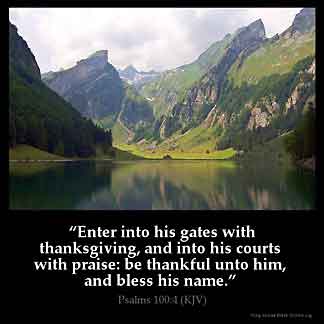
Psalms_100-4: Enter into his gates with thanksgiving, and into his courts with praise: be thankful unto him, and bless his name.

Come, ye thankful people, come,

Raise the song of harvest home:

All is safely gathered in,

Ere the winter storms begin;

God our maker doth provide

For our wants to be supplied;

Come to God’s own temple, come,

Raise the song of harvest home!

2:

For the Lord our God shall come,

And shall take His harvest Home;

From His field shall in that day

All offences purge away;

Give His angels charge at last

In the fire the tares to cast;

But the fruitful ears to store

In His gamer evermore.

3:

Even so, Lord, quickly come;

To Thy final Harvest-home,

Gather Thou Thy people in,

Free from sorrow, free from sin;

There forever purified,

In Thy presence to abide:

Come, with all Thine angels, come;

Raise the glorious Harvest home.

Thank You Jesus,

Salvation Prayers

If you don’t Know Jesus as your personal Lord and Saviour and would like to accept him into your life as your personal Lord and Saviour, Please say this prayer:

Father, I know that I have broken your laws and my sins have separated me from You. I am truly sorry, and now I want to turn away from my past sinful life toward You. Please forgive me, and help me avoid sinning again. I believe that Your son, Jesus Christ died for my sins, was resurrected from the dead, is alive, and hears my prayer. I invite Jesus to become the Lord of my life, to rule and reign in my heart from this day forward. Please send Your Holy Spirit to help me obey You, and to do Your Will for the rest of my life. In Jesus’ name I pray, Amen.

Support Our Ministry,

Good Morning Dear,

It cost a lot of money to maintain a website, Nonetheless a non-profit Christian website,

Please if you have been blessed by this ministry and you are led to support and bless this ministry in return,

Please make your donation to this account,

Chukwuemeka Obiorah Ogwo,

Account Number,0139438409,

Guaranty Trust Bank Plc Nigeria,

To help us continue in the spreading of The GOSPEL OF OUR LORD JESUS CHRIST to every corner of this world,

Thank You Very Much For Your Support,

May GOD, we Serve Bless You A Million Times in return, Amen,

May God Bless Israel, May God Bless Nigeria, May God Bless America And Take Care Of Us; May God Make His Face Shine Upon Us, And Be Gracious To Us; May The Lord Lift Up His Countenance Upon Us, And Give Us Peace, In Jesus Christ Name, We Pray! Amen!

May The Grace The Lord Jesus Christ, And The Love Of God, And The Fellowship Of The Holy Spirit Be With You All. Amen!

By Chukwuemeka Obiorah Ogwo,

Spiritual Exercise:

  1. What does it mean to seek peace, and how can we prioritize it in our lives?
  2. How can we cultivate inner peace and calm in the midst of chaos or stress?
  3. What role does forgiveness play in seeking peace with others?
  4. How can we promote peace in our relationships and communities?
  5. What biblical examples illustrate the importance of seeking peace, such as the teachings of Jesus or the writings of Paul?
  6. How can we balance seeking peace with standing up for justice or righteousness?
  7. What are some practical ways to seek peace in conflict or difficult situations?
  8. How can prayer, meditation, or reflection help us seek peace?
  9. What impact can seeking peace have on our mental and emotional well-being?
  10. How can we prioritize peace in our interactions with others, even when it’s challenging?
  11. What are some traditional harvest celebrations in the United States, such as Thanksgiving?
  12. How do Americans typically celebrate harvest seasons, and what foods are often associated with these celebrations?
  13. What role do harvest festivals play in American culture and community life?
  14. How has the way Americans celebrate harvests changed over time?
  15. What are some regional harvest celebrations or traditions unique to specific parts of the United States?
  16. How do harvest celebrations in the USA reflect the country’s agricultural heritage?
  17. What impact do harvest celebrations have on local economies and communities?
  18. How do Americans express gratitude during harvest celebrations, and what values are emphasized?
  19. What are some popular activities or events associated with harvest festivals in the USA?
  20. How can harvest celebrations promote unity, appreciation, and connection to nature and community?
  21. What are some common elements of American Christian worship services, such as music or prayer?
  22. How do different Christian denominations in the USA approach worship, and what unique traditions do they have?
  23. What role does music play in American Christian worship, and how has it evolved over time?
  24. How do American Christians incorporate scripture and biblical teachings into their worship practices?
  25. What impact does worship have on the spiritual lives of American Christians?
  26. How do American Christians celebrate major holidays like Christmas and Easter in their worship services?
  27. What are some contemporary trends or innovations in American Christian worship?
  28. How do American Christians balance traditional and contemporary elements in their worship practices?
  29. What role does community play in American Christian worship, and how do worship services foster a sense of belonging?
  30. How do American Christians express their faith and worship in diverse cultural contexts?
  31. What are some classic traditional hymns commonly sung in American churches?
  32. How have traditional hymns shaped American Christian worship and culture?
  33. What role do hymns like “Amazing Grace” or “Great Is Thy Faithfulness” play in American Christian heritage?
  34. How have traditional hymns been passed down through generations in American churches?
  35. What are some distinctive characteristics of traditional American hymns, such as lyrical themes or musical styles?
  36. How do traditional hymns reflect American Christian values and theology?
  37. What impact do traditional hymns have on the spiritual lives of American Christians?
  38. How have traditional hymns influenced contemporary Christian music in the USA?
  39. What are some challenges or benefits of incorporating traditional hymns into modern worship services?
  40. How can traditional hymns continue to be relevant and meaningful in contemporary American Christian worship?
  41. How can faith influence our perspective on the future and its uncertainties?
  42. What role does trust in God’s plan play in shaping our hopes and dreams for the future?
  43. How can we balance planning for the future with trusting in God’s sovereignty?
  44. What biblical promises or teachings offer guidance and encouragement for navigating the future?
  45. How can faith help us cope with uncertainty, fear, or anxiety about the future?
  46. What impact can having a strong faith have on our goals, aspirations, and decision-making for the future?
  47. How can we cultivate a sense of hope and optimism about the future through our faith?
  48. What are some ways to seek God’s guidance and wisdom when making decisions about the future?
  49. How can faith communities support and encourage one another in navigating the future?
  50. What is the relationship between faith, perseverance, and resilience in the face of future challenges?
  51. What role do songs play in enhancing the worship experience in church services?
  52. How do church service songs reflect the theology and values of a particular congregation or denomination?
  53. What are some popular contemporary Christian songs commonly sung in church services?
  54. How can church service songs foster a sense of community and unity among worshipers?
  55. What impact do lyrics and music have on the spiritual experience of church service attendees?
  56. How do different styles of music (e.g., traditional hymns, modern worship songs) influence the atmosphere of a church service?
  57. What criteria should be considered when selecting songs for a church service?
  58. How can church service songs be used to teach biblical truths and promote spiritual growth?
  59. What role do church service songs play in special services or events, such as Christmas or Easter?
  60. How can churches balance tradition and innovation in their selection of service songs?
  61. What themes are commonly explored in harvest hymns, such as gratitude or abundance?
  62. How do harvest hymns reflect the agricultural heritage of a community or culture?
  63. What are some classic examples of harvest hymns, and what makes them enduring?
  64. How can harvest hymns be used to express thanksgiving for the blessings of nature and life?
  65. What role do harvest hymns play in autumnal or Thanksgiving services and celebrations?
  66. How do harvest hymns incorporate biblical teachings or imagery related to harvest and provision?
  67. What impact can singing harvest hymns have on a congregation’s sense of community and gratitude?
  68. How can harvest hymns be adapted or arranged for different musical styles or instrumentation?
  69. What are some ways to incorporate harvest hymns into worship services or special events?
  70. How do harvest hymns connect people to the natural world and the cycles of nature?
  71. What biblical teachings or principles underlie the concept of thanksgiving in Christianity?
  72. How do Christians express gratitude to God for His blessings and provision?
  73. What role does prayer play in Christian thanksgiving, and how can it be cultivated?
  74. How can Christians balance gratitude for blessings received with humility and recognition of God’s sovereignty?
  75. What impact can a spirit of thanksgiving have on a Christian’s relationships and daily life?
  76. How do Christians celebrate Thanksgiving in ways that honor God and reflect their faith?
  77. What are some biblical examples or stories that illustrate the importance of thanksgiving?
  78. How can Christians incorporate thanksgiving into their worship services and community gatherings?
  79. What are some ways Christians can express gratitude to God for His love, mercy, and grace?
  80. How can a focus on thanksgiving help Christians navigate challenges or difficulties with a positive and faithful attitude?
  81. What is the significance of the hymn “Come Ye Thankful People” in Christian worship?
  82. How does the hymn’s lyrics reflect themes of gratitude, harvest, and God’s provision?
  83. What role does “Come Ye Thankful People” play in autumnal or Thanksgiving services?
  84. How can singing “Come Ye Thankful People” foster a sense of community and shared gratitude?
  85. What biblical imagery or references are present in the hymn’s lyrics?
  86. How does the hymn’s message of thanksgiving relate to everyday life and experiences?
  87. What are some ways to incorporate “Come Ye Thankful People” into worship services or special events?
  88. How can the hymn’s emphasis on gratitude impact a congregation’s perspective on blessings and challenges?
  89. What is the historical context and background of the hymn “Come Ye Thankful People”?
  90. How can “Come Ye Thankful People” be used to teach children or new believers about the importance of gratitude in the Christian life?
  91. What biblical examples illustrate God’s provision for His people, such as manna in the wilderness or Jesus feeding the 5,000?
  92. How can we trust in God’s provision during times of uncertainty or financial struggle?
  93. What role does prayer play in seeking God’s provision and guidance?
  94. How can we recognize and acknowledge God’s provision in our daily lives?
  95. What is the relationship between God’s provision and our responsibility to steward resources wisely?
  96. How can faith in God’s provision impact our perspective on material possessions and wealth?
  97. What promises or teachings in the Bible offer encouragement and hope regarding God’s provision?
  98. How can we balance trusting in God’s provision with taking practical steps to achieve our goals?
  99. What impact can a deepening trust in God’s provision have on our sense of peace and contentment?
  100. How can we teach children or others about God’s provision and its significance in the Christian life?
  101. What biblical teachings or prophecies relate to Christ’s return, and how do they shape Christian hope and expectation?
  102. How can Christians live in anticipation of Christ’s return, and what implications does this have for daily life?
  103. What role does the promise of Christ’s return play in encouraging perseverance and faithfulness in the face of challenges?
  104. How do different Christian traditions or interpretations understand the events surrounding Christ’s return?
  105. What impact can the expectation of Christ’s return have on a Christian’s priorities, values, and relationships?
  106. How can Christians balance living in the present with living in light of Christ’s future return?
  107. What biblical exhortations or warnings are given to Christians regarding readiness for Christ’s return?
  108. How can the promise of Christ’s return bring comfort, hope, and motivation to Christians in difficult circumstances?
  109. What is the relationship between Christ’s return and the ultimate fulfillment of God’s plan for humanity?
  110. How can Christians share the hope of Christ’s return with others, and what role does evangelism play in light of this promise?
  111. What biblical imagery or symbolism is associated with the concept of a final harvest?
  112. How does the idea of a final harvest relate to God’s judgment and accountability?
  113. What role does the final harvest play in Christian eschatology and end-times teachings?
  114. How can the concept of a final harvest encourage Christians to live faithfully and productively?
  115. What are some biblical warnings or exhortations related to the final harvest?
  116. How does the promise of a final harvest impact a Christian’s perspective on their life’s work and legacy?
  117. What is the relationship between the final harvest and the return of Christ?
  118. How can Christians prepare for the final harvest, and what does this mean for daily life?
  119. What themes of reward, accountability, or celebration are associated with the final harvest?
  120. How can the concept of a final harvest bring hope, motivation, or urgency to Christian living and witness?
  121. What biblical imagery or symbolism is associated with the concept of a heavenly garner or storehouse?
  122. How does the idea of a heavenly garner relate to God’s provision and care for His people?
  123. What role does the concept of a heavenly garner play in Christian teachings on stewardship and generosity?
  124. How can the promise of a heavenly garner encourage Christians to trust in God’s provision and sovereignty?
  125. What are some biblical examples or stories that illustrate the concept of a heavenly garner?
  126. How does the idea of a heavenly garner impact a Christian’s perspective on material possessions and wealth?
  127. What is the relationship between the heavenly garner and the concept of eternal rewards or treasures?
  128. How can Christians store up treasures in the heavenly garner, and what does this mean for daily life?
  129. What themes of abundance, provision, or overflow are associated with the heavenly garner?
  130. How can the concept of a heavenly garner bring comfort, hope, or assurance to Christians in times of need or uncertainty?
  131. What biblical teachings or principles guide Christians in identifying and addressing evil in their lives and communities?
  132. How can Christians discern between spiritual struggles and demonic influences or evil presence?
  133. What role does prayer play in seeking God’s protection and deliverance from evil?
  134. How can Christians balance confronting evil with showing compassion and love to those affected by it?
  135. What are some biblical examples or stories that illustrate God’s power and victory over evil?
  136. How can Christians cultivate spiritual resilience and resistance to evil’s influence in their lives?
  137. What is the relationship between spiritual warfare and the Christian’s identity in Christ?
  138. How can Christians work together to address and overcome evil in their communities and world?
  139. What are some practical steps Christians can take to “put on the armor of God” and stand against evil?
  140. How can Christians find hope and confidence in God’s ultimate victory over evil, despite present challenges?
  141. What biblical teachings emphasize the importance of listening and having “fruitful ears”?
  142. How can Christians cultivate a habit of listening attentively to God’s voice through Scripture and prayer?
  143. What role does discernment play in hearing God’s voice and distinguishing it from other influences?
  144. How can Christians apply biblical teachings to their lives by listening to wisdom and guidance?
  145. What are some practical ways to prioritize listening to God and His Word in daily life?
  146. How can having “fruitful ears” impact a Christian’s relationships, decisions, and spiritual growth?
  147. What are some biblical examples or stories that illustrate the blessings of listening to and obeying God’s voice?
  148. How can Christians overcome distractions or obstacles that hinder their ability to listen to God?
  149. What is the relationship between having “fruitful ears” and bearing spiritual fruit in one’s life?
  150. How can Christians encourage and support one another in developing a lifestyle of listening to God?
  151. What role do hymns play in Christian worship and the life of the church?
  152. How do hymns convey biblical teachings, doctrine, and Christian values?
  153. What are some classic examples of church hymns, and what makes them enduring?
  154. How can hymns be used to express praise, thanksgiving, and adoration to God?
  155. What impact can singing hymns have on a congregation’s sense of unity and shared faith?
  156. How do hymns complement other forms of worship, such as prayer, Scripture reading, and preaching?
  157. What are some ways to incorporate traditional and contemporary hymns into worship services?
  158. How can hymns be used to teach children and new believers about Christian doctrine and faith?
  159. What is the significance of hymns in different Christian traditions or denominations?
  160. How can hymns be used to express a range of emotions, from joy and celebration to sorrow and lament?
  161. What role do worship songs play in expressing adoration, praise, and reverence to God?
  162. How can worship songs impact a congregation’s sense of community and shared faith?
  163. What are some key characteristics of effective worship songs that facilitate meaningful worship?
  164. How can worship songs be used to teach biblical truths and Christian doctrine?
  165. What impact can worship songs have on an individual’s personal spiritual journey and devotion?
  166. How do different musical styles or genres influence the composition and reception of worship songs?
  167. What is the relationship between worship songs and other elements of worship, such as prayer and Scripture reading?
  168. How can worship songs be used to express a range of emotions, from joy and gratitude to sorrow and repentance?
  169. What are some ways to select and plan worship songs that are relevant and engaging for diverse congregations?
  170. How can worship songs be used to prepare hearts and minds for sermons, sacraments, or other aspects of worship?
  171. What biblical descriptions or imagery are associated with the concept of an eternal abode or heavenly home?
  172. How does the promise of an eternal abode impact a Christian’s perspective on earthly life and priorities?
  173. What role does the hope of an eternal abode play in comforting believers in times of sorrow or loss?
  174. How can Christians cultivate a sense of longing and anticipation for their eternal abode?
  175. What are some biblical teachings or principles that relate to the eternal abode and heavenly inheritance?
  176. How does the concept of an eternal abode influence a Christian’s view of their body, soul, and eternal destiny?
  177. What is the relationship between the eternal abode and the believer’s union with Christ?
  178. How can Christians use the promise of an eternal abode to encourage and support one another?
  179. What themes of joy, peace, and rest are associated with the concept of an eternal abode?
  180. How can the hope of an eternal abode shape a Christian’s values, goals, and priorities in this life?
  181. What biblical teachings or stories illustrate the concept of redemption and its significance?
  182. How does the concept of redemption relate to God’s love, mercy, and justice?
  183. What role does Jesus Christ play in the redemption of humanity, and what implications does this have for believers?
  184. How can Christians experience and apply the power of redemption in their personal lives?
  185. What are some Old Testament examples or foreshadowings of redemption that find fulfillment in the New Testament?
  186. How does the theme of redemption shape a Christian’s understanding of their identity, purpose, and mission?
  187. What is the relationship between redemption and forgiveness, and how do these concepts intersect?
  188. How can the promise of redemption bring hope, comfort, and assurance to believers in times of struggle or doubt?
  189. What impact can a deepening understanding of redemption have on a Christian’s relationships, values, and priorities?
  190. How can Christians share the message of redemption with others, and what role does evangelism play in this process?
  191. What biblical teachings or principles guide Christians in understanding their role as stewards of God’s resources?
  192. How can Christians apply the concept of divine stewardship to their management of finances, time, and talents?
  193. What is the relationship between divine stewardship and generosity, and how can Christians cultivate a spirit of giving?
  194. How can Christians balance their own needs and desires with their responsibility to steward God’s resources wisely?
  195. What are some practical ways Christians can demonstrate good stewardship in their daily lives?
  196. How can divine stewardship impact a Christian’s perspective on material possessions and wealth?
  197. What role does prayer and seeking God’s guidance play in making stewardship decisions?
  198. How can Christians hold one another accountable and support each other in practicing good stewardship?
  199. What are some biblical examples or stories that illustrate the importance of divine stewardship?
  200. How can divine stewardship be integrated into all areas of life, including work, relationships, and community involvement?
  201. How can Christians recognize and celebrate God’s blessings in the changing seasons?
  202. What spiritual lessons or themes can be gleaned from the cycles of nature and the seasons?
  203. How can the concept of seasonal blessings encourage gratitude and appreciation for God’s provision?
  204. What role does prayer play in acknowledging and thanking God for seasonal blessings?
  205. How can Christians use the seasons to reflect on the ebbs and flows of life and their relationship with God?
  206. What are some ways to incorporate seasonal themes and imagery into worship, prayer, or devotional life?
  207. How can the promise of seasonal blessings bring hope and comfort during difficult or challenging times?
  208. What is the relationship between seasonal blessings and the concept of God’s faithfulness and provision?
  209. How can Christians use the seasons to explore themes of renewal, growth, harvest, or rest in their spiritual lives?
  210. What are some practical ways to celebrate and honor God’s blessings in each season, such as through rituals, traditions, or acts of service?
  211. What are some practical ways to cultivate a spirit of gratitude in daily life?
  212. How can gratitude impact a person’s mental and emotional well-being?
  213. What role does gratitude play in relationships, and how can it strengthen bonds with others?
  214. How can Christians express gratitude to God for His blessings and provision?
  215. What are some biblical teachings or examples that emphasize the importance of gratitude?
  216. How can gratitude help shift focus from what’s lacking to what God is doing?
  217. What are some ways to incorporate gratitude into daily routines, such as through journaling or prayer?
  218. How can gratitude influence a person’s perspective on challenges and difficulties?
  219. What is the relationship between gratitude and contentment, and how can these virtues be cultivated?
  220. How can gratitude be expressed in meaningful ways to others, such as through acts of service or kind words?
  221. What is the biblical definition of prophecy, and how does it differ from other forms of prediction or divination?
  222. How do prophets in the Bible receive and communicate messages from God?
  223. What role does prophecy play in the Bible, and what are some key examples of prophetic messages or figures?
  224. How can Christians discern and understand prophecies in the Bible, and what tools or approaches are helpful for interpretation?
  225. What is the relationship between prophecy and God’s sovereignty, and how do prophecies relate to human free will?
  226. How have prophecies in the Bible been fulfilled, and what implications does this have for faith and trust in God’s Word?
  227. What are some key prophecies related to Jesus Christ, and how do they demonstrate His divine identity and mission?
  228. How can Christians apply the messages of biblical prophecy to their lives, and what warnings or encouragements can be gleaned?
  229. What is the role of prophecy in the life of the church today, and how can believers discern and respond to prophetic messages?
  230. How does the study of prophecy impact a Christian’s understanding of God’s plan, purpose, and timeline for humanity?
  231. What biblical teachings or promises form the foundation of Christian hope?
  232. How can hope impact a person’s perspective and attitude in the face of challenges or difficulties?
  233. What role does faith play in cultivating and sustaining hope?
  234. How can Christians share hope with others, and what are some effective ways to communicate hope in a hurting world?
  235. What are some biblical examples or stories that illustrate the power of hope in the lives of believers?
  236. How can hope be anchored in God’s character, promises, and faithfulness?
  237. What is the relationship between hope and perseverance, and how can hope fuel endurance in trials?
  238. How can Christians distinguish between false or fleeting hopes and the solid, eternal hope found in Christ?
  239. What impact can hope have on a person’s emotional and spiritual well-being?
  240. How can hope influence a Christian’s priorities, values, and goals, and what role does eternal perspective play in this?
  241. What biblical teachings or principles relate to the concept of abundance, and how can Christians understand God’s desire for their lives to flourish?
  242. How can Christians distinguish between God’s abundance and worldly wealth or materialism?
  243. What role does generosity play in experiencing and sharing abundance, and how can Christians cultivate a spirit of giving?
  244. How can abundance be understood in terms of spiritual riches, such as joy, peace, and love, rather than just material wealth?
  245. What are some biblical examples or stories that illustrate God’s abundance and provision for His people?
  246. How can Christians trust in God’s abundance and provision, especially in times of uncertainty or scarcity?
  247. What impact can a mindset of abundance have on a person’s relationships, work, and overall well-being?
  248. How can Christians steward God’s abundance wisely, and what are some practical ways to manage resources and blessings?
  249. What is the relationship between abundance and gratitude, and how can gratitude cultivate a deeper appreciation for God’s blessings?
  250. How can Christians share God’s abundance with others, and what role does hospitality, kindness, and service play in this?
  251. What biblical teachings or principles relate to the concept of purity, and how can Christians cultivate purity in their thoughts, words, and actions?
  252. How can Christians maintain purity in a world filled with temptation and corruption?
  253. What role does the Holy Spirit play in guiding believers toward purity and holiness?
  254. How can Christians prioritize purity in their relationships, media consumption, and entertainment choices?
  255. What are some practical ways to guard one’s heart and mind from impurity?
  256. How can Christians distinguish between legalism and biblical purity, and what role does grace play in this?
  257. What impact can purity have on a person’s relationships, witness, and overall well-being?
  258. How can Christians seek forgiveness and restoration when they fail to maintain purity?
  259. What is the relationship between purity and identity in Christ, and how can believers live out their new identity in purity?
  260. How can Christians support and encourage one another in pursuing purity, and what role does community play in this journey?
  261. What biblical significance does gathering hold for believers, and how can Christians prioritize gathering together?
  262. How can gathering with other believers impact one’s faith, encouragement, and sense of community?
  263. What are some benefits of gathering for corporate worship, prayer, and Bible study?
  264. How can Christians make gatherings meaningful and impactful, whether large or small?
  265. What role does hospitality play in gathering, and how can believers practice welcoming others?
  266. How can gathering around the Lord’s Table or communion deepen a sense of unity and remembrance?
  267. What are some challenges or obstacles that might hinder gathering, and how can believers overcome them?
  268. How can technology facilitate gathering, whether through virtual meetings or online communities?
  269. What is the relationship between gathering and accountability, and how can believers support one another in their faith journeys?
  270. How can gathering be a witness to the world of the love and unity that exists in Christ?
  271. What biblical teachings or principles relate to the concept of peace, and how can Christians experience peace in their lives?
  272. How can believers distinguish between worldly peace and the peace that comes from God?
  273. What role does trust in God’s sovereignty play in experiencing peace, especially in uncertain or challenging times?
  274. How can Christians cultivate inner peace and calm in the midst of turmoil or stress?
  275. What impact can peace have on a person’s relationships, witness, and overall well-being?
  276. How can believers be peacemakers in their communities and relationships?
  277. What is the relationship between peace and the fruit of the Spirit?
  278. How can Christians reconcile the promise of peace with the reality of persecution or hardship?
  279. What practical steps can believers take to live at peace with others?
  280. How can peace be a powerful witness to the world of the transformative power of Christ?
  281. What biblical teachings or principles define the nature and characteristics of love?
  282. How can Christians demonstrate love for God and for others in practical ways?
  283. What role does love play in building and maintaining healthy relationships?
  284. How can believers balance love and truth in their interactions with others?
  285. What impact can unconditional love have on a person’s life and relationships?
  286. How can Christians show love to those who are difficult to love or who may not deserve it?
  287. What is the relationship between love and forgiveness, and how can believers cultivate a spirit of forgiveness?
  288. How can love be a powerful witness to the world of the transformative power of Christ?
  289. What are some biblical examples or stories that illustrate the power of love in action?
  290. How can Christians prioritize love as a core value in their lives, and what practical steps can they take to demonstrate love in their daily interactions?
  291. What biblical teachings or principles relate to abiding in God’s presence, and how can believers cultivate this practice?
  292. How can abiding in God’s presence impact a person’s sense of peace, joy, and security?
  293. What role does prayer play in abiding in God’s presence, and how can believers prioritize prayer in their daily lives?
  294. How can believers recognize and respond to God’s presence in their lives?
  295. What are some practical ways to create space for abiding in God’s presence, such as through solitude, silence, or worship?
  296. How can abiding in God’s presence influence a person’s perspective on challenges and difficulties?
  297. What is the relationship between abiding in God’s presence and trust, and how can believers deepen their trust in God?
  298. How can believers abide in God’s presence in the midst of busy or chaotic schedules?
  299. What impact can abiding in God’s presence have on a person’s relationships, priorities, and decisions?
  300. How can believers experience the comfort and guidance of God’s presence in times of uncertainty or doubt?
  301. What is the biblical understanding of salvation, and how does it relate to God’s love and plan for humanity?
  302. How does the concept of sin and its consequences relate to the need for salvation?
  303. What role does faith play in receiving salvation, and what does it mean to have faith in Jesus Christ?
  304. How does the death and resurrection of Jesus Christ relate to salvation, and what significance does this hold for believers?
  305. What is the relationship between salvation and forgiveness, and how do believers experience forgiveness through Jesus Christ?
  306. How can believers be certain of their salvation, and what assurance do they have of eternal life?
  307. What impact does salvation have on a person’s life, relationships, and priorities?
  308. How can believers share the message of salvation with others, and what role does evangelism play in spreading this message?
  309. What is the relationship between salvation and good works, and how do good works relate to a person’s salvation?
  310. How can believers live out their salvation in practical ways, demonstrating their gratitude and love for God?
  311. What biblical teachings or principles relate to God’s judgment, and how does this impact believers’ understanding of justice and righteousness?
  312. How does the concept of judgment influence a person’s perspective on sin, morality, and accountability?
  313. What role does Jesus Christ play in judgment, and how does His role as judge impact believers?
  314. How can believers prepare for judgment, and what does the Bible teach about the criteria for judgment?
  315. What is the relationship between God’s judgment and His love, and how do these attributes intersect?
  316. How can believers live in light of future judgment, and what impact does this have on their daily lives?
  317. What biblical warnings or exhortations are given regarding judgment, and how can believers heed these warnings?
  318. How does the reality of judgment relate to evangelism and sharing the gospel with others?
  319. What comfort or assurance can believers have regarding judgment, knowing that Jesus Christ has borne their sins?
  320. How can believers balance the concepts of God’s justice and mercy in their understanding of judgment?
  321. What biblical teachings or principles relate to gathering people for worship, fellowship, or ministry?
  322. How can believers effectively gather people around the gospel, and what role does evangelism play in this?
  323. What strategies can be used to gather people from diverse backgrounds or communities?
  324. How can believers create welcoming environments for people to gather, feel included, and build relationships?
  325. What role does community play in gathering people, and how can believers prioritize building relationships?
  326. How can technology be used to gather people, such as through online communities or social media?
  327. What biblical examples or stories illustrate the importance of gathering people, such as the early church or Jesus’ ministry?
  328. How can believers gather people around shared values or missions, and what impact can this have on community building?
  329. What challenges might arise when gathering people, and how can believers overcome these obstacles?
  330. How can gathering people be a demonstration of God’s love and hospitality, and what role does this play in reflecting Christ’s teachings?
  331. What biblical teachings or principles relate to praising God, and how can believers prioritize praise in their lives?
  332. How can believers express praise to God through worship, music, or other forms of creative expression?
  333. What role does gratitude play in praising God, and how can believers cultivate a spirit of thankfulness?
  334. How can believers praise God in both times of joy and times of difficulty or uncertainty?
  335. What impact can praise have on a person’s perspective, faith, and relationship with God?
  336. How can believers praise God corporately, and what role does communal worship play in this?
  337. What biblical examples or stories illustrate the importance of praising God, such as psalms of praise or the worship of heaven?
  338. How can believers praise God through their actions, service, or obedience?
  339. What is the relationship between praise and trust, and how can believers trust God enough to praise Him in all circumstances?
  340. How can believers incorporate praise into their daily lives, and what practical steps can they take to prioritize praise?
  341. What biblical teachings or principles relate to giving thanks, and how can believers prioritize gratitude in their lives?
  342. How can believers cultivate a spirit of thankfulness, even in challenging or difficult circumstances?
  343. What role does gratitude play in a person’s relationship with God, and how can it impact their faith?
  344. How can believers express thanks to God, and what forms can this expression take (e.g., prayer, song, service)?
  345. What impact can a habit of giving thanks have on a person’s perspective, attitude, and overall well-being?
  346. How can believers teach children or others the importance of giving thanks?
  347. What are some practical ways believers can give thanks in their daily lives?
  348. How can believers balance gratitude with lament or expressing struggles in prayer?
  349. What biblical examples or stories illustrate the importance of giving thanks?
  350. How can giving thanks be a form of worship or obedience to God?
  351. What biblical teachings or principles relate to eternity, and how does this impact believers’ understanding of life and purpose?
  352. How does the concept of eternity influence a person’s perspective on time, priorities, and decisions?
  353. What role does eternity play in motivating believers to share the gospel or live out their faith?
  354. How can believers live with an eternal perspective, and what practical steps can they take to prioritize eternal things?
  355. What is the relationship between eternity and the believer’s identity, security, and hope?
  356. How does the promise of eternal life impact a person’s understanding of death, grief, or loss?
  357. What biblical descriptions or depictions of eternity are most meaningful or encouraging?
  358. How can believers invest in eternity through their relationships, work, or stewardship?
  359. What warnings or exhortations does the Bible give regarding eternity, and how can believers heed these warnings?
  360. How can believers find comfort, hope, and assurance in the promise of eternity with God?

Hymn 618. The sower went forth sowing


The sower went forth sowing;

The seed in secret slept

Through days of faith and patience,

Till out the green blade crept;

And warmed by golden sunshine,

And fed by sliver rain,

At last the fields were whitened

To harvest once again

O praise the heav’nly Sower

Who gave the fruitful seed,

And watch’s and water’d duly,

And ripen’d for our need.

2:

Behold! The heavenly Sower

Goes forth with better seed,

The word of sure Salvation,

With feet and hands that bleed;

Here in His church ’tis scattered,

Our spirits are the soil;

Then let an ample fruitage

Repay His pain and toil.

O beautiful the harvest

Wherein all goodness thrives,

And this the true thanksgiving,

The first-firsts of our lives.

3:

Within a hallowed acre

He sows yet other grain,

When peaceful earth receiveth

The dead He died to gain;

For, though the growth be hidden,

We know that they shall rise;

Yea, even now that they ripen

In sunny paradise.

O summer land of harvest,

O fields forever white

With souls that wear Christ’s raiment

With crowns of golden light!

4:

One day the heavenly Sower

Shall reap where He hath sown,

And come again rejoicing,

And with Him bring His own;

And then the fan of judgment

Shall winnow from His floor

The chaff into the furnace

That flameth evermore

O holy, awful Reaper,

Have mercy in the day

Thou puttest in Thy sickle,

And cast us not away.

Thank You Jesus,

Salvation Prayers

If you don’t Know Jesus as your personal Lord and Saviour and would like to accept him into your life as your personal Lord and Saviour, Please say this prayer:

Father, I know that I have broken your laws and my sins have separated me from You. I am truly sorry, and now I want to turn away from my past sinful life toward You. Please forgive me, and help me avoid sinning again. I believe that Your son, Jesus Christ died for my sins, was resurrected from the dead, is alive, and hears my prayer. I invite Jesus to become the Lord of my life, to rule and reign in my heart from this day forward. Please send Your Holy Spirit to help me obey You, and to do Your Will for the rest of my life. In Jesus’ name I pray, Amen.

Support Our Ministry,

Good Morning Dear,

It cost a lot of money to maintain a website, Nonetheless a non-profit Christian website,

Please if you have been blessed by this ministry and you are led to support and bless this ministry in return,

Please make your donation to this account,

Chukwuemeka Obiorah Ogwo,

Account Number,0139438409,

Guaranty Trust Bank Plc Nigeria,

To help us continue in the spreading of The GOSPEL OF OUR LORD JESUS CHRIST to every corner of this world,

Thank You Very Much For Your Support,

May GOD, we Serve Bless You A Million Times in return, Amen,

May God Bless Israel, May God Bless Nigeria, May God Bless America And Take Care Of Us; May God Make His Face Shine Upon Us, And Be Gracious To Us; May The Lord Lift Up His Countenance Upon Us, And Give Us Peace, In Jesus Christ Name, We Pray! Amen!

May The Grace The Lord Jesus Christ, And The Love Of God, And The Fellowship Of The Holy Spirit Be With You All. Amen!

By Chukwuemeka Obiorah Ogwo,

Genesis_8-22: While the earth remaineth, seedtime and harvest, and cold and heat, and summer and winter, and day and night shall not cease

Spiritual Exercise:

  1. What is the initial action described in the first line of the hymn?
  2. How long did the seed sleep in secret, and what did it produce first?
  3. What two elements nurtured the seed until the fields were ready for harvest?
  4. Who is the “heavenly Sower” praised in the first verse?
  5. What is the “better seed” that the “heavenly Sower” goes forth with in verse 2?
  6. How is the “heavenly Sower” described in verse 2, in terms of His physical state?
  7. Where is the “word of sure Salvation” scattered, and what is the “soil”?
  8. What is the desired outcome or “fruitage” to repay His pain and toil?
  9. What is considered the “true thanksgiving” and “first-fruits” in verse 2?
  10. What “other grain” does the Sower sow within a “hallowed acre” in verse 3?
  11. What is known about the growth of this “other grain,” even though it is hidden?
  12. Where are these “souls that wear Christ’s raiment” ripening?
  13. What will the “heavenly Sower” do one day, and what will He bring with Him?
  14. What will the “fan of judgment” do to the “chaff” from His floor?
  15. What plea is made to the “holy, awful Reaper” in the final lines of the hymn?
  16. What does true thanksgiving mean to you?
  17. How can we cultivate a spirit of gratitude in our daily lives?
  18. What role does reflection play in practicing true thanksgiving?
  19. What biblical teachings emphasize the importance of thanksgiving?
  20. How does Psalm 100 illustrate the significance of thanksgiving?
  21. What examples from the Bible demonstrate the power of gratitude?
  22. How can we practice thanksgiving in times of challenge or difficulty?
  23. What are some ways to express gratitude to God and others?
  24. How does focusing on thanksgiving impact our mental and emotional well-being?
  25. How can we incorporate thanksgiving into our corporate worship?
  26. What role does music play in expressing gratitude to God?
  27. How can we encourage one another to practice thanksgiving?
  28. What does it mean to have a heart of gratitude?
  29. How can we guard against ingratitude and cultivate a thankful heart?
  30. What are some practical ways to prioritize thanksgiving in our daily lives?
  31. What is the significance of the parable of the sower in the Bible?
  32. How does Jesus’ parable illustrate the different responses to God’s word?
  33. What does the parable reveal about the kingdom of God?
  34. Where in the Bible is the parable of the sower found?
  35. How does the parable relate to Jesus’ teachings on the kingdom of God?
  36. What does the parable teach about the role of evangelism and discipleship?
  37. What do the different types of soil represent in the parable?
  38. How can we identify the condition of our own hearts in relation to God’s word?
  39. What are some ways to cultivate fertile soil for God’s word to take root?
  40. What does the sower represent in the parable?
  41. How can we be effective sowers of God’s word in our communities?
  42. What are some challenges and obstacles to sowing God’s word?
  43. What does the parable teach about the potential for fruitfulness and growth?
  44. How can we nurture and care for the seed of God’s word in our lives?
  45. What are some ways to celebrate and give thanks for the fruitfulness of God’s word in our lives?
  46. What does it mean to acknowledge God as the heavenly Sower?
  47. How does God’s sovereignty manifest in spreading His Word?
  48. What role does faith play in trusting God’s plan for His kingdom?
  49. What parables or teachings illustrate God’s role as the heavenly Sower?
  50. How does the parable of the sower (Matthew 13) relate to God’s kingdom work?
  51. What biblical accounts demonstrate God’s intentionality in sowing seeds of faith?
  52. What does the seed represent in the context of God’s kingdom?
  53. How can we cooperate with God’s work as the heavenly Sower?
  54. What are some ways to nurture and care for the seeds of faith in our lives?
  55. How does God’s power bring growth and fruitfulness to His kingdom?
  56. What role does prayer play in seeking God’s guidance and blessing for His kingdom work?
  57. How can we celebrate and give thanks for the fruitfulness of God’s kingdom in our lives?
  58. How can we trust God’s timing and plan for His kingdom?
  59. What does it mean to surrender to God’s sovereignty as the heavenly Sower?
  60. How can we find peace and confidence in God’s ability to bring about a bountiful harvest?
  61. What does the phrase “the sower went forth sowing” signify in the biblical context?
  62. How does God’s Word spread through the efforts of sowers?
  63. What role does obedience play in fulfilling the sower’s mission?
  64. What biblical accounts illustrate the work of sowers in spreading God’s Word?
  65. How did Jesus, as the divine Sower, scatter seeds of truth and life?
  66. What examples from the early church demonstrate the sowing of God’s Word?
  67. How can we, as modern-day sowers, spread God’s Word effectively?
  68. What are some creative ways to share the gospel with others?
  69. How can we cultivate a heart for evangelism and discipleship?
  70. What challenges might sowers face in spreading God’s Word?
  71. How can we overcome obstacles and persevere in our mission?
  72. What opportunities exist for sowing God’s Word in our communities?
  73. How does God bring about growth and fruitfulness from the sower’s labor?
  74. What role does prayer play in seeking God’s guidance and blessing for the harvest?
  75. How can we celebrate and give thanks for the fruitfulness of God’s Word in people’s lives?
  76. What is a Christian parable, and how does it convey spiritual truths?
  77. How did Jesus use parables to teach important lessons about God’s kingdom?
  78. What role do parables play in Christian teachings and discipleship?
  79. What are some well-known parables of Jesus, and what do they teach?
  80. How does the parable of the prodigal son illustrate God’s love and forgiveness?
  81. What lessons can we learn from the parable of the good Samaritan?
  82. How can we accurately interpret and apply parables in our lives?
  83. What are some common pitfalls to avoid when interpreting parables?
  84. How can parables guide us in making decisions and navigating challenges?
  85. How can reflecting on parables help us grow spiritually?
  86. What role do parables play in shaping our understanding of God’s character?
  87. How can we use parables to encourage and edify one another?
  88. How can we effectively share parables with others to communicate God’s truth?
  89. What are some creative ways to teach parables to children or new believers?
  90. How can parables be used to evangelize and reach those who don’t know God?
  91. What does the “Word of Salvation” mean to you?
  92. How does the Bible describe the message of salvation?
  93. What role does faith play in receiving salvation?
  94. What biblical passages emphasize the importance of salvation?
  95. How does the story of Jesus Christ relate to the Word of Salvation?
  96. What does the Bible teach about the consequences of sin and the need for salvation?
  97. How can we effectively share the Word of Salvation with others?
  98. What are some ways to communicate the gospel message clearly?
  99. How can we use different mediums (e.g., social media, art, music) to share the Word of Salvation?
  100. How has the Word of Salvation impacted your life?
  101. What does it mean to live out the message of salvation daily?
  102. How can we encourage one another to stand firm in our salvation?
  103. What role does evangelism play in spreading the Word of Salvation?
  104. How can we disciple new believers to help them grow in their faith?
  105. What are some ways to prioritize the Word of Salvation in our lives and communities?
  106. What significance does Christ’s sacrifice hold in Christian theology?
  107. How does the Bible describe the purpose and impact of Christ’s sacrifice?
  108. What role does faith play in understanding and applying the meaning of Christ’s sacrifice?
  109. What biblical passages detail Christ’s sacrifice and its significance?
  110. How does the Old Testament foreshadow Christ’s sacrifice?
  111. What does Hebrews teach about Christ’s sacrifice as the ultimate atonement?
  112. How can we apply the lessons of Christ’s sacrifice to our daily lives?
  113. What does Christ’s sacrifice teach us about God’s love and mercy?
  114. How can we live in gratitude for Christ’s sacrifice?
  115. What is the relationship between Christ’s sacrifice and our salvation?
  116. How does Christ’s sacrifice provide redemption from sin and its consequences?
  117. What hope does Christ’s sacrifice offer us in times of struggle or despair?
  118. How can we share the message of Christ’s sacrifice with others?
  119. What are some effective ways to communicate the significance of Christ’s sacrifice?
  120. How can we use Christ’s sacrifice as a foundation for evangelism and discipleship?
  121. What does the concept of “spiritual soil” represent in biblical teachings?
  122. How does the parable of the sower illustrate different types of spiritual soil?
  123. What role does heart condition play in determining the quality of spiritual soil?
  124. What are the characteristics of each type of soil described in the parable (Matthew 13:1-23)?
  125. How can we identify the type of spiritual soil we represent?
  126. What are the challenges and opportunities associated with each type of soil?
  127. How can we prepare our hearts to be good soil for God’s Word?
  128. What practices can help us cultivate a receptive and fertile spiritual soil?
  129. How can we remove obstacles that hinder the growth of God’s Word in our lives?
  130. What does it mean to bear fruit in our spiritual lives?
  131. How can we nurture and care for the seed of God’s Word in our hearts?
  132. What role does prayer and reflection play in spiritual growth and fruitfulness?
  133. How can we experience transformation and renewal in our spiritual lives?
  134. What is the role of the Holy Spirit in cultivating spiritual growth and fruitfulness?
  135. How can we encourage one another to grow in our spiritual lives and become good soil for God’s Word?
  136. What does “ample fruitage” represent in the context of Christian living?
  137. How does the Bible describe the characteristics of a fruitful life?
  138. What role does abiding in Christ play in producing ample fruitage?
  139. What biblical passages emphasize the importance of bearing fruit?
  140. How does Jesus’ teaching on the vine and branches (John 15) relate to ample fruitage?
  141. What examples from the Bible illustrate lives that produced abundant fruit?
  142. What are some signs of spiritual fruitfulness in a believer’s life?
  143. How can we cultivate a life that produces ample fruitage?
  144. What are some obstacles that can hinder fruitfulness, and how can we overcome them?
  145. What kinds of fruit are mentioned in the Bible as evidence of a fruitful life (e.g., love, joy, peace)?
  146. How can we demonstrate the fruit of the Spirit in our daily lives?
  147. What role does self-control play in producing spiritual fruit?
  148. How can our fruitfulness impact those around us?
  149. What are some ways to encourage others to live fruitful lives?
  150. How can we celebrate and give thanks for the fruitfulness we see in others?
  151. What significance does the resurrection of Jesus hold for Christians?
  152. How does the resurrection hope impact our perspective on life and death?
  153. What role does faith play in embracing the promise of resurrection?
  154. What biblical passages detail the resurrection of Jesus and its significance?
  155. How does the Old Testament foreshadow the resurrection hope?
  156. What does the resurrection reveal about God’s power and love?
  157. How can the resurrection hope comfort those facing suffering or loss?
  158. What role does the resurrection play in our understanding of eternal life?
  159. How can we find strength and courage in the resurrection hope during difficult times?
  160. What does the Bible teach about the future resurrection of believers?
  161. How does the resurrection hope shape our understanding of the afterlife?
  162. What implications does the resurrection hope have for how we live our lives today?
  163. How can we share the message of resurrection hope with others?
  164. What are some effective ways to communicate the significance of the resurrection?
  165. How can the resurrection hope be a foundation for evangelism and discipleship?
  166. What does the concept of a “sunny paradise” represent in a spiritual context?
  167. How does the Bible describe the promise of a heavenly paradise?
  168. What role does hope play in looking forward to a sunny paradise?
  169. What biblical passages detail the characteristics of heaven or paradise?
  170. How does the book of Revelation describe the new heaven and the new earth?
  171. What does the Bible teach about the beauty and joy of paradise?
  172. How can the promise of a sunny paradise comfort those facing challenges or hardships?
  173. What role does the hope of paradise play in our daily lives?
  174. How can we cultivate a sense of longing for heavenly paradise?
  175. What does it mean to be a citizen of heaven, as described in Philippians 3:20?
  176. How does our heavenly citizenship impact our perspective on earthly life?
  177. What implications does our future inheritance in paradise have for how we live today?
  178. How can we share the promise of a sunny paradise with others?
  179. What are some effective ways to communicate the hope of heaven to those around us?
  180. How can the promise of paradise be a source of encouragement and motivation for others?
  181. What significance does the concept of final judgment hold in Christian theology?
  182. How does the Bible describe the final judgment and its purpose?
  183. What role does accountability play in the final judgment?
  184. What biblical passages detail the final judgment and its criteria?
  185. How does Jesus’ teaching on the final judgment (Matthew 25:31-46) guide our understanding?
  186. What does the Bible teach about the consequences of sin and righteousness in the final judgment?
  187. How can we prepare for the final judgment?
  188. What role does repentance and faith play in our readiness for judgment?
  189. How can we live in light of the final judgment?
  190. How does the final judgment reflect God’s justice and mercy?
  191. What is the relationship between God’s judgment and His love?
  192. How can we balance the concepts of justice and mercy in our understanding of final judgment?
  193. What are the eternal consequences of the final judgment for believers and unbelievers?
  194. How does the final judgment shape our understanding of eternity?
  195. What implications does the final judgment have for how we live our lives and share the gospel with others?
  196. What does the concept of a “harvest of souls” represent in Christian evangelism?
  197. How does the Bible describe the importance of harvesting souls for God’s kingdom?
  198. What role does prayer play in seeking a harvest of souls?
  199. What biblical passages emphasize the need to harvest souls?
  200. How did Jesus instruct His disciples to pray for a harvest of laborers (Matthew 9:37-38)?
  201. What examples from the Bible illustrate successful harvesting of souls?
  202. How can we effectively share the gospel to reap a harvest of souls?
  203. What are some creative ways to reach people with the message of salvation?
  204. How can we build relationships that lead to a harvest of souls?
  205. Who are the laborers in the harvest, and what roles do they play?
  206. How can we encourage and support one another in the work of harvesting souls?
  207. What are some challenges and obstacles that laborers in the harvest might face?
  208. How can we celebrate and give thanks for the harvest of souls?
  209. What role does discipleship play in nurturing new believers?
  210. How can we continue to support and encourage new believers in their faith journey?
  211. How does God’s mercy intersect with His judgment in biblical teachings?
  212. What role does mercy play in God’s dealings with humanity?
  213. How can we balance the concepts of justice and mercy in our understanding of God’s judgment?
  214. What biblical passages highlight God’s mercy in judgment?
  215. How does the story of Jonah and Nineveh illustrate God’s mercy?
  216. What examples from the Bible demonstrate God’s willingness to show mercy?
  217. How are mercy and forgiveness related in the biblical context?
  218. What does it mean to receive mercy from God, and how can we extend mercy to others?
  219. How can we cultivate a merciful heart in our daily lives?
  220. How does the concept of judgment impact our understanding of God’s mercy?
  221. What role does accountability play in experiencing God’s mercy?
  222. How can we acknowledge our need for mercy while also striving for justice?
  223. How can we reflect God’s mercy in our interactions with others?
  224. What are some ways to show mercy and kindness to those in need?
  225. How can we balance truth and mercy in our communication with others?
  226. What is a Christian allegory, and how is it used to convey spiritual truths?
  227. How do biblical allegories, such as the parable of the prodigal son, teach us about God’s character?
  228. What role do allegories play in Christian literature and teachings?
  229. What are some notable biblical allegories, and what do they teach?
  230. How does the allegory of the vine and branches (John 15) illustrate our relationship with Christ?
  231. What insights can we gain from the allegory of the Good Shepherd?
  232. How can we accurately interpret and apply allegorical teachings in our lives?
  233. What are some common pitfalls to avoid when interpreting allegories?
  234. How can allegories guide us in making decisions and navigating challenges?
  235. How can reflecting on Christian allegories help us grow spiritually?
  236. What role do allegories play in shaping our understanding of God’s love and redemption?
  237. How can we use allegories to encourage and edify one another?
  238. How can we use allegory in creative ways to share spiritual truths?
  239. What are some examples of Christian allegory in art, literature, or music?
  240. How can allegory be used to communicate complex spiritual concepts in an engaging way?
  241. What is a biblical metaphor, and how is it used to convey spiritual truths?
  242. How do metaphors, such as “Jesus is the Bread of Life,” teach us about God’s character?
  243. What role do metaphors play in biblical teachings and storytelling?
  244. What are some notable biblical metaphors, and what do they teach?
  245. How does the metaphor of the “shepherd” illustrate God’s relationship with His people?
  246. What insights can we gain from the metaphor of “Christ as the Vine”?
  247. How can we accurately interpret and apply biblical metaphors in our lives?
  248. What are some common pitfalls to avoid when interpreting metaphors?
  249. How can metaphors guide us in understanding complex spiritual concepts?
  250. How can reflecting on biblical metaphors help us grow spiritually?
  251. What role do metaphors play in shaping our understanding of God’s love and redemption?
  252. How can we use metaphors to deepen our relationship with God?
  253. How can we use metaphors to communicate spiritual truths effectively?
  254. What are some ways to teach biblical metaphors to others?
  255. How can metaphors be used to share the gospel message with clarity and impact?
  256. What significance does the second coming of Christ Jesus hold in Christian theology?
  257. How does the Bible describe the events surrounding Christ’s return?
  258. What role does hope play in the anticipation of Christ’s second coming?
  259. What biblical passages detail the second coming of Christ?
  260. How did Jesus teach about His return (Matthew 24-25, John 14:3)?
  261. What do the apostles teach about the second coming in their writings?
  262. How can we prepare for Christ’s second coming?
  263. What does it mean to be “watchful” and “ready” for His return?
  264. How can we balance the anticipation of Christ’s return with our daily responsibilities?
  265. How does the promise of Christ’s second coming impact our daily lives?
  266. What role does the second coming play in our motivation for living a godly life?
  267. How can we use the promise of Christ’s return to encourage and exhort one another?
  268. What signs, if any, are associated with Christ’s second coming?
  269. How should we approach speculations and interpretations about the timing of Christ’s return?
  270. What is the importance of focusing on being ready rather than predicting the exact time?
  271. What does eternal life mean in the context of Christian faith?
  272. How does the Bible describe the nature and quality of eternal life?
  273. What role does faith in Jesus Christ play in receiving eternal life?
  274. What biblical passages detail the promise of eternal life?
  275. How does Jesus’ teaching on eternal life (John 3:16, John 10:28) guide our understanding?
  276. What does the Bible teach about the relationship between eternal life and God’s love?
  277. How is eternal life both a present reality and a future hope for believers?
  278. What does it mean to experience eternal life in the here and now?
  279. How does the promise of eternal life impact our perspective on life and death?
  280. How does eternal life transform our daily lives and relationships?
  281. What role does love, joy, and peace play in experiencing eternal life?
  282. How can we live in a way that reflects the eternal life we have received?
  283. How can we be certain of our eternal life in Christ?
  284. What assurance do believers have of spending eternity with God?
  285. How can we share the promise of eternal life with others and encourage them in their faith?
  286. What does it mean for goodness to thrive in our lives and communities?
  287. How does the Bible describe the characteristics of goodness and its impact?
  288. What role does faith play in cultivating goodness in our lives?
  289. What biblical passages emphasize the importance of goodness?
  290. How does the fruit of the Spirit, including goodness, manifest in believers’ lives (Galatians 5:22-23)?
  291. What examples from the Bible illustrate lives that demonstrated remarkable goodness?
  292. How can we intentionally cultivate goodness in our daily lives?
  293. What practices or habits help promote goodness in our thoughts, words, and actions?
  294. How can we overcome challenges that hinder the thriving of goodness?
  295. How does goodness impact those around us, and what difference can it make?
  296. What role does goodness play in building strong, healthy relationships?
  297. How can we use goodness to bless and serve others?
  298. How can we reflect on our lives to identify areas where goodness can thrive more?
  299. What steps can we take to grow in goodness and become more like Christ?
  300. How can we encourage and support one another in thriving in goodness?

Who is Leading You?


Preacher: Pastor Tunde Jenrola

WWW.RCCGCHRISTTHELORD.COM

Thank You Jesus! Thank You Father! Our Maker, our shield, our sufficiency, our yesterday, our today, our tomorrow, our forever, hallowed be Your name. Thank You for Your presence in our midst today, thank You for all that You’ve done for us in time past, Father we have come again this morning, we are here because we knew that You will be here, thank You for honoring us with Your presence; Father thank You for Your word that You’re going to speak to us, thank You for Your leading in our lives, Your hand upon us; thank You for Your Spirit, thank You for everything.

Lord God of heaven, we ask this morning like never before, please speak to us, give us understanding, glorify Your name in us now and ever in the mighty name of Jesus. Praise the living Jesus!

I welcome everyone to the presence of the Most High this morning; I want to acknowledge life, that I’m standing here is only by the grace of God and I thank God for that, and I know it’s the same for you, for every one of us, so we thank God for life. I would like to acknowledge in his absence, our father in the Lord, the APICR of Region 11 for giving me this opportunity to share the word today, thank you daddy, God bless you in the name of Jesus.

Before we go into the word today, I would like to make two announcements – the first one is the prayer chain; tomorrow by the grace of God, our prayer chain, the topic is ‘The Supernatural Help’, our text is taken from Psalm 121: 1 – 8; then the second announcement is around our Evening of Hymns, everybody will receive a copy of this by the grace of God after this service as we’re going out, please if you need more than one, take it, the idea is to give other people and use it to invite, we are inviting you, so you go out and invite other people, it’s a provincial program and we want as many people to be part of this program especially here, it’s the first of its kind, it’s inaugural, please come. Evening of Hymns, Sunday 22nd at 4 pm, it will not take time, maximum 2 and a half hours so that you still have time for late in the evening and also to prepare for Monday, and the dress code is white, but please let nobody say I won’t come because I don’t have white, a touch of white or even if there’s no white please come, the white around will whiten you, hallelujah!

So we go into the message for today, please turn with me to Psalm 23 – by the way, the hymn and the choir ministration already prepared a ground for my message, so thank God for what He’s doing; “The Lord is my Shepherd; I shall not want. 2 He maketh me to lie down in green pastures: he leadeth me beside the still waters. 3He restoreth my soul: he leadeth me in the paths of righteousness for his name’s sake. 4Yea, though I walk through the valley of the shadow of death, I will fear no evil for thou art with me: thy rod and thy staff they comfort me. 5Thou preparest a table before me in the presence of mine enemies: thou anointest my head with oil; my cup runneth over. 6Surely goodness and mercy shall follow me all the days of my life: and I will dwell in the house of the Lord today, tomorrow, this week, this month, this year, forever more, praise the Lord!

The topic before us this morning is Who is Leading You?, please ask your neighbor who is leading you? You know it’s easy to ask somebody a question, now ask yourself, who is leading me? The other way to look at it is who are you following? And then who am I following? Many of us know about following – I’m following this person on Instagram, who are you following?

Quick definitions – to lead is to guide on a way, especially by going in advance; to lead is to guide, to lead is to direct on a course or in a direction; and to follow is the other side of it, to move or to come after a person or something that is already going ahead. So if you take the first one, who is leading you, you’re looking at who is guiding you, who is directing you; if you say who are you following, that is who is ahead that you are coming behind from, praise the living Jesus!

So this message, who is leading you, it suggests that there is someone that is going ahead of you that you are following, that you’re coming after; the message is to stimulate us to hold on fast onto our Christian journey, taking after the One that is going before us, is also to help us to direct the steps for those who are following in the wrong direction to help us realign, it will also encourage those who have not even started at all and they are wondering where are they going to get on the track and start this same journey.

By the grace of God, in the course of this message we’ll look at a few lessons and if time will permit we’ll close it today; so the first lesson is that everyone is following somebody, there’s at least one person next to you, everyone is following even though we all want to be leaders in our respective vocations, circles or ministry, in everything that we do, the truth is that we are following someone else, at least we are all being led and as a result we’re also being influenced to do what we are doing. In 1 Corinthians 11:1, Apostle Paul says be ye followers of me, even as I am also of Jesus Christ; he’s saying you are my followers, but even me I’m following Jesus, hallelujah!

Under this first lesson, Ecclesiastes 3: 11-13 tells us that God makes everything beautiful in His own time, and in verse 12 it says that there is nothing better than to be happy and enjoy ourselves as long as we can; as long as we can therefore says that the life that we have is a journey as long as we can. There is a journey, this journey is full of uncertainties, on this journey we are faced with a lot of decision- making situations, decisions like today should I come to church, what dress should I wear; sometimes on this journey it feels like we’re on the mountain, everything is working, economy is increasing, businesses are doing well, bonuses are coming in, dividends are flying in every now and then, the children are doing well in school, business as well, promotions every month, like we’re on the mountain.

And some other times on this journey it’s like we’re in the valley, like nothing is working, what’s happening in this economy, what’s happening to our business, what’s happening in our marriage, what’s happening to my finances, where am I going, what’s tomorrow looking like, it’s like we are in the valley.

And some other times it feels like a war zone, every now and then you have to war, you have to do something; and some other times is like it’s peace like a river, it’s the journey of life, it’s quite easy to get carried away, perhaps to lose it or to become overly excited when it feels like we’re on the mountain, and also when it feels like we’re in the valley it’s also so easy to say God where are You, where’s Your face, and also to lose it, this underscores the need for us to follow someone or to be led by someone who knows the way or who knows where it will all end.

Then like every other journey the journey of life has a terminal point, has a final destination, hallelujah! Ephesians 3: 1 & 2, to everything there is a season, and every activity under the heavens has a time. A time to be born, and a time to die; a time to plant, and a time to harvest; so there is a final destination to this journey, and when I said the final destination, it even goes beyond just the going away from here, if you are following a leader who knows that at the end of this, because there’s a final destination there will be accountability, even in the course of the journey of life as you are following him, the leader also is preparing you to become accountable.

But if you are following a leader who feels that after this there’s nothing else, let’s all end it here, it will also reflect in the way we live and then we live as if there’s no care, live carelessly, desperately, recklessly as if it will all end here, but there’s a destination and what is this destination, the final destination of this journey is not just when we close our eyes and there’s no breath again, the final destination of this journey is in eternity, either eternal life or eternal damnation.

So if there is a leader who thinks that there’s nothing about eternal life, it says let us finish it here, but a leader who knows that there is still accountability afterwards says live your life in such a way that when you transit then you will make the best of it, hallelujah! Therefore, every man, every woman needs a leader; every man, every woman needs a guide in this journey of life.

In Acts 8, there is a story there that many of us are familiar with; there was an Ethiopian eunuch, he was reading the Bible and the Spirit of the Lord led Philip and said ‘go to him’, and as soon as Philip got to him, he greeted him and said do you understand what you are reading? And the eunuch says how will I understand when there is no one that will share with me, that’s from verses 32 – 35; and the example of this eunuch is like our lives, many people go through life but the question is do you understand this life that you are journeying on?

The truth is that we do not know except there is somebody that will interpret it to us; many of us are living, there is this Yoruba saying that ‘aba ni ikan n da, ikan kan o le mo apata’, what does that mean, ikan is termite, anytime when we see termites hill we say these things are beautiful, it wasn’t because they are intelligent, they were just trying and it turned out to become a termite hill, praise the Lord! So many people without a guide, without a leader in life will just be living life and end up anywhere.

In Luke 6:39, the Bible says “Can the blind lead the blind?” The answer is simple, to the extent that the road is straight, the blind who is leading will continue, but when he also gets to a point where it’s difficult, he falls, the person following him falls also, that underscores the fact that we need a leader, somebody who knows the way.

Lesson number two, that every one of us will therefore have to choose a leader, this choice may be by default, you do nothing, a leader will be imposed on you and you know that leader that will be imposed on you if you do nothing; you do something, you are deliberate about following a leader then he leads you in the way. There are three possible options of leaders on this journey of life; it could be a man, can be the devil and it can also be God, praise the living Jesus!

Many people pattern their lives after a man, they look at a man and say this man is successful, I want to be like him, do you know who he’s following? That’s why you find many people successful out there in the eyes of the world but to God they are not, and then you find that one CEO of this global all over the world one day wakes up and committed suicide at age 42 and you wonder ‘ah, but everything was going well’, it’s because he’s a man who is going on a journey alone and does not know where it will end and he doesn’t know where to go, praise the living Jesus!

Many of these leaders also position themselves over us so that you don’t see any other person; leaders, please if people are following us as everybody has somebody also following, let us also lead them after the One that we are following who we’ll soon see very shortly.

In 2 Samuel 15: 11-13, is the story of Absalom; Absalom was the first son of David, he was very charismatic, he created a kingdom in a kingdom; while his father was a king, he would tell people anytime you want to see the king come to me first, let us talk about it and he will counsel them, he’ll tell them what to do, even maybe possibly resolve them so they don’t need to go to the king. Over time he acquired fame, was very charismatic, then one day he decided that he too can become king now, so he chose to go with 50 horsemen, but 250 people followed him, guess what, one of the advisers of his father followed him, what did they see, a charismatic Absalom, but what happened to Absalom at the end of the day, he died abruptly because he was going nowhere, because he was just a man walking and a lot of people queued behind him.

Brethren, let us be mindful of who the leader that we follow is; if you are following a man, I’m not saying don’t follow any man because everybody must follow a man, but follow a man that is following a leader who knows the way, praise the living Jesus! The reason is that sometimes also the heart of man is deceitful and desperately wicked, who would have thought in Genesis 4 that Cain would lead his brother and when they got to the field he invited his brother, come let’s go to the field and he killed him there, that’s a leader, somebody was following him and he killed him, the heart of man can be deceitful, praise the living Jesus!

There was this story about four years ago, I think a few of us will remember it, some school students – four of them, girls, left the school under the understanding that they were going to see the uncle of one of them, so they went with the taxi, when they got there and they finished, only three came back into the taxi, so the taxi driver was curious and was like where is the fourth person, I think he didn’t get a good answer, out of the curiosity of course he blew the alarm and they found that the other three had actually conspired to go and donate her to an herbalist, so the supposed uncle was a herbalist and they wanted to use her to make money, that’s a leader, the heart of man is deceitful and desperately wicked, praise the living Jesus!

The second type of leader is the devil, Satan; the devil as we know is on the prowl to populate his final destination, he doesn’t want to be alone. In 1 Peter 5:8, the Bible says be sober, be vigilant; because your adversary the devil, walks about like a roaring lion, seeking whom he may devour; the only thing that the devil is interested in are the people that he will roast, he is very cunning, he comes in a very cunning way.

Genesis 3:1-6, we know the story, the serpent went to Eve, he did not say don’t do what God asked you to do, he said did God ask you not to eat any of these trees, did God ask you not to eat anything at all? Then she said no, God said we should eat everything except this one; see where he started from, he said no, even that one you can eat it, nothing will happen, try it, you will see you’ll be like God – deceitful, cunning, that’s the devil, and what was he interested in, he found that God was having a daily relationship, communion with man and he was envious, he needed to destroy that, he couldn’t stand the fact that the position he lost, somebody else has taken that position, hallelujah!

He comes like a spirit of wrong counsel, he leads people – his captive to do the wrong thing and he’s the same person that will go and blow alarm before God and say see the person You want to bless, see what he’s doing. In 1 Kings 13, there was this story of the old prophet and the new prophet, God has given the new prophet an instruction, go, deliver my message, don’t eat anything, don’t go into any house, turn back and go back to Jerusalem, and he was already doing that until an old prophet came to him and said even me I’m a prophet like you now, just as you were going, an angel told me that I should ask you to come back – spirit of lie.

And then he went supposedly to a prophet like himself, and as soon as they were on the table eating, the Bible says then the real Spirit of God now took over that old prophet and prophesied that because he disobeyed God he would not make it back home, and indeed he did not make it back home because on his way a lion attacked him and he was torn to pieces, he was killed, nobody could touch his carcass, everybody came there and saw it, because the devil wanted to roast somebody, that’s who the devil is as a leader, I’m trying to expose the devil, he makes his followers to feel very comfortable that even in the wrong, that it’s the right thing they are doing; they are doing the wrong things but he wants them to be comfortable they are doing the right thing, how?

2 Corinthians 4:4, the Bible says the God of this air has blinded their mind, so what he does is that because sometimes we are wondering can’t this person see that this is wrong, they can no longer see because the god of the air has blinded their mind so they could not see it again, so they will be doing the wrong thing until whatever is used to block their mind is taken.

In the Book of Acts 7, a young man called Saul was part of the people who were there when they were killing Stephen, he was an apprentice so when they were doing it they gave him the clothes, you watch over our clothes, then he graduated in chapter 8; the Bible says that he now began to persecute so much that the Christians began to scatter; and then in Acts 9, on his way to Damascus to do the same thing that he has perfected over time, then God arrested him and then that which the devil has used to blind his mind was taken away and he saw the light and the Saul became Paul who became the greatest apostle of this new testament. I pray if there’s anyone here today whose mind the devil has blinded, the Lord Almighty will visit you this morning and He will lift whatever veil the devil has put on you in the mighty name of Jesus.

So who is the third leader that we can consider? The third leader is God, our Lord Jesus Christ, who is He? He is the way, so when we are talking about the journey of life and somebody introduced Himself in John 14:6, says ‘I am the way’, if He’s the way, mind you, none of the other people have come to tell us that they are the way, so they couldn’t lie about that, there can be only one way, so the One who says I’m the way truly is the one to follow because He knows where to take you, hallelujah!

He is the light of the world; in John 9:5 the Bible says as long as I am in the world I am the light of the world’, what does it mean? The world is like a dark place, if you don’t know what you are doing you’ll be groping in the dark, but if you have the light of the world as part of your journey, He illuminates your path and then you can see more clearly, praise the living Jesus!

I remember many years ago, I was working in an organization where the only thing that you can predict they will do is that they will lie, the only thing that is predictable is that they will do it wrong, so it was like running against an institution. So one day one of the top executives called me, he said Tunde, I’ve watched you, this your God just continue to serve Him; he said you are like a man whose eyes were covered, blindfolded, and they left you to go on a landmine and you navigated in such a way that you did not detonate any of those. They wanted you to do something but it never happened but you did not know that they were plotting behind you; because there is somebody who is called the Light, even in the darkness of the world the light will take you through. I pray for you today, it does not matter what you are going through, in the mighty name of Jesus the light of the world will shine for you in the name of Jesus.

He’s the Author and Finisher of our faith, the meaning of that is that He was there when you were created; Author, He knows why you were created, He knows where you are supposed to be at a certain time, so if you are not there if He’s the One leading you, He will tell you you need to be here. He knows when you will run into troubles and He has a solution for your trouble because the Bible says right from the foundation of the world His works are known unto Him, so He knows when there will be problem and He has solutions to your problem, so if you are not following this person, life will be suboptimal.

He’s the Bread of Life; what does that mean? He’s the Sustainer, when you get to a point where you are famished, lack of ideas, lack of the will, lack of zeal to go, the Bread of Life is there to sustain you, the Bread of Life is there to energize you, the Bread of Life is there to keep you going; He’s the Bread of Life, John 6: 35, I am the Bread of Life, praise the living Jesus!

Then He knows your struggles, He sees your challenges, He knows them, He has passed through similar challenges when He was here, He can fix them, He knows your name, He knows your every breath, He knows when you rise up, when you are doing well, He knows when you are down. In Exodus 3:10, the Bible says, and the Lord said, I have surely seen the affliction of my people (God knows), and I have come to deliver them, hallelujah!

Who is this God? He is full of compassion and love, even when you are already following a bad leader, because of His love and compassion He will still come to you, praise the living Jesus! Psalm 145:8, the Bible says the Lord is gracious, and full of compassion; He’s slow to anger, and great in mercy; Lamentations 3:22, His compassions they fail not, because they are renewed every day; what you did yesterday He wrote it off, you started on a clean slate today.

To round it off, He’s all powerful, He can do all things; if you’re in the valley, His hands are long enough to go there and bring you out; if you are in trouble, His hands are long enough to keep you; if you are going through tough times, He’s able to unwind situations to work in your favor.

Proverbs 21: 1, the heart of kings and men are in the hands of God and He can fashion it like rivers of water to favor His children; He’s the creator of the whole universe; Psalms 62:1, once He has spoken, twice I have heard, power belongs to Him.

So lesson number three, now we’ve seen that we need leaders, now we know the leaders, those who can lead, your success or otherwise in life and your final destination is a function of who is leading you, do we agree with that? Your success or otherwise in life, one, and your final destination whether eternal life or eternal damnation is a function of who is leading you. The devil does not know any other place to go, he knows that he will end up in hell, the end of the devil is the lake of fire, the only place the devil can lead anybody to is the same place because he doesn’t know anything better; if it’s a man that is leading you a man will get to the middle of the road and then say I don’t know where else to turn to, so the person will be stranded.

If you are following a man, there will be disappointment; if you follow the devil, there will be shame, there will be pain, there will be injury, there will be afflictions; but if you follow God, Jesus Christ, you are bound not only to enjoy this life but also enjoy the life that comes after, hallelujah!

So brethren, I bring before you this morning the Lord Jesus Christ who is the real deal, He’s the real deal, compassionate and loving, He’s a guide of life and He covers our back in the battles of life.

We have a few examples in the scripture, Moses; Moses was born under circumstances that were very questionable but then God protected him, it was God that led his mother to go and throw him in water, it was God that led the daughter of Pharaoh to come at that same time, it was God that led her to pick him to the palace, it was God that led Pharaoh not to say this is not mine, look at his color, but in spite of that they raised him; it was God that led him to go to Median, it was God that led him back to lead the people. A life that is led by God is a life of success, a life that is led by God is a life of victory, hallelujah!

Another example is Judas Iscariot; even though the Master says I will help you, Judas Iscariot says I have another leader and the leader gave him an idea, I will make you rich quick, how about giving you 30 shekels of silver; he said ah, that’s a lot of money, but you have to do something simple for me, (you know how the devil does, he pushes people first on a slope where you can’t come back again); he says all you just need to do is identify your Master; haha, that’s a simple thing now, I will do it for you, but unknown to him as soon as he did it guilt took him over which was devil’s plan to slaughter him, you can see the different leaders, praise the living Jesus!

What determines or how do you know who is your leader or what determines who your leader will be? One point, the spirit that is in you determines who is leading you. Romans 6:16, know ye not, that to whom ye yield yourselves servants to obey, his servants you are to whom you obey; whether of sin unto death, or of obedience unto righteousness? If you yield your body and say Satan you are the master, lead me, then that is because that’s your spirit, that’s who leads you, but if the spirit that says I’m after Jesus Christ, that’s the One that will lead you, so what is your choice today brethren?

Are you going to take salvation or are you going to harden your heart? Hebrews 3:7 & 8 says don’t harden your heart today; don’t harden your heart when the call comes; are you going to live in righteousness or to continue to live in sin? Hebrews 1:9, God has loved righteousness and hated iniquity, so if you want to follow God you need to love what He loves – righteousness. How does God lead? God is the same forever, brethren, He does not change; there’s this song ‘He changeth not’, He doesn’t change, Arugbo ojo, Ancient of days who remains the same forever’.

Hebrews 13:8, Jesus Christ yesterday and today and forever; Malachi 3:6, I am the Lord, I change not, and that’s why ye sons of Jacob are not consumed; He changes not, so His methods and ways remains the same.

So how does God lead? By His Spirit, of course we know if your spirit determines who you follow, then He leads by His Spirit. John 4:24, the Bible says God is Spirit, you want to follow God, your spirit must communicate with His Spirit. How does God lead? Through His word; for example you are hearing the word this morning, Psalm 119: 105, your word is a lamp unto my feet and a light unto my path; Psalm 119:11, your word have I hid in my heart so that I will not sin against you. How does He lead? By speaking; Samuel, Samuel, Samuel, speak Lord – by speaking.

How does He lead? He uses signs; Moses got into the field and saw bush burning but not consumed. How does He lead? Through dreams and visions; Paul had a dream in Acts 22 and he knew that even though there will be shipwreck there will be no loss of life.

Benefits, when God leads you what do you stand to gain? When out of these three possible leaders you choose God, what do you stand to gain?

Number one, when God leads you, you know that you can never miss the way because He is the way. When the way leads you you’re already on the way, you can never miss; so this issue of life, you get to one point they said you are going to start again, you get to one point they say things are no longer working, brethren, when God is leading you, because He’s the way you can never miss the way.

When God is leading you what people struggle with you will do it effortlessly. Genesis 24, Abraham sent Eliezer, go and get a wife for my son, big task, but it must be from this, this and this, but because God was leading, God positioned everything, in one minute everything was done. From today in the mighty name of Jesus, those things that you are struggling with, as God begins to lead you, effortlessly you will make results in the mighty name of Jesus.

When God is leading you, you will surely reach your destination. When a man is leading you he gets to one point and says I don’t know where to go again and then all of you are stranded in the middle. When the devil is leading you, he takes you off tangent away from your destination; but when God is leading you, He knows the reason why you were created, He takes you through that path until you get to the end, you cannot miss it when God is leading you, hallelujah!

When God is leading you, you shall not lack any good thing. That passage we read from, Psalm 23, the Lord is my Shepherd I shall not want, (why?) Because He makes me to lie down in green pastures, (abundance), and He leads me. When God is leading you, He will give you the grace to please Him. Psalm 23:3 says and he restores my soul, so every time your soul is weakened He gives you strength again to continue. When God is leading you, divine provision and overflowing provision shall be order of the day; verse 5 says you prepare the table in the presence of my enemies and overflow, when God is leading you that is it.

When God is leading you it shall be blessing forever; verse 6, surely goodness and mercy shall follow me all the days, that’s what happens when God is leading you, hallelujah!

Brethren, in summary, this our month of divine favor, do you know that to have God leading you is favor? Exodus 33:13 & 14, now therefore I pray thee, if I have found grace; another translation says favor in thy sight, show me the way, meaning lead me, and then God said in the next verse, I will not only lead I will go with you, hallelujah! So when God is leading you, you’ll find favor and you will exhibit the character of the person that leads you: if it is God you will show the kind of God, if it’s the other way you will show the fruits of the other way.

Your success in life brethren, is determined by who is leading you; He doesn’t give unconditionally, God doesn’t give unconditionally; when you follow man it ends in disappointment; if you follow the devil it ends in disaster, but if you follow God He takes you to a brighter tomorrow, praise the living Jesus!

The devil knows where he’s going, so anybody who is following the devil, the only way the devil can succeed in leading anyone is by deceit, is by lies, is by manipulation, and shrouding things in darkness because every reasonable person knows what is good and what is bad but the devil had to now use those things, hallelujah! But God is open, praise the living Jesus!

Jesus Christ is the way to the Father, we established that already, let us be sure that we take the right decision today brethren, as to who is leading you. If God is leading you, you will have a successful life and after this life you will end up in eternal life; if the devil is leading you, the devil will give one and take 10, that’s how the devil operates; he gave Judas Iscariot 30 shekels he took his life, if God is leading you, even after this life, John 14: 1-3, He said I have gone to prepare a place for you and then I will come back to take you, so that the place where I am there you will be also, praise the living Jesus!

However brethren, the first step to have God to lead you is to surrender to God; that passage we read from said to whom you yield your spirit or your body, that’s the one that you will obey; you must first yield your body to God, you must first yield, when you yield you surrender to Him and say from today I put my hands in Your hands, lead me, He will lead you gladly, He’s waiting for you.

So before we go to pray I would like as many of us who are here, you are not sure who is leading you, three different categories: you are not sure who is leading you, to be very sure come and accept Jesus, surrender your life to Him; the second category is you know and you know who is leading you, you know it’s not God, it’s either a man who doesn’t know where he’s going or the devil, you know in your heart of heart, please come and surrender your life. And the third category, if like Judas Iscariot, once you followed God but then when the allure of life flashed into your eyes you went back and took the offer of the devil, come back home.

If you are here this morning you want to surrender your life to Jesus Christ, you want to start life afresh, you want to anchor yourself into the real deal – Jesus Christ…

[Altar call]

Brethren let us rise up, let’s begin to pray, our first prayer is a prayer of thanksgiving, let us pray and say Father, I thank You, I thank You Lord for Your favor, I thank You for Your mercy, I thank You for Your leading; thank You heavenly Father, glory be to Your name forever more, in Jesus mighty name we have prayed.

Interestingly when our mommy was preaching about two weeks ago, she made reference to a song, ‘I have decided to follow Jesus’, so after doing everything yesterday night, I didn’t even know, from nowhere that song just came, I said ah okay, so maybe this is the season for that song. So I have decided to follow Jesus, no turning back, no turning back, that’s going to be our next prayer point because the meaning of having God to lead you is saying I have decided to follow Jesus, what happened to Judas Iscariot will not happen to me in the mighty name of Jesus.

So we are going to pray: Father in the name of Jesus, please help me to follow You and You alone from today and forever; help me oh Lord that I will not go back, I will not go back into the world; help me oh Lord to follow You, Father please lead me all through life in the mighty name of Jesus. Thank You heavenly Father, in Jesus mighty name we have prayed.

Finally, I want us to take a prayer point for our nation; Father, please visit our nation, visit our leaders, whatever You will need to do let them follow You, let us turn that to prayer points.

WWW.RCCGCHRISTTHELORD.COM

Psalms_86-11-1: Teach me thy way, O LORD; I will walk in thy truth: unite my heart to fear thy name.

Thank You Jesus,

Salvation Prayers

If you don’t Know Jesus as your personal Lord and Saviour and would like to accept him into your life as your personal Lord and Saviour, Please say this prayer:

Father, I know that I have broken your laws and my sins have separated me from You. I am truly sorry, and now I want to turn away from my past sinful life toward You. Please forgive me, and help me avoid sinning again. I believe that Your son, Jesus Christ died for my sins, was resurrected from the dead, is alive, and hears my prayer. I invite Jesus to become the Lord of my life, to rule and reign in my heart from this day forward. Please send Your Holy Spirit to help me obey You, and to do Your Will for the rest of my life. In Jesus’ name I pray, Amen.

Support Our Ministry,

Good Morning Dear,

It cost a lot of money to maintain a website, Nonetheless a non-profit Christian website,

Please if you have been blessed by this ministry and you are led to support and bless this ministry in return,

Please make your donation to this account,

Chukwuemeka Obiorah Ogwo,

Account Number,0139438409,

Guaranty Trust Bank Plc Nigeria,

To help us continue in the spreading of The GOSPEL OF OUR LORD JESUS CHRIST to every corner of this world,

Thank You Very Much For Your Support,

May GOD, we Serve Bless You A Million Times in return, Amen,

May God Bless Israel, May God Bless Nigeria, May God Bless America And Take Care Of Us; May God Make His Face Shine Upon Us, And Be Gracious To Us; May The Lord Lift Up His Countenance Upon Us, And Give Us Peace, In Jesus Christ Name, We Pray! Amen!

May The Grace The Lord Jesus Christ, And The Love Of God, And The Fellowship Of The Holy Spirit Be With You All. Amen!

By Chukwuemeka Obiorah Ogwo,

Spiritual Exercise:

  1. What was the central theme or topic of the sermon?
  2. What Bible passage did the speaker use as the primary text for the message?
  3. What two specific announcements did the speaker make before going into the word?
  4. What is the topic of the upcoming prayer chain mentioned in the announcement?
  5. When and where will the “Evening of Hymns” take place, and what is its significance?
  6. According to the speaker, what are the two sides of “leading” and “following”?
  7. What does the sermon suggest about everyone, even leaders, regarding who they are following?
  8. What two contrasting experiences of life’s journey (besides “war zone” and “peace like a river”) does the speaker describe?
  9. According to the sermon, what is the ultimate “final destination” of the journey of life?
  10. What story from the Book of Acts is used to illustrate the need for a guide in understanding life?
  11. What are the three possible options for leaders in the journey of life presented by the speaker?
  12. What biblical character is used as an example of a man-leader who led people astray, resulting in abrupt death?
  13. What is the devil’s primary interest as a leader, according to the sermon?
  14. How does God lead His followers, according to the speaker (list at least three methods)?
  15. What are three key benefits of choosing God as your leader, as outlined in the sermon?
  16. Who or what is currently guiding your decisions and actions in life?
  17. Do you believe that having the right leader or guide is essential for achieving success and happiness?
  18. Can you think of a time when you followed someone or something that didn’t work out well? What did you learn from that experience?
  19. How do you determine who or what is leading you in life?
  20. Do you believe that God or a higher power can be a leader or guide in one’s life? Why or why not?
  21. What are some characteristics of a good leader or guide that you look for in others?
  22. How do you handle situations where you’re not sure who or what is leading you?
  23. Can you think of a leader or guide in your life who has had a positive impact on you? What qualities made them effective?
  24. How do you prioritize your own needs and desires with the guidance of a leader or mentor?
  25. Do you think it’s possible for someone to be led by multiple sources (e.g., God, mentors, personal intuition)? How do you navigate conflicting guidance?
  26. What role do you think self-leadership plays in one’s life? Can you lead yourself effectively?
  27. How do you discern between good and bad leadership or guidance in your life?
  28. Can you think of a situation where you felt like you were being led astray or misled? What did you do to correct course?
  29. How do you maintain accountability and responsibility when following a leader or guide?
  30. What steps can you take to ensure that you’re following a leader or guide who aligns with your values and goals?
  31. Do you believe that God or a higher power provides guidance to individuals? Why or why not?
  32. How do you seek divine guidance in your life, and what methods do you find most effective?
  33. Can you share a personal experience where you felt like you received divine guidance? What was the outcome?
  34. What role do you think prayer plays in seeking divine guidance?
  35. How do you discern between your own desires and God’s will for your life?
  36. Do you believe that divine guidance is only available to those who are religious or spiritual? Why or why not?
  37. How do you handle situations where you feel like God’s guidance is unclear or ambiguous?
  38. Can you think of a biblical example where divine guidance played a significant role in someone’s life? What can we learn from that example?
  39. How do you balance seeking divine guidance with taking practical steps to achieve your goals?
  40. Do you believe that divine guidance can come through other people, such as mentors or friends? Why or why not?
  41. What are some common obstacles that can prevent us from receiving or following divine guidance?
  42. How do you cultivate a deeper relationship with God or a higher power to receive guidance?
  43. Can you think of a time when you ignored or disobeyed divine guidance? What were the consequences?
  44. How do you express gratitude and trust when you receive divine guidance?
  45. Do you believe that divine guidance is limited to major life decisions, or can it also apply to everyday choices and circumstances? Why or why not?
  46. What qualities do you think are essential for effective Christian leadership?
  47. How do you define servant leadership in the context of Christian ministry?
  48. Can you think of a biblical example of a leader who demonstrated humility and servanthood? What can we learn from their example?
  49. How do Christian leaders balance their own needs and limitations with the demands of leadership?
  50. What role do you think prayer and spiritual discernment play in Christian leadership?
  51. How do Christian leaders build trust and credibility with their followers?
  52. Can you think of a way that Christian leaders can empower others to take on leadership roles?
  53. How do Christian leaders handle criticism or opposition?
  54. What are some common pitfalls or challenges that Christian leaders face, and how can they be avoided?
  55. How do Christian leaders prioritize their own spiritual growth and development?
  56. Can you think of a biblical example of a leader who failed due to poor decision-making or moral failure? What can we learn from their mistake?
  57. How do Christian leaders foster a sense of community and teamwork within their organizations or churches?
  58. What role do you think mentoring or discipleship plays in developing future Christian leaders?
  59. How do Christian leaders navigate complex or difficult situations while remaining faithful to their values and principles?
  60. Can you think of a way that Christian leaders can stay relevant and effective in a rapidly changing world while remaining true to their biblical mandate?
  61. What does Psalm 23 reveal about God’s relationship with His people?
  62. How does the imagery of God as a shepherd impact your understanding of His care for you?
  63. In what ways have you experienced God’s guidance and provision in your life?
  64. How can you trust God’s guidance and provision in times of uncertainty?
  65. What are some areas of your life where you need to surrender control to God?
  66. How can you practically demonstrate your trust in God’s provision?
  67. What does Psalm 23 teach about God’s character and nature?
  68. How does the concept of God as a shepherd relate to His role as a king?
  69. What significance does the phrase “I will fear no evil” hold in the context of Psalm 23?
  70. Have you ever experienced a “dark valley” in your life? How did God guide you through it?
  71. In what ways can you be a “shepherd” to others, demonstrating God’s care and compassion?
  72. How does Psalm 23 inspire you to deepen your faith and trust in God?
  73. What other biblical passages complement or expand on the themes of Psalm 23?
  74. How does Psalm 23 relate to Jesus’ role as the Good Shepherd?
  75. What does Psalm 23 teach about the importance of scripture in guiding our lives?
  76. What does it mean to submit to God’s leadership in your life, and how do you practically demonstrate this submission?
  77. How do you discern God’s guidance and direction in your decision-making process?
  78. In what ways has God demonstrated His leadership in your life through His Word, prayer, or circumstances?
  79. What are some benefits of following God’s leadership, and how have you experienced these benefits personally?
  80. How do you handle situations where God’s leadership seems unclear or uncertain?
  81. What role does faith play in trusting God’s leadership, especially when faced with challenges or difficulties?
  82. How does God’s leadership differ from human leadership, and what are the implications for your life?
  83. In what ways can you trust God’s sovereignty and leadership in the midst of trials or hardships?
  84. How do you prioritize seeking God’s guidance and leadership in your daily life?
  85. What are some common obstacles that can hinder us from following God’s leadership, and how can we overcome them?
  86. How does God’s leadership impact your relationships, work, or other areas of your life?
  87. Can you share a personal experience where you felt God’s leadership and guidance in a significant way?
  88. How do you cultivate a deeper understanding of God’s character and leadership in your life?
  89. What are some biblical examples of God’s leadership, and what can we learn from these examples?
  90. How can you encourage others to trust and follow God’s leadership in their lives?
  91. What does it mean to follow Jesus in your daily life?
  92. How do you prioritize your relationship with Jesus amidst life’s demands?
  93. What are some challenges you face in following Jesus, and how do you overcome them?
  94. How does following Jesus impact your relationships, work, or other areas of your life?
  95. What role does prayer play in your journey of following Jesus?
  96. How do you discern Jesus’ guidance and direction in your decision-making process?
  97. What are some biblical examples of people who followed Jesus, and what can we learn from their experiences?
  98. How do you balance following Jesus with the demands of everyday life?
  99. What are some ways you can demonstrate your commitment to following Jesus?
  100. How does following Jesus influence your values and priorities?
  101. What are some obstacles that can hinder us from following Jesus, and how can we overcome them?
  102. How do you cultivate a deeper understanding of Jesus’ teachings and character?
  103. What role does community play in your journey of following Jesus?
  104. How do you handle situations where following Jesus requires sacrifice or hardship?
  105. What are some ways you can share the benefits of following Jesus with others?
  106. What is spiritual direction, and how can it impact one’s spiritual growth?
  107. How do you discern God’s presence and guidance in your life?
  108. What role does prayer play in seeking spiritual direction?
  109. How do you distinguish between your own desires and God’s will for your life?
  110. What are some signs or indicators that you are following God’s direction?
  111. How do you handle uncertainty or ambiguity in seeking spiritual direction?
  112. What is the role of scripture in guiding spiritual direction?
  113. How can spiritual direction impact your relationships and decision-making?
  114. What are some common pitfalls or obstacles in seeking spiritual direction?
  115. How can you cultivate a deeper sense of spiritual awareness and direction?
  116. What is the role of community and spiritual mentors in guiding spiritual direction?
  117. How do you integrate spiritual direction into your daily life?
  118. What are some ways to recognize and respond to God’s call in your life?
  119. How can spiritual direction help you navigate life’s challenges and transitions?
  120. What are some key principles or values that guide your spiritual direction?
  121. What does it mean to you to be on a Christian journey, and how has your understanding of this journey evolved over time?
  122. How do you prioritize your spiritual growth and development as a Christian?
  123. What role does prayer play in your Christian journey, and how do you cultivate a deeper prayer life?
  124. How do you navigate challenges and difficulties in your Christian journey, and what strategies help you stay grounded in your faith?
  125. In what ways do you seek to deepen your relationship with God, and what practices or disciplines help you in this pursuit?
  126. How do you understand the role of scripture in guiding your Christian journey, and how do you incorporate it into your daily life?
  127. What are some key milestones or experiences that have shaped your Christian journey, and how have they impacted your faith?
  128. How do you balance your Christian journey with the demands of everyday life, and what priorities help you stay focused on your spiritual growth?
  129. What does it mean to you to live out your faith in practical ways, and how do you seek to serve others in your Christian journey?
  130. How do you handle doubts or questions about your faith, and what resources or support systems help you navigate these challenges?
  131. In what ways do you seek to grow in your understanding of God’s love and grace, and how do you apply these truths to your life?
  132. How do you cultivate a sense of community and connection with other believers in your Christian journey?
  133. What are some ways you seek to share your faith with others, and how do you navigate opportunities to witness to your beliefs?
  134. How do you understand the concept of spiritual maturity, and what steps do you take to pursue growth and maturity in your Christian journey?
  135. What are your hopes and aspirations for your Christian journey, and how do you envision your faith impacting your life and the lives of others?
  136. What do you believe is the ultimate destination or purpose of human life?
  137. How do your current choices and decisions impact your journey towards your life’s destination?
  138. What role do you think faith or spirituality plays in determining one’s life destination?
  139. How do you prioritize your goals and aspirations in light of your life’s destination?
  140. What are some common misconceptions about life’s destination that you’ve encountered, and how do you address them?
  141. How do you navigate challenges or setbacks that may arise on your journey towards your life’s destination?
  142. What is the relationship between your life’s destination and your sense of purpose or meaning?
  143. How do you discern God’s plan or will for your life’s destination?
  144. What are some key principles or values that guide your journey towards your life’s destination?
  145. How do you balance short-term goals with long-term aspirations in light of your life’s destination?
  146. What role do relationships play in shaping your life’s destination, and how do you cultivate supportive connections?
  147. How do you handle uncertainty or ambiguity about your life’s destination?
  148. What are some ways to ensure that your life’s destination aligns with your values and priorities?
  149. How do you measure progress or success on your journey towards your life’s destination?
  150. What legacy do you hope to leave behind, and how does that relate to your life’s destination?
  151. What does eternal life mean to you, and how do you understand its significance?
  152. How does the promise of eternal life impact your daily life and decisions?
  153. What role does faith play in securing eternal life, and how do you cultivate faith in your life?
  154. How do you understand the relationship between eternal life and God’s love?
  155. What are some common misconceptions about eternal life that you’ve encountered, and how do you address them?
  156. How does the promise of eternal life influence your perspective on mortality and death?
  157. What are some ways to live in light of eternal life, and how can you prioritize eternal perspectives in your daily life?
  158. How do you discern God’s will for your life in light of eternal life?
  159. What is the role of obedience and surrender in experiencing eternal life?
  160. How does eternal life impact your relationships and interactions with others?
  161. What are some biblical examples or teachings that shed light on eternal life, and what can we learn from them?
  162. How do you handle doubts or questions about eternal life, and what resources or support systems help you navigate these challenges?
  163. What are some ways to share the hope of eternal life with others, and how can you be a witness to God’s love?
  164. How does eternal life offer hope and comfort in times of suffering or hardship?
  165. What are some key principles or values that are essential for living a life that honors God and secures eternal life?
  166. What are some common challenges you’ve faced in life, and how did you overcome them?
  167. How do you stay motivated and focused when facing difficult situations?
  168. What role does resilience play in overcoming challenges, and how can you build resilience?
  169. How do you prioritize self-care and well-being when dealing with challenges?
  170. What are some strategies for breaking down complex problems into manageable parts?
  171. How do you seek support from others when facing challenges, and who are some people you turn to?
  172. What are some negative thought patterns that can hinder overcoming challenges, and how can you reframe them?
  173. How do you learn from failures or setbacks, and what insights can you gain from them?
  174. What are some ways to reframe challenges as opportunities for growth and development?
  175. How do you cultivate a positive mindset when facing adversity?
  176. What role does faith or spirituality play in overcoming challenges, and how do you draw on these resources?
  177. How do you handle uncertainty or ambiguity when facing challenges?
  178. What are some effective problem-solving strategies you’ve used in the past?
  179. How do you celebrate small wins and acknowledge progress when overcoming challenges?
  180. What are some key principles or values that help you stay grounded and focused when facing difficult situations?
  181. What does God’s providence mean to you, and how do you understand its role in your life?
  182. How do you see God’s providence at work in the world, and what examples can you point to?
  183. What are some ways God’s providence has impacted your life, and what lessons have you learned?
  184. How do you trust God’s providence in uncertain or difficult times?
  185. What role does prayer play in understanding and trusting God’s providence?
  186. How do you discern God’s guidance and direction in your life, and what signs or indicators do you look for?
  187. What is the relationship between God’s providence and free will, and how do you navigate this tension?
  188. How does God’s providence influence your decisions and choices, and what role does faith play in your decision-making?
  189. What are some biblical examples of God’s providence, and what can we learn from them?
  190. How do you cultivate a deeper trust in God’s providence, and what practices help you stay grounded in faith?
  191. What are some common misconceptions about God’s providence, and how do you address them?
  192. How does God’s providence bring comfort and hope in times of suffering or hardship?
  193. What role does community play in experiencing and understanding God’s providence?
  194. How do you give thanks and praise for God’s providence in your life, and what practices help you cultivate gratitude?
  195. What are some ways God’s providence has shaped your identity and purpose, and how do you live out your faith in response?
  196. What does supernatural help mean to you, and how do you understand its role in your life?
  197. How do you seek supernatural help in times of need, and what practices or rituals do you use?
  198. What role does faith play in receiving supernatural help, and how do you cultivate faith?
  199. How do you discern supernatural guidance or direction, and what signs or indicators do you look for?
  200. What are some biblical examples of supernatural help, and what can we learn from them?
  201. How does supernatural help impact your daily life and decisions, and what role does it play in your decision-making?
  202. What are some ways supernatural help can bring comfort and hope in times of suffering or hardship?
  203. How do you understand the relationship between supernatural help and natural means or resources?
  204. What role does prayer play in seeking supernatural help, and how do you prioritize prayer in your life?
  205. How do you handle doubts or skepticism about supernatural help, and what responses or perspectives can help?
  206. What are some ways supernatural help can foster spiritual growth and development?
  207. How do you recognize and respond to supernatural promptings or nudges?
  208. What role does community play in experiencing and understanding supernatural help?
  209. How do you give thanks and praise for supernatural help in your life, and what practices help you cultivate gratitude?
  210. What are some ways supernatural help can shape your identity and purpose, and how do you live out your faith in response?
  211. What does the concept of salvation mean to you, and how do you understand its significance?
  212. How do you share the message of salvation with others, and what approaches do you find most effective?
  213. What role does faith play in receiving salvation, and how do you cultivate faith in your life?
  214. How do you understand the relationship between salvation and God’s love?
  215. What are some common misconceptions about salvation that you’ve encountered, and how do you address them?
  216. How does the promise of salvation impact your daily life and decisions?
  217. What are some biblical examples or teachings that shed light on salvation, and what can we learn from them?
  218. How do you handle doubts or questions about salvation, and what resources or support systems help you navigate these challenges?
  219. What role does repentance play in receiving salvation, and how do you understand its significance?
  220. How do you prioritize sharing the message of salvation with others, and what motivates you to do so?
  221. What are some ways salvation can bring hope and transformation to individuals and communities?
  222. How do you understand the exclusivity of salvation through Jesus Christ, and how do you respond to questions or criticisms about it?
  223. What role does the Holy Spirit play in convicting people of their need for salvation?
  224. How do you support or encourage others in their journey towards salvation?
  225. What are some key principles or values that are essential for understanding and sharing the message of salvation?
  226. What does surrendering your life to God mean to you, and how do you understand its significance?
  227. How can you let go of control and surrender your plans to God?
  228. What role does trust play in surrendering your life to God?
  229. How can you prioritize surrender in your daily life and decisions?
  230. What are some areas of your life that you struggle to surrender to God, and why?
  231. How does surrendering to God impact your sense of peace and freedom?
  232. What are some biblical examples of surrender, and what can we learn from them?
  233. How can you surrender your fears, worries, or anxieties to God?
  234. What is the relationship between surrender and humility?
  235. How can you cultivate a heart that is open to God’s guidance and direction?
  236. What are some common obstacles that can hinder surrender, and how can you overcome them?
  237. How does surrendering to God relate to your identity and sense of purpose?
  238. What are some ways to deepen your surrender to God through prayer or meditation?
  239. How can you surrender your desires or expectations to God’s plans?
  240. What are some key principles or values that guide your understanding of surrendering your life to God?
  241. What does it mean to follow God, and how do you understand its significance?
  242. How do you prioritize your relationship with God in your daily life?
  243. What role does faith play in following God, and how can you deepen your faith?
  244. How do you discern God’s will and guidance in your life?
  245. What are some biblical examples of following God, and what can we learn from them?
  246. How can you obey God’s commands and principles in your life?
  247. What are some common challenges to following God, and how can you overcome them?
  248. How does following God impact your relationships and interactions with others?
  249. What role does trust play in following God, especially in uncertain times?
  250. How can you cultivate a heart that is sensitive to God’s leading?
  251. What are some ways to deepen your intimacy with God through prayer, worship, or scripture?
  252. How can you follow God’s guidance in times of decision-making or change?
  253. What is the relationship between following God and living a life of purpose?
  254. How can you prioritize surrender and obedience to God’s will?
  255. What are some key principles or values that guide your understanding of following God?
  256. What qualities do you look for in a leader, and why are they important?
  257. How do you evaluate the character and integrity of a potential leader?
  258. What role does vision play in leadership, and how can you assess a leader’s vision?
  259. How important is communication style in a leader, and what styles do you prefer?
  260. What are some key leadership skills that you consider essential?
  261. How do you prioritize the needs and concerns of diverse stakeholders in leadership?
  262. What is the role of emotional intelligence in effective leadership?
  263. How can you assess a leader’s ability to make tough decisions and solve problems?
  264. What are some common pitfalls or mistakes that leaders make, and how can they be avoided?
  265. How do you build trust and credibility as a leader?
  266. What is the relationship between leadership and teamwork?
  267. How can you empower and motivate others as a leader?
  268. What role does accountability play in leadership, and how can leaders prioritize accountability?
  269. How can you balance short-term needs with long-term goals in leadership?
  270. What are some key principles or values that guide effective leadership?
  271. What is the relationship between faith and obedience in your life?
  272. How do you demonstrate obedience to God’s Word and will?
  273. What role does trust play in obeying God’s commands?
  274. How can you cultivate a heart of obedience to God?
  275. What are some biblical examples of faith and obedience, and what can we learn from them?
  276. How does obedience to God impact your relationships and daily life?
  277. What are some common challenges to obeying God’s will, and how can you overcome them?
  278. How can you prioritize obedience in your decision-making processes?
  279. What is the role of faith in obeying God’s promises and commands?
  280. How can you balance faith and action in your walk with God?
  281. What are some ways to demonstrate faith through obedience in practical ways?
  282. How does obedience to God relate to your identity and sense of purpose?
  283. What are some key principles or values that guide your understanding of faith and obedience?
  284. How can you maintain obedience to God in the face of adversity or challenges?
  285. What are some ways to celebrate and acknowledge obedience in your life and the lives of others?
  286. What does transformation mean to you, and how do you experience it in your life?
  287. How does God transform your heart, mind, and life?
  288. What role does renewal play in transformation, and how can you prioritize renewal?
  289. How can you let go of old patterns or habits to embrace transformation?
  290. What are some biblical examples of transformation, and what can we learn from them?
  291. How does transformation impact your relationships and interactions with others?
  292. What is the relationship between transformation and growth?
  293. How can you cultivate a heart that is open to transformation?
  294. What role does the Holy Spirit play in transformation?
  295. How can you apply transformation principles to different areas of your life?
  296. What are some common obstacles that can hinder transformation, and how can you overcome them?
  297. How does transformation relate to identity and self-perception?
  298. What are some ways to cooperate with God’s transformative work in your life?
  299. How can you celebrate and acknowledge transformation in your life and the lives of others?
  300. What are some key principles or values that guide your understanding of transformation?
  301. What does surrendering to God mean to you, and how do you understand its significance?
  302. How do you currently experience surrender in your relationship with God?
  303. What areas of your life do you struggle to surrender to God, and why?
  304. How does trust play a role in surrendering to God?
  305. What are some biblical examples of surrender, and what can we learn from them?
  306. How can you let go of control and surrender your plans to God?
  307. What role does obedience play in surrendering to God’s will?
  308. How can you surrender your fears, worries, or anxieties to God?
  309. What is the relationship between surrender and humility?
  310. How can you prioritize surrender in your daily life and decisions?
  311. What are some common obstacles that can hinder surrender, and how can you overcome them?
  312. How does surrendering to God impact your sense of peace and freedom?
  313. What are some ways to deepen your surrender to God through prayer or meditation?
  314. How can you surrender your desires or expectations to God’s plans?
  315. What are some key principles or values that guide your understanding of surrender to God?
  316. What is wisdom, and how do you understand its significance in your life?
  317. How do you acquire wisdom, and what sources do you draw from?
  318. What role does experience play in gaining wisdom?
  319. How do you distinguish between wisdom and knowledge?
  320. What are some biblical examples of wisdom, and what can we learn from them?
  321. How does wisdom impact your decision-making processes?
  322. What are some key principles or values that guide wise decision-making?
  323. How can you apply wisdom in your relationships and interactions with others?
  324. What role does humility play in gaining wisdom?
  325. How can you prioritize seeking wisdom in your daily life?
  326. What are some common obstacles that can hinder wisdom, and how can you overcome them?
  327. How does wisdom relate to discernment, and how can you cultivate discernment?
  328. What are some ways to share wisdom with others, and how can you mentor or guide others?
  329. How does wisdom impact your perspective on challenges or difficulties?
  330. What are some timeless wisdom principles that you’ve learned or would like to learn?
  331. What does seeking guidance mean to you, and why is it important?
  332. How do you currently seek guidance in your life, and what methods do you use?
  333. What role does prayer play in seeking guidance, and how do you prioritize prayer?
  334. How do you discern God’s will and guidance in your life?
  335. What are some biblical examples of seeking guidance, and what can we learn from them?
  336. How do you seek guidance from others, such as mentors or spiritual leaders?
  337. What are some common obstacles that can hinder seeking guidance, and how can you overcome them?
  338. How do you prioritize listening to God’s voice and guidance?
  339. What role does scripture play in seeking guidance, and how do you apply biblical principles?
  340. How do you handle uncertainty or unclear guidance?
  341. What are some strategies for seeking guidance in times of decision-making or change?
  342. How can you cultivate a heart that is open to guidance and direction?
  343. What are some ways to recognize and respond to God’s guidance?
  344. How does seeking guidance impact your relationships and decision-making processes?
  345. What are some key principles or values that guide your approach to seeking guidance?
  346. What does abundance mean to you, and how do you understand its significance?
  347. How do you experience abundance in your life, and what areas do you feel abundant in?
  348. What role does gratitude play in recognizing and appreciating abundance?
  349. How can you cultivate a mindset of abundance rather than scarcity?
  350. What are some biblical examples of abundance, and what can we learn from them?
  351. How does God’s abundance impact your daily life and decisions?
  352. What are some common misconceptions about abundance that you’ve encountered?
  353. How can you share abundance with others, and what forms can this take?
  354. What role does generosity play in experiencing abundance?
  355. How can you prioritize abundance in your relationships and interactions?
  356. What are some ways to recognize and celebrate abundance in your life?
  357. How does abundance relate to contentment, and how can you find contentment in abundance?
  358. What are some strategies for managing abundance, such as financial or material abundance?
  359. How can you trust in God’s provision and abundance, especially in uncertain times?
  360. What are some key principles or values that guide your understanding of abundance?
  361. What is disappointment, and how can it affect your life and emotions?
  362. How do you handle disappointment, and what coping strategies do you use?
  363. What role does expectation play in disappointment, and how can you manage expectations?
  364. How can you differentiate between disappointment and other emotions like sadness or frustration?
  365. What are some common sources of disappointment, and how can you prepare for them?
  366. How does disappointment impact your relationships, and what can you do to maintain healthy relationships despite disappointment?
  367. What is the relationship between disappointment and resilience, and how can you build resilience?
  368. How can you reframe disappointment as an opportunity for growth or learning?
  369. What role does self-compassion play in dealing with disappointment?
  370. How can you communicate disappointment effectively without causing harm to others?
  371. What are some biblical examples of disappointment, and what can we learn from them?
  372. How can disappointment lead to personal growth or a deeper understanding of oneself?
  373. What are some strategies for moving forward after experiencing disappointment?
  374. How can you find hope and positivity in the midst of disappointment?
  375. What are some key principles or values that can help guide you through disappointment?
  376. What does eternity mean to you, and how do you understand its significance?
  377. How does the concept of eternity impact your daily life and decisions?
  378. What role does faith play in understanding eternity, and how do you cultivate faith?
  379. How do you prioritize eternal perspectives in a temporal world?
  380. What are some biblical teachings about eternity, and what can we learn from them?
  381. How does the promise of eternal life influence your values and priorities?
  382. What are some common misconceptions about eternity that you’ve encountered?
  383. How does eternity relate to God’s character and nature?
  384. What role does heaven play in your understanding of eternity?
  385. How do you share the message of eternal life with others?
  386. What are some ways to live with an eternal perspective, and how can you apply it to your life?
  387. How does eternity impact your view of suffering, hardship, or loss?
  388. What are some key principles or values that guide your understanding of eternity?
  389. How does eternity influence your relationships and interactions with others?
  390. What are some promises or assurances in the Bible that relate to eternity?
  391. What does success mean to you, and how do you define it in your life?
  392. What are your goals and aspirations, and how do you plan to achieve them?
  393. How do you measure success, and what metrics do you use to evaluate progress?
  394. What role does hard work and perseverance play in achieving success?
  395. How do you stay motivated and focused on your goals?
  396. What are some common obstacles that can hinder success, and how can you overcome them?
  397. How does failure relate to success, and what can you learn from setbacks?
  398. What role does self-discipline play in achieving success?
  399. How do you prioritize your time and energy to maximize productivity?
  400. What are some strategies for building confidence and self-esteem in pursuit of success?
  401. How does success impact your relationships and overall well-being?
  402. What are some ways to celebrate and acknowledge success along the way?
  403. How do you handle pressure and stress in high-stakes situations?
  404. What role does resilience play in achieving long-term success?
  405. What are some key principles or values that guide your approach to success?
  406. What is deception, and how can it manifest in different areas of life?
  407. How can you recognize deception in yourself or others?
  408. What role does self-deception play in personal growth and development?
  409. How can you protect yourself from being deceived by others or by your own biases?
  410. What are some common tactics or strategies used to deceive others?
  411. How does deception impact relationships, and what can be done to repair trust?
  412. What is the difference between deception and dishonesty?
  413. How can you discern truth from deception in situations where information is unclear or conflicting?
  414. What role does integrity play in avoiding deception?
  415. How can you confront someone who has deceived you, and what approach should you take?
  416. What are some biblical examples of deception, and what can we learn from them?
  417. How can deception be used as a tool for manipulation or control?
  418. What are some ways to promote transparency and honesty in personal and professional relationships?
  419. How can you overcome the consequences of deception and work towards healing and restoration?
  420. What are some key principles or values that can help guide you in navigating situations involving deception?
  421. What does the sovereignty of God mean to you, and how do you understand its significance?
  422. How does God’s sovereignty impact your daily life and decisions?
  423. What role does trust play in embracing God’s sovereignty, and how do you cultivate trust?
  424. How do you reconcile God’s sovereignty with human free will?
  425. What are some biblical examples of God’s sovereignty, and what can we learn from them?
  426. How does God’s sovereignty bring comfort and hope in times of uncertainty or difficulty?
  427. What are some common misconceptions about God’s sovereignty that you’ve encountered?
  428. How does God’s sovereignty relate to His goodness and love?
  429. What role does prayer play in aligning with God’s sovereignty?
  430. How do you handle questions or doubts about God’s sovereignty?
  431. What is the relationship between God’s sovereignty and His power?
  432. How does God’s sovereignty impact your perspective on challenges or trials?
  433. What are some ways God’s sovereignty can bring glory to Himself?
  434. How does God’s sovereignty influence your worship and praise?
  435. What are some key principles or values that guide your understanding of God’s sovereignty?
  436. What does it mean to trust in God, and how do you understand its significance in your life?
  437. How do you build and maintain trust in God, especially in uncertain times?
  438. What role does faith play in trusting God, and how do you cultivate faith?
  439. How do you apply God’s Word to your life, and what impact does it have on your decisions?
  440. What are some biblical examples of people who trusted God, and what can we learn from them?
  441. How do you handle doubts or fears that challenge your trust in God?
  442. What is the relationship between trust and obedience to God’s Word?
  443. How do you prioritize studying and meditating on God’s Word to deepen your trust?
  444. What are some promises in God’s Word that you cling to when facing challenges?
  445. How does trust in God impact your relationships and interactions with others?
  446. What role does prayer play in trusting God, and how do you prioritize prayer?
  447. How do you discern God’s will and guidance in your life?
  448. What are some common obstacles that can hinder trust in God, and how can you overcome them?
  449. How does trust in God bring peace and comfort in times of anxiety or stress?
  450. What are some key principles or values that guide your trust in God and His Word?
  451. What does mercy mean to you, and how do you understand its significance in your life?
  452. How do you show mercy to others, and what motivates you to do so?
  453. What is the relationship between mercy and forgiveness, and how can you extend forgiveness to others?
  454. How does God’s mercy impact your life and decisions?
  455. What are some biblical examples of mercy, and what can we learn from them?
  456. How do you balance justice and mercy in your interactions with others?
  457. What role does compassion play in showing mercy, and how can you cultivate compassion?
  458. How do you respond to situations where mercy is needed, and what actions can you take?
  459. What are some common obstacles that can hinder mercy, and how can you overcome them?
  460. How does mercy relate to kindness, and how can you show kindness to others?
  461. What are some ways mercy can bring healing and restoration to individuals and communities?
  462. How do you prioritize showing mercy to those who may not deserve it?
  463. What role does humility play in showing mercy, and how can you cultivate humility?
  464. How does mercy impact your relationships and interactions with others?
  465. What are some key principles or values that guide your approach to mercy, and how do you stay committed to showing mercy to others?
  466. What does compassion mean to you, and how do you understand its importance in your life?
  467. How do you show compassion to others, and what motivates you to do so?
  468. What role does empathy play in compassion, and how can you cultivate empathy?
  469. How do you balance compassion with boundaries and self-care?
  470. What are some biblical examples of compassion, and what can we learn from them?
  471. How does compassion impact your relationships and interactions with others?
  472. What are some ways you can demonstrate compassion in your community or workplace?
  473. How do you respond to people who may not show compassion to you?
  474. What role does kindness play in compassion, and how can you show kindness to others?
  475. How does compassion relate to social justice, and how can you advocate for others?
  476. What are some common obstacles that can hinder compassion, and how can you overcome them?
  477. How do you prioritize self-compassion and treat yourself with kindness?
  478. What are some ways compassion can bring healing and restoration to individuals and communities?
  479. How do you model compassion to others, and what impact can it have on those around you?
  480. What are some key principles or values that guide your approach to compassion, and how do you stay committed to showing compassion to others?
  481. What does spiritual warfare mean to you, and how do you understand its significance in the life of a believer?
  482. How do you recognize and respond to spiritual attacks or challenges in your life?
  483. What role does prayer play in spiritual warfare, and how do you prioritize prayer in your life?
  484. How do you understand the nature of Satan and his tactics in spiritual warfare?
  485. What are some biblical examples or teachings that shed light on spiritual warfare, and what can we learn from them?
  486. How do you put on the armor of God, and what practical steps can you take to prepare for spiritual battles?
  487. What role does faith play in overcoming spiritual challenges and attacks?
  488. How do you discern God’s will and guidance in the midst of spiritual warfare?
  489. What are some common spiritual strongholds or lies that can hinder believers, and how can you overcome them?
  490. How do you prioritize spiritual growth and development to strengthen your position in spiritual warfare?
  491. What role does community play in spiritual warfare, and how can believers support one another?
  492. How do you handle fear, anxiety, or doubt in the midst of spiritual warfare?
  493. What are some effective strategies for spiritual warfare, and how can you apply them in your life?
  494. How do you understand the victory of Christ over Satan, and how does that impact your approach to spiritual warfare?
  495. What are some key principles or values that guide your approach to spiritual warfare, and how do you stay vigilant and prepared?
  496. What role do you believe the Holy Spirit plays in guiding your life and decisions?
  497. How do you discern the Holy Spirit’s guidance in your life, and what signs or indicators do you look for?
  498. What does the concept of grace mean to you, and how do you understand its significance in your life?
  499. How do you experience God’s grace in your daily life, and what examples can you share?
  500. What role does faith play in receiving and understanding God’s grace?
  501. How do you distinguish between God’s grace and human efforts or achievements?
  502. What are some biblical examples or teachings that shed light on the concept of grace, and what can we learn from them?
  503. How does God’s grace impact your relationships and interactions with others?
  504. What are some ways you can extend grace to others, and how can you model God’s grace in your life?
  505. How do you handle situations where you feel like you’ve fallen short or failed, and how does God’s grace provide hope and restoration?
  506. What role does gratitude play in experiencing and appreciating God’s grace?
  507. How does God’s grace influence your self-image and self-worth?
  508. What are some common misconceptions about God’s grace that you’ve encountered, and how do you address them?
  509. How does God’s grace relate to forgiveness, and how can you extend forgiveness to others?
  510. What are some ways God’s grace can bring healing and restoration to broken relationships or situations?
  511. How do you prioritize living in the freedom and empowerment that comes from God’s grace?
  512. What are some key principles or values that guide your understanding and experience of God’s grace?
  513. What does accountability mean to you, and how do you understand its importance?
  514. How do you hold yourself accountable for your actions and decisions?
  515. What role do others play in holding you accountable, and how do you seek feedback from them?
  516. How do you handle criticism or constructive feedback from others?
  517. What are some ways accountability can help you grow and improve as a person?
  518. How do you prioritize accountability in your relationships, such as with friends, family, or colleagues?
  519. What are some common obstacles that can hinder accountability, and how can you overcome them?
  520. How do you set boundaries and expectations with others to maintain healthy accountability?
  521. What role does self-reflection play in accountability, and how do you prioritize self-reflection?
  522. How do you hold others accountable in a constructive and supportive way?
  523. What are some biblical examples of accountability, and what can we learn from them?
  524. How does accountability impact your decision-making and goal-setting processes?
  525. What are some ways technology or social media can be used to promote accountability?
  526. How do you balance accountability with grace and forgiveness?
  527. What are some key principles or values that guide your approach to accountability?
  528. What are some ways the Holy Spirit can guide you in your daily life, and how can you be more sensitive to His leading?
  529. How does the Holy Spirit’s guidance relate to Scripture, and how do you use the Bible to inform your decisions?
  530. What are some common misconceptions about the Holy Spirit’s guidance that you’ve encountered, and how do you address them?
  531. How do you prioritize seeking the Holy Spirit’s guidance in your life, and what practices help you stay connected to Him?
  532. What role does faith play in following the Holy Spirit’s guidance, and how do you cultivate faith?
  533. How do you handle situations where you feel uncertain or unclear about the Holy Spirit’s guidance?
  534. What are some biblical examples of the Holy Spirit’s guidance, and what can we learn from them?
  535. How does the Holy Spirit’s guidance impact your relationships and interactions with others?
  536. What are some ways the Holy Spirit can guide you in times of uncertainty or difficulty?
  537. How do you distinguish between the Holy Spirit’s guidance and your own thoughts or desires?
  538. What role does obedience play in following the Holy Spirit’s guidance, and how do you prioritize obedience?
  539. How do you give thanks and praise for the Holy Spirit’s guidance in your life?
  540. What are some promises or assurances in the Bible that relate to the Holy Spirit’s guidance?
  541. What does it mean to live righteously, and how do you understand its significance?
  542. How do you prioritize living a life that honors God and reflects His values?
  543. What role does obedience to God’s Word play in living righteously?
  544. How do you handle temptations or challenges that threaten to lead you astray from righteous living?
  545. What are some biblical examples of people who lived righteously, and what can we learn from them?
  546. How does living righteously impact your relationships and interactions with others?
  547. What are some common pitfalls or obstacles that can hinder righteous living?
  548. How do you cultivate self-control and discipline in your life to live righteously?
  549. What role does prayer play in living righteously, and how do you prioritize prayer?
  550. How do you balance living righteously with showing compassion and understanding to others?
  551. What are some ways to promote righteousness in your community or workplace? How do you handle criticism or judgment from others when living righteously?
  552. What role does accountability play in living righteously, and how can others support you?
  553. How do you prioritize personal growth and development in living a righteous life?
  554. What are some key principles or values that guide your efforts to live righteously?
  555. What does it mean to trust God’s leading in your life, and how do you understand its significance?
  556. How do you discern God’s guidance and direction in your decisions and choices?
  557. What role does faith play in trusting God’s leading, and how do you cultivate faith?
  558. How do you handle uncertainty or ambiguity when trying to follow God’s leading?
  559. What are some biblical examples of people who trusted God’s leading, and what can we learn from them?
  560. How does trust in God’s leading impact your daily life and relationships?
  561. What are some common obstacles that can hinder us from trusting God’s leading?
  562. How do you prioritize seeking God’s guidance and leading in your life?
  563. What role does prayer play in trusting God’s leading, and how do you prioritize prayer?
  564. How do you trust God’s sovereignty and goodness in difficult or challenging situations?
  565. What are some ways to deepen your trust in God’s leading, and what practices can help?
  566. How do you distinguish between God’s leading and your own desires or thoughts?
  567. What role does community play in trusting God’s leading, and how can others support you?
  568. How do you celebrate and give thanks for God’s leading in your life?
  569. What are some promises or assurances in the Bible that relate to trusting God’s leading?
  570. What does it mean to find favor with God, and how do you understand its significance?
  571. How do you cultivate a relationship with God to experience His favor?
  572. What role does prayer play in finding favor with God, and how do you prioritize prayer?
  573. How do you understand the relationship between obedience and finding favor with God?
  574. What are some biblical examples of people who found favor with God, and what can we learn from them?
  575. How does humility play a role in finding favor with God?
  576. What are some ways to demonstrate gratitude and appreciation for God’s favor?
  577. How do you handle situations where you feel like you’ve lost God’s favor?
  578. What role does faith play in finding favor with God, and how do you cultivate faith?
  579. How does God’s favor impact your daily life and decisions?
  580. What are some common obstacles that can hinder us from finding favor with God?
  581. How do you discern God’s will and find favor in His eyes?
  582. What role does repentance play in maintaining God’s favor?
  583. How do you prioritize seeking God’s face and finding favor with Him?
  584. What are some promises or assurances in the Bible that relate to finding favor with God?

HYMN 703: Little drops of water


1: Little drops of water,

Little grains of sand,

Make the mighty ocean

And the beauteous land.

2: And the little moments,

Humble though they be,

Make the mighty ages

Of eternity.

3: Little deeds of kindness,

Little words of love,

Make our earth an Eden

Like the heaven above.

4: So our little errors

Lead the souls astray

From the paths of virtue

Into sin to stray.

5: Little seeds of mercy

Sown by youthful hands

Grow to bless the nations

Far in heathen lands.

6: Little ones in glory

Swell the angels song;

Make us meet, dear Saviour,

For their holy throng.

Thank You Jesus,

Salvation Prayers

If you don’t Know Jesus as your personal Lord and Saviour and would like to accept him into your life as your personal Lord and Saviour, Please say this prayer:

Father, I know that I have broken your laws and my sins have separated me from You. I am truly sorry, and now I want to turn away from my past sinful life toward You. Please forgive me, and help me avoid sinning again. I believe that Your son, Jesus Christ died for my sins, was resurrected from the dead, is alive, and hears my prayer. I invite Jesus to become the Lord of my life, to rule and reign in my heart from this day forward. Please send Your Holy Spirit to help me obey You, and to do Your Will for the rest of my life. In Jesus’ name I pray, Amen.

Support Our Ministry,

Good Morning Dear,

It cost a lot of money to maintain a website, Nonetheless a non-profit Christian website,

Please if you have been blessed by this ministry and you are led to support and bless this ministry in return,

Please make your donation to this account,

Chukwuemeka Obiorah Ogwo,

Account Number,0139438409,

Guaranty Trust Bank Plc Nigeria,

To help us continue in the spreading of The GOSPEL OF OUR LORD JESUS CHRIST to every corner of this world,

Thank You Very Much For Your Support,

May GOD, we Serve Bless You A Million Times in return, Amen,

May God Bless Israel, Nigeria, And America And Take Care Of Us; May God Make His Face Shine Upon Us, And Be Gracious To Us; May The Lord Lift Up His Countenance Upon Us, And Give Us Peace, In Jesus Christ Name, We Pray! Amen!

May The Grace The Lord Jesus Christ, And The Love Of God, And The Fellowship Of The Holy Spirit Be With You All. Amen!

By Chukwuemeka Obiorah Ogwo,

Isaiah_44-3: For I will pour water upon him that is thirsty, and floods upon the dry ground: I will pour my spirit upon thy seed, and my blessing upon thine offspring

Hymn 720: O Perfect Love, all human thought transcending


1: O Perfect Love, all human thought transcending,

Lowly we kneel in pray’r before Thy throne,

That theirs may be the love which knows no ending,

Whom Thou for evermore dost join in one.

2: O perfect Life, be Thou their full assurance,

Of tender charity and steadfast faith,

Of patient hope, and quiet brave endurance,

With childlike trust that fears nor pain nor death.

3: Grant them the joy which brightens earthly sorrows,

Grant them the peace which calms all earthly strife,

And to life’s day the glorious unknown morrow

That dawns upon eternal love and life.

Thank You Jesus,

Salvation Prayers

If you don’t Know Jesus as your personal Lord and Saviour and would like to accept him into your life as your personal Lord and Saviour, Please say this prayer:

Father, I know that I have broken your laws and my sins have separated me from You. I am truly sorry, and now I want to turn away from my past sinful life toward You. Please forgive me, and help me avoid sinning again. I believe that Your son, Jesus Christ died for my sins, was resurrected from the dead, is alive, and hears my prayer. I invite Jesus to become the Lord of my life, to rule and reign in my heart from this day forward. Please send Your Holy Spirit to help me obey You, and to do Your Will for the rest of my life. In Jesus’ name I pray, Amen.

Support Our Ministry,

Good Morning Dear,

It cost a lot of money to maintain a website, Nonetheless a non-profit Christian website,

Please if you have been blessed by this ministry and you are led to support and bless this ministry in return,

Please make your donation to this account,

Chukwuemeka Obiorah Ogwo,

Account Number,0139438409,

Guaranty Trust Bank Plc Nigeria,

To help us continue in the spreading of The GOSPEL OF OUR LORD JESUS CHRIST to every corner of this world,

Thank You Very Much For Your Support,

May GOD, we Serve Bless You A Million Times in return, Amen,

May God Bless Israel, Nigeria, And America And Take Care Of Us; May God Make His Face Shine Upon Us, And Be Gracious To Us; May The Lord Lift Up His Countenance Upon Us, And Give Us Peace, In Jesus Christ Name, We Pray! Amen!

May The Grace The Lord Jesus Christ, And The Love Of God, And The Fellowship Of The Holy Spirit Be With You All. Amen!

By Chukwuemeka Obiorah Ogwo,

Romans_12-2: And be not conformed to this world: but be ye transformed by the renewing of your mind, that ye may prove what is that good, and acceptable, and perfect, will of God

Hymn 732


1: A few more years shall roll,

A few more seasons come,

And we shall be with those that rest

Asleep within the tomb.

Then, O my Lord, prepare

My soul for that great day

Oh, wash me in  thy precious blood,

And take my sins away.

2: A few more suns shall set,

O’er these dark hills of time;

And we shall be where suns are not,

A far serener clime.

Then, O my Lord, prepare

My soul for that great day;

Oh, wash me in thy precious blood,

And take my sins away.

3: A few more storms shall beat

On this wild rocky shore;

And we shall be where tempests cease,

And surges swell no more.

Then, O my Lord, prepare

My soul for that great day;

Oh, wash me in thy precious blood,

And take my sins away.

4: A few more struggles here,

A few more partings o’er;

A few more tolls, a few more tears,

And we shall weep no more.

Then, O my Lord, prepare

My soul for that great day;

Oh, wash me in thy precious blood,

And lake my sins away.

5: A few more sabbaths here,

Shall cheer. us on our way;

And we shall reach the endless rest,

The eternal sabbath.

Then, O my Lord, prepare

Oh, wash me in thy precious blood,

And take my sins away.

6: ‘Tis but a little while

And He shall come again,

Who died that we might live; who lives

That we with Him may reign.

Then, O my Lord, prepare

My soul for that great day;

Oh, wash me in thy precious blood,

And take my sins away.

Thank You Jesus,

Salvation Prayers

If you don’t Know Jesus as your personal Lord and Saviour and would like to accept him into your life as your personal Lord and Saviour, Please say this prayer:

Father, I know that I have broken your laws and my sins have separated me from You. I am truly sorry, and now I want to turn away from my past sinful life toward You. Please forgive me, and help me avoid sinning again. I believe that Your son, Jesus Christ died for my sins, was resurrected from the dead, is alive, and hears my prayer. I invite Jesus to become the Lord of my life, to rule and reign in my heart from this day forward. Please send Your Holy Spirit to help me obey You, and to do Your Will for the rest of my life. In Jesus’ name I pray, Amen.

Support Our Ministry,

Good Morning Dear,

It cost a lot of money to maintain a website, Nonetheless a non-profit Christian website,

Please if you have been blessed by this ministry and you are led to support and bless this ministry in return,

Please make your donation to this account,

Chukwuemeka Obiorah Ogwo,

Account Number,0139438409,

Guaranty Trust Bank Plc Nigeria,

To help us continue in the spreading of The GOSPEL OF OUR LORD JESUS CHRIST to every corner of this world,

Thank You Very Much For Your Support,

May GOD, we Serve Bless You A Million Times in return, Amen,

May God Bless Israel, Nigeria, And America And Take Care Of Us; May God Make His Face Shine Upon Us, And Be Gracious To Us; May The Lord Lift Up His Countenance Upon Us, And Give Us Peace, In Jesus Christ Name, We Pray! Amen!

May The Grace The Lord Jesus Christ, And The Love Of God, And The Fellowship Of The Holy Spirit Be With You All. Amen!

Chukwuemeka Obiorah Ogwo.

Psalms_1-3: And he shall be like a tree planted by the rivers of water, that bringeth forth his fruit in his season; his leaf also shall not wither; and whatsoever he doeth shall prosper

Hymn 733: Days and moments quickly flying


1: Days and moments quickly flying

Speed us onward to the dead

Oh, how soon shall we be lying,

Each within his narrow bed!

2: Jesus, merciful Redeemer

Rouse dead souls to hear Thy voice

Wake, oh wake each idle dreamer

Now to make th’ eternal choice.

3: Mark we whither we are wending

Ponder how we soon must go

To inherit bliss un-ending

Or eternity of woe.

4: Life passeth soon death draweth near

Keep us, Lord till Thou appear

With Thee to live with Thee to die

With Thee to reign evermore.

5: As a shadow life is fleeting

As a vapour so it flies,

For the bygone years retreating

Pardon grant, and make us wise.

6: Wise that we our days may number

Strive and wrestle with our sin

Stay not in our work nor slumber

Till Thy holy rest we win.

7: Soon before the Judge all glorious

We with all the dead shall stand

Saviour, over death victorious

Place us then on Thy right hand.

8: Life passeth soon death draweth near

Keep us, Lord till Thou appear

With Thee to live with Thee to die

With Thee to reign evermore.

Thank You Jesus,

Salvation Prayers

If you don’t Know Jesus as your personal Lord and Saviour and would like to accept him into your life as your personal Lord and Saviour, Please say this prayer:

Father, I know that I have broken your laws and my sins have separated me from You. I am truly sorry, and now I want to turn away from my past sinful life toward You. Please forgive me, and help me avoid sinning again. I believe that Your son, Jesus Christ died for my sins, was resurrected from the dead, is alive, and hears my prayer. I invite Jesus to become the Lord of my life, to rule and reign in my heart from this day forward. Please send Your Holy Spirit to help me obey You, and to do Your Will for the rest of my life. In Jesus’ name I pray, Amen.

Support Our Ministry,

Good Morning Dear,

It cost a lot of money to maintain a website, Nonetheless a non-profit Christian website,

Please if you have been blessed by this ministry and you are led to support and bless this ministry in return,

Please make your donation to this account,

Chukwuemeka Obiorah Ogwo,

Account Number,0139438409,

Guaranty Trust Bank Plc Nigeria,

To help us continue in the spreading of The GOSPEL OF OUR LORD JESUS CHRIST to every corner of this world,

Thank You Very Much For Your Support,

May GOD, we Serve Bless You A Million Times in return, Amen,

May God Bless Israel, Nigeria, And America And Take Care Of Us; May God Make His Face Shine Upon Us, And Be Gracious To Us; May The Lord Lift Up His Countenance Upon Us, And Give Us Peace, In Jesus Christ Name, We Pray! Amen!

May The Grace The Lord Jesus Christ, And The Love Of God, And The Fellowship Of The Holy Spirit Be With You All. Amen!

Chukwuemeka Obiorah Ogwo.

Exodus_20-12: King James Bible Honour thy father and thy mother: that thy days may be long upon the land which the LORD thy God giveth thee

After This Life There Is Eternity. Do You Have An Eternal Perspective? By Billy Graham


John_3-17: For God sent not his Son into the world to condemn the world; but that the world through him might be saved

John_3-17: For God sent not his Son into the world to condemn the world; but that the world through him might be saved

Jesus would not center His mission in an economic crusade. He would not live merely for time or forsake the cross for bread. Jesus saw that mankind had a deeper need. Men and women’s deepest need is spiritual. We need forgiveness, we need to be justified, we need to be reconciled to God. That is what Jesus Christ came to do.

We are to have concern for our neighbors. Jesus said, “You shall love your neighbor as yourself” (Matthew 22:39). Jesus is interested in social justice. But mankind’s deeper need could be met only by His death and resurrection. It would have been so simple for Jesus to avoid the cross, but then you and I would have been lost. We would be separated from God, because the only way we can be reconciled to God is through the cross. Jesus said, “Man shall not live by bread alone” (Matthew 4:4).

It is difficult for me to understand how intelligent people can spend all of their time building for this world and have no time for the future world. After this life there is eternity. This life is a preparation for eternity. You are to come to the Lord Jesus Christ, Amen!

May God Bless Nigeria, America And Israel And Take Care Of Us; May God Make His Face Shine Upon Us, And Be Gracious To Us; May The Lord Lift Up His Countenance Upon Us, And Give Us Peace, In Jesus Christ Name, We Pray! Amen!


May The Grace The Lord Jesus Christ, And The Love Of God, And The Fellowship Of The Holy Spirit Be With You All. Amen!

And Forgive Us Our Trespasses, As We Forgive Those Who Trespass Against Us! How Many Berry Spoons Are There In My Life? Forgiveness!

Gallery


And Forgive Us Our Trespasses, As We Forgive Those Who Trespass Against Us! How Many Berry Spoons Are There In My Life? Forgiveness! “I’ll never forgive him. I told him I would never forgive him.” The elderly lady spoke softly, … Continue reading