Hymn 615. Come, ye thankful people, come


Psalms_100-4: Enter into his gates with thanksgiving, and into his courts with praise: be thankful unto him, and bless his name.

Come, ye thankful people, come,

Raise the song of harvest home:

All is safely gathered in,

Ere the winter storms begin;

God our maker doth provide

For our wants to be supplied;

Come to God’s own temple, come,

Raise the song of harvest home!

2:

For the Lord our God shall come,

And shall take His harvest Home;

From His field shall in that day

All offences purge away;

Give His angels charge at last

In the fire the tares to cast;

But the fruitful ears to store

In His gamer evermore.

3:

Even so, Lord, quickly come;

To Thy final Harvest-home,

Gather Thou Thy people in,

Free from sorrow, free from sin;

There forever purified,

In Thy presence to abide:

Come, with all Thine angels, come;

Raise the glorious Harvest home.

Thank You Jesus,

Salvation Prayers

If you don’t Know Jesus as your personal Lord and Saviour and would like to accept him into your life as your personal Lord and Saviour, Please say this prayer:

Father, I know that I have broken your laws and my sins have separated me from You. I am truly sorry, and now I want to turn away from my past sinful life toward You. Please forgive me, and help me avoid sinning again. I believe that Your son, Jesus Christ died for my sins, was resurrected from the dead, is alive, and hears my prayer. I invite Jesus to become the Lord of my life, to rule and reign in my heart from this day forward. Please send Your Holy Spirit to help me obey You, and to do Your Will for the rest of my life. In Jesus’ name I pray, Amen.

Support Our Ministry,

Good Morning Dear,

It cost a lot of money to maintain a website, Nonetheless a non-profit Christian website,

Please if you have been blessed by this ministry and you are led to support and bless this ministry in return,

Please make your donation to this account,

Chukwuemeka Obiorah Ogwo,

Account Number,0139438409,

Guaranty Trust Bank Plc Nigeria,

To help us continue in the spreading of The GOSPEL OF OUR LORD JESUS CHRIST to every corner of this world,

Thank You Very Much For Your Support,

May GOD, we Serve Bless You A Million Times in return, Amen,

May God Bless Israel, May God Bless Nigeria, May God Bless America And Take Care Of Us; May God Make His Face Shine Upon Us, And Be Gracious To Us; May The Lord Lift Up His Countenance Upon Us, And Give Us Peace, In Jesus Christ Name, We Pray! Amen!

May The Grace The Lord Jesus Christ, And The Love Of God, And The Fellowship Of The Holy Spirit Be With You All. Amen!

By Chukwuemeka Obiorah Ogwo,

Spiritual Exercise:

  1. What does it mean to seek peace, and how can we prioritize it in our lives?
  2. How can we cultivate inner peace and calm in the midst of chaos or stress?
  3. What role does forgiveness play in seeking peace with others?
  4. How can we promote peace in our relationships and communities?
  5. What biblical examples illustrate the importance of seeking peace, such as the teachings of Jesus or the writings of Paul?
  6. How can we balance seeking peace with standing up for justice or righteousness?
  7. What are some practical ways to seek peace in conflict or difficult situations?
  8. How can prayer, meditation, or reflection help us seek peace?
  9. What impact can seeking peace have on our mental and emotional well-being?
  10. How can we prioritize peace in our interactions with others, even when it’s challenging?
  11. What are some traditional harvest celebrations in the United States, such as Thanksgiving?
  12. How do Americans typically celebrate harvest seasons, and what foods are often associated with these celebrations?
  13. What role do harvest festivals play in American culture and community life?
  14. How has the way Americans celebrate harvests changed over time?
  15. What are some regional harvest celebrations or traditions unique to specific parts of the United States?
  16. How do harvest celebrations in the USA reflect the country’s agricultural heritage?
  17. What impact do harvest celebrations have on local economies and communities?
  18. How do Americans express gratitude during harvest celebrations, and what values are emphasized?
  19. What are some popular activities or events associated with harvest festivals in the USA?
  20. How can harvest celebrations promote unity, appreciation, and connection to nature and community?
  21. What are some common elements of American Christian worship services, such as music or prayer?
  22. How do different Christian denominations in the USA approach worship, and what unique traditions do they have?
  23. What role does music play in American Christian worship, and how has it evolved over time?
  24. How do American Christians incorporate scripture and biblical teachings into their worship practices?
  25. What impact does worship have on the spiritual lives of American Christians?
  26. How do American Christians celebrate major holidays like Christmas and Easter in their worship services?
  27. What are some contemporary trends or innovations in American Christian worship?
  28. How do American Christians balance traditional and contemporary elements in their worship practices?
  29. What role does community play in American Christian worship, and how do worship services foster a sense of belonging?
  30. How do American Christians express their faith and worship in diverse cultural contexts?
  31. What are some classic traditional hymns commonly sung in American churches?
  32. How have traditional hymns shaped American Christian worship and culture?
  33. What role do hymns like “Amazing Grace” or “Great Is Thy Faithfulness” play in American Christian heritage?
  34. How have traditional hymns been passed down through generations in American churches?
  35. What are some distinctive characteristics of traditional American hymns, such as lyrical themes or musical styles?
  36. How do traditional hymns reflect American Christian values and theology?
  37. What impact do traditional hymns have on the spiritual lives of American Christians?
  38. How have traditional hymns influenced contemporary Christian music in the USA?
  39. What are some challenges or benefits of incorporating traditional hymns into modern worship services?
  40. How can traditional hymns continue to be relevant and meaningful in contemporary American Christian worship?
  41. How can faith influence our perspective on the future and its uncertainties?
  42. What role does trust in God’s plan play in shaping our hopes and dreams for the future?
  43. How can we balance planning for the future with trusting in God’s sovereignty?
  44. What biblical promises or teachings offer guidance and encouragement for navigating the future?
  45. How can faith help us cope with uncertainty, fear, or anxiety about the future?
  46. What impact can having a strong faith have on our goals, aspirations, and decision-making for the future?
  47. How can we cultivate a sense of hope and optimism about the future through our faith?
  48. What are some ways to seek God’s guidance and wisdom when making decisions about the future?
  49. How can faith communities support and encourage one another in navigating the future?
  50. What is the relationship between faith, perseverance, and resilience in the face of future challenges?
  51. What role do songs play in enhancing the worship experience in church services?
  52. How do church service songs reflect the theology and values of a particular congregation or denomination?
  53. What are some popular contemporary Christian songs commonly sung in church services?
  54. How can church service songs foster a sense of community and unity among worshipers?
  55. What impact do lyrics and music have on the spiritual experience of church service attendees?
  56. How do different styles of music (e.g., traditional hymns, modern worship songs) influence the atmosphere of a church service?
  57. What criteria should be considered when selecting songs for a church service?
  58. How can church service songs be used to teach biblical truths and promote spiritual growth?
  59. What role do church service songs play in special services or events, such as Christmas or Easter?
  60. How can churches balance tradition and innovation in their selection of service songs?
  61. What themes are commonly explored in harvest hymns, such as gratitude or abundance?
  62. How do harvest hymns reflect the agricultural heritage of a community or culture?
  63. What are some classic examples of harvest hymns, and what makes them enduring?
  64. How can harvest hymns be used to express thanksgiving for the blessings of nature and life?
  65. What role do harvest hymns play in autumnal or Thanksgiving services and celebrations?
  66. How do harvest hymns incorporate biblical teachings or imagery related to harvest and provision?
  67. What impact can singing harvest hymns have on a congregation’s sense of community and gratitude?
  68. How can harvest hymns be adapted or arranged for different musical styles or instrumentation?
  69. What are some ways to incorporate harvest hymns into worship services or special events?
  70. How do harvest hymns connect people to the natural world and the cycles of nature?
  71. What biblical teachings or principles underlie the concept of thanksgiving in Christianity?
  72. How do Christians express gratitude to God for His blessings and provision?
  73. What role does prayer play in Christian thanksgiving, and how can it be cultivated?
  74. How can Christians balance gratitude for blessings received with humility and recognition of God’s sovereignty?
  75. What impact can a spirit of thanksgiving have on a Christian’s relationships and daily life?
  76. How do Christians celebrate Thanksgiving in ways that honor God and reflect their faith?
  77. What are some biblical examples or stories that illustrate the importance of thanksgiving?
  78. How can Christians incorporate thanksgiving into their worship services and community gatherings?
  79. What are some ways Christians can express gratitude to God for His love, mercy, and grace?
  80. How can a focus on thanksgiving help Christians navigate challenges or difficulties with a positive and faithful attitude?
  81. What is the significance of the hymn “Come Ye Thankful People” in Christian worship?
  82. How does the hymn’s lyrics reflect themes of gratitude, harvest, and God’s provision?
  83. What role does “Come Ye Thankful People” play in autumnal or Thanksgiving services?
  84. How can singing “Come Ye Thankful People” foster a sense of community and shared gratitude?
  85. What biblical imagery or references are present in the hymn’s lyrics?
  86. How does the hymn’s message of thanksgiving relate to everyday life and experiences?
  87. What are some ways to incorporate “Come Ye Thankful People” into worship services or special events?
  88. How can the hymn’s emphasis on gratitude impact a congregation’s perspective on blessings and challenges?
  89. What is the historical context and background of the hymn “Come Ye Thankful People”?
  90. How can “Come Ye Thankful People” be used to teach children or new believers about the importance of gratitude in the Christian life?
  91. What biblical examples illustrate God’s provision for His people, such as manna in the wilderness or Jesus feeding the 5,000?
  92. How can we trust in God’s provision during times of uncertainty or financial struggle?
  93. What role does prayer play in seeking God’s provision and guidance?
  94. How can we recognize and acknowledge God’s provision in our daily lives?
  95. What is the relationship between God’s provision and our responsibility to steward resources wisely?
  96. How can faith in God’s provision impact our perspective on material possessions and wealth?
  97. What promises or teachings in the Bible offer encouragement and hope regarding God’s provision?
  98. How can we balance trusting in God’s provision with taking practical steps to achieve our goals?
  99. What impact can a deepening trust in God’s provision have on our sense of peace and contentment?
  100. How can we teach children or others about God’s provision and its significance in the Christian life?
  101. What biblical teachings or prophecies relate to Christ’s return, and how do they shape Christian hope and expectation?
  102. How can Christians live in anticipation of Christ’s return, and what implications does this have for daily life?
  103. What role does the promise of Christ’s return play in encouraging perseverance and faithfulness in the face of challenges?
  104. How do different Christian traditions or interpretations understand the events surrounding Christ’s return?
  105. What impact can the expectation of Christ’s return have on a Christian’s priorities, values, and relationships?
  106. How can Christians balance living in the present with living in light of Christ’s future return?
  107. What biblical exhortations or warnings are given to Christians regarding readiness for Christ’s return?
  108. How can the promise of Christ’s return bring comfort, hope, and motivation to Christians in difficult circumstances?
  109. What is the relationship between Christ’s return and the ultimate fulfillment of God’s plan for humanity?
  110. How can Christians share the hope of Christ’s return with others, and what role does evangelism play in light of this promise?
  111. What biblical imagery or symbolism is associated with the concept of a final harvest?
  112. How does the idea of a final harvest relate to God’s judgment and accountability?
  113. What role does the final harvest play in Christian eschatology and end-times teachings?
  114. How can the concept of a final harvest encourage Christians to live faithfully and productively?
  115. What are some biblical warnings or exhortations related to the final harvest?
  116. How does the promise of a final harvest impact a Christian’s perspective on their life’s work and legacy?
  117. What is the relationship between the final harvest and the return of Christ?
  118. How can Christians prepare for the final harvest, and what does this mean for daily life?
  119. What themes of reward, accountability, or celebration are associated with the final harvest?
  120. How can the concept of a final harvest bring hope, motivation, or urgency to Christian living and witness?
  121. What biblical imagery or symbolism is associated with the concept of a heavenly garner or storehouse?
  122. How does the idea of a heavenly garner relate to God’s provision and care for His people?
  123. What role does the concept of a heavenly garner play in Christian teachings on stewardship and generosity?
  124. How can the promise of a heavenly garner encourage Christians to trust in God’s provision and sovereignty?
  125. What are some biblical examples or stories that illustrate the concept of a heavenly garner?
  126. How does the idea of a heavenly garner impact a Christian’s perspective on material possessions and wealth?
  127. What is the relationship between the heavenly garner and the concept of eternal rewards or treasures?
  128. How can Christians store up treasures in the heavenly garner, and what does this mean for daily life?
  129. What themes of abundance, provision, or overflow are associated with the heavenly garner?
  130. How can the concept of a heavenly garner bring comfort, hope, or assurance to Christians in times of need or uncertainty?
  131. What biblical teachings or principles guide Christians in identifying and addressing evil in their lives and communities?
  132. How can Christians discern between spiritual struggles and demonic influences or evil presence?
  133. What role does prayer play in seeking God’s protection and deliverance from evil?
  134. How can Christians balance confronting evil with showing compassion and love to those affected by it?
  135. What are some biblical examples or stories that illustrate God’s power and victory over evil?
  136. How can Christians cultivate spiritual resilience and resistance to evil’s influence in their lives?
  137. What is the relationship between spiritual warfare and the Christian’s identity in Christ?
  138. How can Christians work together to address and overcome evil in their communities and world?
  139. What are some practical steps Christians can take to “put on the armor of God” and stand against evil?
  140. How can Christians find hope and confidence in God’s ultimate victory over evil, despite present challenges?
  141. What biblical teachings emphasize the importance of listening and having “fruitful ears”?
  142. How can Christians cultivate a habit of listening attentively to God’s voice through Scripture and prayer?
  143. What role does discernment play in hearing God’s voice and distinguishing it from other influences?
  144. How can Christians apply biblical teachings to their lives by listening to wisdom and guidance?
  145. What are some practical ways to prioritize listening to God and His Word in daily life?
  146. How can having “fruitful ears” impact a Christian’s relationships, decisions, and spiritual growth?
  147. What are some biblical examples or stories that illustrate the blessings of listening to and obeying God’s voice?
  148. How can Christians overcome distractions or obstacles that hinder their ability to listen to God?
  149. What is the relationship between having “fruitful ears” and bearing spiritual fruit in one’s life?
  150. How can Christians encourage and support one another in developing a lifestyle of listening to God?
  151. What role do hymns play in Christian worship and the life of the church?
  152. How do hymns convey biblical teachings, doctrine, and Christian values?
  153. What are some classic examples of church hymns, and what makes them enduring?
  154. How can hymns be used to express praise, thanksgiving, and adoration to God?
  155. What impact can singing hymns have on a congregation’s sense of unity and shared faith?
  156. How do hymns complement other forms of worship, such as prayer, Scripture reading, and preaching?
  157. What are some ways to incorporate traditional and contemporary hymns into worship services?
  158. How can hymns be used to teach children and new believers about Christian doctrine and faith?
  159. What is the significance of hymns in different Christian traditions or denominations?
  160. How can hymns be used to express a range of emotions, from joy and celebration to sorrow and lament?
  161. What role do worship songs play in expressing adoration, praise, and reverence to God?
  162. How can worship songs impact a congregation’s sense of community and shared faith?
  163. What are some key characteristics of effective worship songs that facilitate meaningful worship?
  164. How can worship songs be used to teach biblical truths and Christian doctrine?
  165. What impact can worship songs have on an individual’s personal spiritual journey and devotion?
  166. How do different musical styles or genres influence the composition and reception of worship songs?
  167. What is the relationship between worship songs and other elements of worship, such as prayer and Scripture reading?
  168. How can worship songs be used to express a range of emotions, from joy and gratitude to sorrow and repentance?
  169. What are some ways to select and plan worship songs that are relevant and engaging for diverse congregations?
  170. How can worship songs be used to prepare hearts and minds for sermons, sacraments, or other aspects of worship?
  171. What biblical descriptions or imagery are associated with the concept of an eternal abode or heavenly home?
  172. How does the promise of an eternal abode impact a Christian’s perspective on earthly life and priorities?
  173. What role does the hope of an eternal abode play in comforting believers in times of sorrow or loss?
  174. How can Christians cultivate a sense of longing and anticipation for their eternal abode?
  175. What are some biblical teachings or principles that relate to the eternal abode and heavenly inheritance?
  176. How does the concept of an eternal abode influence a Christian’s view of their body, soul, and eternal destiny?
  177. What is the relationship between the eternal abode and the believer’s union with Christ?
  178. How can Christians use the promise of an eternal abode to encourage and support one another?
  179. What themes of joy, peace, and rest are associated with the concept of an eternal abode?
  180. How can the hope of an eternal abode shape a Christian’s values, goals, and priorities in this life?
  181. What biblical teachings or stories illustrate the concept of redemption and its significance?
  182. How does the concept of redemption relate to God’s love, mercy, and justice?
  183. What role does Jesus Christ play in the redemption of humanity, and what implications does this have for believers?
  184. How can Christians experience and apply the power of redemption in their personal lives?
  185. What are some Old Testament examples or foreshadowings of redemption that find fulfillment in the New Testament?
  186. How does the theme of redemption shape a Christian’s understanding of their identity, purpose, and mission?
  187. What is the relationship between redemption and forgiveness, and how do these concepts intersect?
  188. How can the promise of redemption bring hope, comfort, and assurance to believers in times of struggle or doubt?
  189. What impact can a deepening understanding of redemption have on a Christian’s relationships, values, and priorities?
  190. How can Christians share the message of redemption with others, and what role does evangelism play in this process?
  191. What biblical teachings or principles guide Christians in understanding their role as stewards of God’s resources?
  192. How can Christians apply the concept of divine stewardship to their management of finances, time, and talents?
  193. What is the relationship between divine stewardship and generosity, and how can Christians cultivate a spirit of giving?
  194. How can Christians balance their own needs and desires with their responsibility to steward God’s resources wisely?
  195. What are some practical ways Christians can demonstrate good stewardship in their daily lives?
  196. How can divine stewardship impact a Christian’s perspective on material possessions and wealth?
  197. What role does prayer and seeking God’s guidance play in making stewardship decisions?
  198. How can Christians hold one another accountable and support each other in practicing good stewardship?
  199. What are some biblical examples or stories that illustrate the importance of divine stewardship?
  200. How can divine stewardship be integrated into all areas of life, including work, relationships, and community involvement?
  201. How can Christians recognize and celebrate God’s blessings in the changing seasons?
  202. What spiritual lessons or themes can be gleaned from the cycles of nature and the seasons?
  203. How can the concept of seasonal blessings encourage gratitude and appreciation for God’s provision?
  204. What role does prayer play in acknowledging and thanking God for seasonal blessings?
  205. How can Christians use the seasons to reflect on the ebbs and flows of life and their relationship with God?
  206. What are some ways to incorporate seasonal themes and imagery into worship, prayer, or devotional life?
  207. How can the promise of seasonal blessings bring hope and comfort during difficult or challenging times?
  208. What is the relationship between seasonal blessings and the concept of God’s faithfulness and provision?
  209. How can Christians use the seasons to explore themes of renewal, growth, harvest, or rest in their spiritual lives?
  210. What are some practical ways to celebrate and honor God’s blessings in each season, such as through rituals, traditions, or acts of service?
  211. What are some practical ways to cultivate a spirit of gratitude in daily life?
  212. How can gratitude impact a person’s mental and emotional well-being?
  213. What role does gratitude play in relationships, and how can it strengthen bonds with others?
  214. How can Christians express gratitude to God for His blessings and provision?
  215. What are some biblical teachings or examples that emphasize the importance of gratitude?
  216. How can gratitude help shift focus from what’s lacking to what God is doing?
  217. What are some ways to incorporate gratitude into daily routines, such as through journaling or prayer?
  218. How can gratitude influence a person’s perspective on challenges and difficulties?
  219. What is the relationship between gratitude and contentment, and how can these virtues be cultivated?
  220. How can gratitude be expressed in meaningful ways to others, such as through acts of service or kind words?
  221. What is the biblical definition of prophecy, and how does it differ from other forms of prediction or divination?
  222. How do prophets in the Bible receive and communicate messages from God?
  223. What role does prophecy play in the Bible, and what are some key examples of prophetic messages or figures?
  224. How can Christians discern and understand prophecies in the Bible, and what tools or approaches are helpful for interpretation?
  225. What is the relationship between prophecy and God’s sovereignty, and how do prophecies relate to human free will?
  226. How have prophecies in the Bible been fulfilled, and what implications does this have for faith and trust in God’s Word?
  227. What are some key prophecies related to Jesus Christ, and how do they demonstrate His divine identity and mission?
  228. How can Christians apply the messages of biblical prophecy to their lives, and what warnings or encouragements can be gleaned?
  229. What is the role of prophecy in the life of the church today, and how can believers discern and respond to prophetic messages?
  230. How does the study of prophecy impact a Christian’s understanding of God’s plan, purpose, and timeline for humanity?
  231. What biblical teachings or promises form the foundation of Christian hope?
  232. How can hope impact a person’s perspective and attitude in the face of challenges or difficulties?
  233. What role does faith play in cultivating and sustaining hope?
  234. How can Christians share hope with others, and what are some effective ways to communicate hope in a hurting world?
  235. What are some biblical examples or stories that illustrate the power of hope in the lives of believers?
  236. How can hope be anchored in God’s character, promises, and faithfulness?
  237. What is the relationship between hope and perseverance, and how can hope fuel endurance in trials?
  238. How can Christians distinguish between false or fleeting hopes and the solid, eternal hope found in Christ?
  239. What impact can hope have on a person’s emotional and spiritual well-being?
  240. How can hope influence a Christian’s priorities, values, and goals, and what role does eternal perspective play in this?
  241. What biblical teachings or principles relate to the concept of abundance, and how can Christians understand God’s desire for their lives to flourish?
  242. How can Christians distinguish between God’s abundance and worldly wealth or materialism?
  243. What role does generosity play in experiencing and sharing abundance, and how can Christians cultivate a spirit of giving?
  244. How can abundance be understood in terms of spiritual riches, such as joy, peace, and love, rather than just material wealth?
  245. What are some biblical examples or stories that illustrate God’s abundance and provision for His people?
  246. How can Christians trust in God’s abundance and provision, especially in times of uncertainty or scarcity?
  247. What impact can a mindset of abundance have on a person’s relationships, work, and overall well-being?
  248. How can Christians steward God’s abundance wisely, and what are some practical ways to manage resources and blessings?
  249. What is the relationship between abundance and gratitude, and how can gratitude cultivate a deeper appreciation for God’s blessings?
  250. How can Christians share God’s abundance with others, and what role does hospitality, kindness, and service play in this?
  251. What biblical teachings or principles relate to the concept of purity, and how can Christians cultivate purity in their thoughts, words, and actions?
  252. How can Christians maintain purity in a world filled with temptation and corruption?
  253. What role does the Holy Spirit play in guiding believers toward purity and holiness?
  254. How can Christians prioritize purity in their relationships, media consumption, and entertainment choices?
  255. What are some practical ways to guard one’s heart and mind from impurity?
  256. How can Christians distinguish between legalism and biblical purity, and what role does grace play in this?
  257. What impact can purity have on a person’s relationships, witness, and overall well-being?
  258. How can Christians seek forgiveness and restoration when they fail to maintain purity?
  259. What is the relationship between purity and identity in Christ, and how can believers live out their new identity in purity?
  260. How can Christians support and encourage one another in pursuing purity, and what role does community play in this journey?
  261. What biblical significance does gathering hold for believers, and how can Christians prioritize gathering together?
  262. How can gathering with other believers impact one’s faith, encouragement, and sense of community?
  263. What are some benefits of gathering for corporate worship, prayer, and Bible study?
  264. How can Christians make gatherings meaningful and impactful, whether large or small?
  265. What role does hospitality play in gathering, and how can believers practice welcoming others?
  266. How can gathering around the Lord’s Table or communion deepen a sense of unity and remembrance?
  267. What are some challenges or obstacles that might hinder gathering, and how can believers overcome them?
  268. How can technology facilitate gathering, whether through virtual meetings or online communities?
  269. What is the relationship between gathering and accountability, and how can believers support one another in their faith journeys?
  270. How can gathering be a witness to the world of the love and unity that exists in Christ?
  271. What biblical teachings or principles relate to the concept of peace, and how can Christians experience peace in their lives?
  272. How can believers distinguish between worldly peace and the peace that comes from God?
  273. What role does trust in God’s sovereignty play in experiencing peace, especially in uncertain or challenging times?
  274. How can Christians cultivate inner peace and calm in the midst of turmoil or stress?
  275. What impact can peace have on a person’s relationships, witness, and overall well-being?
  276. How can believers be peacemakers in their communities and relationships?
  277. What is the relationship between peace and the fruit of the Spirit?
  278. How can Christians reconcile the promise of peace with the reality of persecution or hardship?
  279. What practical steps can believers take to live at peace with others?
  280. How can peace be a powerful witness to the world of the transformative power of Christ?
  281. What biblical teachings or principles define the nature and characteristics of love?
  282. How can Christians demonstrate love for God and for others in practical ways?
  283. What role does love play in building and maintaining healthy relationships?
  284. How can believers balance love and truth in their interactions with others?
  285. What impact can unconditional love have on a person’s life and relationships?
  286. How can Christians show love to those who are difficult to love or who may not deserve it?
  287. What is the relationship between love and forgiveness, and how can believers cultivate a spirit of forgiveness?
  288. How can love be a powerful witness to the world of the transformative power of Christ?
  289. What are some biblical examples or stories that illustrate the power of love in action?
  290. How can Christians prioritize love as a core value in their lives, and what practical steps can they take to demonstrate love in their daily interactions?
  291. What biblical teachings or principles relate to abiding in God’s presence, and how can believers cultivate this practice?
  292. How can abiding in God’s presence impact a person’s sense of peace, joy, and security?
  293. What role does prayer play in abiding in God’s presence, and how can believers prioritize prayer in their daily lives?
  294. How can believers recognize and respond to God’s presence in their lives?
  295. What are some practical ways to create space for abiding in God’s presence, such as through solitude, silence, or worship?
  296. How can abiding in God’s presence influence a person’s perspective on challenges and difficulties?
  297. What is the relationship between abiding in God’s presence and trust, and how can believers deepen their trust in God?
  298. How can believers abide in God’s presence in the midst of busy or chaotic schedules?
  299. What impact can abiding in God’s presence have on a person’s relationships, priorities, and decisions?
  300. How can believers experience the comfort and guidance of God’s presence in times of uncertainty or doubt?
  301. What is the biblical understanding of salvation, and how does it relate to God’s love and plan for humanity?
  302. How does the concept of sin and its consequences relate to the need for salvation?
  303. What role does faith play in receiving salvation, and what does it mean to have faith in Jesus Christ?
  304. How does the death and resurrection of Jesus Christ relate to salvation, and what significance does this hold for believers?
  305. What is the relationship between salvation and forgiveness, and how do believers experience forgiveness through Jesus Christ?
  306. How can believers be certain of their salvation, and what assurance do they have of eternal life?
  307. What impact does salvation have on a person’s life, relationships, and priorities?
  308. How can believers share the message of salvation with others, and what role does evangelism play in spreading this message?
  309. What is the relationship between salvation and good works, and how do good works relate to a person’s salvation?
  310. How can believers live out their salvation in practical ways, demonstrating their gratitude and love for God?
  311. What biblical teachings or principles relate to God’s judgment, and how does this impact believers’ understanding of justice and righteousness?
  312. How does the concept of judgment influence a person’s perspective on sin, morality, and accountability?
  313. What role does Jesus Christ play in judgment, and how does His role as judge impact believers?
  314. How can believers prepare for judgment, and what does the Bible teach about the criteria for judgment?
  315. What is the relationship between God’s judgment and His love, and how do these attributes intersect?
  316. How can believers live in light of future judgment, and what impact does this have on their daily lives?
  317. What biblical warnings or exhortations are given regarding judgment, and how can believers heed these warnings?
  318. How does the reality of judgment relate to evangelism and sharing the gospel with others?
  319. What comfort or assurance can believers have regarding judgment, knowing that Jesus Christ has borne their sins?
  320. How can believers balance the concepts of God’s justice and mercy in their understanding of judgment?
  321. What biblical teachings or principles relate to gathering people for worship, fellowship, or ministry?
  322. How can believers effectively gather people around the gospel, and what role does evangelism play in this?
  323. What strategies can be used to gather people from diverse backgrounds or communities?
  324. How can believers create welcoming environments for people to gather, feel included, and build relationships?
  325. What role does community play in gathering people, and how can believers prioritize building relationships?
  326. How can technology be used to gather people, such as through online communities or social media?
  327. What biblical examples or stories illustrate the importance of gathering people, such as the early church or Jesus’ ministry?
  328. How can believers gather people around shared values or missions, and what impact can this have on community building?
  329. What challenges might arise when gathering people, and how can believers overcome these obstacles?
  330. How can gathering people be a demonstration of God’s love and hospitality, and what role does this play in reflecting Christ’s teachings?
  331. What biblical teachings or principles relate to praising God, and how can believers prioritize praise in their lives?
  332. How can believers express praise to God through worship, music, or other forms of creative expression?
  333. What role does gratitude play in praising God, and how can believers cultivate a spirit of thankfulness?
  334. How can believers praise God in both times of joy and times of difficulty or uncertainty?
  335. What impact can praise have on a person’s perspective, faith, and relationship with God?
  336. How can believers praise God corporately, and what role does communal worship play in this?
  337. What biblical examples or stories illustrate the importance of praising God, such as psalms of praise or the worship of heaven?
  338. How can believers praise God through their actions, service, or obedience?
  339. What is the relationship between praise and trust, and how can believers trust God enough to praise Him in all circumstances?
  340. How can believers incorporate praise into their daily lives, and what practical steps can they take to prioritize praise?
  341. What biblical teachings or principles relate to giving thanks, and how can believers prioritize gratitude in their lives?
  342. How can believers cultivate a spirit of thankfulness, even in challenging or difficult circumstances?
  343. What role does gratitude play in a person’s relationship with God, and how can it impact their faith?
  344. How can believers express thanks to God, and what forms can this expression take (e.g., prayer, song, service)?
  345. What impact can a habit of giving thanks have on a person’s perspective, attitude, and overall well-being?
  346. How can believers teach children or others the importance of giving thanks?
  347. What are some practical ways believers can give thanks in their daily lives?
  348. How can believers balance gratitude with lament or expressing struggles in prayer?
  349. What biblical examples or stories illustrate the importance of giving thanks?
  350. How can giving thanks be a form of worship or obedience to God?
  351. What biblical teachings or principles relate to eternity, and how does this impact believers’ understanding of life and purpose?
  352. How does the concept of eternity influence a person’s perspective on time, priorities, and decisions?
  353. What role does eternity play in motivating believers to share the gospel or live out their faith?
  354. How can believers live with an eternal perspective, and what practical steps can they take to prioritize eternal things?
  355. What is the relationship between eternity and the believer’s identity, security, and hope?
  356. How does the promise of eternal life impact a person’s understanding of death, grief, or loss?
  357. What biblical descriptions or depictions of eternity are most meaningful or encouraging?
  358. How can believers invest in eternity through their relationships, work, or stewardship?
  359. What warnings or exhortations does the Bible give regarding eternity, and how can believers heed these warnings?
  360. How can believers find comfort, hope, and assurance in the promise of eternity with God?

Hymn 618. The sower went forth sowing


The sower went forth sowing;

The seed in secret slept

Through days of faith and patience,

Till out the green blade crept;

And warmed by golden sunshine,

And fed by sliver rain,

At last the fields were whitened

To harvest once again

O praise the heav’nly Sower

Who gave the fruitful seed,

And watch’s and water’d duly,

And ripen’d for our need.

2:

Behold! The heavenly Sower

Goes forth with better seed,

The word of sure Salvation,

With feet and hands that bleed;

Here in His church ’tis scattered,

Our spirits are the soil;

Then let an ample fruitage

Repay His pain and toil.

O beautiful the harvest

Wherein all goodness thrives,

And this the true thanksgiving,

The first-firsts of our lives.

3:

Within a hallowed acre

He sows yet other grain,

When peaceful earth receiveth

The dead He died to gain;

For, though the growth be hidden,

We know that they shall rise;

Yea, even now that they ripen

In sunny paradise.

O summer land of harvest,

O fields forever white

With souls that wear Christ’s raiment

With crowns of golden light!

4:

One day the heavenly Sower

Shall reap where He hath sown,

And come again rejoicing,

And with Him bring His own;

And then the fan of judgment

Shall winnow from His floor

The chaff into the furnace

That flameth evermore

O holy, awful Reaper,

Have mercy in the day

Thou puttest in Thy sickle,

And cast us not away.

Thank You Jesus,

Salvation Prayers

If you don’t Know Jesus as your personal Lord and Saviour and would like to accept him into your life as your personal Lord and Saviour, Please say this prayer:

Father, I know that I have broken your laws and my sins have separated me from You. I am truly sorry, and now I want to turn away from my past sinful life toward You. Please forgive me, and help me avoid sinning again. I believe that Your son, Jesus Christ died for my sins, was resurrected from the dead, is alive, and hears my prayer. I invite Jesus to become the Lord of my life, to rule and reign in my heart from this day forward. Please send Your Holy Spirit to help me obey You, and to do Your Will for the rest of my life. In Jesus’ name I pray, Amen.

Support Our Ministry,

Good Morning Dear,

It cost a lot of money to maintain a website, Nonetheless a non-profit Christian website,

Please if you have been blessed by this ministry and you are led to support and bless this ministry in return,

Please make your donation to this account,

Chukwuemeka Obiorah Ogwo,

Account Number,0139438409,

Guaranty Trust Bank Plc Nigeria,

To help us continue in the spreading of The GOSPEL OF OUR LORD JESUS CHRIST to every corner of this world,

Thank You Very Much For Your Support,

May GOD, we Serve Bless You A Million Times in return, Amen,

May God Bless Israel, May God Bless Nigeria, May God Bless America And Take Care Of Us; May God Make His Face Shine Upon Us, And Be Gracious To Us; May The Lord Lift Up His Countenance Upon Us, And Give Us Peace, In Jesus Christ Name, We Pray! Amen!

May The Grace The Lord Jesus Christ, And The Love Of God, And The Fellowship Of The Holy Spirit Be With You All. Amen!

By Chukwuemeka Obiorah Ogwo,

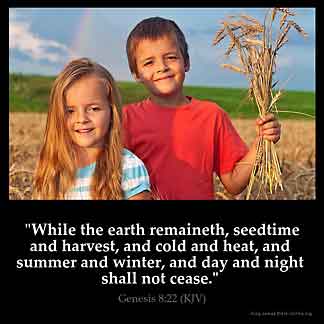
Genesis_8-22: While the earth remaineth, seedtime and harvest, and cold and heat, and summer and winter, and day and night shall not cease

Spiritual Exercise:

  1. What is the initial action described in the first line of the hymn?
  2. How long did the seed sleep in secret, and what did it produce first?
  3. What two elements nurtured the seed until the fields were ready for harvest?
  4. Who is the “heavenly Sower” praised in the first verse?
  5. What is the “better seed” that the “heavenly Sower” goes forth with in verse 2?
  6. How is the “heavenly Sower” described in verse 2, in terms of His physical state?
  7. Where is the “word of sure Salvation” scattered, and what is the “soil”?
  8. What is the desired outcome or “fruitage” to repay His pain and toil?
  9. What is considered the “true thanksgiving” and “first-fruits” in verse 2?
  10. What “other grain” does the Sower sow within a “hallowed acre” in verse 3?
  11. What is known about the growth of this “other grain,” even though it is hidden?
  12. Where are these “souls that wear Christ’s raiment” ripening?
  13. What will the “heavenly Sower” do one day, and what will He bring with Him?
  14. What will the “fan of judgment” do to the “chaff” from His floor?
  15. What plea is made to the “holy, awful Reaper” in the final lines of the hymn?
  16. What does true thanksgiving mean to you?
  17. How can we cultivate a spirit of gratitude in our daily lives?
  18. What role does reflection play in practicing true thanksgiving?
  19. What biblical teachings emphasize the importance of thanksgiving?
  20. How does Psalm 100 illustrate the significance of thanksgiving?
  21. What examples from the Bible demonstrate the power of gratitude?
  22. How can we practice thanksgiving in times of challenge or difficulty?
  23. What are some ways to express gratitude to God and others?
  24. How does focusing on thanksgiving impact our mental and emotional well-being?
  25. How can we incorporate thanksgiving into our corporate worship?
  26. What role does music play in expressing gratitude to God?
  27. How can we encourage one another to practice thanksgiving?
  28. What does it mean to have a heart of gratitude?
  29. How can we guard against ingratitude and cultivate a thankful heart?
  30. What are some practical ways to prioritize thanksgiving in our daily lives?
  31. What is the significance of the parable of the sower in the Bible?
  32. How does Jesus’ parable illustrate the different responses to God’s word?
  33. What does the parable reveal about the kingdom of God?
  34. Where in the Bible is the parable of the sower found?
  35. How does the parable relate to Jesus’ teachings on the kingdom of God?
  36. What does the parable teach about the role of evangelism and discipleship?
  37. What do the different types of soil represent in the parable?
  38. How can we identify the condition of our own hearts in relation to God’s word?
  39. What are some ways to cultivate fertile soil for God’s word to take root?
  40. What does the sower represent in the parable?
  41. How can we be effective sowers of God’s word in our communities?
  42. What are some challenges and obstacles to sowing God’s word?
  43. What does the parable teach about the potential for fruitfulness and growth?
  44. How can we nurture and care for the seed of God’s word in our lives?
  45. What are some ways to celebrate and give thanks for the fruitfulness of God’s word in our lives?
  46. What does it mean to acknowledge God as the heavenly Sower?
  47. How does God’s sovereignty manifest in spreading His Word?
  48. What role does faith play in trusting God’s plan for His kingdom?
  49. What parables or teachings illustrate God’s role as the heavenly Sower?
  50. How does the parable of the sower (Matthew 13) relate to God’s kingdom work?
  51. What biblical accounts demonstrate God’s intentionality in sowing seeds of faith?
  52. What does the seed represent in the context of God’s kingdom?
  53. How can we cooperate with God’s work as the heavenly Sower?
  54. What are some ways to nurture and care for the seeds of faith in our lives?
  55. How does God’s power bring growth and fruitfulness to His kingdom?
  56. What role does prayer play in seeking God’s guidance and blessing for His kingdom work?
  57. How can we celebrate and give thanks for the fruitfulness of God’s kingdom in our lives?
  58. How can we trust God’s timing and plan for His kingdom?
  59. What does it mean to surrender to God’s sovereignty as the heavenly Sower?
  60. How can we find peace and confidence in God’s ability to bring about a bountiful harvest?
  61. What does the phrase “the sower went forth sowing” signify in the biblical context?
  62. How does God’s Word spread through the efforts of sowers?
  63. What role does obedience play in fulfilling the sower’s mission?
  64. What biblical accounts illustrate the work of sowers in spreading God’s Word?
  65. How did Jesus, as the divine Sower, scatter seeds of truth and life?
  66. What examples from the early church demonstrate the sowing of God’s Word?
  67. How can we, as modern-day sowers, spread God’s Word effectively?
  68. What are some creative ways to share the gospel with others?
  69. How can we cultivate a heart for evangelism and discipleship?
  70. What challenges might sowers face in spreading God’s Word?
  71. How can we overcome obstacles and persevere in our mission?
  72. What opportunities exist for sowing God’s Word in our communities?
  73. How does God bring about growth and fruitfulness from the sower’s labor?
  74. What role does prayer play in seeking God’s guidance and blessing for the harvest?
  75. How can we celebrate and give thanks for the fruitfulness of God’s Word in people’s lives?
  76. What is a Christian parable, and how does it convey spiritual truths?
  77. How did Jesus use parables to teach important lessons about God’s kingdom?
  78. What role do parables play in Christian teachings and discipleship?
  79. What are some well-known parables of Jesus, and what do they teach?
  80. How does the parable of the prodigal son illustrate God’s love and forgiveness?
  81. What lessons can we learn from the parable of the good Samaritan?
  82. How can we accurately interpret and apply parables in our lives?
  83. What are some common pitfalls to avoid when interpreting parables?
  84. How can parables guide us in making decisions and navigating challenges?
  85. How can reflecting on parables help us grow spiritually?
  86. What role do parables play in shaping our understanding of God’s character?
  87. How can we use parables to encourage and edify one another?
  88. How can we effectively share parables with others to communicate God’s truth?
  89. What are some creative ways to teach parables to children or new believers?
  90. How can parables be used to evangelize and reach those who don’t know God?
  91. What does the “Word of Salvation” mean to you?
  92. How does the Bible describe the message of salvation?
  93. What role does faith play in receiving salvation?
  94. What biblical passages emphasize the importance of salvation?
  95. How does the story of Jesus Christ relate to the Word of Salvation?
  96. What does the Bible teach about the consequences of sin and the need for salvation?
  97. How can we effectively share the Word of Salvation with others?
  98. What are some ways to communicate the gospel message clearly?
  99. How can we use different mediums (e.g., social media, art, music) to share the Word of Salvation?
  100. How has the Word of Salvation impacted your life?
  101. What does it mean to live out the message of salvation daily?
  102. How can we encourage one another to stand firm in our salvation?
  103. What role does evangelism play in spreading the Word of Salvation?
  104. How can we disciple new believers to help them grow in their faith?
  105. What are some ways to prioritize the Word of Salvation in our lives and communities?
  106. What significance does Christ’s sacrifice hold in Christian theology?
  107. How does the Bible describe the purpose and impact of Christ’s sacrifice?
  108. What role does faith play in understanding and applying the meaning of Christ’s sacrifice?
  109. What biblical passages detail Christ’s sacrifice and its significance?
  110. How does the Old Testament foreshadow Christ’s sacrifice?
  111. What does Hebrews teach about Christ’s sacrifice as the ultimate atonement?
  112. How can we apply the lessons of Christ’s sacrifice to our daily lives?
  113. What does Christ’s sacrifice teach us about God’s love and mercy?
  114. How can we live in gratitude for Christ’s sacrifice?
  115. What is the relationship between Christ’s sacrifice and our salvation?
  116. How does Christ’s sacrifice provide redemption from sin and its consequences?
  117. What hope does Christ’s sacrifice offer us in times of struggle or despair?
  118. How can we share the message of Christ’s sacrifice with others?
  119. What are some effective ways to communicate the significance of Christ’s sacrifice?
  120. How can we use Christ’s sacrifice as a foundation for evangelism and discipleship?
  121. What does the concept of “spiritual soil” represent in biblical teachings?
  122. How does the parable of the sower illustrate different types of spiritual soil?
  123. What role does heart condition play in determining the quality of spiritual soil?
  124. What are the characteristics of each type of soil described in the parable (Matthew 13:1-23)?
  125. How can we identify the type of spiritual soil we represent?
  126. What are the challenges and opportunities associated with each type of soil?
  127. How can we prepare our hearts to be good soil for God’s Word?
  128. What practices can help us cultivate a receptive and fertile spiritual soil?
  129. How can we remove obstacles that hinder the growth of God’s Word in our lives?
  130. What does it mean to bear fruit in our spiritual lives?
  131. How can we nurture and care for the seed of God’s Word in our hearts?
  132. What role does prayer and reflection play in spiritual growth and fruitfulness?
  133. How can we experience transformation and renewal in our spiritual lives?
  134. What is the role of the Holy Spirit in cultivating spiritual growth and fruitfulness?
  135. How can we encourage one another to grow in our spiritual lives and become good soil for God’s Word?
  136. What does “ample fruitage” represent in the context of Christian living?
  137. How does the Bible describe the characteristics of a fruitful life?
  138. What role does abiding in Christ play in producing ample fruitage?
  139. What biblical passages emphasize the importance of bearing fruit?
  140. How does Jesus’ teaching on the vine and branches (John 15) relate to ample fruitage?
  141. What examples from the Bible illustrate lives that produced abundant fruit?
  142. What are some signs of spiritual fruitfulness in a believer’s life?
  143. How can we cultivate a life that produces ample fruitage?
  144. What are some obstacles that can hinder fruitfulness, and how can we overcome them?
  145. What kinds of fruit are mentioned in the Bible as evidence of a fruitful life (e.g., love, joy, peace)?
  146. How can we demonstrate the fruit of the Spirit in our daily lives?
  147. What role does self-control play in producing spiritual fruit?
  148. How can our fruitfulness impact those around us?
  149. What are some ways to encourage others to live fruitful lives?
  150. How can we celebrate and give thanks for the fruitfulness we see in others?
  151. What significance does the resurrection of Jesus hold for Christians?
  152. How does the resurrection hope impact our perspective on life and death?
  153. What role does faith play in embracing the promise of resurrection?
  154. What biblical passages detail the resurrection of Jesus and its significance?
  155. How does the Old Testament foreshadow the resurrection hope?
  156. What does the resurrection reveal about God’s power and love?
  157. How can the resurrection hope comfort those facing suffering or loss?
  158. What role does the resurrection play in our understanding of eternal life?
  159. How can we find strength and courage in the resurrection hope during difficult times?
  160. What does the Bible teach about the future resurrection of believers?
  161. How does the resurrection hope shape our understanding of the afterlife?
  162. What implications does the resurrection hope have for how we live our lives today?
  163. How can we share the message of resurrection hope with others?
  164. What are some effective ways to communicate the significance of the resurrection?
  165. How can the resurrection hope be a foundation for evangelism and discipleship?
  166. What does the concept of a “sunny paradise” represent in a spiritual context?
  167. How does the Bible describe the promise of a heavenly paradise?
  168. What role does hope play in looking forward to a sunny paradise?
  169. What biblical passages detail the characteristics of heaven or paradise?
  170. How does the book of Revelation describe the new heaven and the new earth?
  171. What does the Bible teach about the beauty and joy of paradise?
  172. How can the promise of a sunny paradise comfort those facing challenges or hardships?
  173. What role does the hope of paradise play in our daily lives?
  174. How can we cultivate a sense of longing for heavenly paradise?
  175. What does it mean to be a citizen of heaven, as described in Philippians 3:20?
  176. How does our heavenly citizenship impact our perspective on earthly life?
  177. What implications does our future inheritance in paradise have for how we live today?
  178. How can we share the promise of a sunny paradise with others?
  179. What are some effective ways to communicate the hope of heaven to those around us?
  180. How can the promise of paradise be a source of encouragement and motivation for others?
  181. What significance does the concept of final judgment hold in Christian theology?
  182. How does the Bible describe the final judgment and its purpose?
  183. What role does accountability play in the final judgment?
  184. What biblical passages detail the final judgment and its criteria?
  185. How does Jesus’ teaching on the final judgment (Matthew 25:31-46) guide our understanding?
  186. What does the Bible teach about the consequences of sin and righteousness in the final judgment?
  187. How can we prepare for the final judgment?
  188. What role does repentance and faith play in our readiness for judgment?
  189. How can we live in light of the final judgment?
  190. How does the final judgment reflect God’s justice and mercy?
  191. What is the relationship between God’s judgment and His love?
  192. How can we balance the concepts of justice and mercy in our understanding of final judgment?
  193. What are the eternal consequences of the final judgment for believers and unbelievers?
  194. How does the final judgment shape our understanding of eternity?
  195. What implications does the final judgment have for how we live our lives and share the gospel with others?
  196. What does the concept of a “harvest of souls” represent in Christian evangelism?
  197. How does the Bible describe the importance of harvesting souls for God’s kingdom?
  198. What role does prayer play in seeking a harvest of souls?
  199. What biblical passages emphasize the need to harvest souls?
  200. How did Jesus instruct His disciples to pray for a harvest of laborers (Matthew 9:37-38)?
  201. What examples from the Bible illustrate successful harvesting of souls?
  202. How can we effectively share the gospel to reap a harvest of souls?
  203. What are some creative ways to reach people with the message of salvation?
  204. How can we build relationships that lead to a harvest of souls?
  205. Who are the laborers in the harvest, and what roles do they play?
  206. How can we encourage and support one another in the work of harvesting souls?
  207. What are some challenges and obstacles that laborers in the harvest might face?
  208. How can we celebrate and give thanks for the harvest of souls?
  209. What role does discipleship play in nurturing new believers?
  210. How can we continue to support and encourage new believers in their faith journey?
  211. How does God’s mercy intersect with His judgment in biblical teachings?
  212. What role does mercy play in God’s dealings with humanity?
  213. How can we balance the concepts of justice and mercy in our understanding of God’s judgment?
  214. What biblical passages highlight God’s mercy in judgment?
  215. How does the story of Jonah and Nineveh illustrate God’s mercy?
  216. What examples from the Bible demonstrate God’s willingness to show mercy?
  217. How are mercy and forgiveness related in the biblical context?
  218. What does it mean to receive mercy from God, and how can we extend mercy to others?
  219. How can we cultivate a merciful heart in our daily lives?
  220. How does the concept of judgment impact our understanding of God’s mercy?
  221. What role does accountability play in experiencing God’s mercy?
  222. How can we acknowledge our need for mercy while also striving for justice?
  223. How can we reflect God’s mercy in our interactions with others?
  224. What are some ways to show mercy and kindness to those in need?
  225. How can we balance truth and mercy in our communication with others?
  226. What is a Christian allegory, and how is it used to convey spiritual truths?
  227. How do biblical allegories, such as the parable of the prodigal son, teach us about God’s character?
  228. What role do allegories play in Christian literature and teachings?
  229. What are some notable biblical allegories, and what do they teach?
  230. How does the allegory of the vine and branches (John 15) illustrate our relationship with Christ?
  231. What insights can we gain from the allegory of the Good Shepherd?
  232. How can we accurately interpret and apply allegorical teachings in our lives?
  233. What are some common pitfalls to avoid when interpreting allegories?
  234. How can allegories guide us in making decisions and navigating challenges?
  235. How can reflecting on Christian allegories help us grow spiritually?
  236. What role do allegories play in shaping our understanding of God’s love and redemption?
  237. How can we use allegories to encourage and edify one another?
  238. How can we use allegory in creative ways to share spiritual truths?
  239. What are some examples of Christian allegory in art, literature, or music?
  240. How can allegory be used to communicate complex spiritual concepts in an engaging way?
  241. What is a biblical metaphor, and how is it used to convey spiritual truths?
  242. How do metaphors, such as “Jesus is the Bread of Life,” teach us about God’s character?
  243. What role do metaphors play in biblical teachings and storytelling?
  244. What are some notable biblical metaphors, and what do they teach?
  245. How does the metaphor of the “shepherd” illustrate God’s relationship with His people?
  246. What insights can we gain from the metaphor of “Christ as the Vine”?
  247. How can we accurately interpret and apply biblical metaphors in our lives?
  248. What are some common pitfalls to avoid when interpreting metaphors?
  249. How can metaphors guide us in understanding complex spiritual concepts?
  250. How can reflecting on biblical metaphors help us grow spiritually?
  251. What role do metaphors play in shaping our understanding of God’s love and redemption?
  252. How can we use metaphors to deepen our relationship with God?
  253. How can we use metaphors to communicate spiritual truths effectively?
  254. What are some ways to teach biblical metaphors to others?
  255. How can metaphors be used to share the gospel message with clarity and impact?
  256. What significance does the second coming of Christ Jesus hold in Christian theology?
  257. How does the Bible describe the events surrounding Christ’s return?
  258. What role does hope play in the anticipation of Christ’s second coming?
  259. What biblical passages detail the second coming of Christ?
  260. How did Jesus teach about His return (Matthew 24-25, John 14:3)?
  261. What do the apostles teach about the second coming in their writings?
  262. How can we prepare for Christ’s second coming?
  263. What does it mean to be “watchful” and “ready” for His return?
  264. How can we balance the anticipation of Christ’s return with our daily responsibilities?
  265. How does the promise of Christ’s second coming impact our daily lives?
  266. What role does the second coming play in our motivation for living a godly life?
  267. How can we use the promise of Christ’s return to encourage and exhort one another?
  268. What signs, if any, are associated with Christ’s second coming?
  269. How should we approach speculations and interpretations about the timing of Christ’s return?
  270. What is the importance of focusing on being ready rather than predicting the exact time?
  271. What does eternal life mean in the context of Christian faith?
  272. How does the Bible describe the nature and quality of eternal life?
  273. What role does faith in Jesus Christ play in receiving eternal life?
  274. What biblical passages detail the promise of eternal life?
  275. How does Jesus’ teaching on eternal life (John 3:16, John 10:28) guide our understanding?
  276. What does the Bible teach about the relationship between eternal life and God’s love?
  277. How is eternal life both a present reality and a future hope for believers?
  278. What does it mean to experience eternal life in the here and now?
  279. How does the promise of eternal life impact our perspective on life and death?
  280. How does eternal life transform our daily lives and relationships?
  281. What role does love, joy, and peace play in experiencing eternal life?
  282. How can we live in a way that reflects the eternal life we have received?
  283. How can we be certain of our eternal life in Christ?
  284. What assurance do believers have of spending eternity with God?
  285. How can we share the promise of eternal life with others and encourage them in their faith?
  286. What does it mean for goodness to thrive in our lives and communities?
  287. How does the Bible describe the characteristics of goodness and its impact?
  288. What role does faith play in cultivating goodness in our lives?
  289. What biblical passages emphasize the importance of goodness?
  290. How does the fruit of the Spirit, including goodness, manifest in believers’ lives (Galatians 5:22-23)?
  291. What examples from the Bible illustrate lives that demonstrated remarkable goodness?
  292. How can we intentionally cultivate goodness in our daily lives?
  293. What practices or habits help promote goodness in our thoughts, words, and actions?
  294. How can we overcome challenges that hinder the thriving of goodness?
  295. How does goodness impact those around us, and what difference can it make?
  296. What role does goodness play in building strong, healthy relationships?
  297. How can we use goodness to bless and serve others?
  298. How can we reflect on our lives to identify areas where goodness can thrive more?
  299. What steps can we take to grow in goodness and become more like Christ?
  300. How can we encourage and support one another in thriving in goodness?

Beware of Hypocrisy: Dr. D.K. Olukoya’s devotional warns against pretense, using Acts 5:1-10 to highlight its grave consequences before God.


𝐁𝐄𝐖𝐀𝐑𝐄 𝐎𝐅 𝐇𝐘𝐏𝐎𝐂𝐑𝐈𝐒𝐘

𝔽𝕀ℝ𝔼 𝕊ℂℝ𝕀ℙ𝕋𝕌ℝ𝔼: Acts 5:1-10

𝕄𝔼𝕄𝕆ℝ𝕐 𝕍𝔼ℝ𝕊𝔼:

Job 13:16 – “He also shall be my salvation: for an hypocrite shall not come before him.”

𝕄𝕆𝕋𝕀𝕍𝔸𝕋𝕀𝕆ℕ𝔸𝕃 ℚ𝕌𝕆𝕋𝔼𝕊:

Hypocrisy is an evil leaven that contaminates the soul and makes the carrier an abomination to God.

ℙℝ𝔸𝕀𝕊𝔼 & 𝕎𝕆ℝ𝕊ℍ𝕀ℙ

ℙℝ𝕆ℙℍ𝔼𝕋𝕀ℂ 𝕎𝕆ℝ𝔻 𝔽𝕆ℝ 𝕋𝕆𝔻𝔸𝕐:

𝙇𝙚𝙩 𝙚𝙫𝙚𝙧𝙮 𝙡𝙚𝙖𝙫𝙚𝙣 𝙤𝙛 𝙝𝙮𝙥𝙤𝙘𝙧𝙞𝙨𝙮 𝙞𝙣 𝙮𝙤𝙪𝙧 𝙡𝙞𝙛𝙚 𝙗𝙚 𝙧𝙤𝙖𝙨𝙩𝙚𝙙 𝙗𝙮 𝙛𝙞𝙧𝙚, 𝙞𝙣 𝙩𝙝𝙚 𝙣𝙖𝙢𝙚 𝙤𝙛 𝙅𝙚𝙨𝙪𝙨.

𝕋𝕙𝕖 𝕄𝔼𝕊𝕊𝔸𝔾𝔼:

Hypocrisy is an evil leaven that contaminates the soul and makes the carrier an abomination to God. The English word Hypocrisy is from the Greek, hypocrisy which means acting on a stage. To play a role that is not real or natural by the actor. It also means to pretend to be what one is not. Therefore, a hypocrite is a pretender claiming to be what he is not. He is an actor assuming an unnatural role. Hypocrisy is a grievous sin against the Holy Spirit of God. The story of Ananias and Sapphira is a classic example of the insidious art of hypocrisy, the portrait of hypocrite, the grave consequences of hypocrisy and the demonstration of the grave displeasure of God towards any hypocritical act.

According to the account of today’s Fire Scripture, the Christian couple, Ananias and Sapphira, on their own volition, decided to sell their family landed property in order to bring the proceeds thereof to support the work of God, in the first century Church. Unfortunately, the old man hijacked their good intention. They pretended and lied that they declared the actual amount they sold their property. It would not have been counted against them if they had explained the situation as it really happened by saying, “Well we sold it for so much, but because of pressing family needs, we deducted a certain amount and have brought the remaining balance for the Church.” They rendered less and claimed that they rendered all. This falsehood was nothing but hypocrisy which was counted against them as lying to the Holy Spirit. Their tainted good intention brought sudden destruction upon them because it was spiced with the leaven of hypocrisy and served with the dish of pretence.

Beloved, hope you are not guilty of hypocritical lifestyle like Brother Ananias and Sister Sapphira. Are you reducing what you should have rendered to God in full measure and you are now claiming that you are giving your utmost?

ℙℝ𝔸𝕐𝔼ℝ ℙ𝕆𝕀𝕋𝕊:

𝐌𝐎𝐑𝐍𝐈𝐍𝐆

1. Blood of Jesus Christ purge my life of every leaven of hypocrisy, in the name of Jesus Christ.

2. My life will not cooperate with the enemy for destruction, in the name of Jesus Christ.

3. Every stronghold of the old-man in my life, scatter by fire, in the name of Jesus Christ.

𝐄𝐕𝐄𝐍𝐈𝐍𝐆

4. Manipulation from the pit of hell targeted at my spirit man, die in the name of Jesus Christ.

5. Every trap of darkness set against my soul, catch fire and burn to ashes, in the name of Jesus Christ.

6. My inner man receive fresh fire, in the name of Jesus Christ.

7. Glory of the Living God, overshadow my life, in the name of Jesus Christ.

𝙈𝙊𝙐𝙉𝙏𝘼𝙄𝙉 𝙏𝙊𝙋 𝙇𝙄𝙁𝙀 𝘪𝘴 𝘢 𝘥𝘢𝘪𝘭𝘺 𝘥𝘦𝘷𝘰𝘵𝘪𝘰𝘯𝘢𝘭 𝘣𝘺 𝘋𝘳. 𝘋.𝘒 𝘖𝘭𝘶𝘬𝘰𝘺𝘢 (𝘎𝘦𝘯𝘦𝘳𝘢𝘭 𝘖𝘷𝘦𝘳𝘴𝘦𝘦𝘳, 𝘔𝘰𝘶𝘯𝘵𝘢𝘪𝘯 𝘰𝘧 𝘍𝘪𝘳𝘦 𝘢𝘯𝘥 𝘔𝘪𝘳𝘢𝘤𝘭𝘦 𝘔𝘪𝘯𝘪𝘴𝘵𝘳𝘪𝘦𝘴 𝘞𝘰𝘳𝘭𝘥𝘸𝘪𝘥𝘦)

𝐌𝐎𝐔𝐍𝐓𝐀𝐈𝐍 𝐓𝐎𝐏 𝐋𝐈𝐅𝐄  𝐃𝐀𝐈𝐋𝐘 𝐃𝐄𝐕𝐎𝐓𝐈𝐎𝐍𝐀𝐋

𝔹𝕀𝔹𝕃𝔼 𝕀𝕆𝔼 𝕐𝔼𝔸ℝ:

Deuteronomy 32:28-52;

Luke 12:35-50;

Psalm 78:56-64;

Proverbs 12:24

Thank You Jesus,

Salvation Prayers

If you don’t Know Jesus as your personal Lord and Saviour and would like to accept him into your life as your personal Lord and Saviour, Please say this prayer:

Father, I know that I have broken your laws and my sins have separated me from You. I am truly sorry, and now I want to turn away from my past sinful life toward You. Please forgive me, and help me avoid sinning again. I believe that Your son, Jesus Christ died for my sins, was resurrected from the dead, is alive, and hears my prayer. I invite Jesus to become the Lord of my life, to rule and reign in my heart from this day forward. Please send Your Holy Spirit to help me obey You, and to do Your Will for the rest of my life. In Jesus’ name I pray, Amen.

Support Our Ministry,

Good Morning Dear,

It cost a lot of money to maintain a website, Nonetheless a non-profit Christian website,

Please if you have been blessed by this ministry and you are led to support and bless this ministry in return,

Please make your donation to this account,

Chukwuemeka Obiorah Ogwo,

Account Number,0139438409,

Guaranty Trust Bank Plc Nigeria,

To help us continue in the spreading of The GOSPEL OF OUR LORD JESUS CHRIST to every corner of this world,

Thank You Very Much For Your Support,

May GOD, we Serve Bless You A Million Times in return, Amen,

May God Bless Israel, May God Bless Nigeria, May God Bless America And Take Care Of Us; May God Make His Face Shine Upon Us, And Be Gracious To Us; May The Lord Lift Up His Countenance Upon Us, And Give Us Peace, In Jesus Christ Name, We Pray! Amen!

May The Grace The Lord Jesus Christ, And The Love Of God, And The Fellowship Of The Holy Spirit Be With You All. Amen!

By Chukwuemeka Obiorah Ogwo,

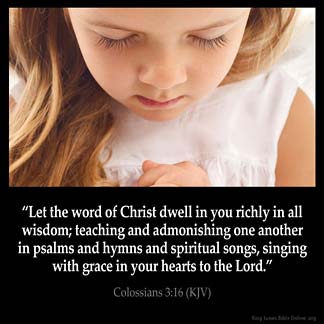
Colossians_3-16-3: Let the word of Christ dwell in you richly in all wisdom; teaching and admonishing one another in psalms and hymns and spiritual songs, singing with grace in your hearts to the Lord. God Answers Prayers

Pastor David McGee on Romans 2:1: The danger of self-righteous judgment, urging self-reflection, grace, and sharing Christ’s love.


Judge yourself

Roman 2:1NKJV

Therefore you are inexcusable, O man, whoever you are who judge, for in whatever you judge another you condemn yourself; for you who judge practice the same things.

In Romans chapter one, we learn about the unrighteousness of man. In chapter two, Paul addresses our self-righteousness; our desire to consider ourselves better than everybody else. Nobody wants to be called self-righteous, yet we quickly judge others. Friend, be aware of your weakness and sinfulness. If you think that once you became a Christian you stopped sinning, you should check out the passage below:

1 John 1:8-10NKJV

8 If we say we have no sin, we deceive ourselves, and the truth is not in us. 9 If we confess our sins, He is faithful and just to forgive us our sins and to cleanse us from all unrighteousness. 10 If we say that we have not sinned, we make Him a liar, and His word is not in us.

Judge yourself. If you look long at the sins of others and not enough at your own sins, you will develop spiritual pride, which is a stench to God. Have you ever looked at someone and thought there was no hope for them? Well, then, you are saying that God’s mercy is limited. You pridefully say that your sins are covered, but others are not.

Every person needs God’s saving power and grace, whether we deem them good people or not. Stop and think… How much have you been forgiven? Does this mean we cannot speak into others’ lives? We can and should, but not in condemnation. Just as God has heaped His grace so abundantly on you, in discernment, you can speak into someone’s life from your experiences with an attitude of love peppered with grace.

You cannot condemn someone and offer hope simultaneously. The moment we start to condemn people is the moment we forget our mission. What is our mission? Our mission is to tell people about Jesus Christ.

Life Lesson:

Seeing the evil in others does not root out the evil in you.

Dear God,

Thank You for forgiving me of my sins. I am so grateful for Your grace. Please forgive me for times when I, in my own pride, looked at someone else and condemned them in my mind. Please give me opportunities to tell people about Christ Jesus. Thank You Heavenly Father for in Jesus Christ mighty name I pray! Amen.

Through the Bible…

Morning:  2 Samuel 21, 22

Evening:   Luke 22:1-30

Proverb:   Proverbs 29

Living to tell what He died to say,

By Pastor David McGee

Senior Pastor

The Bridge.

The Bridge Email Devotion

Pastor David’s Daily Devotional

Thank You Jesus,

Salvation Prayers

If you don’t Know Jesus as your personal Lord and Saviour and would like to accept him into your life as your personal Lord and Saviour, Please say this prayer:

Father, I know that I have broken your laws and my sins have separated me from You. I am truly sorry, and now I want to turn away from my past sinful life toward You. Please forgive me, and help me avoid sinning again. I believe that Your son, Jesus Christ died for my sins, was resurrected from the dead, is alive, and hears my prayer. I invite Jesus to become the Lord of my life, to rule and reign in my heart from this day forward. Please send Your Holy Spirit to help me obey You, and to do Your Will for the rest of my life. In Jesus’ name I pray, Amen.

Support Our Ministry,

Good Morning Dear,

It cost a lot of money to maintain a website, Nonetheless a non-profit Christian website,

Please if you have been blessed by this ministry and you are led to support and bless this ministry in return,

Please make your donation to this account,

Chukwuemeka Obiorah Ogwo,

Account Number,0139438409,

Guaranty Trust Bank Plc Nigeria,

To help us continue in the spreading of The GOSPEL OF OUR LORD JESUS CHRIST to every corner of this world,

Thank You Very Much For Your Support,

May GOD, we Serve Bless You A Million Times in return, Amen,

May God Bless Israel, May God Bless Nigeria, May God Bless America And Take Care Of Us; May God Make His Face Shine Upon Us, And Be Gracious To Us; May The Lord Lift Up His Countenance Upon Us, And Give Us Peace, In Jesus Christ Name, We Pray! Amen!

May The Grace The Lord Jesus Christ, And The Love Of God, And The Fellowship Of The Holy Spirit Be With You All. Amen!

By Chukwuemeka Obiorah Ogwo,

Luke_6-37: Judge not, and ye shall not be judged: condemn not, and ye shall not be condemned: forgive, and ye shall be forgiven

Why are you people never ever simply consistent in your madness and ideologies?


So it is valid for a woman to leave a man who has mental illness and erection dysfunction, but it is not valid for a man to leave a woman who has PCOS.

I’m NOT arguing for/against either side.

I believe supremely in the absolute right of people to make whatever choices suit them. At the end of the day, you really want a partner that stays with you out of choice and not out of pity. But that’s just me.

I’m only here just wondering why you people are never ever consistent in your madness.

You want to have a right to choose/refuse,

But you want to blackmail and demonise other people for expressing their own right to also choose/refuse.

Again, I’m just asking (and wondering):

Why are you people never ever simply consistent in your madness and ideologies?

By @OurFavOnlineDoc

PCOS Symptoms

Thank You Jesus,

Salvation Prayers

If you don’t Know Jesus as your personal Lord and Saviour and would like to accept him into your life as your personal Lord and Saviour, Please say this prayer:

Father, I know that I have broken your laws and my sins have separated me from You. I am truly sorry, and now I want to turn away from my past sinful life toward You. Please forgive me, and help me avoid sinning again. I believe that Your son, Jesus Christ died for my sins, was resurrected from the dead, is alive, and hears my prayer. I invite Jesus to become the Lord of my life, to rule and reign in my heart from this day forward. Please send Your Holy Spirit to help me obey You, and to do Your Will for the rest of my life. In Jesus’ name I pray, Amen.

Support Our Ministry,

Good Morning Dear,

It cost a lot of money to maintain a website, Nonetheless a non-profit Christian website,

Please if you have been blessed by this ministry and you are led to support and bless this ministry in return,

Please make your donation to this account,

Chukwuemeka Obiorah Ogwo,

Account Number,0139438409,

Guaranty Trust Bank Plc Nigeria,

To help us continue in the spreading of The GOSPEL OF OUR LORD JESUS CHRIST to every corner of this world,

Thank You Very Much For Your Support,

May GOD, we Serve Bless You A Million Times in return, Amen,

May God Bless Israel, May God Bless Nigeria, May God Bless America And Take Care Of Us; May God Make His Face Shine Upon Us, And Be Gracious To Us; May The Lord Lift Up His Countenance Upon Us, And Give Us Peace, In Jesus Christ Name, We Pray! Amen!

May The Grace The Lord Jesus Christ, And The Love Of God, And The Fellowship Of The Holy Spirit Be With You All. Amen!

By Chukwuemeka Obiorah Ogwo,

THE FALL OF JERICHO


MEMORY VERSE: “So the people shouted when the priests blew with the trumpets: and it came to pass, when the people heard the sound of the trumpet, and the people shouted with a great shout, that the wall fell down flat, so that the people went up into the city, every man straight before him, and they took the city” (Joshua 6:20).   

TEXT: Joshua 6:1-27

New of Israel’s miraculous passage across flooded Jordan spread far and wide and sent shivers down the spines of the inhabitants of Jericho and beyond. Their fear was reinforced by earlier reports of the manifestation of God’s power in drying up the Red Sea and the defeat of the Amorites (Joshua 2:9-11; 5:1). Three unique events preceded the conquest of Jericho: the circumcision of the children of Israel at Gilgal; the observance of the passover at the plains of Jericho; and the appearance of the “captain of the host of the LORD”. These events, which took place in the previous chapter, were indeed, necessary spiritual preparations for the challenging task of conquering Jericho and eventual possession of Canaan. This study examines the divine strategy for the conquest of Jericho, the commitment, patience and the consequent fall and destruction of Jericho as well perseverance of Israel in following God’s command and as Rahab’s deliverance with her family.

DIRECTIVE FOR THE CONQUEST OF JERICHO (Joshua 6:1-11; Zechariah 4:6,7; Matthew 23:13; 1 John 5:4,5; 2 Chronicles 20:15-17)

Jericho was surrounded with a high, wide, well- fortified and formidable wall so that it appeared impregnable by the enemy. The fortification must have given a sense of false security to the dwellers of the city. The thickness of the wall can be better imagined when we remember that Rahab’s house was built on it (Joshua 2:15). As impregnable as Jericho wall appeared, “…the LORD said unto Joshua, See, I have given into thine hand Jericho, and the king thereof, and the mighty men of valour” (Joshua 6:2). The gate of the city was barred, access to the city denied and any form of commercial activity outside the wall was suspended because of the children of Israel. As they advanced towards the city, God planted the dread of Israel in the minds of the inhabitants, including their warriors, according to Rahab’s earlier confession (Joshua 2:9). In contrast, God expects His people to demonstrate faith and confidence in Him in times of battles and challenges of life (Isaiah 43:1,2; 2 Timothy 1:7). All the precautions the inhabitants of Jericho took only represented man’s futile efforts at averting divine judgment and consequences of persistent sinning. But we must commend their vigilance and measures taken to secure the city. It is an example of how true believers are to be sober and vigilant and keep their hearts with all diligence (1 Peter 5:8; Proverbs 4:23). We are to be security conscious despite divine promises to keep and preserve us because the days are evil. The strategy for the destruction of Jericho was God- ordained. He gave Joshua details of how to conquer the city. “And ye shall compass the city, all ye men of war, and go round about the city once. Thus shalt thou do six days. And seven priests shall bear before the ark seven trumpets of rams’ horns: and the seventh day ye shall compass the city seven times, and the priests shall blow with the trumpets. And it shall come to pass, that when they make a long blast with the ram’s horn, and when ye hear the sound of the trumpet, all the people shall shout with a great shout; and the wall of the city shall fall down flat, and the people shall ascend up every man straight before him” Joshua 6:3-5). The victory was to be won God’s way and in obedience to His command. This uncommon military strategy was to teach Israel to trust and depend on God, and to learn to expect success, not from their fighting skills but by divine providence (Zechariah 4:6,7; 1 John 5:4). Two, they were to learn to appreciate divine instructions and act on them implicitly by faith. Three, it was to make them ascribe all glory to God. They later testified: “For they got not the land in possession by their own sword, neither did their own arm save them: but thy right hand, and thine arm, and the light of thy countenance, because thou hadst a favour unto them” (Psalm 44:3). It would amount to robbing God of the glory due to Him to think about themselves or any other person as the source of their victory. God’s instruction that the children of Israel should maintain absolute silence until the seventh day when they were to give a uniform shout was not without its purposes. Whatever they were, it was commendable that they disciplined themselves and responded with prompt obedience to Joshua’s instruction. “And Joshua had commanded the people, saying, Ye shall not shout, nor make any noise with your voice, neither shall any word proceed out of your mouth, until the day I bid you shout; then shall ye shout” (Joshua 6:10). Their compliance with Joshua’s instruction to march round the city in deep solemnity without a shout is praise- worthy. How often are people tempted to ignore or forget the place of God-ordained leadership in times of crises! Obedience brings blessings. Careful attention to divine precepts and patient perseverance in following them are the surest pathways to success. It needs be underscored here that believers’ battles against the rulers of the darkness of this world, against are spiritual-“…against principalities, against powers, spiritual wickedness in high places” (2 Corinthians 10:3; Ephesians 6:12).

DESTRUCTION AND FALL OF JERICHO (Joshua 6:12- 24; Exodus 23:27; 15:16; 2 Corinthians 10:4,5; Hebrews 11:30; Luke 17:26-29; Psalm 9:17; Isaiah 55:7)

The children of Israel observed religiously the instructions given to them by Joshua. The ark of God was to be carried by the priests round the city once a day for six days, attended by the men of war in silence. But on the seventh day, they were to compass the wall seven times after which the priests would blow the trumpet seven times. At the seventh sound, the people were to shout. “And it came to pass on the seventh day, that they rose early about the dawning of the day, and compassed the city after the same manner seven times: only on that day they compassed the city seven times” (Joshua 6:15). At last, the shout of the host of Israel resonated in obedience to divine command. It was a triumphant shout; a shout of faith! “So the people shouted when the priests blew with the trumpets: and it came to pass, when the people heard the sound of the trumpet, and the people shouted with a great shout, that the wall fell down flat, so that the people went up into the city, every man straight before him, and they took the city” (Joshua 6:20). The Israelites’ implicit trust and faith in God’s promises was pivotal to the fall of Jericho. The sudden fall of the wall of Jericho, no doubt, threw the inhabitants of Jericho into sudden consternation that they could not resist the sword of Israel. The men of war descended on the entire city, razed and destroyed it to its foundation. The wall collapsed by the direct act of God and the city was taken because of Israel’s obedience to His word and their faith in His miraculous power. The New Testament re-affirms the fact that, “By faith the walls of Jericho fell down, after they were compassed about seven days” (Hebrews 11:30). Through faith in God’s word, we can be victorious in the battles of life, defeat our enemies and possess our inheritance in Christ (1 John 5:4). Whatever represents Jericho walls strongholds, mountains, barriers – in life can be overcome by faith if they hold on to God’s between believers and their divinely ordained purpose promises. The utter destruction of the city of Jericho reminds who ignore or reject God’s gracious offer of salvation in us of the impending judgment on all impenitent sinners Christ (Proverbs 11:21). Jericho’s organised defence, her impregnable walls, aggressive officers, and security system could not save them on the day of divine visitation. They had spurned God’s warning for a very long time and failed to repent until judgment finally came (Hebrews 2:3). God delights in mercy and not judgment. However, when people take His mercy for granted and continue in sin, He will surely judge all sinners (Micah 7:18; 2 Peter 3:9). Therefore, believers should passionately and regularly preach the gospel to rescue unconverted people from the judgment to come (2 Corinthians 5:11).

DELIVERANCE OF RAHAB FROM ACCURSED JERICHO (Joshua 6:25-27, 22, 23; Hebrews 11:31; James 2:25; Galatians 3:10; 1 Kings 16:34)

“And Joshua saved Rahab the harlot alive, and her father’s household, and all that she had; and she dwelleth in Israel even unto this day; because she hid the messengers, which Joshua sent to spy out Jericho” (Joshua 6:25). The preservation of Rahab and her household from the destruction unleashed upon Jericho was in fulfilment of the agreement made with the two spies and on account of her faith in God. “By faith the harlot Rahab perished not with them that believed not, when she had received the spies with peace” (Hebrews 11:31). The will of God for believers is that they and their household will be saved. We need to pray continually for the conversion of members of our families and claim God’s promise that He will save them (Acts 16:31,32). Rahab believed and identified with the God of Israel. The woman caught in the act of adultery and brought to Christ also received forgiveness (John 8:1-11). No matter how morally weak a sinner may be, God will receive and save him or her the same way He saved these women (Isaiah 55:7). God honours faith anywhere it is manifested. He has promised that Whosoever believes in Christ shall not perish but have eternal life (John 3:15,16). Joshua’s saving of Rahab, the harlot, and admitting her into the camp of Israel pointed to the future admission of the Gentiles into Christ’s Kingdom (Matthew 21:31). After the conquest of Jericho, Joshua placed a curse on anyone who attempted to rebuild it. “…Cursed be the man before the LORD, that riseth up and buildeth this city Jericho: he shall lay the foundation thereof in his first born, and in his youngest son shall he set up the gates of it” (Joshua 6:26). Only the silver, and gold, and vessels of brass and iron were consecrated unto the Lord. Outside of these, every other thing or person in Jericho was accursed. And the Lord specifically warned: “…the city shall be accursed, even it, and all that are therein”. The full weight of the curse was brought upon those who attempted to rebuild the city later (1 Kings 16:34). However, the outworking of a curse upon an individual, a nation or tribe can be revoked through repentance, prayer and faith in the atoning blood of Christ because, “Christ hath redeemed us from the curse of the law, being made a curse for us: for it is written, Cursed is every one that hangeth on a tree: That the blessing of Abraham might come on the Gentiles through Jesus Christ; that we might receive the promise of the Spirit through faith” (Galatians 3:13,14). Jericho did not perpetually remain an accursed city as it was later graced with the presence of not only the two great prophets Elijah and Elisha – in the Old Testament, but also by our Lord and Saviour Jesus Christ Himself (2 Kings 2:4-22; Luke 18:35; Matthew 20:29). The fall of Jericho is a timely warning to all prosperous cities of the world and their Inhabitants who reject God. The assurance we have as believers is that we can bring down spiritual and legal bulwarks inhibiting the penetration of the gospel into the unreached places through co-ordinated warfare prayers and gospel outreaches. God’s unfailing promise in this regard is: “Ask of me, and I shall give thee the heathen for thine inheritance, and the uttermost parts of the earth for thy possession” (Psalm 2:8). As the Lord was with Joshua, He has promised to be with us even unto the end of the world (Matthew 28:20).

Questions for review:

1. What do we learn from the uncommon military strategies given to Joshua by God?

2. Explain the role of faith in the defeat of Jericho.

3. What can saints and sinners learn from the destruction of Jericho?

4. What can believers learn from Israel’s obedience not to shout until the seventh day?

5. Why did Rahab escape being destroyed with the inhabitants of Jericho?

6. How can believers pull down their strongholds?

7. Explain how the death of Christ delivered believers from the curse of the law.       

Thank You Jesus,

Salvation Prayers

If you don’t Know Jesus as your personal Lord and Saviour and would like to accept him into your life as your personal Lord and Saviour, Please say this prayer:

Father, I know that I have broken your laws and my sins have separated me from You. I am truly sorry, and now I want to turn away from my past sinful life toward You. Please forgive me, and help me avoid sinning again. I believe that Your son, Jesus Christ died for my sins, was resurrected from the dead, is alive, and hears my prayer. I invite Jesus to become the Lord of my life, to rule and reign in my heart from this day forward. Please send Your Holy Spirit to help me obey You, and to do Your Will for the rest of my life. In Jesus’ name I pray, Amen.

Support Our Ministry,

Good Morning Dear,

It cost a lot of money to maintain a website, Nonetheless a non-profit Christian website,

Please if you have been blessed by this ministry and you are led to support and bless this ministry in return,

Please make your donation to this account,

Chukwuemeka Obiorah Ogwo,

Account Number,0139438409,

Guaranty Trust Bank Plc Nigeria,

To help us continue in the spreading of The GOSPEL OF OUR LORD JESUS CHRIST to every corner of this world,

Thank You Very Much For Your Support,

May GOD, we Serve Bless You A Million Times in return, Amen,

May God Bless Israel, May God Bless Nigeria, May God Bless America And Take Care Of Us; May God Make His Face Shine Upon Us, And Be Gracious To Us; May The Lord Lift Up His Countenance Upon Us, And Give Us Peace, In Jesus Christ Name, We Pray! Amen!

May The Grace The Lord Jesus Christ, And The Love Of God, And The Fellowship Of The Holy Spirit Be With You All. Amen!

By Chukwuemeka Obiorah Ogwo,

John_10-10: The thief cometh not, but for to steal, and to kill, and to destroy: I am come that they might have life, and that they might have it more abundantly.

Disobedience Leads To Sin and Death


TEXT: Romans 5:19 and 1 Corinthians 15:22

INTRODUCTION

Last week, we continued with the series on OBEDIENCE by studying: Obedience Is Better Than Sacrifice. Today, we shall focus on the fact that disobedience leads to sin and death. Obedience has been severally defined since we commenced the series as compliance with an order, request, or law especially in deference to a higher authority. We learnt about the rewards that follow complete obedience; while being reminded that partial obedience is no obedience.

May we receive that grace to be fully obedient in all things in Jesus’ name, Amen!

OUTLINE 1: DISOBEDIENCE LEADS TO SIN

Disobedience in this instance means partial obedience or complete turn away from God’s ways/directives. Some instances:

  • Impatience leads to disobedience.

King Saul in 1 Sam 13:10-12 offered burnt offering that was to be performed by Samuel. One of the virtues of the fruit of the spirit is longsuffering [patience]. Gal 5:22.

  • Disobedience can lead to loss of authority/position.

King Saul feared the people, was stubborn and disobeyed Gods’ directives. 1 Samuel 15:22-24 & 26. No amount of our sacrifice can atone for disobedience; as Jesus Christ had made the ultimate sacrifice for us, Hebrews 10:10. Obedience is better than sacrifice.

  • Disobedience triggers the wrath of God.

In Joshua 6:17-19; God gave instruction that in Jericho; only Rehab the harlot and her family should be spared. But in Joshua 7:1, Achan took the accursed thing. This led to defeat of Israel by Ai. Thirty-six [36] men were killed because of God’s wrath. Also, in our text: Romans 5:19, the disobedience of Adam & Eve triggered the entrance of sin.

  • You reap what you sowed.

Gal 6:7-8 is apt. Partaking in the holy communion unworthily is an act of disobedience. 1 Corinthians 11:27-30. Verse 30 harps on spiritual death.  

OUTLINE 2: DISOBEDIENCE LEADS TO DEATH

Death in this instance refers to spiritual and, in some cases, physical. Spiritual death is being alienated from the life of God [Romans 6:23]. Consider the following:

  • The case of Adam and Eve

Gen 2:16-17. God’s instructions to Adam were clear and straightforward. Both disobeyed and realized they were naked; a sign of spiritual deadness, Gen 3:6-7. As in Adam all die …. 1 Corinthians 15:22.

  • Is your spiritual garment in place?

Rev 16:15 enjoins us to watch [be vigilant/avoid disobedience]  and keep our garment, otherwise we walk naked and subjected to shame. A word of advice in Luke 21:36.

  • There is an escape route from spiritual death.

John 3:16 is an escape route from spiritual death. If we obey, there is the assurance of everlasting life. John 8:51 is a reassurance that if we obey, we can never see spiritual death.

OUTLINE 3: DISOBEDIENCE THAT LED TO SIN, SPIRITUAL AND PHYSICAL DEATH

  • 1 Kings 13:1-26. A classical case of what we learnt today. Disobedience leads to sin,

spiritual death, and even physical death.  

CONCLUSION

The consequences of disobedience are too grievous to be ignored. Let us watch and pray that we will not be led into temptation [Matthew 6:13]. May the Lord release unto us the grace to flee from all appearance of evil [1 Thess 5:22].

Thank You Jesus,

Salvation Prayers

If you don’t Know Jesus as your personal Lord and Saviour and would like to accept him into your life as your personal Lord and Saviour, Please say this prayer:

Father, I know that I have broken your laws and my sins have separated me from You. I am truly sorry, and now I want to turn away from my past sinful life toward You. Please forgive me, and help me avoid sinning again. I believe that Your son, Jesus Christ died for my sins, was resurrected from the dead, is alive, and hears my prayer. I invite Jesus to become the Lord of my life, to rule and reign in my heart from this day forward. Please send Your Holy Spirit to help me obey You, and to do Your Will for the rest of my life. In Jesus’ name I pray, Amen.

Support Our Ministry,

Good Morning Dear,

It cost a lot of money to maintain a website, Nonetheless a non-profit Christian website,

Please if you have been blessed by this ministry and you are led to support and bless this ministry in return,

Please make your donation to this account,

Chukwuemeka Obiorah Ogwo,

Account Number,0139438409,

Guaranty Trust Bank Plc Nigeria,

To help us continue in the spreading of The GOSPEL OF OUR LORD JESUS CHRIST to every corner of this world,

Thank You Very Much For Your Support,

May GOD, we Serve Bless You A Million Times in return, Amen,

May God Bless Israel, May God Bless Nigeria, May God Bless America And Take Care Of Us; May God Make His Face Shine Upon Us, And Be Gracious To Us; May The Lord Lift Up His Countenance Upon Us, And Give Us Peace, In Jesus Christ Name, We Pray! Amen!

May The Grace The Lord Jesus Christ, And The Love Of God, And The Fellowship Of The Holy Spirit Be With You All. Amen!

By Chukwuemeka Obiorah Ogwo,

Ephesians_6-1: Children, obey your parents in the Lord: for this is right

Hymn 733: Days and moments quickly flying


1: Days and moments quickly flying

Speed us onward to the dead

Oh, how soon shall we be lying,

Each within his narrow bed!

2: Jesus, merciful Redeemer

Rouse dead souls to hear Thy voice

Wake, oh wake each idle dreamer

Now to make th’ eternal choice.

3: Mark we whither we are wending

Ponder how we soon must go

To inherit bliss un-ending

Or eternity of woe.

4: Life passeth soon death draweth near

Keep us, Lord till Thou appear

With Thee to live with Thee to die

With Thee to reign evermore.

5: As a shadow life is fleeting

As a vapour so it flies,

For the bygone years retreating

Pardon grant, and make us wise.

6: Wise that we our days may number

Strive and wrestle with our sin

Stay not in our work nor slumber

Till Thy holy rest we win.

7: Soon before the Judge all glorious

We with all the dead shall stand

Saviour, over death victorious

Place us then on Thy right hand.

8: Life passeth soon death draweth near

Keep us, Lord till Thou appear

With Thee to live with Thee to die

With Thee to reign evermore.

Thank You Jesus,

Salvation Prayers

If you don’t Know Jesus as your personal Lord and Saviour and would like to accept him into your life as your personal Lord and Saviour, Please say this prayer:

Father, I know that I have broken your laws and my sins have separated me from You. I am truly sorry, and now I want to turn away from my past sinful life toward You. Please forgive me, and help me avoid sinning again. I believe that Your son, Jesus Christ died for my sins, was resurrected from the dead, is alive, and hears my prayer. I invite Jesus to become the Lord of my life, to rule and reign in my heart from this day forward. Please send Your Holy Spirit to help me obey You, and to do Your Will for the rest of my life. In Jesus’ name I pray, Amen.

Support Our Ministry,

Good Morning Dear,

It cost a lot of money to maintain a website, Nonetheless a non-profit Christian website,

Please if you have been blessed by this ministry and you are led to support and bless this ministry in return,

Please make your donation to this account,

Chukwuemeka Obiorah Ogwo,

Account Number,0139438409,

Guaranty Trust Bank Plc Nigeria,

To help us continue in the spreading of The GOSPEL OF OUR LORD JESUS CHRIST to every corner of this world,

Thank You Very Much For Your Support,

May GOD, we Serve Bless You A Million Times in return, Amen,

May God Bless Israel, Nigeria, And America And Take Care Of Us; May God Make His Face Shine Upon Us, And Be Gracious To Us; May The Lord Lift Up His Countenance Upon Us, And Give Us Peace, In Jesus Christ Name, We Pray! Amen!

May The Grace The Lord Jesus Christ, And The Love Of God, And The Fellowship Of The Holy Spirit Be With You All. Amen!

Chukwuemeka Obiorah Ogwo.

Exodus_20-12: King James Bible Honour thy father and thy mother: that thy days may be long upon the land which the LORD thy God giveth thee