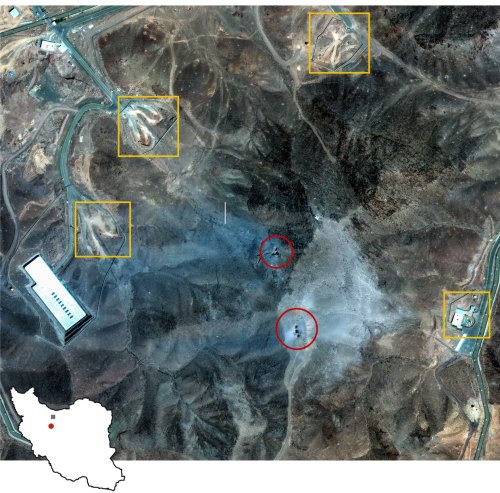
Based on the latest reports as of June 27, 2025, the U.S. attacks on Iranian nuclear sites were conducted, but their ultimate success is a matter of ongoing assessment and debate.
According to statements from U.S. officials and a preliminary intelligence report, the attacks inflicted “extremely severe damage” on three key nuclear sites: Fordow, Natanz, and Isfahan. The U.S. used specialized “bunker buster” bombs (GBU-57 Massive Ordnance Penetrator) dropped by B-2 stealth bombers, which are designed to penetrate deeply buried, hardened targets.
However, a leaked preliminary U.S. intelligence report suggests that while the sites were significantly damaged, they were not completely destroyed. The report indicates that the strikes set back Iran’s nuclear program by a matter of months, rather than the years or decades claimed by some officials. Iran has confirmed the attacks took place but insists its nuclear work will not be stopped and has reported no signs of radioactive contamination.
U.S. President Donald Trump has stated that the key nuclear facilities were “completely and fully obliterated” and that the strikes were a “spectacular military success.” This has been supported by some U.S. and Israeli officials. However, other sources, including some intelligence assessments and analysts, have offered a more cautious view, suggesting the damage was substantial but not total.
In short, the attacks inflicted significant damage, but whether they “worked” in terms of completely obliterating the program is still being determined.
Burning Questions:
- What is the current status of Iran’s nuclear program, and how has it escalated in recent years?
- How does Iran’s nuclear program impact regional and global security?
- What are the key components of Iran’s nuclear program, including its uranium enrichment activities?
- How has the international community, including the International Atomic Energy Agency (IAEA), responded to Iran’s nuclear program?
- What are the potential implications of Iran developing nuclear weapons, and how can it be prevented?
- How has Iran’s nuclear program affected its relationships with other countries, including the United States and European nations?
- What are the possible consequences of a nuclear-armed Iran, and how can diplomacy help resolve the situation?
- How does Iran’s nuclear program relate to its ballistic missile development and military capabilities?
- What role can international organizations, such as the IAEA, play in monitoring and regulating Iran’s nuclear activities?
- How might Iran’s nuclear program impact the Middle East’s stability and security?
- What are the potential benefits and drawbacks of diplomatic negotiations between Iran and other countries regarding its nuclear program?
- How can the international community balance concerns about Iran’s nuclear program with the need to engage in diplomatic efforts?
- What were the circumstances surrounding the US military strikes on Iranian nuclear facilities on June 21, 2025?
- How did the US justify its military action against Iran’s nuclear program?
- What were the targets of the US military strikes in Iran, and what damage was reported?
- How did Iran respond to the US military strikes, and what were the consequences?
- What role did international law and diplomacy play in the US decision to conduct military strikes?
- How might the US military strikes impact the future of Iran’s nuclear program and regional security?
- What are the potential long-term implications of the US military action for US-Iran relations?
- How did the international community react to the US military strikes on Iran?
- What are the possible consequences of further military escalation between the US and Iran?
- How can diplomatic efforts help de-escalate tensions between the US and Iran?
- What are the key factors influencing US policy towards Iran’s nuclear program?
- How might the US military strikes affect the global non-proliferation regime and nuclear security?
- What are the primary sources of conflict in the Middle East, and how do they intersect with the Iran nuclear issue?
- How has the conflict between Iran and other countries, including Israel and the US, escalated in recent years?
- What role do proxy wars and militias play in the Middle East conflict?
- How might the Iran nuclear program impact the regional balance of power in the Middle East?
- What are the potential humanitarian consequences of further conflict in the Middle East?
- How can diplomatic efforts and international cooperation help reduce tensions in the region?
- What are the key interests and motivations of various countries involved in the Middle East conflict?
- How might the conflict in the Middle East impact global energy markets and economic stability?
- What role can regional organizations, such as the Gulf Cooperation Council, play in promoting stability?
- How can the international community support efforts to resolve conflicts in the Middle East?
- What are the potential long-term implications of ongoing conflicts in the Middle East?
- How might a peaceful resolution to the Middle East conflict impact regional and global security?








 Prayer Point