Hymn 586.  Rejoice Jesus reigneth


Romans_5-17: For if by one man's offence death reigned by one; much more they which receive abundance of grace and of the gift of righteousness shall reign in life by one, Jesus Christ
Romans_5-17: For if by one man’s offence death reigned by one; much more they which receive abundance of grace and of the gift of righteousness shall reign in life by one, Jesus Christ

1:

Rejoice Jesus reigneth,

Amongst the sons of men,

He doned all the prisoners,

And set them free for aye;

If satan stands ‘gainst son of God,

Still his work goes on unhindered.

2:

Mission of righteousness,

Justice and peace combined,

For life, to make easy,

Shall spread over the earth,

All pagans, Jews shall bow their heads:

And confess His holy worship

3:

The power at His command,

For his own be preserved;

His high authority,

Will many pay respect:

The joyful heavens note His works,

Distant Islands obey His laws.

4:

This heavenly seedlings

Shall form a mighty tree,

As all the blessed bread;

Were made to feed mankind

Until Son of God shall come back;

We will wait proclaiming the news.

Thank You Jesus,

Salvation Prayer

If you don’t Know Jesus as your personal Lord and Saviour and would like to accept him into your life as your personal Lord and Saviour, Please say this prayer:

Father, I know that I have broken your laws and my sins have separated me from You. I am truly sorry, and now I want to turn away from my past sinful life toward You. Please forgive me, and help me avoid sinning again. I believe that Your son, Jesus Christ died for my sins, was resurrected from the dead, is alive, and hears my prayer. I invite Jesus to become the Lord of my life, to rule and reign in my heart from this day forward. Please send Your Holy Spirit to help me obey You, and to do Your Will for the rest of my life. In Jesus’ name I pray, Amen.

Support Our Ministry,

Good Morning Dear,

It cost a lot of money to maintain a website, Nonetheless a non-profit Christian website,

Please if you have been blessed by this ministry and you are led to support and bless this ministry in return,

Please make your donation to this account,

Chukwuemeka Obiorah Ogwo,

Account Number,0139438409,

Guaranty Trust Bank Plc Nigeria,

To help us continue in the spreading of The GOSPEL OF OUR LORD JESUS CHRIST to every corner of this world,

Thank You Very Much For Your Support,

May GOD, we Serve Bless You A Million Times in return, Amen,

May God Bless Israel, May God Bless Nigeria, May God Bless America And Take Care Of Us; May God Make His Face Shine Upon Us, And Be Gracious To Us; May The Lord Lift Up His Countenance Upon Us, And Give Us Peace, In Jesus Christ Name, We Pray! Amen!

May The Grace The Lord Jesus Christ, And The Love Of God, And The Fellowship Of The Holy Spirit Be With You All. Amen!

By Chukwuemeka Obiorah Ogwo,

Advertisements
Advertisements
Advertisements
Advertisements
Advertisements
Advertisements
Advertisements
Advertisements
Advertisements
Advertisements
Advertisements
Advertisements
Advertisements
Advertisements
Advertisements
Advertisements
Advertisements
Advertisements
Advertisements
Advertisements
Advertisements
Advertisements
Advertisements
Advertisements
Advertisements
Advertisements
Advertisements
Advertisements
Advertisements
Advertisements
Advertisements
Advertisements
Advertisements
Advertisements
Advertisements
Advertisements
Advertisements
Advertisements
Advertisements
Advertisements
Advertisements
Advertisements
Advertisements
Advertisements
Advertisements
Advertisements
Advertisements
Advertisements
Advertisements
Advertisements
Advertisements
Advertisements
Advertisements
Advertisements
Advertisements
Advertisements
Advertisements
Advertisements
Advertisements
Advertisements
Advertisements
Advertisements
Advertisements
Advertisements
Advertisements
Advertisements
Advertisements
Advertisements
Advertisements
Advertisements
Advertisements
Advertisements
Advertisements
Advertisements
Advertisements
Advertisements
Advertisements
Advertisements
Advertisements
Advertisements
Advertisements
Advertisements
Advertisements
Advertisements
Advertisements
Advertisements
Advertisements
Advertisements
Advertisements
Advertisements
Advertisements
Advertisements
Advertisements
Advertisements
Advertisements
Advertisements
Advertisements
Advertisements
Advertisements
Advertisements
Advertisements
Advertisements
Advertisements
Advertisements
Advertisements
Advertisements
Advertisements
Advertisements
Advertisements
Advertisements
Advertisements
Advertisements
Advertisements
Advertisements
Advertisements
Advertisements
Advertisements
Advertisements
Advertisements
Advertisements
Advertisements
Advertisements
Advertisements
Advertisements
Advertisements
Advertisements
Advertisements
Advertisements
Advertisements
Advertisements
Advertisements
Advertisements
Advertisements
Advertisements
Advertisements
Advertisements
Advertisements
Advertisements
Advertisements
Advertisements
Advertisements
Advertisements
Advertisements
Advertisements

Morning prayer


Psalms_30-5: For his anger endureth but a moment; in his favour is life: weeping may endure for a night, but joy cometh in the morning.

Lord, everything I am and have and do flows from your goodness. I love you, and thank you for all that you have done in my life. I thank you for all that you still desire of me. I praise you for holding me in the palm of your hand. Help me to embrace your vision and dream so that I can become one in you. Lord, I lay my sins at your feet so that I can know your mercy. I rely on your strength to see me through the trials and temptations in my life. Clear away any obstacles in my life so that I can receive your life in me. Strengthen me to recognize and resist every form of envy and to rejoice in all your works. May my life reflect your kind and merciful face. Holy Spirit, I give you my life and invite you to come to me, to overshadow me, and to fill me with your divine presence. Give me insight, wisdom, and strength so that I can work in accord with your will. Teach me to pray always, and fill me anew with your love. Empower me to be a blessing to everyone I meet today in the Mighty Name Of Jesus Christ AMEN

Good morning

Thank You Jesus,

Salvation Prayers

If you don’t Know Jesus as your personal Lord and Saviour and would like to accept him into your life as your personal Lord and Saviour, Please say this prayer:

Father, I know that I have broken your laws and my sins have separated me from You. I am truly sorry, and now I want to turn away from my past sinful life toward You. Please forgive me, and help me avoid sinning again. I believe that Your son, Jesus Christ died for my sins, was resurrected from the dead, is alive, and hears my prayer. I invite Jesus to become the Lord of my life, to rule and reign in my heart from this day forward. Please send Your Holy Spirit to help me obey You, and to do Your Will for the rest of my life. In Jesus’ name I pray, Amen.

Support Our Ministry,

Good Morning Dear,

It cost a lot of money to maintain a website, Nonetheless a non-profit Christian website,

Please if you have been blessed by this ministry and you are led to support and bless this ministry in return,

Please make your donation to this account,

Chukwuemeka Obiorah Ogwo,

Account Number,0139438409,

Guaranty Trust Bank Plc Nigeria,

To help us continue in the spreading of The GOSPEL OF OUR LORD JESUS CHRIST to every corner of this world,

Thank You Very Much For Your Support,

May GOD, we Serve Bless You A Million Times in return, Amen,

May God Bless Israel, Nigeria, And America And Take Care Of Us; May God Make His Face Shine Upon Us, And Be Gracious To Us; May The Lord Lift Up His Countenance Upon Us, And Give Us Peace, In Jesus Christ Name, We Pray! Amen!

May The Grace The Lord Jesus Christ, And The Love Of God, And The Fellowship Of The Holy Spirit Be With You All. Amen!

Chukwuemeka Obiorah Ogwo.

Advertisements
Advertisements
Advertisements
Advertisements
Advertisements
Advertisements
Advertisements
Advertisements
Advertisements
Advertisements
Advertisements
Advertisements
Advertisements
Advertisements
Advertisements
Advertisements
Advertisements
Advertisements
Advertisements
Advertisements
Advertisements
Advertisements
Advertisements
Advertisements
Advertisements
Advertisements
Advertisements
Advertisements
Advertisements
Advertisements
Advertisements
Advertisements
Advertisements
Advertisements
Advertisements
Advertisements
Advertisements
Advertisements
Advertisements
Advertisements
Advertisements
Advertisements
Advertisements
Advertisements
Advertisements
Advertisements
Advertisements
Advertisements
Advertisements
Advertisements
Advertisements
Advertisements
Advertisements
Advertisements
Advertisements
Advertisements
Advertisements
Advertisements
Advertisements
Advertisements
Advertisements
Advertisements
Advertisements
Advertisements
Advertisements
Advertisements
Advertisements
Advertisements
Advertisements
Advertisements
Advertisements
Advertisements
Advertisements
Advertisements
Advertisements
Advertisements
Advertisements
Advertisements
Advertisements
Advertisements
Advertisements
Advertisements
Advertisements
Advertisements
Advertisements
Advertisements
Advertisements
Advertisements
Advertisements
Advertisements
Advertisements
Advertisements
Advertisements
Advertisements
Advertisements
Advertisements
Advertisements
Advertisements
Advertisements
Advertisements
Advertisements
Advertisements
Advertisements
Advertisements
Advertisements
Advertisements
Advertisements
Advertisements
Advertisements
Advertisements
Advertisements
Advertisements
Advertisements
Advertisements
Advertisements
Advertisements
Advertisements
Advertisements
Advertisements
Advertisements
Advertisements
Advertisements
Advertisements
Advertisements
Advertisements
Advertisements
Advertisements
Advertisements
Advertisements
Advertisements
Advertisements
Advertisements
Advertisements
Advertisements
Advertisements
Advertisements
Advertisements
Advertisements
Advertisements
Advertisements
Advertisements
Advertisements
Advertisements
Advertisements
Advertisements
Advertisements
Advertisements
Advertisements
Advertisements
Advertisements
Advertisements
Advertisements
Advertisements
Advertisements
Advertisements
Advertisements
Advertisements
Advertisements
Advertisements
Advertisements
Advertisements
Advertisements
Advertisements
Advertisements
Advertisements
Advertisements
Advertisements
Advertisements
Advertisements
Advertisements
Advertisements
Advertisements
Advertisements
Advertisements
Advertisements
Advertisements
Advertisements
Advertisements
Advertisements
Advertisements
Advertisements
Advertisements
Advertisements
Advertisements
Advertisements
Advertisements
Advertisements
Advertisements
Advertisements
Advertisements
Advertisements
Advertisements
Advertisements
Advertisements
Advertisements
Advertisements
Advertisements
Advertisements
Advertisements
Advertisements
Advertisements
Advertisements
Advertisements
Advertisements
Advertisements
Advertisements
Advertisements
Advertisements
Advertisements
Advertisements
Advertisements
Advertisements
Advertisements
Advertisements
Advertisements
Advertisements
Advertisements
Advertisements
Advertisements
Advertisements
Advertisements
Advertisements
Advertisements
Advertisements
Advertisements
Advertisements
Advertisements
Advertisements
Advertisements
Advertisements
Advertisements
Advertisements
Advertisements
Advertisements
Advertisements
Advertisements
Advertisements
Advertisements
Advertisements
Advertisements
Advertisements
Advertisements
Advertisements
Advertisements
Advertisements
Advertisements
Advertisements
Advertisements
Advertisements
Advertisements
Advertisements
Advertisements
Advertisements
Advertisements
Advertisements
Advertisements
Advertisements
Advertisements
Advertisements
Advertisements
Advertisements
Advertisements
Advertisements
Advertisements
Advertisements
Advertisements
Advertisements
Advertisements
Advertisements
Advertisements
Advertisements
Advertisements
Advertisements
Advertisements
Advertisements
Advertisements
Advertisements
Advertisements
Advertisements
Advertisements
Advertisements
Advertisements
Advertisements
Advertisements
Advertisements
Advertisements
Advertisements
Advertisements
Advertisements
Advertisements
Advertisements
Advertisements
Advertisements
Advertisements
Advertisements
Advertisements
Advertisements
Advertisements
Advertisements
Advertisements
Advertisements
Advertisements
Advertisements
Advertisements
Advertisements
Advertisements
Advertisements
Advertisements
Advertisements
Advertisements
Advertisements
Advertisements
Advertisements
Advertisements
Advertisements
Advertisements
Advertisements
Advertisements
Advertisements
Advertisements
Advertisements
Advertisements
Advertisements
Advertisements
Advertisements
Advertisements
Advertisements
Advertisements
Advertisements
Advertisements
Advertisements
Advertisements
Advertisements
Advertisements
Advertisements
Advertisements
Advertisements
Advertisements
Advertisements
Advertisements
Advertisements
Advertisements
Advertisements
Advertisements
Advertisements
Advertisements
Advertisements
Advertisements
Advertisements
Advertisements
Advertisements
Advertisements
Advertisements
Advertisements
Advertisements
Advertisements
Advertisements
Advertisements
Advertisements
Advertisements
Advertisements
Advertisements
Advertisements
Advertisements
Advertisements
Advertisements
Advertisements
Advertisements
Advertisements
Advertisements
Advertisements
Advertisements
Advertisements
Advertisements
Advertisements
Advertisements
Advertisements
Advertisements
Advertisements
Advertisements
Advertisements
Advertisements
Advertisements
Advertisements
Advertisements
Advertisements
Advertisements
Advertisements
Advertisements
Advertisements
Advertisements
Advertisements
Advertisements
Advertisements
Advertisements
Advertisements
Advertisements
Advertisements
Advertisements
Advertisements
Advertisements
Advertisements
Advertisements
Advertisements
Advertisements
Advertisements
Advertisements
Advertisements
Advertisements
Advertisements
Advertisements
Advertisements
Advertisements
Advertisements
Advertisements
Advertisements
Advertisements
Advertisements
Advertisements
Advertisements
Advertisements
Advertisements
Advertisements
Advertisements
Advertisements
Advertisements
Advertisements
Advertisements
Advertisements
Advertisements
Advertisements
Advertisements
Advertisements
Advertisements
Advertisements
Advertisements
Advertisements
Advertisements
Advertisements
Advertisements
Advertisements
Advertisements
Advertisements
Advertisements
Advertisements
Advertisements
Advertisements
Advertisements
Advertisements
Advertisements
Advertisements
Advertisements
Advertisements
Advertisements
Advertisements
Advertisements
Advertisements
Advertisements
Advertisements
Advertisements
Advertisements
Advertisements
Advertisements
Advertisements
Advertisements
Advertisements
Advertisements
Advertisements
Advertisements
Advertisements
Advertisements
Advertisements
Advertisements
Advertisements
Advertisements
Advertisements
Advertisements
Advertisements
Advertisements
Advertisements
Advertisements
Advertisements
Advertisements
Advertisements
Advertisements
Advertisements
Advertisements
Advertisements
Advertisements
Advertisements
Advertisements
Advertisements
Advertisements
Advertisements
Advertisements
Advertisements
Advertisements
Advertisements
Advertisements
Advertisements
Advertisements
Advertisements
Advertisements
Advertisements
Advertisements
Advertisements
Advertisements
Advertisements
Advertisements
Advertisements
Advertisements
Advertisements
Advertisements
Advertisements
Advertisements
Advertisements
Advertisements
Advertisements
Advertisements
Advertisements
Advertisements
Advertisements
Advertisements
Advertisements
Advertisements
Advertisements
Advertisements
Advertisements
Advertisements
Advertisements
Advertisements
Advertisements
Advertisements
Advertisements
Advertisements
Advertisements
Advertisements
Advertisements
Advertisements
Advertisements
Advertisements
Advertisements
Advertisements
Advertisements
Advertisements
Advertisements
Advertisements
Advertisements
Advertisements
Advertisements
Advertisements
Advertisements
Advertisements
Advertisements
Advertisements
Advertisements
Advertisements
Advertisements
Advertisements
Advertisements
Advertisements
Advertisements
Advertisements
Advertisements
Advertisements
Advertisements
Advertisements
Advertisements
Advertisements
Advertisements
Advertisements
Advertisements
Advertisements
Advertisements
Advertisements
Advertisements
Advertisements
Advertisements
Advertisements
Advertisements
Advertisements
Advertisements
Advertisements
Advertisements
Advertisements
Advertisements
Advertisements
Advertisements
Advertisements
Advertisements
Advertisements
Advertisements
Advertisements
Advertisements
Advertisements
Advertisements
Advertisements
Advertisements
Advertisements
Advertisements
Advertisements
Advertisements
Advertisements
Advertisements
Advertisements
Advertisements
Advertisements
Advertisements
Advertisements
Advertisements
Advertisements
Advertisements
Advertisements
Advertisements
Advertisements
Advertisements
Advertisements
Advertisements
Advertisements
Advertisements
Advertisements
Advertisements
Advertisements
Advertisements
Advertisements
Advertisements
Advertisements
Advertisements
Advertisements
Advertisements
Advertisements
Advertisements
Advertisements
Advertisements
Advertisements
Advertisements
Advertisements
Advertisements
Advertisements
Advertisements
Advertisements
Advertisements
Advertisements
Advertisements
Advertisements
Advertisements
Advertisements
Advertisements
Advertisements
Advertisements
Advertisements
Advertisements
Advertisements
Advertisements
Advertisements
Advertisements
Advertisements
Advertisements
Advertisements
Advertisements
Advertisements
Advertisements
Advertisements
Advertisements
Advertisements
Advertisements
Advertisements
Advertisements
Advertisements
Advertisements
Advertisements
Advertisements
Advertisements
Advertisements
Advertisements
Advertisements
Advertisements
Advertisements
Advertisements
Advertisements
Advertisements
Advertisements
Advertisements
Advertisements
Advertisements
Advertisements
Advertisements
Advertisements
Advertisements
Advertisements
Advertisements
Advertisements
Advertisements
Advertisements
Advertisements
Advertisements
Advertisements
Advertisements
Advertisements
Advertisements
Advertisements
Advertisements
Advertisements
Advertisements
Advertisements
Advertisements
Advertisements
Advertisements
Advertisements
Advertisements
Advertisements
Advertisements
Advertisements
Advertisements
Advertisements
Advertisements
Advertisements
Advertisements
Advertisements
Advertisements
Advertisements
Advertisements
Advertisements
Advertisements
Advertisements
Advertisements
Advertisements
Advertisements
Advertisements
Advertisements
Advertisements
Advertisements
Advertisements
Advertisements
Advertisements
Advertisements
Advertisements
Advertisements
Advertisements
Advertisements
Advertisements
Advertisements
Advertisements
Advertisements
Advertisements
Advertisements
Advertisements
Advertisements
Advertisements
Advertisements
Advertisements
Advertisements
Advertisements
Advertisements
Advertisements
Advertisements
Advertisements
Advertisements
Advertisements
Advertisements
Advertisements
Advertisements
Advertisements
Advertisements
Advertisements
Advertisements
Advertisements
Advertisements
Advertisements
Advertisements
Advertisements
Advertisements
Advertisements
Advertisements
Advertisements
Advertisements
Advertisements
Advertisements
Advertisements
Advertisements
Advertisements
Advertisements
Advertisements
Advertisements
Advertisements
Advertisements
Advertisements
Advertisements
Advertisements
Advertisements
Advertisements
Advertisements
Advertisements
Advertisements
Advertisements
Advertisements
Advertisements
Advertisements
Advertisements
Advertisements
Advertisements
Advertisements
Advertisements
Advertisements
Advertisements
Advertisements
Advertisements
Advertisements
Advertisements
Advertisements
Advertisements

Who Are You?


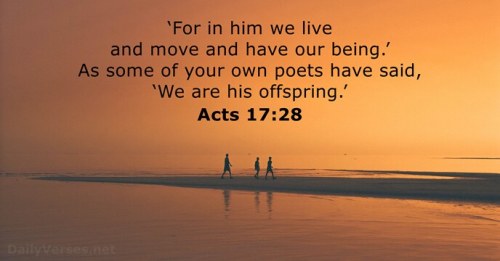
acts-17:28: For in him we live, and move, and have our being; as certain also of your own poets have said, For we are also his offspring.

My people are destroyed for lack of knowledge… Hosea 4:6

Has anyone ever asked you who you are? You should always have an answer for such questions. You are somebody special, made in the image and likeness of God. You are the child of the most High God, and He lives in you through the Holy Spirit, who knows all things, teaches, guides and lives in you.

There’s absolutely nothing ordinary about you; therefore refuse to let just anything happen to you. Learn to take control of your body, country, school and family, through your words of faith and in the Name of Jesus.

Thank You Jesus,

Salvation Prayers

If you don’t Know Jesus as your personal Lord and Saviour and would like to accept him into your life as your personal Lord and Saviour, Please say this prayer:

Father, I know that I have broken your laws and my sins have separated me from You. I am truly sorry, and now I want to turn away from my past sinful life toward You. Please forgive me, and help me avoid sinning again. I believe that Your son, Jesus Christ died for my sins, was resurrected from the dead, is alive, and hears my prayer. I invite Jesus to become the Lord of my life, to rule and reign in my heart from this day forward. Please send Your Holy Spirit to help me obey You, and to do Your Will for the rest of my life. In Jesus’ name I pray, Amen.

Support Our Ministry,

Good Morning Dear,

It cost a lot of money to maintain a website, Nonetheless a non-profit Christian website,

Please if you have been blessed by this ministry and you are led to support and bless this ministry in return,

Please make your donation to this account,

Chukwuemeka Obiorah Ogwo,

Account Number,0139438409,

Guaranty Trust Bank Plc Nigeria,

To help us continue in the spreading of The GOSPEL OF OUR LORD JESUS CHRIST to every corner of this world,

Thank You Very Much For Your Support,

May GOD, we Serve Bless You A Million Times in return, Amen,

May God Bless Israel, May God Bless Nigeria, May God Bless America And Take Care Of Us; May God Make His Face Shine Upon Us, And Be Gracious To Us; May The Lord Lift Up His Countenance Upon Us, And Give Us Peace, In Jesus Christ Name, We Pray! Amen!

May The Grace The Lord Jesus Christ, And The Love Of God, And The Fellowship Of The Holy Spirit Be With You All. Amen!
By Chukwuemeka Obiorah Ogwo,

Spiritual Exercise:

  1. What Bible verse is quoted at the beginning of the text, and what does it state is a cause of destruction?
  2. What is the reader encouraged to always have an answer for?
  3. What is the fundamental nature of a person who is a “child of the most High God”?
  4. Through whom does God live in a believer, according to the text?
  5. What qualities or roles does the Holy Spirit possess for the believer?
  6. What specific phrase is used to describe the nature of a child of God, implying they are not ordinary?
  7. What areas of life is the reader encouraged to take control of?
  8. By what means should one take control of their life and circumstances?
  9. What is the purpose of the “Salvation Prayer” provided in the text?
  10. What is the overarching goal of supporting the ministry mentioned in the text?
  11. What does it mean to be godly, and how can believers demonstrate godliness in their lives?
  12. How does the Bible describe the characteristics of godly people?
  13. What role does faith play in living a godly life?
  14. How can believers prioritize their relationship with God and grow in godliness?
  15. What are some biblical examples of people who demonstrated godliness, and what can we learn from them?
  16. How can believers overcome obstacles to living a godly life?
  17. What is the relationship between godliness and humility?
  18. How can believers demonstrate godliness in their daily interactions and relationships?
  19. What are some practical ways to cultivate godliness in one’s life?
  20. How can godliness impact one’s relationships and overall well-being?
  21. What does it mean to be just, and how can believers demonstrate justice in their lives?
  22. How does the Bible describe the characteristics of just people?
  23. What role does faith play in living a just life?
  24. How can believers prioritize justice and righteousness in their relationships and interactions?
  25. What are some biblical examples of people who demonstrated justice, and what can we learn from them?
  26. How can believers overcome obstacles to living a just life?
  27. What is the relationship between justice and compassion?
  28. How can believers demonstrate justice in their communities and the world?
  29. What are some practical ways to cultivate justice in one’s life?
  30. How can justice impact one’s relationships and overall well-being?
  31. What does it mean to be the light of the world, and how can believers demonstrate this in their lives?
  32. How does Jesus describe His followers as light in the Bible?
  33. What role does faith play in shining as light in the world?
  34. How can believers prioritize sharing the gospel and demonstrating God’s love?
  35. What are some biblical examples of people who shone as light in the world?
  36. How can believers overcome obstacles to shining as light in the world?
  37. What is the relationship between light and darkness in the Bible?
  38. How can believers demonstrate light in their daily interactions and relationships?
  39. What are some practical ways to shine as light in the world?
  40. How can being light impact one’s relationships and overall well-being?
  41. What does it mean to be the salt of the earth, and how can believers demonstrate this in their lives?
  42. How does Jesus describe His followers as salt in the Bible?
  43. What role does faith play in preserving and seasoning the world?
  44. How can believers prioritize living out their faith in practical ways?
  45. What are some biblical examples of people who demonstrated the qualities of salt?
  46. How can believers overcome obstacles to being salt in the world?
  47. What is the relationship between salt and preservation in the Bible?
  48. How can believers demonstrate saltiness in their daily interactions and relationships?
  49. What are some practical ways to be salt in the world?
  50. How can being salt impact one’s relationships and overall well-being?
  51. What does it mean to be faithful, and how can believers demonstrate faithfulness in their lives?
  52. How does the Bible describe the characteristics of faithful people?
  53. What role does trust play in being faithful to God and others?
  54. How can believers prioritize their relationship with God and remain faithful?
  55. What are some biblical examples of people who demonstrated faithfulness, and what can we learn from them?
  56. How can believers overcome obstacles to being faithful?
  57. What is the relationship between faithfulness and obedience to God?
  58. How can believers demonstrate faithfulness in their daily interactions and relationships?
  59. What are some practical ways to cultivate faithfulness in one’s life?
  60. How can faithfulness impact one’s relationships and overall well-being?
  61. What does it mean to be a Christian, and how can believers live out their faith?
  62. How did early Christians demonstrate their faith and commitment to Christ?
  63. What role does community play in the lives of Christians?
  64. How can believers prioritize their relationship with God and grow in their faith?
  65. What are some biblical examples of Christians who demonstrated courage and conviction?
  66. How can believers overcome challenges and persecution for their faith?
  67. What is the relationship between being a Christian and living a life of service?
  68. How can believers demonstrate their love for Christ and others?
  69. What are some practical ways to live out one’s faith as a Christian?
  70. How can being a Christian impact one’s relationships and overall well-being?
  71. What does it mean to be a child of God, and how can believers understand their identity?
  72. How does the Bible describe the relationship between God and His children?
  73. What role does faith play in experiencing the benefits of being a child of God?
  74. How can believers prioritize their relationship with God and grow in their understanding of their identity?
  75. What are some biblical examples of people who understood their identity as children of God?
  76. How can believers overcome feelings of insecurity and doubt about their identity?
  77. What is the relationship between being a child of God and experiencing love and acceptance?
  78. How can believers demonstrate their identity as children of God in their daily lives?
  79. What are some practical ways to cultivate a deeper understanding of being a child of God?
  80. How can understanding one’s identity as a child of God impact relationships and overall well-being?
  81. What does it mean to be a son of God, and how can believers understand their relationship with Him?
  82. How does the Bible describe the characteristics of sons of God?
  83. What role does faith play in experiencing the benefits of being a son of God?
  84. How can believers prioritize their relationship with God and grow in their understanding of their sonship?
  85. What are some biblical examples of people who demonstrated sonship, and what can we learn from them?
  86. How can believers overcome obstacles to living as sons of God?
  87. What is the relationship between sonship and inheritance in the Bible?
  88. How can believers demonstrate their sonship in their daily lives and relationships?
  89. What are some practical ways to cultivate a deeper understanding of being a son of God?
  90. How can understanding one’s identity as a son of God impact relationships and overall well-being?
  91. What does it mean to be an heir of God and co-heir with Christ, and how can believers understand their inheritance?
  92. How does the Bible describe the relationship between believers and their heavenly Father?
  93. What role does faith play in experiencing the benefits of being an heir of God?
  94. How can believers prioritize their relationship with God and grow in their understanding of their inheritance?
  95. What are some biblical examples of people who demonstrated trust and obedience to God?
  96. How can believers overcome obstacles to experiencing their inheritance in Christ?
  97. What is the relationship between being an heir of God and living a life of obedience?
  98. How can believers demonstrate their identity as co-heirs with Christ in their daily lives?
  99. What are some practical ways to cultivate a deeper understanding of being an heir of God?
  100. How can understanding one’s identity as an heir of God impact relationships and overall well-being?
  101. What does it mean to be reconciled to God, and how can believers experience this reconciliation?
  102. How does the Bible describe the process of reconciliation between God and humanity?
  103. What role does faith play in experiencing reconciliation with God?
  104. How can believers prioritize their relationship with God and grow in their understanding of reconciliation?
  105. What are some biblical examples of people who experienced reconciliation with God?
  106. How can believers overcome obstacles to experiencing reconciliation with God?
  107. What is the relationship between reconciliation and forgiveness in the Bible?
  108. How can believers demonstrate their reconciliation with God in their daily lives?
  109. What are some practical ways to cultivate a deeper understanding of reconciliation with God?
  110. How can reconciliation with God impact relationships and overall well-being?
  111. What does it mean to be a friend of Jesus, and how can believers deepen their relationship with Him?
  112. How does the Bible describe the relationship between Jesus and His friends?
  113. What role does faith play in experiencing a deep and meaningful relationship with Jesus?
  114. How can believers prioritize their relationship with Jesus and grow in their understanding of His love?
  115. What are some biblical examples of people who were friends of Jesus?
  116. How can believers overcome obstacles to being friends with Jesus?
  117. What is the relationship between being a friend of Jesus and obedience to Him?
  118. How can believers demonstrate their friendship with Jesus in their daily lives?
  119. What are some practical ways to cultivate a deeper relationship with Jesus?
  120. How can being a friend of Jesus impact relationships and overall well-being?
  121. What does it mean to be chosen and predestined in Christ Jesus, and how can believers understand their purpose?
  122. How does the Bible describe the relationship between God’s sovereignty and human choice?
  123. What role does faith play in experiencing the benefits of being chosen and predestined?
  124. How can believers prioritize their relationship with God and grow in their understanding of their purpose?
  125. What are some biblical examples of people who were chosen and predestined by God?
  126. How can believers overcome obstacles to living out their purpose?
  127. What is the relationship between being chosen and predestined and living a life of obedience?
  128. How can believers demonstrate their understanding of their purpose in their daily lives?
  129. What are some practical ways to cultivate a deeper understanding of being chosen and predestined?
  130. How can understanding one’s purpose impact relationships and overall well-being?
  131. What does it mean to be accepted in the Beloved, and how can believers understand their identity in Christ?
  132. How does the Bible describe the relationship between believers and God’s love?
  133. What role does faith play in experiencing acceptance in Christ?
  134. How can believers prioritize their relationship with God and grow in their understanding of their acceptance?
  135. What are some biblical examples of people who experienced acceptance and love from God?
  136. How can believers overcome feelings of rejection and inadequacy?
  137. What is the relationship between acceptance in Christ and self-worth?
  138. How can believers demonstrate their acceptance in Christ in their daily lives?
  139. What are some practical ways to cultivate a deeper understanding of being accepted in Christ?
  140. How can acceptance in Christ impact relationships and overall well-being?
  141. What does it mean to be holy and blameless in Christ, and how can believers live out this identity?
  142. How does the Bible describe the relationship between holiness and our relationship with God?
  143. What role does faith play in experiencing holiness and blamelessness in Christ?
  144. How can believers prioritize their relationship with God and grow in holiness?
  145. What are some biblical examples of people who demonstrated holiness and blamelessness?
  146. How can believers overcome obstacles to living a holy and blameless life?
  147. What is the relationship between holiness and obedience to God?
  148. How can believers demonstrate their holiness in their daily interactions and relationships?
  149. What are some practical ways to cultivate holiness in one’s life?
  150. How can living a holy and blameless life impact relationships and overall well-being?
  151. What does it mean to be a new creation in Christ, and how can believers understand their transformation?
  152. How does the Bible describe the relationship between old and new life in Christ?
  153. What role does faith play in experiencing new life in Christ?
  154. How can believers prioritize their relationship with God and grow in their understanding of their new identity?
  155. What are some biblical examples of people who experienced transformation and new life?
  156. How can believers overcome obstacles to living as a new creation?
  157. What is the relationship between being a new creation and living a life of obedience?
  158. How can believers demonstrate their new identity in Christ in their daily lives?
  159. What are some practical ways to cultivate a deeper understanding of being a new creation?
  160. How can being a new creation impact relationships and overall well-being?
  161. What does it mean to experience the righteousness of God in Christ, and how can believers understand their standing before God?
  162. How does the Bible describe the relationship between God’s righteousness and human sin?
  163. What role does faith play in experiencing the righteousness of God?
  164. How can believers prioritize their relationship with God and grow in their understanding of righteousness?
  165. What are some biblical examples of people who experienced God’s righteousness?
  166. How can believers overcome obstacles to living a life of righteousness?
  167. What is the relationship between God’s righteousness and our justification?
  168. How can believers demonstrate their understanding of God’s righteousness in their daily lives?
  169. What are some practical ways to cultivate a deeper understanding of God’s righteousness?
  170. How can experiencing God’s righteousness impact relationships and overall well-being?
  171. What does it mean to be justified and forgiven in Christ, and how can believers understand their standing before God?
  172. How does the Bible describe the relationship between justification and forgiveness and our relationship with God?
  173. What role does faith play in experiencing justification and forgiveness in Christ?
  174. How can believers prioritize their relationship with God and grow in their understanding of justification and forgiveness?
  175. What are some biblical examples of people who experienced justification and forgiveness?
  176. How can believers overcome feelings of guilt and shame?
  177. What is the relationship between justification and sanctification?
  178. How can believers demonstrate their understanding of justification and forgiveness in their daily lives?
  179. What are some practical ways to cultivate a deeper understanding of justification and forgiveness?
  180. How can experiencing justification and forgiveness impact relationships and overall well-being?
  181. What does it mean to be redeemed and purchased in Christ, and how can believers understand their value and worth?
  182. How does the Bible describe the relationship between redemption and our relationship with God?
  183. What role does faith play in experiencing redemption and being purchased by Christ?
  184. How can believers prioritize their relationship with God and grow in their understanding of redemption?
  185. What are some biblical examples of people who experienced redemption?
  186. How can believers overcome feelings of being trapped or enslaved?
  187. What is the relationship between redemption and freedom in Christ?
  188. How can believers demonstrate their understanding of redemption in their daily lives?
  189. What are some practical ways to cultivate a deeper understanding of redemption?
  190. How can experiencing redemption impact relationships and overall well-being?
  191. What does it mean to be holy and sanctified in Christ, and how can believers live out this identity?
  192. How does the Bible describe the relationship between holiness and our relationship with God?
  193. What role does faith play in experiencing holiness and sanctification?
  194. How can believers prioritize their relationship with God and grow in holiness?
  195. What are some biblical examples of people who demonstrated holiness?
  196. How can believers overcome obstacles to living a holy life?
  197. What is the relationship between holiness and obedience to God?
  198. How can believers demonstrate their holiness in their daily interactions and relationships?
  199. What are some practical ways to cultivate holiness in one’s life?
  200. How can living a holy life impact relationships and overall well-being?
  201. What does it mean to be an heir of God and a fellow heir with Christ, and how can believers understand their inheritance?
  202. How does the Bible describe the relationship between believers and their heavenly Father?
  203. What role does faith play in experiencing the benefits of being an heir of God?
  204. How can believers prioritize their relationship with God and grow in their understanding of their inheritance?
  205. What are some biblical examples of people who demonstrated trust and obedience to God?
  206. How can believers overcome obstacles to experiencing their inheritance?
  207. What is the relationship between being an heir of God and living a life of obedience?
  208. How can believers demonstrate their identity as heirs of God in their daily lives?
  209. What are some practical ways to cultivate a deeper understanding of being an heir of God?
  210. How can understanding one’s identity as an heir of God impact relationships and overall well-being?
  211. What does it mean to be set free from sin’s power, and how can believers understand their newfound freedom?
  212. How does the Bible describe the relationship between sin and freedom in Christ?
  213. What role does faith play in experiencing freedom from sin’s power?
  214. How can believers prioritize their relationship with God and grow in their understanding of freedom?
  215. What are some biblical examples of people who experienced freedom from sin’s power?
  216. How can believers overcome obstacles to living a life free from sin’s power?
  217. What is the relationship between freedom from sin and living a life of obedience?
  218. How can believers demonstrate their freedom in Christ in their daily lives?
  219. What are some practical ways to cultivate a deeper understanding of freedom from sin?
  220. How can experiencing freedom from sin’s power impact relationships and overall well-being?
  221. What does it mean to be sanctified in Christ, and how can believers understand their new identity?
  222. How does the Bible describe the relationship between sanctification and our relationship with God?
  223. What role does faith play in experiencing sanctification?
  224. How can believers prioritize their relationship with God and grow in sanctification?
  225. What are some biblical examples of people who demonstrated sanctification?
  226. How can believers overcome obstacles to living a sanctified life?
  227. What is the relationship between sanctification and obedience to God?
  228. How can believers demonstrate their sanctification in their daily interactions and relationships?
  229. What are some practical ways to cultivate sanctification in one’s life?
  230. How can living a sanctified life impact relationships and overall well-being?
  231. What does it mean to be indwelt by the Holy Spirit, and how can believers understand their new relationship with God?
  232. How does the Bible describe the role of the Holy Spirit in the life of a believer?
  233. What role does faith play in experiencing the indwelling presence of the Holy Spirit?
  234. How can believers prioritize their relationship with the Holy Spirit and grow in their understanding of His role?
  235. What are some biblical examples of people who experienced the indwelling presence of the Holy Spirit?
  236. How can believers overcome obstacles to living a Spirit-filled life?
  237. What is the relationship between the indwelling Spirit and living a life of obedience?
  238. How can believers demonstrate the fruit of the Spirit in their daily lives?
  239. What are some practical ways to cultivate a deeper relationship with the Holy Spirit?
  240. How can experiencing the indwelling presence of the Holy Spirit impact relationships and overall well-being?
  241. What does it mean to possess the mind of Christ, and how can believers understand their new perspective?
  242. How does the Bible describe the relationship between the mind of Christ and our thoughts and actions?
  243. What role does faith play in experiencing the mind of Christ?
  244. How can believers prioritize their relationship with God and grow in their understanding of the mind of Christ?
  245. What are some biblical examples of people who demonstrated the mind of Christ?
  246. How can believers overcome obstacles to thinking like Christ?
  247. What is the relationship between the mind of Christ and living a life of wisdom?
  248. How can believers demonstrate the mind of Christ in their daily interactions and relationships?
  249. What are some practical ways to cultivate the mind of Christ?
  250. How can possessing the mind of Christ impact relationships and overall well-being?
  251. What does it mean to be God’s workmanship, and how can believers understand their value and purpose?
  252. How does the Bible describe the relationship between God and His creation?
  253. What role does faith play in understanding one’s identity as God’s workmanship?
  254. How can believers prioritize their relationship with God and grow in their understanding of their purpose?
  255. What are some biblical examples of people who demonstrated their identity as God’s workmanship?
  256. How can believers overcome feelings of inadequacy and low self-worth?
  257. What is the relationship between being God’s workmanship and living a life of obedience?
  258. How can believers demonstrate their understanding of being God’s workmanship in their daily lives?
  259. What are some practical ways to cultivate a deeper understanding of being God’s workmanship?
  260. How can understanding one’s identity as God’s workmanship impact relationships and overall well-being?
  261. What does it mean to be a masterpiece of God, and how can believers understand their value and uniqueness?
  262. How does the Bible describe the relationship between God and His creation?
  263. What role does faith play in understanding one’s identity as a masterpiece?
  264. How can believers prioritize their relationship with God and grow in their understanding of their uniqueness?
  265. What are some biblical examples of people who demonstrated their identity as masterpieces?
  266. How can believers overcome feelings of inadequacy and comparison?
  267. What is the relationship between being a masterpiece and living a life of purpose?
  268. How can believers demonstrate their understanding of being a masterpiece in their daily lives?
  269. What are some practical ways to cultivate a deeper understanding of being a masterpiece?
  270. How can understanding one’s identity as a masterpiece impact relationships and overall well-being?
  271. What does it mean to be an ambassador for Christ, and how can believers understand their role?
  272. How does the Bible describe the relationship between ambassadors and their message?
  273. What role does faith play in representing Christ effectively?
  274. How can believers prioritize their relationship with God and grow in their understanding of their role as ambassadors?
  275. What are some biblical examples of people who demonstrated their role as ambassadors?
  276. How can believers overcome obstacles to representing Christ effectively?
  277. What is the relationship between being an ambassador and living a life of integrity?
  278. How can believers demonstrate their understanding of being ambassadors in their daily lives?
  279. What are some practical ways to cultivate a deeper understanding of being an ambassador for Christ?
  280. How can being an ambassador for Christ impact relationships and overall well-being?
  281. What does it mean to be salt and light, and how can believers understand their role in the world?
  282. How does the Bible describe the relationship between salt, light, and our impact on others?
  283. What role does faith play in living out one’s role as salt and light?
  284. How can believers prioritize their relationship with God and grow in their understanding of their role?
  285. What are some biblical examples of people who demonstrated their role as salt and light?
  286. How can believers overcome obstacles to living out their role?
  287. What is the relationship between being salt and light and living a life of purpose?
  288. How can believers demonstrate their understanding of being salt and light in their daily lives?
  289. What are some practical ways to cultivate a deeper understanding of being salt and light?
  290. How can being salt and light impact relationships and overall well-being?
  291. What does it mean to be God’s special possession, and how can believers understand their value?
  292. How does the Bible describe the relationship between God and His people?
  293. What role does faith play in experiencing the benefits of being God’s special possession?
  294. How can believers prioritize their relationship with God and grow in their understanding of their value?
  295. What are some biblical examples of people who demonstrated their understanding of being God’s special possession?
  296. How can believers overcome feelings of worthlessness and inadequacy?
  297. What is the relationship between being God’s special possession and living a life of obedience?
  298. How can believers demonstrate their understanding of being God’s special possession in their daily lives?
  299. What are some practical ways to cultivate a deeper understanding of one’s value as God’s special possession?
  300. How can understanding one’s identity as God’s special possession impact relationships and overall well-being?
  301. What does it mean to experience no condemnation in Christ, and how can believers understand their standing before God?
  302. How does the Bible describe the relationship between condemnation and freedom in Christ?
  303. What role does faith play in experiencing freedom from condemnation?
  304. How can believers prioritize their relationship with God and grow in their understanding of no condemnation?
  305. What are some biblical examples of people who experienced freedom from condemnation?
  306. How can believers overcome feelings of guilt and shame?
  307. What is the relationship between no condemnation and living a life of obedience?
  308. How can believers demonstrate their understanding of no condemnation in their daily lives?
  309. What are some practical ways to cultivate a deeper understanding of freedom from condemnation?
  310. How can experiencing no condemnation impact relationships and overall well-being?
  311. What does it mean to be hidden with Christ in God, and how can believers understand their security?
  312. How does the Bible describe the relationship between believers and their position in Christ?
  313. What role does faith play in experiencing the benefits of being hidden with Christ?
  314. How can believers prioritize their relationship with God and grow in their understanding of their security?
  315. What are some biblical examples of people who demonstrated their understanding of being hidden with Christ?
  316. How can believers overcome fears and anxieties about their future?
  317. What is the relationship between being hidden with Christ and living a life of trust?
  318. How can believers demonstrate their understanding of being hidden with Christ in their daily lives?
  319. What are some practical ways to cultivate a deeper understanding of one’s security in Christ?
  320. How can understanding one’s position as hidden with Christ impact relationships and overall well-being?
  321. What does it mean to be more than conquerors in Christ, and how can believers understand their victory?
  322. How does the Bible describe the relationship between believers and their victory in Christ?
  323. What role does faith play in experiencing victory over challenges?
  324. How can believers prioritize their relationship with God and grow in their understanding of their victory?
  325. What are some biblical examples of people who demonstrated their understanding of being more than conquerors?
  326. How can believers overcome obstacles and challenges in their lives?
  327. What is the relationship between being more than conquerors and living a life of faith?
  328. How can believers demonstrate their understanding of being more than conquerors in their daily lives?
  329. What are some practical ways to cultivate a deeper understanding of one’s victory in Christ?
  330. How can understanding one’s position as more than conquerors impact relationships and overall well-being?
  331. What does it mean to be assured of eternal life, and how can believers understand their future?
  332. How does the Bible describe the relationship between faith and eternal life?
  333. What role does faith play in experiencing assurance of eternal life?
  334. How can believers prioritize their relationship with God and grow in their understanding of eternal life?
  335. What are some biblical examples of people who demonstrated assurance of eternal life?
  336. How can believers overcome doubts and fears about their eternal future?
  337. What is the relationship between eternal life and living a life of obedience?
  338. How can believers demonstrate their understanding of eternal life in their daily lives?
  339. What are some practical ways to cultivate a deeper understanding of eternal life?
  340. How can assurance of eternal life impact relationships and overall well-being?
  341. What does it mean to be seated with Christ in heavenly realms, and how can believers understand their position?
  342. How does the Bible describe the relationship between believers and their position in Christ?
  343. What role does faith play in experiencing the benefits of being seated with Christ?
  344. How can believers prioritize their relationship with God and grow in their understanding of their position?
  345. What are some biblical examples of people who demonstrated their understanding of being seated with Christ?
  346. How can believers overcome obstacles to living out their position in Christ?
  347. What is the relationship between being seated with Christ and living a life of authority?
  348. How can believers demonstrate their understanding of being seated with Christ in their daily lives?
  349. What are some practical ways to cultivate a deeper understanding of one’s position in Christ?
  350. How can understanding one’s position in Christ impact relationships and overall well-being?
  351. What does it mean to be a new creation in Christ, and how can believers understand their transformation?
  352. How does the Bible describe the relationship between old and new life in Christ?
  353. What role does faith play in experiencing new life in Christ?
  354. How can believers prioritize their relationship with God and grow in their understanding of their new identity?
  355. What are some biblical examples of people who demonstrated their new identity in Christ?
  356. How can believers overcome obstacles to living out their new life?
  357. What is the relationship between being a new creation and living a life of obedience?
  358. How can believers demonstrate their new identity in Christ in their daily lives?
  359. What are some practical ways to cultivate a deeper understanding of being a new creation?
  360. How can understanding one’s identity as a new creation impact relationships and overall well-being?
  361. What does it mean to be a son or daughter of God, and how can believers understand their relationship with Him?
  362. How does the Bible describe the relationship between believers and their heavenly Father?
  363. What role does faith play in experiencing the benefits of being a son or daughter of God?
  364. How can believers prioritize their relationship with God and grow in their understanding of their identity?
  365. What are some biblical examples of people who demonstrated their understanding of being a son or daughter of God?
  366. How can believers overcome feelings of insecurity and doubt about their identity?
  367. What is the relationship between being a son or daughter of God and living a life of obedience?
  368. How can believers demonstrate their understanding of being a son or daughter of God in their daily lives?
  369. What are some practical ways to cultivate a deeper understanding of one’s identity as a son or daughter of God?
  370. How can understanding one’s identity as a son or daughter of God impact relationships and overall well-being?
  371. What does it mean to be a member of the Body of Christ, and how can believers understand their role?
  372. How does the Bible describe the relationship between members of the Body of Christ?
  373. What role does faith play in functioning as a member of the Body of Christ?
  374. How can believers prioritize their relationship with other members of the Body?
  375. What are some biblical examples of people who demonstrated their role in the Body of Christ?
  376. How can believers overcome obstacles to unity and cooperation within the Body?
  377. What is the relationship between being a member of the Body of Christ and serving others?
  378. How can believers demonstrate their understanding of being a member of the Body in their daily lives?
  379. What are some practical ways to cultivate a deeper understanding of one’s role in the Body?
  380. How can being a member of the Body of Christ impact relationships and overall well-being?
  381. What does it mean to be part of a chosen race, and how can believers understand their identity?
  382. How does the Bible describe the relationship between believers and their heritage?
  383. What role does faith play in understanding one’s identity as part of a chosen race?
  384. How can believers prioritize their relationship with God and grow in their understanding of their heritage?
  385. What are some biblical examples of people who demonstrated their identity as part of a chosen race?
  386. How can believers overcome feelings of inadequacy and inferiority?
  387. What is the relationship between being part of a chosen race and living a life of purpose?
  388. How can believers demonstrate their understanding of being part of a chosen race in their daily lives?
  389. What are some practical ways to cultivate a deeper understanding of one’s heritage?
  390. How can understanding one’s identity as part of a chosen race impact relationships and overall well-being?
  391. What does it mean to be part of a royal priesthood, and how can believers understand their role?
  392. How does the Bible describe the relationship between believers and their priestly duties?
  393. What role does faith play in functioning as a royal priesthood?
  394. How can believers prioritize their relationship with God and grow in their understanding of their priestly role?
  395. What are some biblical examples of people who demonstrated their role as priests?
  396. How can believers overcome obstacles to serving God and others?
  397. What is the relationship between being a royal priesthood and offering sacrifices to God?
  398. How can believers demonstrate their understanding of being a royal priesthood in their daily lives?
  399. What are some practical ways to cultivate a deeper understanding of one’s priestly role?
  400. How can being part of a royal priesthood impact relationships and overall well-being?
  401. What does it mean to be part of a holy nation, and how can believers understand their identity?
  402. How does the Bible describe the relationship between believers and their citizenship in heaven?
  403. What role does faith play in understanding one’s identity as part of a holy nation?
  404. How can believers prioritize their relationship with God and grow in their understanding of their citizenship?
  405. What are some biblical examples of people who demonstrated their identity as part of a holy nation?
  406. How can believers overcome obstacles to living a life that honors God?
  407. What is the relationship between being part of a holy nation and living a life of obedience?
  408. How can believers demonstrate their understanding of being part of a holy nation in their daily lives?
  409. What are some practical ways to cultivate a deeper understanding of one’s citizenship in heaven?
  410. How can understanding one’s identity as part of a holy nation impact relationships and overall well-being?
  411. What does it mean to be united with Christ, and how can believers understand their relationship with Him?
  412. How does the Bible describe the union between believers and Christ?
  413. What role does faith play in experiencing unity with Christ?
  414. How can believers prioritize their relationship with Christ and grow in their understanding of their union with Him?
  415. What are some biblical examples of people who demonstrated unity with Christ?
  416. How can believers overcome obstacles to living out their union with Christ?
  417. What is the relationship between being united with Christ and living a life of obedience?
  418. How can believers demonstrate their unity with Christ in their daily lives?
  419. What are some practical ways to cultivate a deeper understanding of being united with Christ?
  420. How can being united with Christ impact relationships and overall well-being?
  421. What does it mean to have a new identity in Christ, and how can believers understand their transformation?
  422. How does the Bible describe the relationship between old and new identity in Christ?
  423. What role does faith play in experiencing a new identity in Christ?
  424. How can believers prioritize their relationship with God and grow in their understanding of their new identity?
  425. What are some biblical examples of people who demonstrated their new identity in Christ?
  426. How can believers overcome obstacles to living out their new identity?
  427. What is the relationship between new identity and living a life of purpose?
  428. How can believers demonstrate their new identity in Christ in their daily lives?
  429. What are some practical ways to cultivate a deeper understanding of one’s new identity?
  430. How can having a new identity in Christ impact relationships and overall well-being?
  431. What does it mean to have a new life in Christ, and how can believers understand their transformation?
  432. How does the Bible describe the relationship between old and new life in Christ?
  433. What role does faith play in experiencing new life in Christ?
  434. How can believers prioritize their relationship with God and grow in their understanding of their new life?
  435. What are some biblical examples of people who demonstrated new life in Christ?
  436. How can believers overcome obstacles to living out their new life?
  437. What is the relationship between new life and living a life of obedience?
  438. How can believers demonstrate their new life in Christ in their daily interactions and relationships?
  439. What are some practical ways to cultivate a deeper understanding of new life in Christ?
  440. How can having a new life in Christ impact relationships and overall well-being?
  441. What does it mean to have a new purpose in Christ, and how can believers understand their calling?
  442. How does the Bible describe the relationship between purpose and our relationship with God?
  443. What role does faith play in discovering and living out one’s purpose?
  444. How can believers prioritize their relationship with God and grow in their understanding of their purpose?
  445. What are some biblical examples of people who demonstrated purpose and calling?
  446. How can believers overcome obstacles to living out their purpose?
  447. What is the relationship between purpose and living a life of meaning?
  448. How can believers demonstrate their purpose in Christ in their daily lives?
  449. What are some practical ways to cultivate a deeper understanding of one’s purpose?
  450. How can having a new purpose in Christ impact relationships and overall well-being?
  451. How can speaking words of faith impact our spiritual lives and relationships?
  452. What role does the tongue play in shaping our reality, according to biblical teachings?
  453. How can we cultivate a habit of speaking positively and faith-filled words in our daily conversations?
  454. What are some practical ways to replace negative speech with faith-filled words?
  455. How does speaking words of faith relate to believing in God’s promises and plans for our lives?
  456. Can speaking words of faith influence our circumstances or outcomes, and if so, how?
  457. What biblical examples illustrate the power of speaking faith-filled words, such as declarations of praise or declarations of God’s goodness?
  458. How can we balance speaking words of faith with humility and acknowledging our limitations?
  459. In what ways can speaking words of faith encourage and uplift others, and how can we do this effectively?
  460. How does speaking words of faith intersect with prayer and meditation on God’s Word?
  461. What role does prayer play in supporting ministry, and how can believers effectively pray for those in ministry?
  462. How can believers financially support ministries and missionaries, and what are the benefits of doing so?
  463. What are some ways that believers can provide practical support to ministries, such as volunteering or serving in other capacities?
  464. How can believers encourage and support those in ministry who may be facing challenges or burnout?
  465. What is the importance of partnership and collaboration in ministry, and how can believers support one another in their individual ministries?
  466. How can believers support ministries that are reaching out to underserved or marginalized communities?
  467. What role does encouragement and affirmation play in supporting those in ministry, and how can believers effectively encourage one another?
  468. How can believers support ministries that are focused on discipleship and spiritual growth?
  469. What are some ways that believers can support ministries through social media and online platforms?
  470. How can believers prioritize and steward their resources (time, talent, treasure) to effectively support ministries and further the kingdom of God?
  471. What does it mean to accept Jesus as your Lord and Savior, and what implications does this have for your life?
  472. How can someone know if they are ready to accept Jesus into their life, and what steps can they take to do so?
  473. What role does faith play in accepting Jesus, and how can believers grow in their faith?
  474. How can someone explain the gospel to others and invite them to accept Jesus?
  475. What are some common misconceptions about accepting Jesus, and how can they be addressed?
  476. How does accepting Jesus impact one’s relationships, values, and priorities?
  477. What is the significance of repentance in accepting Jesus, and how does this relate to turning away from sin?
  478. How can believers support and encourage one another in their decision to accept Jesus?
  479. What are some ways to deepen one’s relationship with Jesus after accepting Him, and what practices can help foster spiritual growth?
  480. How can someone know if they have truly accepted Jesus, and what assurance can they have of their salvation?
  481. What areas of your life do you feel need more control or attention, and what steps can you take to address them?
  482. How can setting clear goals and priorities help you take control of your life and achieve your objectives?
  483. What role does self-discipline play in taking control of your habits, emotions, or decisions?
  484. How can you develop a growth mindset to take control of your personal growth and development?
  485. What strategies can you use to manage stress and anxiety, and take control of your mental well-being?
  486. How can you take control of your finances and create a stable financial future?
  487. What steps can you take to prioritize your physical health and well-being, and take control of your body?
  488. How can you take control of your time management and productivity, and achieve a better work-life balance?
  489. What role does boundary-setting play in taking control of your relationships and commitments?
  490. How can you take control of your thoughts and emotions, and cultivate a positive and resilient mindset?
  491. What defines your identity, and how do you perceive yourself?
  492. How do your values and beliefs shape your sense of self?
  493. What role do your relationships play in influencing your identity?
  494. How can self-reflection and introspection help you better understand who you are?
  495. What are your strengths and weaknesses, and how do they impact your self-perception?
  496. How does your past experiences shape your identity, and what lessons have you learned?
  497. What are your passions and interests, and how do they contribute to your sense of purpose?
  498. How can you cultivate self-acceptance and self-love, embracing your uniqueness?
  499. What biblical truths about your identity in Christ can help shape your self-perception?
  500. How can knowing your identity in God impact your relationships, decisions, and overall well-being?
  501. What role does a daily devotional practice play in deepening your relationship with God?
  502. How can you prioritize time for daily devotion, and what habits can help you stay consistent?
  503. What biblical practices, such as meditation or journaling, can enhance your daily devotional time?
  504. How can you apply the insights and lessons from your daily devotional to your everyday life?
  505. What are some effective ways to structure your daily devotional time, and what format works best for you?
  506. How can you use different types of devotionals, such as topical or book-based studies, to stay engaged and motivated?
  507. What role does prayer play in your daily devotional practice, and how can you incorporate it more intentionally?
  508. How can you balance personal reflection and communal study in your daily devotional practice?
  509. What are some challenges you face in maintaining a daily devotional practice, and how can you overcome them?
  510. How can a daily devotional practice help you cultivate spiritual disciplines, such as gratitude, humility, or compassion?
  511. What role does the Bible play in shaping Christian teachings and values in the US?
  512. How do different Christian denominations in the US interpret and apply biblical teachings?
  513. What are some core Christian teachings that are widely accepted across various denominations in the US?
  514. How do US Christian teachings influence cultural and social norms, such as views on family, morality, and community service?
  515. What is the relationship between faith and works in US Christian teachings, and how do believers demonstrate their faith in action?
  516. How do US Christian teachings address social justice issues, such as poverty, inequality, and human rights?
  517. What role does evangelism play in US Christian teachings, and how do believers share their faith with others?
  518. How do US Christian teachings view the relationship between church and state, and what implications does this have for public life?
  519. What are some challenges facing US Christian teachings in contemporary society, and how do believers respond to these challenges?
  520. How can US Christian teachings promote unity and cooperation among believers from different backgrounds and denominations?
  521. How can online platforms be leveraged to support and amplify traditional ministry efforts?
  522. What role does social media play in online ministry support, and how can it be used effectively?
  523. How can online ministry support help reach a wider audience, including those who may not have access to traditional ministry resources?
  524. What are some best practices for creating engaging online content that supports ministry goals?
  525. How can online ministry support facilitate community building and connection among believers?
  526. What are some ways to measure the effectiveness of online ministry support, and how can it be evaluated?
  527. How can online ministry support be used to provide resources and training for ministry leaders and volunteers?
  528. What are some potential challenges or pitfalls of online ministry support, and how can they be mitigated?
  529. How can online ministry support be integrated with in-person ministry efforts to create a holistic approach?
  530. What role can technology play in enhancing online ministry support, and what tools or platforms are most effective?
  531. What role do spiritual practices, such as prayer and meditation, play in fostering spiritual growth among Americans?
  532. How do different faith traditions in the US, such as Christianity, Judaism, and Buddhism, approach spiritual growth and development?
  533. What are some common challenges or obstacles to spiritual growth that people in the US may face, and how can they be overcome?
  534. How can spiritual communities, such as churches or synagogues, support individuals in their spiritual growth journeys?
  535. What is the relationship between spiritual growth and personal transformation, and how can individuals cultivate a deeper sense of purpose and meaning?
  536. How can spiritual growth be integrated into daily life, such as through work, relationships, or community service?
  537. What role do spiritual leaders or mentors play in guiding individuals in their spiritual growth, and how can people find supportive spiritual guides?
  538. How can spiritual growth be measured or evaluated, and what signs indicate progress or growth?
  539. What are some effective ways to cultivate spiritual disciplines, such as fasting, journaling, or solitude, in a busy and fast-paced society?
  540. How can spiritual growth contribute to overall well-being, including mental, emotional, and physical health?
  541. How do American Christians balance their faith with cultural and societal expectations?
  542. What role does community play in the lives of American Christians, and how can believers find and engage with supportive faith communities?
  543. How do American Christians navigate the relationship between faith and politics, and what implications does this have for their witness and engagement?
  544. What are some ways American Christians can live out their faith in practical ways, such as through service, volunteerism, or advocacy?
  545. How can American Christians cultivate a deeper understanding of their faith and its application in everyday life?
  546. What are some challenges or tensions that American Christians may face in living out their faith, and how can they be addressed?
  547. How do American Christians view the role of tradition and innovation in their faith practices, and how can they balance these elements?
  548. What is the relationship between faith and culture in American Christianity, and how can believers engage with their culture in a way that is faithful and relevant?
  549. How can American Christians prioritize their spiritual growth and development, and what practices can help them deepen their relationship with God?
  550. What are some ways American Christians can share their faith with others, and what are some effective strategies for evangelism and discipleship?
  551. What are some common obstacles or challenges that people face, and how can they be overcome?
  552. How can individuals develop resilience and perseverance in the face of adversity?
  553. What role does faith or spirituality play in helping people overcome challenges and difficulties?
  554. How can people identify and break free from patterns or habits that hold them back?
  555. What are some effective strategies for managing stress and anxiety, and overcoming feelings of overwhelm?
  556. How can people overcome fear or doubt and take bold steps towards their goals?
  557. What is the importance of support systems, such as friends, family, or mentors, in helping people overcome challenges?
  558. How can people learn from past experiences and use those lessons to overcome current challenges?
  559. What are some ways to reframe challenges or setbacks as opportunities for growth and learning?
  560. How can people celebrate their successes and acknowledge their progress in overcoming challenges?
  561. What are some key areas of life where transformation is often needed, and how can individuals initiate change?
  562. How can people transform their mindset and overcome limiting beliefs or negative thought patterns?
  563. What role does self-reflection and introspection play in the transformation process?
  564. How can individuals transform their relationships, and what steps can they take to build healthier and more meaningful connections?
  565. What is the importance of setting goals and creating a vision for transformation, and how can people stay motivated and focused?
  566. How can people transform their habits and behaviors, and what strategies can help them stick to positive changes?
  567. What are some ways to transform one’s spiritual life, and how can individuals deepen their faith or spiritual practices?
  568. How can transformation lead to personal growth and increased self-awareness?
  569. What are some common obstacles or challenges that people face during the transformation process, and how can they be overcome?
  570. How can individuals sustain and maintain transformation over time, and what practices can help them continue growing and evolving?
  571. What is faith, and how does it impact daily life and decision-making?
  572. How can individuals strengthen their faith and deepen their trust in a higher power?
  573. What role does doubt play in faith, and how can people navigate periods of uncertainty?
  574. How does faith influence relationships and interactions with others?
  575. What are some ways to express and demonstrate faith in practical ways?
  576. How can faith provide comfort and guidance during times of challenge or adversity?
  577. What is the relationship between faith and personal identity, and how does faith shape one’s sense of purpose?
  578. How can individuals balance faith with reason and critical thinking?
  579. What are some common misconceptions about faith, and how can people better understand its role in life?
  580. How can faith be shared with others, and what are some effective ways to communicate one’s beliefs?
  581. What is authority, and how is it established and exercised in different contexts?
  582. How do individuals determine who or what has authority in their lives, and what factors influence this determination?
  583. What are the benefits and drawbacks of submitting to authority, and how can individuals navigate these complexities?
  584. How does authority intersect with power, and what are the implications for relationships and decision-making?
  585. What role does biblical authority play in the lives of Christians, and how can they apply its teachings?
  586. How can individuals discern and respond to different types of authority, such as spiritual, governmental, or parental?
  587. What are some challenges or conflicts that arise when authority is disputed or challenged?
  588. How can authority be used to promote positive change and social justice?
  589. What are some ways to respectfully disagree with or appeal to authority figures?
  590. How can individuals balance submission to authority with personal autonomy and decision-making?
  591. What is knowledge, and how is it acquired and validated?
  592. How does knowledge impact personal growth and decision-making?
  593. What are the differences between knowledge and wisdom, and how can individuals cultivate both?
  594. How can people discern credible sources of knowledge from misinformation?
  595. What role does experience play in shaping knowledge and understanding?
  596. How can knowledge be shared effectively with others, and what are some best practices for teaching and learning?
  597. What are some challenges or barriers to acquiring knowledge, and how can they be overcome?
  598. How can knowledge be applied in practical ways to solve real-world problems?
  599. What is the relationship between knowledge and faith, and how can individuals integrate these aspects of their lives?
  600. How can individuals stay up-to-date with new knowledge and developments in their areas of interest?
  601. What is the role of the Holy Spirit in the lives of believers, and how can individuals cultivate a deeper relationship with Him?
  602. How does the Holy Spirit guide and empower believers in their daily lives and decision-making?
  603. What are the gifts of the Holy Spirit, and how can individuals discern and use their spiritual gifts?
  604. How can believers recognize and respond to the promptings and leading of the Holy Spirit?
  605. What is the relationship between the Holy Spirit and spiritual growth, and how can individuals cooperate with the Spirit’s work in their lives?
  606. How does the Holy Spirit convict and transform individuals, and what is the role of conviction in spiritual growth?
  607. What are some ways to pray for and seek the filling or empowerment of the Holy Spirit?
  608. How can believers distinguish between their own thoughts and desires and the leading of the Holy Spirit?
  609. What is the role of the Holy Spirit in evangelism, discipleship, and ministry, and how can believers partner with the Spirit in these areas?
  610. How can individuals experience the fruit of the Spirit, such as love, joy, and self-control, in their daily lives?
  611. What is purpose, and how can individuals discover their life’s purpose?
  612. How does understanding one’s purpose impact motivation, direction, and fulfillment?
  613. What role do values, passions, and strengths play in determining one’s purpose?
  614. How can individuals align their daily actions and goals with their long-term purpose?
  615. What are some common obstacles or challenges that can hinder individuals from living out their purpose?
  616. How can people discern God’s purpose for their lives, and what role does prayer and reflection play in this process?
  617. What is the relationship between purpose and identity, and how can individuals find their sense of identity in their purpose?
  618. How can purpose-driven individuals make a positive impact in their communities and the world?
  619. What are some ways to re-evaluate and adjust one’s purpose as circumstances change?
  620. How can individuals find purpose and meaning in different seasons of life, such as during transitions or challenges?
  621. What does it mean to be a son of God according to the Bible, and what implications does this have for believers?
  622. How does the Bible describe the relationship between God as Father and believers as His sons?
  623. What role does adoption play in the Bible’s teaching on being sons of God, and what does this signify?
  624. How can believers live as sons of God, and what characteristics or traits are expected of them?
  625. What biblical promises are available to sons of God, and how can they be claimed and experienced?
  626. How does being a son of God impact one’s understanding of identity, purpose, and authority?
  627. What is the relationship between being a son of God and obedience to His commands, and how can believers walk in obedience?
  628. How can believers overcome feelings of doubt or insecurity about their status as sons of God?
  629. What are some key responsibilities or privileges that come with being a son of God, according to the Bible?
  630. How does the Bible’s teaching on being sons of God shape our understanding of our relationship with God and our place in the world?
  631. What does it mean to be an heir of God according to the Bible, and what implications does this have for believers?
  632. How does the concept of inheritance in the Bible relate to salvation and our relationship with God?
  633. What biblical promises are included in being an heir of God, and how can believers claim these promises?
  634. How does being an heir of God impact our understanding of our identity and worth?
  635. What role does faith play in becoming an heir of God, and how can believers grow in their faith?
  636. How does the Bible describe the relationship between being an heir of God and suffering or trials?
  637. What is the connection between being an heir of God and our status as children of God?
  638. How can believers live in light of their inheritance as heirs of God, and what practical differences should this make in their lives?
  639. What biblical examples or stories illustrate the concept of being an heir of God, and what can we learn from these examples?
  640. How does the theme of heirship in the Bible relate to our future hope and eternal inheritance?
  641. What does the term “beloved brethren” signify in the Bible, and how does it relate to Christian relationships?
  642. How does the Bible instruct believers to treat one another as brethren, and what implications does this have for church unity?
  643. What role does love play in the relationship between believers as brethren, and how can this love be demonstrated?
  644. How can believers practically show affection and care for one another as beloved brethren in Christ?
  645. What biblical examples illustrate the importance of treating fellow believers as brethren, and what can we learn from these examples?
  646. How does the concept of being beloved brethren impact our understanding of community and fellowship within the church?
  647. What responsibilities come with being part of a community of beloved brethren, and how can believers fulfill these responsibilities?
  648. How can believers resolve conflicts and disagreements while maintaining a spirit of beloved brethren?
  649. What is the relationship between being beloved brethren and our shared identity as children of God?
  650. How can the concept of beloved brethren be applied in practical ways to build stronger, more loving relationships within the church?
  651. What does it mean to be a child of God according to the Bible, and what implications does this have for one’s identity and purpose?
  652. How does the Bible describe the relationship between God as Father and believers as His children?
  653. What role does adoption play in the Bible’s teaching on being children of God, and what does this signify?
  654. How can believers live in light of their status as children of God, and what practical differences should this make in their lives?
  655. What biblical promises are available to children of God, and how can they be claimed and experienced?
  656. How does being a child of God impact one’s understanding of God’s love, care, and provision?
  657. What is the relationship between being a child of God and obedience to His commands, and how can believers walk in obedience?
  658. How can believers overcome feelings of doubt or insecurity about their status as children of God?
  659. What are some key characteristics or traits of children of God that are emphasized in the Bible?
  660. How does the Bible’s teaching on being children of God shape our understanding of our future hope and eternal inheritance?
  661. What does it mean to be beloved of God according to the Bible, and how is this concept expressed?
  662. How does God’s love for His people manifest in the Bible, and what are some key examples?
  663. What role does the concept of being beloved play in understanding God’s relationship with His people?
  664. How can believers experience and respond to God’s love for them as His beloved?
  665. What biblical promises are available to those who are beloved of God, and how can they be claimed?
  666. How does being beloved of God impact one’s identity, self-worth, and purpose?
  667. What is the relationship between being beloved of God and obedience to His commands?
  668. How can believers live in light of their status as beloved of God, and what practical differences should this make in their lives?
  669. What are some key characteristics or traits of those who are beloved of God, according to the Bible?
  670. How does the concept of being beloved of God provide comfort, hope, and assurance in times of challenge or uncertainty?
  671. What does it mean to live a non-ordinary life, and how can believers prioritize their relationship with God?
  672. How can individuals balance spiritual pursuits with everyday responsibilities?
  673. What role does faith play in navigating life’s challenges and uncertainties?
  674. How can believers cultivate a deeper sense of purpose and meaning?
  675. What are some practical ways to integrate spirituality into daily life?
  676. How can individuals discern God’s will for their lives?
  677. What are some common obstacles to living a non-ordinary life, and how can they be overcome?
  678. How can believers prioritize their spiritual growth and development?
  679. What is the relationship between faith and resilience in the face of adversity?
  680. How can individuals experience transformation and renewal in their lives?
  681. What is the significance of a salvation prayer, and how can it impact one’s life?
  682. How can individuals pray for salvation, and what are some key elements to include?
  683. What role does faith play in the salvation process?
  684. How can believers share the salvation prayer with others?
  685. What are some common misconceptions about salvation prayers?
  686. How can individuals know they’ve been saved?
  687. What is the relationship between salvation and repentance?
  688. How can believers live out their faith after praying for salvation?
  689. What are some ways to deepen one’s understanding of salvation?
  690. How can the salvation prayer be a catalyst for spiritual growth?
  691. What are some ways to support Christian ministries, and why is it important?
  692. How can individuals discern which ministries to support?
  693. What role does prayer play in supporting Christian ministries?
  694. How can believers partner with ministries to advance the gospel?
  695. What are some practical ways to contribute to Christian ministries?
  696. How can individuals support missionaries and other ministry workers?
  697. What are some challenges facing Christian ministries, and how can believers help?
  698. How can believers stay informed about the work of Christian ministries?
  699. What is the relationship between supporting ministries and spiritual growth?
  700. How can believers pray effectively for Christian ministries?
  701. What are some effective ways to share the gospel with others?
  702. How can believers overcome fear or hesitation in sharing their faith?
  703. What role does relationship-building play in spreading the gospel?
  704. How can believers use their talents and gifts to share the gospel?
  705. What are some common misconceptions about the gospel, and how can believers address them?
  706. How can believers share the gospel in different cultural contexts?
  707. What is the relationship between evangelism and discipleship?
  708. How can believers use technology to spread the gospel?
  709. What are some ways to create gospel-centered conversations?
  710. How can believers pray for opportunities to share the gospel?
  711. What does it mean to have a spiritual identity, and how is it formed?
  712. How does one’s spiritual identity impact their relationships and decisions?
  713. What role does faith play in shaping spiritual identity?
  714. How can believers cultivate a strong sense of spiritual identity?
  715. What are some common challenges to spiritual identity, and how can they be overcome?
  716. How does spiritual identity relate to self-worth and confidence?
  717. What is the relationship between spiritual identity and community?
  718. How can believers navigate spiritual doubts or questions?
  719. What are some ways to deepen one’s spiritual identity?
  720. How can spiritual identity impact one’s sense of purpose?
  721. What does it mean to be empowered by God, and how can believers experience this empowerment?
  722. How does the Holy Spirit empower believers for ministry and service?
  723. What role does faith play in experiencing empowerment?
  724. How can believers overcome feelings of powerlessness or inadequacy?
  725. What are some practical ways to walk in empowerment?
  726. How can believers use their gifts and talents to empower others?
  727. What is the relationship between empowerment and spiritual growth?
  728. How can believers pray for empowerment?
  729. What are some biblical examples of empowerment, and what can we learn from them?
  730. How can empowerment impact one’s sense of purpose and confidence?
  731. What does it mean to be co-heirs with Christ according to the Bible?
  732. How does being co-heirs with Christ impact our understanding of inheritance and blessings?
  733. What role does faith play in becoming co-heirs with Christ?
  734. How can believers live in light of their status as co-heirs with Christ?
  735. What are some biblical promises available to co-heirs with Christ?
  736. How does being co-heirs with Christ shape our relationship with God?
  737. What are some responsibilities that come with being co-heirs with Christ?
  738. How can believers experience the riches of their inheritance as co-heirs with Christ?
  739. What is the relationship between being co-heirs with Christ and suffering?
  740. How can co-heirs with Christ live with confidence and hope?
  741. What does it mean to be elect of God according to the Bible?
  742. How does the concept of election impact our understanding of God’s sovereignty?
  743. What role does faith play in experiencing the benefits of election?
  744. How can believers live in light of their status as elect of God?
  745. What are some biblical promises available to the elect of God?
  746. How does being elect of God shape our understanding of purpose and destiny?
  747. What is the relationship between election and predestination?
  748. How can believers live with assurance and confidence as elect of God?
  749. What are some practical implications of being elect of God?
  750. How can believers share the blessings of election with others?
  751. What does it mean to be a saint according to the Bible?
  752. How are believers described as saints in the New Testament?
  753. What role does holiness play in the life of a saint?
  754. How can believers live as saints in a way that honors God?
  755. What are some characteristics of saints in the Bible?
  756. How can believers grow in their understanding of what it means to be a saint?
  757. What is the relationship between being a saint and serving others?
  758. How can believers support and encourage one another as saints?
  759. What are some challenges that saints may face, and how can they be overcome?
  760. How can believers live as saints in a way that reflects God’s love?
  761. What does the Bible teach about the value and worth of little children?
  762. How are children described in the Bible, and what can we learn from these descriptions?
  763. What role do children play in the kingdom of God?
  764. How can believers care for and nurture children in their faith?
  765. What are some biblical examples of children, and what can we learn from their stories?
  766. How can believers teach children about God’s love and salvation?
  767. What is the relationship between children and faith?
  768. How can believers support and encourage children in their spiritual growth?
  769. What are some challenges that children may face, and how can believers help?
  770. How can believers model Christ-like love and compassion to children?
  771. What does it mean to be living stones according to 1 Peter 2:5?
  772. How can believers be built up as a spiritual house using living stones?
  773. What role does Jesus Christ play as the cornerstone?
  774. How can believers be living stones that bring glory to God?
  775. What are some characteristics of living stones in the Bible?
  776. How can believers support and encourage one another as living stones?
  777. What is the relationship between living stones and spiritual growth?
  778. How can believers be built together as living stones?
  779. What are some practical implications of being living stones?
  780. How can living stones reflect God’s love and presence in the world?
  781. What does empowerment mean to you, and how can believers experience it in their lives?
  782. How can individuals overcome feelings of powerlessness or inadequacy and find empowerment in God?
  783. What role does faith play in empowerment, and how can believers trust God’s strength and guidance?
  784. How can believers use their talents and gifts to empower others and make a positive impact?
  785. What are some practical ways to walk in empowerment and live a life that reflects God’s power and love?
  786. How can believers overcome obstacles and challenges that may hinder their empowerment?
  787. What is the relationship between empowerment and spiritual growth, and how can believers prioritize both?
  788. How can believers pray for empowerment and ask God to use them in meaningful ways?
  789. What are some biblical examples of empowerment, and what can we learn from them?
  790. How can empowerment impact one’s sense of purpose and confidence, and what are some key considerations?
  791. What does living a non-ordinary life mean to you, and how do you prioritize your relationship with God?
  792. How do you balance spiritual pursuits with everyday responsibilities and challenges?
  793. In what ways can believers experience God’s presence and guidance in their daily lives?
  794. What role does prayer play in navigating life’s uncertainties and making decisions?
  795. How can individuals cultivate a deeper sense of purpose and meaning in their lives?
  796. What are some practical ways to integrate spirituality into daily routines and activities?
  797. How can believers discern God’s will for their lives and make choices that align with it?
  798. What are some common obstacles to living a non-ordinary life, and how can they be overcome?
  799. How can individuals experience transformation and renewal in their lives through faith?
  800. What are some ways to prioritize spiritual growth and development in a busy world?
  801. What is the significance of praying for salvation, and how can it impact one’s life?
  802. How can individuals pray for salvation, and what are some key elements to include in the prayer?
  803. What role does faith play in the salvation process, and how can it be deepened?
  804. How can believers share the salvation prayer with others and encourage them to seek God?
  805. What are some common misconceptions about salvation prayers, and how can they be addressed?
  806. How can individuals know they’ve been saved, and what are some signs of spiritual transformation?
  807. What is the relationship between salvation and repentance, and how do they relate to one another?
  808. How can believers live out their faith after praying for salvation, and what are some next steps?
  809. What are some ways to deepen one’s understanding of salvation and its implications for life?
  810. How can the salvation prayer be a catalyst for spiritual growth and transformation?
  811. What are some ways to support Christian ministries, and why is it important for believers?
  812. How can individuals discern which ministries to support and how to prioritize their giving?
  813. What role does prayer play in supporting Christian ministries, and how can believers pray effectively?
  814. How can believers partner with ministries to advance the gospel and serve others?
  815. What are some practical ways to contribute to Christian ministries, beyond financial giving?
  816. How can individuals support missionaries and other ministry workers, and what are some ways to encourage them?
  817. What are some challenges facing Christian ministries, and how can believers help address them?
  818. How can believers stay informed about the work of Christian ministries and their impact?
  819. What is the relationship between supporting ministries and spiritual growth, and how can believers benefit?
  820. How can believers pray for Christian ministries and their workers, and what are some key areas to focus on?
  821. What are some effective ways to share the gospel with others, and what are some key principles to keep in mind?
  822. How can believers overcome fear or hesitation in sharing their faith with others?
  823. What role does relationship-building play in spreading the gospel, and how can believers cultivate meaningful relationships?
  824. How can believers use their talents and gifts to share the gospel and serve others?
  825. What are some common misconceptions about the gospel, and how can believers address them in a loving and respectful way?
  826. How can believers share the gospel in different cultural contexts, and what are some key considerations?
  827. What is the relationship between evangelism and discipleship, and how can believers prioritize both?
  828. How can believers use technology to spread the gospel, and what are some effective strategies?
  829. What are some ways to create gospel-centered conversations and share the good news with others?
  830. How can believers pray for opportunities to share the gospel and for boldness in their witness?
  831. What does it mean to have a spiritual identity, and how is it formed through faith and relationship with God?
  832. How does one’s spiritual identity impact their relationships and decisions, and what are some practical implications?
  833. What role does faith play in shaping spiritual identity, and how can believers deepen their faith?
  834. How can believers cultivate a strong sense of spiritual identity and live out their faith with confidence?
  835. What are some common challenges to spiritual identity, and how can believers overcome them?
  836. How does spiritual identity relate to self-worth and confidence, and what are some key principles to keep in mind?
  837. What is the relationship between spiritual identity and community, and how can believers prioritize meaningful relationships?
  838. How can believers navigate spiritual doubts or questions, and what are some resources for seeking answers?
  839. What are some ways to deepen one’s spiritual identity and grow in faith, and what are some practical next steps?
  840. How can spiritual identity impact one’s sense of purpose and direction in life, and what are some key considerations?
  841. What role do words play in shaping our faith and spiritual lives?
  842. How can believers use their words to build up and encourage others?
  843. What are some powerful words of faith that can be spoken over our lives and circumstances?
  844. How can believers speak life and hope into situations that seem hopeless?
  845. What is the relationship between our words and our faith, and how can we align them?
  846. How can believers use scripture to inform and guide their words?
  847. What are some common pitfalls to avoid when speaking words of faith?
  848. How can believers pray for wisdom and discernment in their words?
  849. What are some ways to cultivate a habit of speaking words of faith and encouragement?
  850. How can words of faith impact our relationships and communities?
  851. What does it mean to take control of our lives and circumstances through faith?
  852. How can believers prioritize their relationship with God and seek His guidance?
  853. What are some practical ways to take control of our thoughts, emotions, and actions?
  854. How can believers overcome feelings of powerlessness and find strength in God?
  855. What role does prayer play in taking control of our lives and circumstances?
  856. How can believers discern God’s will and make decisions that align with it?
  857. What are some common obstacles to taking control of our lives, and how can they be overcome?
  858. How can believers cultivate self-discipline and responsibility in their lives?
  859. What are some ways to prioritize our time and energy on things that matter most?
  860. How can taking control of our lives impact our relationships and overall well-being?
  861. What is spiritual authority, and how is it exercised in the lives of believers?
  862. How can believers understand and fulfill their role in spiritual authority?
  863. What are some biblical examples of spiritual authority, and what can we learn from them?
  864. How can believers pray for spiritual authority and guidance?
  865. What is the relationship between spiritual authority and humility, and how can believers balance both?
  866. How can believers use spiritual authority to impact their families, communities, and workplaces?
  867. What are some common challenges to exercising spiritual authority, and how can they be overcome?
  868. How can believers discern God’s will and make decisions that align with it in their roles of authority?
  869. What are some ways to cultivate spiritual authority and grow in leadership?
  870. How can spiritual authority impact our relationships and communities?
  871. What does it mean to bear the divine likeness, and how can believers reflect God’s character?
  872. How can believers cultivate qualities like love, compassion, and kindness?
  873. What role does the Holy Spirit play in transforming believers into the likeness of God?
  874. How can believers prioritize their relationship with God and grow in His likeness?
  875. What are some biblical examples of people who reflected God’s likeness, and what can we learn from them?
  876. How can believers overcome obstacles that hinder them from reflecting God’s likeness?
  877. What is the relationship between divine likeness and our identity as children of God?
  878. How can believers demonstrate God’s love and character in their daily lives?
  879. What are some practical ways to reflect God’s likeness in our relationships and interactions?
  880. How can bearing the divine likeness impact our sense of purpose and identity?
  881. What does it mean to have an identity in Christ, and how does it impact our lives?
  882. How can believers understand and live out their identity as children of God?
  883. What role does faith play in shaping our identity in Christ?
  884. How can believers prioritize their relationship with God and grow in their understanding of their identity in Christ?
  885. What are some biblical examples of people who found their identity in God, and what can we learn from them?
  886. How can believers overcome doubts and uncertainties about their identity in Christ?
  887. What is the relationship between our identity in Christ and our self-worth?
  888. How can believers live out their identity in Christ in practical ways?
  889. What are some common misconceptions about identity in Christ, and how can they be addressed?
  890. How can understanding our identity in Christ impact our relationships and overall well-being?
  891. What is the power of knowledge, and how can it impact our lives and relationships?
  892. How can believers prioritize gaining knowledge and wisdom in their spiritual journeys?
  893. What role does knowledge play in making informed decisions and navigating life’s challenges?
  894. How can believers apply knowledge in practical ways to impact their communities and the world?
  895. What are some biblical examples of people who used knowledge to make a positive impact?
  896. How can believers balance knowledge with wisdom? What are some key considerations?
  897. How can believers discern between truth and falsehood in the pursuit of knowledge?
  898. What are some ways to stay curious and open to new knowledge and perspectives?
  899. How can knowledge empower believers to make a positive impact in their communities?
  900. How can the pursuit of knowledge deepen one’s faith and relationship with God?
  901. What is the significance of Hosea 4:6, and what can we learn from it about the importance of knowledge and obedience?
  902. How can believers prioritize knowing God and His ways?
  903. What are some ways to cultivate a deeper understanding of God’s word and will?
  904. How can believers overcome ignorance and lack of knowledge about God’s ways?
  905. What role does repentance play in responding to God’s call to know Him?
  906. How can believers pray for knowledge and understanding of God’s word?
  907. What are some practical ways to apply the principles of Hosea 4:6 in our lives?
  908. How can believers prioritize their relationship with God and seek to know Him more?
  909. What are some common obstacles to knowing God, and how can they be overcome?
  910. How can a deeper knowledge of God impact our lives and relationships?
  911. What role does the Holy Spirit play in guiding believers, and how can we experience His guidance?
  912. How can believers prioritize their relationship with the Holy Spirit and seek His guidance?
  913. What are some biblical examples of the Holy Spirit’s guidance, and what can we learn from them?
  914. How can believers discern the Holy Spirit’s guidance in their lives?
  915. What are some practical ways to follow the Holy Spirit’s guidance and leading?
  916. How can believers overcome doubts and uncertainties about the Holy Spirit’s guidance?
  917. What is the relationship between the Holy Spirit’s guidance and our own decision-making?
  918. How can believers pray for the Holy Spirit’s guidance and wisdom?
  919. What are some common misconceptions about the Holy Spirit’s guidance, and how can they be addressed?
  920. How can the Holy Spirit’s guidance impact our lives, relationships, and decisions?
  921. What does it mean to experience freedom from sin and guilt in Christ Jesus?
  922. How can believers understand and apply the concept of forgiveness and redemption in their lives?
  923. What role does faith play in experiencing freedom from sin and guilt?
  924. How can believers overcome feelings of guilt and shame through their relationship with Christ?
  925. What are some biblical examples of people who experienced freedom from sin and guilt, and what can we learn from them?
  926. How can believers live out their freedom in Christ in practical ways?
  927. What is the relationship between freedom from sin and guilt and our identity in Christ?
  928. How can believers pray for freedom from sin and guilt, and what can they expect?
  929. What are some common obstacles to experiencing freedom from sin and guilt, and how can they be overcome?
  930. How can freedom from sin and guilt impact our relationships and overall well-being?
  931. What does it mean to have peace with God, and how can believers experience it?
  932. How can believers understand and apply the concept of reconciliation with God?
  933. What role does faith play in experiencing peace with God?
  934. How can believers overcome feelings of anxiety and fear through their relationship with Christ?
  935. What are some biblical examples of people who experienced peace with God, and what can we learn from them?
  936. How can believers live out their peace with God in practical ways?
  937. What is the relationship between peace with God and our daily lives?
  938. How can believers pray for peace with God, and what can they expect?
  939. What are some common obstacles to experiencing peace with God, and how can they be overcome?
  940. How can peace with God impact our relationships and overall well-being?
  941. What does it mean to have hope and confidence in Christ Jesus?
  942. How can believers understand and apply the concept of hope in their lives?
  943. What role does faith play in experiencing hope and confidence?
  944. How can believers overcome doubts and uncertainties through their relationship with Christ?
  945. What are some biblical examples of people who demonstrated hope and confidence in God, and what can we learn from them?
  946. How can believers live out their hope and confidence in Christ in practical ways?
  947. What is the relationship between hope and confidence and our identity in Christ?
  948. How can believers pray for hope and confidence, and what can they expect?
  949. What are some common obstacles to experiencing hope and confidence, and how can they be overcome?
  950. How can hope and confidence impact our relationships and overall well-being?
  951. What does it mean to be a child of God, and how can believers understand their identity?
  952. How can believers live out their identity as children of God in practical ways?
  953. What role does faith play in experiencing the benefits of being a child of God?
  954. How can believers overcome feelings of inadequacy and low self-worth through their relationship with God?
  955. What are some biblical examples of people who understood their identity as children of God, and what can we learn from them?
  956. How can believers pray for guidance and wisdom as children of God?
  957. What is the relationship between being a child of God and our sense of purpose and direction?
  958. How can believers demonstrate their identity as children of God through their actions and attitudes?
  959. What are some common misconceptions about being a child of God, and how can they be addressed?
  960. How can understanding our identity as children of God impact our relationships and overall well-being?
  961. Who are some special people in the Bible, and what can we learn from their stories?
  962. How did biblical figures like David, Esther, and Deborah demonstrate faith and courage?
  963. What role did prayer play in the lives of special people in the Bible?
  964. How can believers today apply the lessons from special people in the Bible to their own lives?
  965. What are some common characteristics of special people in the Bible?
  966. How did special people in the Bible trust and obey God despite challenges?
  967. What can we learn from the mistakes and failures of special people in the Bible?
  968. How did special people in the Bible demonstrate humility and dependence on God?
  969. What are some ways to study and understand the lives of special people in the Bible?
  970. How can the stories of special people in the Bible inspire and encourage believers today?
  971. What does it mean to be a sheep of Christ, and how can believers understand their relationship with Him?
  972. How does Jesus describe His role as the Good Shepherd in the Bible?
  973. What are some characteristics of sheep in the Bible, and how can believers apply them to their lives?
  974. How can believers follow Jesus as their Shepherd and listen to His voice?
  975. What is the significance of Jesus’ love and care for His sheep?
  976. How can believers find comfort and security in Jesus’ role as their Shepherd?
  977. What are some ways to deepen one’s relationship with Jesus as the Good Shepherd?
  978. How can believers trust Jesus to guide and protect them?
  979. What are some biblical examples of people who followed Jesus as their Shepherd?
  980. How can believers demonstrate their love and devotion to Jesus as their Shepherd?
  981. What does it mean to be a servant of Christ, and how can believers live out this role?
  982. How did biblical figures like Paul and Timothy demonstrate servanthood in their ministries?
  983. What are some characteristics of servants of Christ in the Bible?
  984. How can believers prioritize serving others and demonstrating Christ’s love?
  985. What is the relationship between servanthood and humility in the Bible?
  986. How can believers overcome obstacles to serving Christ and others?
  987. What are some practical ways to serve Christ and others in daily life?
  988. How can believers pray for guidance and wisdom in their service to Christ?
  989. What are some biblical examples of people who served Christ and others selflessly?
  990. How can serving Christ and others impact one’s life and relationships?
  991. What does it mean to be a slave of righteousness, and how can believers understand this concept?
  992. How does the Bible describe the relationship between slavery to sin and slavery to righteousness?
  993. What are some characteristics of slaves of righteousness in the Bible?
  994. How can believers prioritize living a life of obedience to God and righteousness?
  995. What is the role of the Holy Spirit in empowering believers to live a life of righteousness?
  996. How can believers overcome the temptation to sin and live a life of righteousness?
  997. What are some practical ways to demonstrate slavery to righteousness in daily life?
  998. How can believers pray for guidance and strength to live a life of righteousness?
  999. What are some biblical examples of people who demonstrated slavery to righteousness?
  1000. How can living a life of righteousness impact one’s relationships and overall well-being?

My Daily Proclamation


Psalm 118:17 (KJV): I shall not die, but live, and declare the works of the LORD

The Word of God is in my heart and in my mouth, even the word of truth which I’ve received. My words are potent, bringing forth victories, increase, promotion and abundance for me. My life is the testimony of God’s grace, glory and excellence. I am the world’s light; no one who follows me stumbles around in darkness. I give men light to live in. I have victory in my spirit; I’m filling everywhere, with the glory of God. There’s a shout of victory, in my spirit. Everything that’s connected with me flows in this victory. Glory to God! Amen!

Thank You Jesus,

Salvation Prayers

If you don’t Know Jesus as your personal Lord and Saviour and would like to accept him into your life as your personal Lord and Saviour, Please say this prayer:

Father, I know that I have broken your laws and my sins have separated me from You. I am truly sorry, and now I want to turn away from my past sinful life toward You. Please forgive me, and help me avoid sinning again. I believe that Your son, Jesus Christ died for my sins, was resurrected from the dead, is alive, and hears my prayer. I invite Jesus to become the Lord of my life, to rule and reign in my heart from this day forward. Please send Your Holy Spirit to help me obey You, and to do Your Will for the rest of my life. In Jesus’ name I pray, Amen.

Support Our Ministry,

Good Morning Dear,

It cost a lot of money to maintain a website, Nonetheless a non-profit Christian website,

Please if you have been blessed by this ministry and you are led to support and bless this ministry in return,

Please make your donation to this account,

Chukwuemeka Obiorah Ogwo,

Account Number,0139438409,

Guaranty Trust Bank Plc Nigeria,

To help us continue in the spreading of The GOSPEL OF OUR LORD JESUS CHRIST to every corner of this world,

Thank You Very Much For Your Support,

May GOD, we Serve Bless You A Million Times in return, Amen,

May God Bless Israel, May God Bless Nigeria, May God Bless America And Take Care Of Us; May God Make His Face Shine Upon Us, And Be Gracious To Us; May The Lord Lift Up His Countenance Upon Us, And Give Us Peace, In Jesus Christ Name, We Pray! Amen!

May The Grace The Lord Jesus Christ, And The Love Of God, And The Fellowship Of The Holy Spirit Be With You All. Amen!

By Chukwuemeka Obiorah Ogwo,

Spiritual Exercise:

  1. Where does the proclamation state the Word of God resides?
  2. What qualities are attributed to the “words” spoken in the proclamation?
  3. What is the speaker’s life declared to be a testimony of?
  4. What is the speaker’s role in relation to others, according to the proclamation?
  5. What is declared to be present in the speaker’s spirit?
  6. What flows in victory, according to the proclamation?
  7. What is the purpose of stating the “Salvation Prayer” after the proclamation?
  8. What type of ministry is being supported, as described in the “Support Our Ministry” section?
  9. What is the stated goal for the donations received by the ministry?
  10. What specific blessings are invoked for God’s people and nations at the end of the text?
  11. What are some popular US-based Christian devotional authors or publications?
  12. How do US Christian devotionals address contemporary issues and challenges?
  13. What role do US Christian devotionals play in shaping American Christian culture?
  14. How do different denominations or theological traditions in the US approach devotional writings?
  15. What are some notable US-based Christian devotional conferences or events?
  16. How do US Christian devotionals incorporate themes of social justice, compassion, and community service?
  17. What impact can US Christian devotionals have on personal spiritual growth and discipleship?
  18. How do US Christian devotionals engage with Scripture, and what approaches to biblical interpretation are used?
  19. What are some ways US Christian devotionals can be used in ministry or outreach settings?
  20. How do US Christian devotionals reflect the diversity of the American Christian experience?
  21. What does the phrase “Word of God” mean to you, and how do you experience its power?
  22. How does the Bible embody the Word of God in Christian faith and practice?
  23. What role does the Word of God play in guiding your decisions and actions?
  24. How can we apply the Word of God to everyday life in a practical way?
  25. What is the relationship between the Word of God and faith, and how does it shape our beliefs?
  26. How can we cultivate a deeper understanding and appreciation of the Word of God?
  27. What are some ways the Word of God brings hope, comfort, and strength in times of need?
  28. How can we share the Word of God with others in a way that is respectful and impactful?
  29. What role does prayer play in seeking guidance and wisdom from the Word of God?
  30. How can we balance the authority of the Word of God with the need for interpretation and application in different contexts?
  31. What does daily proclamation of faith mean to you, and how do you practice it?
  32. How can we effectively share our faith with others in our daily interactions?
  33. What role does witnessing play in daily proclamation, and how can we be better witnesses?
  34. How can we incorporate daily devotions or prayer into our proclamation of faith?
  35. What are some creative ways to proclaim our faith daily, such as through social media or art?
  36. How can we balance boldness with sensitivity in our daily proclamation of faith?
  37. What impact can daily proclamation have on our personal faith and spiritual growth?
  38. How can we draw inspiration from biblical examples of daily proclamation, such as the Psalms or prophetic writings?
  39. What role does community play in supporting and encouraging daily proclamation?
  40. How can we persevere in daily proclamation despite challenges or discouragement?
  41. What are Christian affirmations, and how can they impact our faith and mindset?
  42. How can we use biblical truths as affirmations to strengthen our spiritual walk?
  43. What role do affirmations play in renewing our minds and combating negative thoughts?
  44. How can Christian affirmations help us cultivate gratitude, hope, and joy?
  45. What are some effective ways to incorporate Christian affirmations into our daily routines?
  46. How can affirmations based on Scripture help us navigate challenges and uncertainties?
  47. What is the relationship between Christian affirmations and prayer, and how can they complement each other?
  48. How can Christian affirmations be used in ministry or discipleship settings?
  49. What are some powerful Christian affirmations that can be used for encouragement and motivation?
  50. How can we create personalized Christian affirmations that speak to our specific needs and circumstances?
  51. How can Christian affirmations help us overcome anxiety, fear, or doubt?
  52. What role do affirmations play in building self-worth and identity in Christ?
  53. How can we use affirmations to focus on God’s love, mercy, and grace?
  54. What are some ways to memorize and internalize Christian affirmations for greater impact?
  55. How can affirmations based on biblical promises bring comfort and peace?
  56. What is the connection between Christian affirmations and spiritual warfare?
  57. How can we teach children or new believers to use Christian affirmations effectively?
  58. What are some creative ways to display or remind ourselves of Christian affirmations?
  59. How can affirmations help us align our thoughts and emotions with God’s truth?
  60. What impact can consistent use of Christian affirmations have on our spiritual growth and maturity?
  61. What does God’s grace mean to you, and how do you experience it in your life?
  62. How does understanding God’s grace impact your view of sin, forgiveness, and redemption?
  63. What role does faith play in receiving and living out God’s grace?
  64. How can we extend God’s grace to others in our relationships and interactions?
  65. What are some biblical examples of God’s grace, and what can we learn from them?
  66. How does God’s grace relate to His love, mercy, and justice?
  67. What impact can living in God’s grace have on our self-image, confidence, and purpose?
  68. How can we balance the concept of God’s grace with the importance of living a holy and obedient life?
  69. What are some ways to cultivate gratitude for God’s grace in our daily lives?
  70. How can we share the message of God’s grace with others in a way that is authentic and compelling?
  71. What is a Christian testimony, and why is it important to share it?
  72. How has your personal experience with God shaped your testimony?
  73. What role does a Christian testimony play in evangelism and sharing the Gospel?
  74. How can we effectively share our testimony in a way that is clear, concise, and compelling?
  75. What are some common elements or themes that are often included in a Christian testimony?
  76. How can our testimony be used to encourage and inspire others in their faith?
  77. What is the relationship between our testimony and God’s work in our lives?
  78. How can we overcome fear or hesitation to share our Christian testimony with others?
  79. What impact can sharing our testimony have on our own faith and spiritual growth?
  80. How can we use our testimony to build bridges and connect with people who may not know God?
  81. What does it mean for Jesus to be the “Light of the World,” and how does this impact our understanding of His mission?
  82. How can we, as followers of Christ, reflect God’s light in our daily lives?
  83. What are some ways we can shine God’s light in a world filled with darkness and challenges?
  84. How does the light of Christ bring hope, guidance, and transformation to those around us?
  85. What role does faith play in allowing God’s light to shine through us?
  86. How can we balance being “in the world” but not “of the world” while shining God’s light?
  87. What are some biblical examples of God’s light being revealed in the lives of believers?
  88. How can we use our talents, gifts, and abilities to shine God’s light in our communities?
  89. What impact can living as lights of the world have on our relationships, work, and daily interactions?
  90. How can we maintain our focus on Christ, the ultimate Light, and ensure our actions and words reflect His love and truth?
  91. What does victorious living mean to you as a Christian, and how do you experience it?
  92. How can we overcome obstacles and challenges to live a victorious life in Christ?
  93. What role does faith play in achieving victory in our daily struggles and temptations?
  94. How can we apply biblical principles to achieve victory in specific areas of our lives?
  95. What is the relationship between spiritual warfare and victorious living?
  96. How can we cultivate a mindset of victory and triumph in Christ?
  97. What are some practical ways to live a victorious life, such as through prayer, Scripture, or community?
  98. How can we balance humility and gratitude with the celebration of victories in our lives?
  99. What impact can victorious living have on our relationships, work, and overall well-being?
  100. How can we use our experiences of victory to inspire and encourage others in their own walks of faith?
  101. What is a spiritual declaration, and how can it impact our faith and lives?
  102. How can we use spiritual declarations to align our thoughts and actions with God’s truth?
  103. What role does Scripture play in shaping our spiritual declarations?
  104. How can spiritual declarations help us overcome negative thoughts, fears, or doubts?
  105. What are some effective ways to incorporate spiritual declarations into our daily routines?
  106. How can we use spiritual declarations to declare God’s promises and truths over our lives?
  107. What impact can spiritual declarations have on our spiritual growth, confidence, and hope?
  108. How can we create personalized spiritual declarations that reflect our specific needs and circumstances?
  109. What is the relationship between spiritual declarations and prayer, and how can they complement each other?
  110. How can we use spiritual declarations to stand firm in faith and resist spiritual attacks or challenges?
  111. What is faith, and how does it impact your daily life as a Christian?
  112. How can we strengthen our faith in God and His promises?
  113. What role does trust play in faith, and how can we cultivate trust in God’s sovereignty?
  114. How can we apply faith to overcome challenges, fears, or doubts?
  115. What is the relationship between faith and works, and how do they intersect in our lives?
  116. How can we demonstrate faith in our actions, decisions, and relationships?
  117. What are some biblical examples of faith, and what can we learn from them?
  118. How can we balance faith with reason, logic, and critical thinking?
  119. What impact can living by faith have on our sense of purpose, hope, and fulfillment?
  120. How can we encourage and support one another in our faith journeys?
  121. What does Christian excellence mean to you, and how do you strive for it in your life?
  122. How can we balance pursuing excellence with humility and dependence on God?
  123. What role does integrity play in achieving Christian excellence in our personal and professional lives?
  124. How can we cultivate a mindset of excellence in our thoughts, words, and actions?
  125. What are some biblical examples of excellence, and what can we learn from them?
  126. How can we apply Christian excellence to our work, relationships, and service to others?
  127. What impact can striving for Christian excellence have on our witness and influence in the world?
  128. How can we overcome obstacles and challenges to achieving Christian excellence?
  129. What is the relationship between Christian excellence and spiritual growth, and how do they intersect?
  130. How can we encourage and support one another in pursuing Christian excellence in our lives and communities?
  1. What does it mean to support a ministry, and why is it important?
  2. How can we practically support ministries, such as through prayer, finances, or volunteering?
  3. What role does partnership play in supporting ministries, and how can we be effective partners?
  4. How can we discern which ministries to support, and what factors should we consider?
  5. What are some ways to support ministries that align with our values and passions?
  6. How can supporting ministries impact our personal faith and spiritual growth?
  7. What is the importance of financial support for ministries, and how can we give generously?
  8. How can we support ministries through prayer, and what impact can prayer have on their work?
  9. What role does community play in supporting ministries, and how can we mobilize others to get involved?
  10. How can we measure the effectiveness of our support for ministries, and what adjustments can we make to be more impactful?
  1. What does personal victory mean to you, and how do you define success in your life?
  2. What are some areas in your life where you’re seeking personal victory, and what steps can you take to achieve it?
  3. How can setting goals and making plans help you achieve personal victory?
  4. What role does perseverance play in overcoming obstacles and achieving personal victory?
  5. How can you stay motivated and focused on your goals, even when faced with challenges?
  6. What impact can personal victory have on your confidence, self-esteem, and overall well-being?
  7. How can you celebrate your personal victories and acknowledge your progress?
  8. What are some common obstacles that can hinder personal victory, and how can you overcome them?
  9. How can you use your personal victories to inspire and encourage others?
  10. What is the relationship between personal victory and spiritual growth, and how can you align your goals with your values and faith?
  11. What is a faith confession, and how does it impact your spiritual life?
  12. How can confessing God’s Word and promises over your life bring faith and confidence?
  13. What role does speaking faith-filled words play in shaping your reality and circumstances?
  14. How can faith confessions help you overcome negative thoughts, fears, or doubts?
  15. What are some powerful faith confessions that can be used in daily life?
  16. How can confessing God’s truth about your identity and worth impact your self-image?
  17. What is the relationship between faith confessions and prayer, and how can they complement each other?
  18. How can faith confessions be used to declare victory and breakthrough in challenging situations?
  19. What impact can consistent faith confessions have on your spiritual growth and maturity?
  20. How can you incorporate faith confessions into your daily routine, such as through speaking them aloud or writing them down?
  21. What unique challenges and opportunities do American Christians face in today’s society?
  22. How can Christians in America balance their faith with cultural and societal expectations?
  23. What role does community play in supporting and strengthening American Christians in their faith?
  24. How can American Christians engage with and impact their local communities, cities, and nation?
  25. What are some key biblical principles that should guide American Christians’ interactions with politics and government?
  26. How can American Christians navigate complex social issues, such as justice, equality, and morality?
  27. What impact can American Christians have on global missions and outreach, and how can they get involved?
  28. How can American Christians maintain a strong prayer life and intercede for their nation and its leaders?
  29. What are some ways American Christians can preserve their faith and values in a rapidly changing culture?
  30. How can American Christians find and support one another in their faith journeys, despite denominational or theological differences?
  31. What types of ministries or causes are you most passionate about supporting?
  32. How can financial support impact the effectiveness of a ministry?
  33. What role does prayer play in supporting ministries and their mission?
  34. How can volunteering your time and skills contribute to a ministry’s success?
  35. What are some ways to spread the word about a ministry and increase its visibility?
  36. How can partnerships between individuals, churches, and organizations enhance ministry support?
  37. What are some challenges that ministries face in terms of support, and how can they be addressed?
  38. How can supporters stay informed and engaged with the ministries they support?
  39. What impact can consistent and committed support have on the long-term success of a ministry?
  40. How can individuals and communities mobilize to provide comprehensive support to ministries?
  41. What are some ways Christians can support ministries that align with their values and passions?
  42. How can prayer support impact the effectiveness of a Christian ministry?
  43. What role does financial giving play in sustaining and growing Christian ministries?
  44. How can Christians volunteer their time and skills to support ministries?
  45. What are some benefits of partnering with Christian ministries, both for the ministry and the individual?
  46. How can Christians support missionaries and ministry leaders through encouragement and prayer?
  47. What impact can social media and online platforms have on supporting Christian ministries?
  48. How can churches and individuals work together to support Christian ministries?
  49. What are some ways to measure the effectiveness of support for Christian ministries?
  50. How can Christians prioritize and commit to long-term support for ministries that are important to them?
  51. What does it mean to glorify God, and how can we do it in our daily lives?
  52. How does the Bible describe the glory of God, and what can we learn from its descriptions?
  53. In what ways can we bring glory to God through our worship, praise, and adoration?
  54. How does God’s glory manifest in creation, and what can we learn from it?
  55. What role does humility play in giving glory to God, and how can we cultivate humility?
  56. How can we prioritize seeking God’s glory over personal gain or recognition?
  57. What impact can living for God’s glory have on our relationships, work, and overall well-being?
  58. How can we declare God’s glory to others and share His goodness with those around us?
  59. What are some biblical examples of God’s glory being revealed, and what can we learn from them?
  60. How can we respond to God’s glory with reverence, awe, and worship?
  61. What does it mean to spread the gospel, and why is it important for Christians?
  62. How can we effectively share the gospel with others in our daily lives?
  63. What role does love, compassion, and kindness play in spreading the gospel?
  64. How can we use our words and actions to demonstrate the love of Christ to others?
  65. What are some creative ways to share the gospel, such as through art, music, or storytelling?
  66. How can we engage with our communities and build relationships to spread the gospel?
  67. What impact can social media and online platforms have on spreading the gospel?
  68. How can we disciple new believers and help them grow in their faith?
  69. What are some challenges or obstacles that might hinder gospel spreading, and how can we overcome them?
  70. How can we pray for opportunities to share the gospel and for boldness to speak about our faith?
  71. What is a salvation prayer, and what does it mean to pray for salvation?
  72. How can someone pray a salvation prayer, and what words or phrases can they use?
  73. What role does faith play in praying a salvation prayer, and how can we cultivate faith?
  74. How can we know if someone has truly prayed a salvation prayer and received Jesus Christ?
  75. What are some common barriers or misconceptions that might prevent someone from praying a salvation prayer?
  76. How can we support and encourage others who are considering praying a salvation prayer?
  77. What impact can praying a salvation prayer have on a person’s life, relationships, and future?
  78. How can we pray for others who have not yet prayed a salvation prayer, and what can we ask God to do in their lives?
  79. What is the significance of repentance in a salvation prayer, and how can we repent of our sins?
  80. How can we celebrate and disciple someone who has prayed a salvation prayer and received Jesus Christ?
  81. What are some key issues in the USA that Christians should pray about?
  82. How can we pray for spiritual awakening and revival in the USA?
  83. What role can prayer play in addressing social justice issues in the USA?
  84. How can we pray for the leaders and government officials in the USA?
  85. What are some prayer points for the church in the USA, and how can we pray for its unity and effectiveness?
  86. How can we pray for the next generation in the USA, and for their spiritual development and well-being?
  87. What are some ways to pray for the cultural and moral challenges facing the USA?
  88. How can we pray for the spread of the gospel and for missionaries and evangelists in the USA?
  89. What are some prayer points for the marginalized and underserved communities in the USA?
  90. How can we pray for God’s protection and provision in times of crisis or uncertainty in the USA?
  91. What does it mean to be filled with God’s glory, and how can we experience it?
  92. How can we prioritize seeking God’s presence and glory in our lives?
  93. What role does worship play in being filled with God’s glory?
  94. How can we invite God’s glory to fill our homes, workplaces, and communities?
  95. What impact can being filled with God’s glory have on our relationships and interactions with others?
  96. How can we maintain a sense of awe and reverence for God’s glory in our daily lives?
  97. What are some biblical examples of God’s glory being manifest, and what can we learn from them?
  98. How can we pray for God’s glory to fill our cities, nations, and the world?
  99. What is the relationship between God’s glory and our identity, purpose, and destiny?
  100. How can we reflect God’s glory to others, and what impact can this have on those around us?
  101. What are daily Bible affirmations, and how can they impact our faith and lives?
  102. How can we choose and use Bible verses as daily affirmations to strengthen our faith?
  103. What role do affirmations play in renewing our minds and transforming our thoughts?
  104. How can daily Bible affirmations help us overcome negative thoughts, fears, and doubts?
  105. What are some effective ways to incorporate daily Bible affirmations into our routines?
  106. How can we use daily Bible affirmations to build confidence, hope, and resilience?
  107. What impact can daily Bible affirmations have on our relationships, work, and overall well-being?
  108. How can we personalize daily Bible affirmations to address specific challenges or needs?
  109. What are some tips for memorizing and meditating on Bible affirmations?
  110. How can daily Bible affirmations help us stay focused on God’s truth, promises, and character?
  111. What does it mean to have influence, and how can we use our influence positively?
  112. How can we build and expand our influence in our communities, workplaces, or online?
  113. What role does character play in establishing trustworthy influence?
  114. How can we use our influence to inspire, motivate, and empower others?
  115. What are some effective ways to communicate our ideas and values to influence others?
  116. How can we navigate complex social dynamics to build influence and credibility?
  117. What impact can social media have on our influence, and how can we use it wisely?
  118. How can we measure the effectiveness of our influence, and what metrics can we use?
  119. What are some challenges or pitfalls to avoid when seeking to influence others?
  120. How can we prioritize authenticity, humility, and servant-leadership in our influence?
  121. What does victory mean in different contexts, such as sports, war, or personal struggles?
  122. How can we achieve victory in our personal lives, and what role does perseverance play?
  123. What impact can victory have on our confidence, motivation, and self-esteem?
  124. How can we overcome obstacles and challenges to achieve victory in our goals?
  125. What role does teamwork and collaboration play in achieving victory in group settings?
  126. How can we celebrate and learn from our victories, and what does it mean to graciously acknowledge defeat?
  127. What is the relationship between victory and faith, hope, and resilience?
  128. How can we find victory in spiritual struggles, and what role does prayer and faith play?
  129. What are some strategies for bouncing back from defeat and using it as a stepping stone to future victory?
  130. How can we prioritize humility and gratitude in the face of victory, and what are the benefits of doing so?
  131. What does promotion mean in different contexts, such as career advancement or spiritual growth?
  132. How can we prepare ourselves for promotion in our careers or personal lives?
  133. What role does hard work, dedication, and perseverance play in achieving promotion?
  134. How can we identify and seize opportunities for promotion in our lives?
  135. What impact can promotion have on our confidence, self-esteem, and overall well-being?
  136. How can we balance ambition and humility in pursuing promotion?
  137. What are some strategies for overcoming obstacles and challenges that may hinder promotion?
  138. How can we prioritize integrity, character, and values in the pursuit of promotion?
  139. What role does mentorship, guidance, and support play in achieving promotion?
  140. How can we celebrate and make the most of promotions, and what are the next steps after achieving promotion?
  141. What is the biblical definition of grace, and how does it impact our lives?
  142. How can we experience and receive God’s grace in our daily lives?
  143. What role does grace play in salvation, and how does it relate to faith and works?
  144. How can we extend grace to others, and what are the benefits of doing so?
  145. What is the relationship between grace and forgiveness, and how can we practice forgiveness?
  146. How can we live in the freedom and empowerment of God’s grace?
  147. What are some common misconceptions about grace, and how can we clarify its meaning?
  148. How can we balance the concept of grace with personal responsibility and accountability?
  149. What impact can grace have on our relationships, and how can we use it to heal and restore?
  150. How can we cultivate a deeper understanding and appreciation of God’s grace in our lives?
  151. What does it mean to proclaim God’s Word, and why is it important for believers?
  152. How can we effectively share God’s Word with others in our daily lives?
  153. What role does boldness and courage play in proclaiming God’s Word?
  154. How can we use different mediums, such as social media, preaching, or teaching, to proclaim God’s Word?
  155. What impact can proclaiming God’s Word have on individuals, communities, and societies?
  156. How can we proclaim God’s Word in a way that is relevant and understandable to our audience?
  157. What are some challenges or obstacles that might hinder proclaiming God’s Word, and how can we overcome them?
  158. How can we prioritize proclaiming God’s Word in our lives, and what are the benefits of doing so?
  159. What is the relationship between proclaiming God’s Word and living out our faith?
  160. How can we pray for opportunities and guidance as we proclaim God’s Word to others?
  161. What does it mean to bring forth victories in our lives, and how can we achieve this?
  162. How can we trust God to bring forth victories in our struggles and challenges?
  163. What role does faith, perseverance, and determination play in bringing forth victories?
  164. How can we overcome obstacles and setbacks to bring forth victories in our goals and endeavors?
  165. What impact can bringing forth victories have on our confidence, self-esteem, and overall well-being?
  166. How can we celebrate and give thanks for the victories God brings forth in our lives?
  167. What are some biblical examples of bringing forth victories, and what can we learn from them?
  168. How can we pray for God’s guidance and empowerment to bring forth victories in our lives?
  169. What is the relationship between bringing forth victories and trusting in God’s sovereignty and goodness?
  170. How can we use the victories God brings forth in our lives to inspire and encourage others?
  171. What does excellence mean in different contexts, such as work, relationships, or personal growth?
  172. How can we strive for excellence in our endeavors, and what benefits can it bring?
  173. What role does hard work, dedication, and attention to detail play in achieving excellence?
  174. How can we balance striving for excellence with self-care and avoiding burnout?
  175. What impact can excellence have on our reputation, credibility, and opportunities?
  176. How can we prioritize excellence in our work and personal lives, and what are the consequences of settling for mediocrity?
  177. What are some biblical examples of excellence, and what can we learn from them?
  178. How can we cultivate a mindset of excellence, and what role does mindset play in achieving it?
  179. What are some strategies for overcoming obstacles and challenges that might hinder achieving excellence?
  180. How can we use excellence as a form of worship and service to God, and what does it mean to do our best for His glory?
  181. What does abundance mean in different contexts, such as spiritual, financial, or emotional?
  182. How can we cultivate a mindset of abundance, and what benefits can it bring to our lives?
  183. What role does gratitude play in experiencing and sharing abundance?
  184. How can we trust God’s provision and promises of abundance in our lives?
  185. What are some biblical examples of abundance, and what can we learn from them?
  186. How can we use our abundance to bless and serve others?
  187. What is the relationship between abundance and generosity, and how can we practice generosity?
  188. How can we overcome scarcity thinking and cultivate a sense of abundance?
  189. What impact can abundance have on our relationships, community, and overall well-being?
  190. How can we prioritize stewardship and responsibility in managing our abundance?
  191. What does it mean to receive truth, and why is it essential in our lives?
  192. How can we discern and distinguish truth from falsehood or misinformation?
  193. What role does humility and openness play in receiving truth?
  194. How can we create an environment where we can receive truth from others, and what are the benefits of doing so?
  195. What impact can receiving truth have on our personal growth, relationships, and decision-making?
  196. How can we overcome biases, assumptions, and preconceptions to receive truth?
  197. What are some biblical examples of receiving truth, and what can we learn from them?
  198. How can we prioritize seeking and receiving truth in our daily lives?
  199. What is the relationship between receiving truth and spiritual growth or maturity?
  200. How can we respond to truth in a way that leads to transformation and positive change?
  201. What does it mean to live in the light, and how can we apply this to our daily lives?
  202. How can we prioritize living in the light of God’s truth and guidance?
  203. What role does spiritual illumination play in living in the light?
  204. How can we overcome darkness and live in the light of hope and joy?
  205. What impact can living in the light have on our relationships, decisions, and overall well-being?
  206. How can we walk in the light with God and others, and what benefits does this bring?
  207. What are some biblical examples of living in the light, and what can we learn from them?
  208. How can we live in the light of forgiveness, redemption, and new life?
  209. What is the relationship between living in the light and living a life of purpose and meaning?
  210. How can we reflect the light of God’s love and truth to others?
  211. What is spiritual power, and how can we tap into it in our lives?
  212. How can we distinguish between true spiritual power and counterfeit or worldly forms of power?
  213. What role does faith, prayer, and obedience play in accessing and exercising spiritual power?
  214. How can we use spiritual power to overcome challenges, struggles, and spiritual warfare?
  215. What impact can spiritual power have on our personal lives, relationships, and communities?
  216. How can we cultivate spiritual power through spiritual disciplines and practices?
  217. What are some biblical examples of spiritual power, and what can we learn from them?
  218. How can we balance spiritual power with humility, love, and service to others?
  219. What is the relationship between spiritual power and spiritual gifts, and how can we use these gifts for the benefit of others?
  220. How can we prioritize spiritual power and seek God’s empowerment in our daily lives?
  221. What is truth, and how can we discern it in a world of conflicting information?
  222. How can we prioritize seeking and embracing truth in our lives?
  223. What role does truth play in building trust, relationships, and credibility?
  224. How can we courageously speak truth, even when it’s difficult or unpopular?
  225. What impact can truth have on our personal growth, freedom, and well-being?
  226. How can we distinguish between objective truth and subjective opinions or perspectives?
  227. What are some biblical examples of truth, and what can we learn from them?
  228. How can we use truth to heal, restore, and bring hope to others?
  229. What is the relationship between truth and love, and how can we balance these values?
  230. How can we cultivate a culture of truthfulness, transparency, and honesty in our lives and communities?
  231. What does light symbolize in different contexts, such as spiritual, emotional, or physical?
  232. How can we be a source of light in a dark world, and what impact can this have?
  233. What role does light play in guiding us, illuminating truth, and dispelling darkness?
  234. How can we overcome darkness and live in the light of hope, joy, and positivity?
  235. What is the relationship between light and spiritual growth, enlightenment, or awakening?
  236. How can we use light to bring warmth, comfort, and healing to others?
  237. What are some biblical examples of light, and what can we learn from them?
  238. How can we prioritize walking in the light, and what benefits does this bring to our lives?
  239. What impact can light have on our mental and emotional well-being, and how can we harness its benefits?
  240. How can we reflect God’s light to others, and what does this look like in practical terms?
  241. What does glory mean in different contexts, such as biblical, spiritual, or cultural?
  242. How can we give glory to God, and what does this look like in our daily lives?
  243. What role does glory play in our understanding of God’s nature, character, and power?
  244. How can we reflect God’s glory in our lives, and what impact can this have on others?
  245. What is the relationship between glory and worship, and how can we worship God in spirit and truth?
  246. How can we prioritize seeking God’s glory above our own interests and desires?
  247. What are some biblical examples of God’s glory, and what can we learn from them?
  248. How can we experience and participate in the glory of God in our lives?
  249. What impact can God’s glory have on our identity, purpose, and sense of direction?
  250. How can we shine with God’s glory in a way that brings light, hope, and inspiration to others?

Fill my cap lord, I lift it up lord!


Fill my cap lord, I lift it up lord!

Come and quench this thirsting of my soul

Bread of heaven, feed me till I want no more

Fill my cup fill it up and make me whole! 

Psalms_23-5: Thou preparest a table before me in the presence of mine enemies: thou anointest my head with oil; my cup runneth over.

Thank You Jesus,

Salvation Prayers

If you don’t Know Jesus as your personal Lord and Saviour and would like to accept him into your life as your personal Lord and Saviour, Please say this prayer:

Father, I know that I have broken your laws and my sins have separated me from You. I am truly sorry, and now I want to turn away from my past sinful life toward You. Please forgive me, and help me avoid sinning again. I believe that Your son, Jesus Christ died for my sins, was resurrected from the dead, is alive, and hears my prayer. I invite Jesus to become the Lord of my life, to rule and reign in my heart from this day forward. Please send Your Holy Spirit to help me obey You, and to do Your Will for the rest of my life. In Jesus’ name I pray, Amen.

Support Our Ministry,

Good Morning Dear,

It cost a lot of money to maintain a website, Nonetheless a non-profit Christian website,

Please if you have been blessed by this ministry and you are led to support and bless this ministry in return,

Please make your donation to this account,

Chukwuemeka Obiorah Ogwo,

Account Number,0139438409,

Guaranty Trust Bank Plc Nigeria,

To help us continue in the spreading of The GOSPEL OF OUR LORD JESUS CHRIST to every corner of this world,

Thank You Very Much For Your Support,

May GOD, we Serve Bless You A Million Times in return, Amen,

May God Bless Israel, May God Bless Nigeria, May God Bless America And Take Care Of Us; May God Make His Face Shine Upon Us, And Be Gracious To Us; May The Lord Lift Up His Countenance Upon Us, And Give Us Peace, In Jesus Christ Name, We Pray! Amen!

May The Grace The Lord Jesus Christ, And The Love Of God, And The Fellowship Of The Holy Spirit Be With You All. Amen!

By Chukwuemeka Obiorah Ogwo,

Like the woman at the well I was seeking: Hymn 686


1: Like the woman at the well I was seeking

For things that could not satisfy

And then I heard my saviour speaking,

“Draw from my well that never shall run dry.”

Fill my cap lord, I lift it up lord!

come and quench this thirsting of my soul

Bread of heaven, feed me till I want no more

Fill my cup  fill it up and make me whole! 

2: There are millions in this world who are craving

The pleasures earthly things afford;

But none can match the wondrous treasure

That I find in Jesus Christ my Lord

3: So, my brother, if the things this world gave you

Leave hungers that won’t pass a way;

My blessed Lord will come and save you,

If you kneel to him and humbly pray.

Thank You Jesus,

Salvation Prayers

If you don’t Know Jesus as your personal Lord and Saviour and would like to accept him into your life as your personal Lord and Saviour, Please say this prayer:

Father, I know that I have broken your laws and my sins have separated me from You. I am truly sorry, and now I want to turn away from my past sinful life toward You. Please forgive me, and help me avoid sinning again. I believe that Your son, Jesus Christ died for my sins, was resurrected from the dead, is alive, and hears my prayer. I invite Jesus to become the Lord of my life, to rule and reign in my heart from this day forward. Please send Your Holy Spirit to help me obey You, and to do Your Will for the rest of my life. In Jesus’ name I pray, Amen.

Support Our Ministry,

Good Morning Dear,

It cost a lot of money to maintain a website, Nonetheless a non-profit Christian website,

Please if you have been blessed by this ministry and you are led to support and bless this ministry in return,

Please make your donation to this account,

Chukwuemeka Obiorah Ogwo,

Account Number,0139438409,

Guaranty Trust Bank Plc Nigeria,

To help us continue in the spreading of The GOSPEL OF OUR LORD JESUS CHRIST to every corner of this world,

Thank You Very Much For Your Support,

May GOD, we Serve Bless You A Million Times in return, Amen,

May God Bless Israel, May God Bless Nigeria, May God Bless America And Take Care Of Us; May God Make His Face Shine Upon Us, And Be Gracious To Us; May The Lord Lift Up His Countenance Upon Us, And Give Us Peace, In Jesus Christ Name, We Pray! Amen!

May The Grace The Lord Jesus Christ, And The Love Of God, And The Fellowship Of The Holy Spirit Be With You All. Amen!

By Chukwuemeka Obiorah Ogwo,

Psalms_91-1: He that dwelleth in the secret place of the most High shall abide under the shadow of the Almighty

Here, O my Lord, I see Thee face to face: Hymn 690


1: Here, O my Lord, I see Thee face to face;

Here would I touch and handle things unseen;

Here grasp with firmer hand th’etemal grace,

And all my weariness upon Thee lean.

2: Here would I feed upon the Bread of God;

Here drink with Thee the royal Wine of heaven;

Here would I lay aside each earthly load,

Here taste afresh, the calm of sin forgiven.

3: This is the hour of banquet and of song,

This is the heavenly table spread for me;

Here let me feast, and, feasting, still prolong

The brief, bright hour of fellowship with Thee.

4: Too soon we rise; the symbols disappear;

The feast, though not the love, is past and gone,

The bread and wine remove; but Thou art here,

Nearer than ever; still my Shield and Sun.

5: Mine is the sin, but Thine the righteousness;

Mine is the guilt, but Thine the cleansing blood;

Here is my robe, my refuge, and my peace

Thy blood thy righteousness O Lord my God.

6: Feast after feast thus comes, and passes by;

Yet, passing, points to the glad Feast above,

Giving sweet foretaste of the festal joy,

The Lamb’s great Bridal Feast of bliss and love.

Thank You Jesus,

Salvation Prayers

If you don’t Know Jesus as your personal Lord and Saviour and would like to accept him into your life as your personal Lord and Saviour, Please say this prayer:

Father, I know that I have broken your laws and my sins have separated me from You. I am truly sorry, and now I want to turn away from my past sinful life toward You. Please forgive me, and help me avoid sinning again. I believe that Your son, Jesus Christ died for my sins, was resurrected from the dead, is alive, and hears my prayer. I invite Jesus to become the Lord of my life, to rule and reign in my heart from this day forward. Please send Your Holy Spirit to help me obey You, and to do Your Will for the rest of my life. In Jesus’ name I pray, Amen.

Support Our Ministry,

Good Morning Dear,

It cost a lot of money to maintain a website, Nonetheless a non-profit Christian website,

Please if you have been blessed by this ministry and you are led to support and bless this ministry in return,

Please make your donation to this account,

Chukwuemeka Obiorah Ogwo,

Account Number,0139438409,

Guaranty Trust Bank Plc Nigeria,

To help us continue in the spreading of The GOSPEL OF OUR LORD JESUS CHRIST to every corner of this world,

Thank You Very Much For Your Support,

May GOD, we Serve Bless You A Million Times in return, Amen,

May God Bless Israel, May God Bless Nigeria, May God Bless America And Take Care Of Us; May God Make His Face Shine Upon Us, And Be Gracious To Us; May The Lord Lift Up His Countenance Upon Us, And Give Us Peace, In Jesus Christ Name, We Pray! Amen!

May The Grace The Lord Jesus Christ, And The Love Of God, And The Fellowship Of The Holy Spirit Be With You All. Amen!
By Chukwuemeka Obiorah Ogwo,

2-Chronicles_7-14: If my people, which are called by my name, shall humble themselves, and pray, and seek my face, and turn from their wicked ways; then will I hear from heaven, and will forgive their sin, and will heal their land

Prepare O sinner to be wise: Hymn 691


1: Prepare O sinner to be wise

Do not wait until tomorrow

As long as you deride wisdom

The more hidden wisdom will be.

2: Get ready to ask for mercy

Do not wait until tomorrow

Before thy days on earth are o’er

Before this world’s sunset arrives.

3: Prepare, O sinner to return

Do not wait until tomorrow

So you do not become accurs’d

Before tomorrow’s day begins.

4: Prepare to receive a blessing

Do not wait until tomorrow

So that your lamp does not bum out

Before you begin a new life.

5: Lord, make the sinner to repent

Rouse him from his foolish slumber

May he not kick against wisdom

And be slack concerning his doom

Thank You Jesus,

Salvation Prayers

If you don’t Know Jesus as your personal Lord and Saviour and would like to accept him into your life as your personal Lord and Saviour, Please say this prayer:

Father, I know that I have broken your laws and my sins have separated me from You. I am truly sorry, and now I want to turn away from my past sinful life toward You. Please forgive me, and help me avoid sinning again. I believe that Your son, Jesus Christ died for my sins, was resurrected from the dead, is alive, and hears my prayer. I invite Jesus to become the Lord of my life, to rule and reign in my heart from this day forward. Please send Your Holy Spirit to help me obey You, and to do Your Will for the rest of my life. In Jesus’ name I pray, Amen.

Support Our Ministry,

Good Morning Dear,

It cost a lot of money to maintain a website, Nonetheless a non-profit Christian website,

Please if you have been blessed by this ministry and you are led to support and bless this ministry in return,

Please make your donation to this account,

Chukwuemeka Obiorah Ogwo,

Account Number,0139438409,

Guaranty Trust Bank Plc Nigeria,

To help us continue in the spreading of The GOSPEL OF OUR LORD JESUS CHRIST to every corner of this world,

Thank You Very Much For Your Support,

May GOD, we Serve Bless You A Million Times in return, Amen,

May God Bless Israel, May God Bless Nigeria, May God Bless America And Take Care Of Us; May God Make His Face Shine Upon Us, And Be Gracious To Us; May The Lord Lift Up His Countenance Upon Us, And Give Us Peace, In Jesus Christ Name, We Pray! Amen!

May The Grace The Lord Jesus Christ, And The Love Of God, And The Fellowship Of The Holy Spirit Be With You All. Amen!

By Chukwuemeka Obiorah Ogwo,

Romans_5-8: But God commendeth his love toward us, in that, while we were yet sinners, Christ died for us.

Jesus Thou kind hearted Lord: Hymn 692


1: Jesus Thou kind hearted Lord

To Thy table now lead us

With the true and heav’nly bread.

2: While we kneel around Thee Lord

Thy sweet presence let us feel

All Thy wondrous love reveal.

3: While we gage on Thee with faith

Weeping o’er our sinful ways

Turn our mourning into joy.

4: When we taste the mystic wine,

Of Thine out poured blood the sign,

Fill our hearts, Lord, with Thy love.

5: Draw us to Thy wounded side,

whence there flowed the healing tide;

There all sins and sorrows hide.

6: From the bonds of sin release,

Cold and wavering faith increase,

Lamb of God, grant us Thy peace.

7: Lead us on with Thy pierced hand

Till we reach Thy throne above

In the bright and better land.

Thank You Jesus,

Salvation Prayers

If you don’t Know Jesus as your personal Lord and Saviour and would like to accept him into your life as your personal Lord and Saviour, Please say this prayer:

Father, I know that I have broken your laws and my sins have separated me from You. I am truly sorry, and now I want to turn away from my past sinful life toward You. Please forgive me, and help me avoid sinning again. I believe that Your son, Jesus Christ died for my sins, was resurrected from the dead, is alive, and hears my prayer. I invite Jesus to become the Lord of my life, to rule and reign in my heart from this day forward. Please send Your Holy Spirit to help me obey You, and to do Your Will for the rest of my life. In Jesus’ name I pray, Amen.

Support Our Ministry,

Good Morning Dear,

It cost a lot of money to maintain a website, Nonetheless a non-profit Christian website,

Please if you have been blessed by this ministry and you are led to support and bless this ministry in return,

Please make your donation to this account,

Chukwuemeka Obiorah Ogwo,

Account Number,0139438409,

Guaranty Trust Bank Plc Nigeria,

To help us continue in the spreading of The GOSPEL OF OUR LORD JESUS CHRIST to every corner of this world,

Thank You Very Much For Your Support,

May GOD, we Serve Bless You A Million Times in return, Amen,

May God Bless Israel, May God Bless Nigeria, May God Bless America And Take Care Of Us; May God Make His Face Shine Upon Us, And Be Gracious To Us; May The Lord Lift Up His Countenance Upon Us, And Give Us Peace, In Jesus Christ Name, We Pray! Amen!

May The Grace The Lord Jesus Christ, And The Love Of God, And The Fellowship Of The Holy Spirit Be With You All. Amen!
By Chukwuemeka Obiorah Ogwo,

Colossians_3-12: Put on therefore, as the elect of God, holy and beloved, bowels of mercies, kindness, humbleness of mind, meekness, longsuffering

God make my life a little light: Hymn 693


1: God make my life a little light

Within the world to glow;

A little flame that bumeth bright

Wherever I may go.

2: God make my life a little flower,

That giveth joy to all;

Content to bloom in native

bower, Although the place be small.

3: God make my life a little song,

That comforteth the sad;

That helpeth others to be strong,

And makes the singer glad.

4: God make my life a little staff,

Whereon the weak may rest;

That so what health and strength I have

May serve my neighbors best

5: God make my life a little hymn

Of tenderness and praise,

Of faith that never waxeth dim,

In all His wondrous ways.

Thank You Jesus,

Salvation Prayers

If you don’t Know Jesus as your personal Lord and Saviour and would like to accept him into your life as your personal Lord and Saviour, Please say this prayer:

Father, I know that I have broken your laws and my sins have separated me from You. I am truly sorry, and now I want to turn away from my past sinful life toward You. Please forgive me, and help me avoid sinning again. I believe that Your son, Jesus Christ died for my sins, was resurrected from the dead, is alive, and hears my prayer. I invite Jesus to become the Lord of my life, to rule and reign in my heart from this day forward. Please send Your Holy Spirit to help me obey You, and to do Your Will for the rest of my life. In Jesus’ name I pray, Amen.

Support Our Ministry,

Good Morning Dear,

It cost a lot of money to maintain a website, Nonetheless a non-profit Christian website,

Please if you have been blessed by this ministry and you are led to support and bless this ministry in return,

Please make your donation to this account,

Chukwuemeka Obiorah Ogwo,

Account Number,0139438409,

Guaranty Trust Bank Plc Nigeria,

To help us continue in the spreading of The GOSPEL OF OUR LORD JESUS CHRIST to every corner of this world,

Thank You Very Much For Your Support,

May GOD, we Serve Bless You A Million Times in return, Amen,

May God Bless Israel, May God Bless Nigeria, May God Bless America And Take Care Of Us; May God Make His Face Shine Upon Us, And Be Gracious To Us; May The Lord Lift Up His Countenance Upon Us, And Give Us Peace, In Jesus Christ Name, We Pray! Amen!

May The Grace The Lord Jesus Christ, And The Love Of God, And The Fellowship Of The Holy Spirit Be With You All. Amen!

By Chukwuemeka Obiorah Ogwo,

Matthew_5-16: Let your light so shine before men, that they may see your good works, and glorify your Father which is in heaven