INTRODUCTION: We have been on the theme of Obedience since the beginning of February.
Every of our teachings in the Digging Deep services have led us to the irresistible conclusion that there can be no positive turnaround without obedience.
The word obedience have been defined and described in so many ways by the teachers in the previous lessons. Some of the definitions are that obedience is:
1. Hearing the word of God and acting on it
2. Aligning with God’s will as well as doing what God has asked us to do as well as completely surrendering to His bidding
3. Basing our decisions and our actions on the word of God.
4. Compliance with an order, request or law or submission to another’s authority.
5. Ability to hear what God speaks to our heart as well as what He says in the word and acting on them speedily, whether it looks good or not.
OUTLINE I: “HOW” AND “WHY” OF OBEDIENCE
It is quite easy to point at another person as disobedient. But we need to be introspective and check on our own level of obedience. Most of the time we do not realise that we are living in disobedience.
A). The How.
I. There must be a relationship. You must get to know who God is for you to obey His commands.
1 Samuel 3:9-10, Acts 9:4-5, John 15:10-11, 1 John 2:3-5, Phil 3:7-11
ii. Reading God’s words and meditating on them. Jos 1:7-8, Ps 1:2, Ps 119:7
iii. Trusting in the promises of God contained in His words (spoken and written) James I:22-25
iv. By prayer- Seeking the help of the Holy Spirit. Luke 18:1, I Tess5:17
B). The Why.
i. There are rewards Deut 28:1-14, Isaiah 1:19
ii. There are consequences for Disobedience. Deut 28:15-45, Is 1:20, Gen 3:23-24
iii. Peace of mind and happiness. Job22:21-28
iv. We have God on our side against the enemy. Ex23:22, 2Chro20:22
OUTLINE 2
OBEDIENCE IS KEY TO GREAT VICTORY
A. Obedience is the key to great and unalloyed victory
• Joshua in the battle of Ai. Joshua 8:1-26
• David at Ziklag. 1 Sam30:1-18
• David against the Philistines. 1 Chron14:9-16, 1 Sam 23:2-5
• The widow of the sons of the Prophet had victory against Creditors. 2 Kings 4:1-7
• Isaac had victory against lack and famine. Genesis 26:2-12
• Joshua in the battle against Jericho. Joshua 6:1-4, 20-21
B. Disobedience or Lack of Consultation with God on the other hand brings defeat
➢ Joshua went to battle against Ai without consulting God and when the Israelites were in disobedience to God’s instruction. Josh 7:1-11 (Achan’s disobedience)
➢ Saul and Israel went into battle against the advice of Samuel and lost to the Philistines. I Sam 28:16-18
➢ The sons-in-law of Lot did not follow God’s instruction to depart from Sodom and perished. Gen 19:14
➢ The young Prophet disobeyed God’s instruction not to stay after delivering God’s message. 1 King13:1-24
➢ Samson disobeyed all the laws of the Nazarenes and that of his parents. Judges 14:1-4
➢ Nebuchadnezzar disobeyed the instruction to drop pride and arrogance. Dan 4:27, 30-33
CONCLUSION
It is in our interest to obey the instructions and follow the will of God. All that God created are loved by God and He cares for them as well. But He blesses the obedient. He prefers obedience to sacrifice.
1 Sam 15:22, Proverbs 21:2-3.
Partial Obedience is no obedience. It has to be total and unfeigned. We obtain victory over the flesh and external enemies by our obedience. Victory over the unregenerated flesh and satanic forces are ours if we truly obey divine instructions. 1 Joshua 1:8.
Thank You Jesus,
Salvation Prayers
If you don’t Know Jesus as your personal Lord and Saviour and would like to accept him into your life as your personal Lord and Saviour, Please say this prayer:
Father, I know that I have broken your laws and my sins have separated me from You. I am truly sorry, and now I want to turn away from my past sinful life toward You. Please forgive me, and help me avoid sinning again. I believe that Your son, Jesus Christ died for my sins, was resurrected from the dead, is alive, and hears my prayer. I invite Jesus to become the Lord of my life, to rule and reign in my heart from this day forward. Please send Your Holy Spirit to help me obey You, and to do Your Will for the rest of my life. In Jesus’ name I pray, Amen.
Support Our Ministry,
Good Morning Dear,
It cost a lot of money to maintain a website, Nonetheless a non-profit Christian website,
Please if you have been blessed by this ministry and you are led to support and bless this ministry in return,
Please make your donation to this account,
Chukwuemeka Obiorah Ogwo,
Account Number,0139438409,
Guaranty Trust Bank Plc Nigeria,
To help us continue in the spreading of The GOSPEL OF OUR LORD JESUS CHRIST to every corner of this world,
Thank You Very Much For Your Support,
May GOD, we Serve Bless You A Million Times in return, Amen,
May God Bless Israel, Nigeria, And America And Take Care Of Us; May God Make His Face Shine Upon Us, And Be Gracious To Us; May The Lord Lift Up His Countenance Upon Us, And Give Us Peace, In Jesus Christ Name, We Pray! Amen!
May The Grace The Lord Jesus Christ, And The Love Of God, And The Fellowship Of The Holy Spirit Be With You All. Amen!
Today I saw another brother! Another friend! Another man! Another husband! Another Son! Another Father sob quietly behind his office building for 20 minutes because he job was threatened! His only source of livelihood was shaken and he felt so helpless but to sob in agony.
This was not the first time I saw a man cry at his place of work, because his job was threatened and this might not be the last. Things that our fathers go through on a daily basis and most of us know nothing about them.
While I watched he cry, I kept asking myself, does this young man have a wife or a knife?
Does he have a companion at home, someone he would share his fears and insecurities when he gets back to the house tonight! Or does he have a knife that will strip him of his last dignity if he ever shows any sign of weakness.
Would he be loved at home or condemned too!
Well! I will never know! But my brother seems to be a fighter!
After sobbing for like 20 minutes, he washed his face, left and bought for himself a plate of beans and bread, plus two chilled sachet water, I would have asked him for one of the water if the circumstances were right.
After he finished eating, he washed his face for the second time, adjusted his tie, made sure his shirt was perfectly tucked in, with his shoulders high and his head raised up, he went back to his office as if nothing happened!
No matter what you are going through in Life, biko eat something my brethren
Thank You Jesus,
Salvation Prayers
If you don’t Know Jesus as your personal Lord and Saviour and would like to accept him into your life as your personal Lord and Saviour, Please say this prayer:
Father, I know that I have broken your laws and my sins have separated me from You. I am truly sorry, and now I want to turn away from my past sinful life toward You. Please forgive me, and help me avoid sinning again. I believe that Your son, Jesus Christ died for my sins, was resurrected from the dead, is alive, and hears my prayer. I invite Jesus to become the Lord of my life, to rule and reign in my heart from this day forward. Please send Your Holy Spirit to help me obey You, and to do Your Will for the rest of my life. In Jesus’ name I pray, Amen.
Support Our Ministry,
Good Morning Dear,
It cost a lot of money to maintain a website, Nonetheless a non-profit Christian website,
Please if you have been blessed by this ministry and you are led to support and bless this ministry in return,
Please make your donation to this account,
Chukwuemeka Obiorah Ogwo,
Account Number,0139438409,
Guaranty Trust Bank Plc Nigeria,
To help us continue in the spreading of The GOSPEL OF OUR LORD JESUS CHRIST to every corner of this world,
Thank You Very Much For Your Support,
May GOD, we Serve Bless You A Million Times in return, Amen,
May God Bless Israel, Nigeria, And America And Take Care Of Us; May God Make His Face Shine Upon Us, And Be Gracious To Us; May The Lord Lift Up His Countenance Upon Us, And Give Us Peace, In Jesus Christ Name, We Pray! Amen!
May The Grace The Lord Jesus Christ, And The Love Of God, And The Fellowship Of The Holy Spirit Be With You All. Amen!
Concerning the Catechism This catechism is primarily intended for use by parish priests, deacons, and lay catechists, to give an outline for instruction. It is a commentary on the creeds, but is not meant to be a complete statement of belief and practices; rather, it is a point of departure for the teacher, and it is cast in the traditional question and answer form for ease of reference.
The second use of this catechism is to provide a brief summary of the Church’s teaching for an inquiring stranger who picks up a Prayer Book.
It may also be used to form a simple service; since the matter is arranged under headings, it is suitable for selective use, and the leader may introduce prayers and hymns as needed.
Human Nature Q. What are we by nature? A. We are part of God’s creation, made in the image of God.
Q. What does it mean to be created in the image of God? A. It means that we are free to make choices: to love, to create, to reason, and to live in harmony with creation and with God.
Q. Why then do we live apart from God and out of harmony with creation? A. From the beginning, human beings have misused their freedom and made wrong choices.
Q. Why do we not use our freedom as we should? A. Because we rebel against God, and we put ourselves in the place of God.
Q. What help is there for us? A. Our help is in God.
Q. How did God first help us? A. God first helped us by revealing himself and his will, through nature and history, through many seers and saints, and especially the prophets of Israel.
God the Father Q. What do we learn about God as creator from the revelation to Israel? A. We learn that there is one God, the Father Almighty, creator of heaven and earth, of all that is, seen and unseen.
Q. What does this mean? A. This means that the universe is good, that it is the work of a single loving God who creates, sustains, and directs it.
Q. What does this mean about our place in the universe? A. It means that the world belongs to its creator; and that we are called to enjoy it and to care for it in accordance with God’s purposes.
Q. What does this mean about human life? A. It means that all people are worthy of respect and honor, because all are created in the image of God, and all can respond to the love of God.
Q. How was this revelation handed down to us? A. This revelation was handed down to us through a community created by a covenant with God.
The Old Covenant Q. What is meant by a covenant with God? A. A covenant is a relationship initiated by God, to which a body of people responds in faith.
Q. What is the Old Covenant? A. The Old Covenant is the one given by God to the Hebrew people.
Q. What did God promise them? A. God promised that they would be his people to bring all the nations of the world to him.
Q. What response did God require from the chosen people? A. God required the chosen people to be faithful; to love justice, to do mercy, and to walk humbly with their God.
Q. Where is this Old Covenant to be found? A. The covenant with the Hebrew people is to be found in the books which we call the Old Testament.
Q. Where in the Old Testament is God’s will for us shown most clearly? A. God’s will for us is shown most clearly in the Ten Commandments.
The Ten Commandments Q. What are the Ten Commandments? A. The Ten Commandments are the laws given to Moses and the people of Israel.
Q. What do we learn from these commandments? A. We learn two things: our duty to God, and our duty to our neighbors.
Q. What is our duty to God? A. Our duty is to believe and trust in God;
I To love and obey God and to bring others to know him;
II To put nothing in the place of God;
III To show God respect in thought, word, and deed;
IV And to set aside regular times for worship, prayer, and the study of God’s ways.
Q. What is our duty to our neighbors? A. Our duty to our neighbors is to love them as ourselves, and to do to other people as we wish them to do to us;
V To love, honor, and help our parents and family; to honor those in authority, and to meet their just demands;
VI To show respect for the life God has given us; to work and pray for peace; to bear no malice, prejudice, or hatred in our hearts; and to be kind to all the creatures of God;
VII To use our bodily desires as God intended;
VIII To be honest and fair in our dealings; to seek justice, freedom, and the necessities of life for all people; and to use our talents and possessions as ones who must answer for them to God;
IX To speak the truth, and not to mislead others by our silence;
X To resist temptations to envy, greed, and jealousy; to rejoice in other people’s gifts and graces; and to do our duty for the love of God, who has called us into fellowship with him.
Q. What is the purpose of the Ten Commandments? A. The Ten Commandments were given to define our relationship with God and our neighbors.
Q. Since we do not fully obey them, are they useful at all? A. Since we do not fully obey them, we see more clearly our sin and our need for redemption.
Sin and Redemption Q. What is sin? A. Sin is the seeking of our own will instead of the will of God, thus distorting our relationship with God, with other people, and with all creation.
Q. How does sin have power over us? A. Sin has power over us because we lose our liberty when our relationship with God is distorted.
Q. What is redemption? A. Redemption is the act of God which sets us free from the power of evil, sin, and death.
Q. How did God prepare us for redemption? A. God sent the prophets to call us back to himself, to show us our need for redemption, and to announce the coming of the Messiah.
Q. What is meant by the Messiah? A. The Messiah is one sent by God to free us from the power of sin, so that with the help of God we may live in harmony with God, within ourselves, with our neighbors, and with all creation.
Q. Who do we believe is the Messiah? A. The Messiah, or Christ, is Jesus of Nazareth, the only Son of God.
God the Son Q. What do we mean when we say that Jesus is the only Son of God? A. We mean that Jesus is the only perfect image of the Father, and shows us the nature of God.
Q. What is the nature of God revealed in Jesus? A. God is love.
Q. What do we mean when we say that Jesus was conceived by the power of the Holy Spirit and became incarnate from the Virgin Mary? A. We mean that by God’s own act, his divine Son received our human nature from the Virgin Mary, his mother.
Q. Why did he take our human nature? A. The divine Son became human, so that in him human beings might be adopted as children of God, and be made heirs of God’s kingdom.
Q. What is the great importance of Jesus’ suffering and death? A. By his obedience, even to suffering and death, Jesus made the offering which we could not make; in him we are freed from the power of sin and reconciled to God.
Q. What is the significance of Jesus’ resurrection? A. By his resurrection, Jesus overcame death and opened for us the way of eternal life.
Q. What do we mean when we say that he descended to the dead? A. We mean that he went to the departed and offered them also the benefits of redemption.
Q. What do we mean when we say that he ascended into heaven and is seated at the right hand of the Father? A. We mean that Jesus took our human nature into heaven where he now reigns with the Father and intercedes for us.
Q. How can we share in his victory over sin, suffering, and death? A. We share in his victory when we are baptized into the New Covenant and become living members of Christ.
The New Covenant Q. What is the New Covenant? A. The New Covenant is the new relationship with God given by Jesus Christ, the Messiah, to the apostles; and, through them, to all who believe in him.
Q. What did the Messiah promise in the New Covenant? A. Christ promised to bring us into the kingdom of God and give life in all its fullness.
Q. What response did Christ require? A. Christ commanded us to believe in him and to keep his commandments.
Q. What are the commandments taught by Christ? A. Christ taught us the Summary of the Law and gave us the New Commandment.
Q. What is the Summary of the Law? A. You shall love the Lord your God with all your heart, with all your soul, and with all your mind. This is the first and great commandment. And the second is like it: You shall love your neighbor as yourself.
Q. What is the New Commandment? A. The New Commandment is that we love one another as Christ loved us.
Q. Where may we find what Christians believe about Christ? A. What Christians believe about Christ is found in the Scriptures and summed up in the creeds.
The Creeds Q. What are the creeds? A. The creeds are statements of our basic beliefs about God.
Q. How many creeds does this Church use in its worship? A. This Church uses two creeds: The Apostles’ Creed and the Nicene Creed.
Q. What is the Apostles’ Creed? A. The Apostles’ Creed is the ancient creed of Baptism; it is used in the Church’s daily worship to recall our Baptismal Covenant.
Q. What is the Nicene Creed? A. The Nicene Creed is the creed of the universal Church and is used at the Eucharist.
Q. What, then, is the Athanasian Creed? A. The Athanasian Creed is an ancient document proclaiming the nature of the Incarnation and of God as Trinity.
Q. What is the Trinity? A. The Trinity is one God: Father, Son, and Holy Spirit.
The Holy Spirit Q. What is the Holy Spirit? A. The Holy Spirit is the Third Person of the Trinity, God at work in the world and in the Church even now.
Q. How is the Holy Spirit revealed in the Old Covenant? A. The Holy Spirit is revealed in the Old Covenant as the giver of life, the One who spoke through the prophets.
Q. How is the Holy Spirit revealed in the New Covenant? A. The Holy Spirit is revealed as the Lord who leads us into all truth and enables us to grow in the likeness of Christ.
Q. How do we recognize the presence of the Holy Spirit in our lives? A. We recognize the presence of the Holy Spirit when we confess Jesus Christ as Lord and are brought into love and harmony with God, with ourselves, with our neighbors, and with all creation.
Q. How do we recognize the truths taught by the Holy Spirit? A. We recognize truths to be taught by the Holy Spirit when they are in accord with the Scriptures.
The Holy Scriptures Q. What are the Holy Scriptures? A. The Holy Scriptures, commonly called the Bible, are the books of the Old and New Testaments; other books, called the Apocrypha, are often included in the Bible.
Q. What is the Old Testament? A. The Old Testament consists of books written by the people of the Old Covenant, under the inspiration of the Holy Spirit, to show God at work in nature and history.
Q. What is the New Testament? A. The New Testament consists of books written by the people of the New Covenant, under the inspiration of the Holy Spirit, to set forth the life and teachings of Jesus and to proclaim the Good News of the Kingdom for all people.
Q. What is the Apocrypha? A. The Apocrypha is a collection of additional books written by people of the Old Covenant, and used in the Christian Church.
Q. Why do we call the Holy Scriptures the Word of God? A. We call them the Word of God because God inspired their human authors and because God still speaks to us through the Bible.
Q. How do we understand the meaning of the Bible? A. We understand the meaning of the Bible by the help of the Holy Spirit, who guides the Church in the true interpretation of the Scriptures.
The Church Q. What is the Church? A. The Church is the community of the New Covenant.
Q. How is the Church described in the Bible? A. The Church is described as the Body of which Jesus Christ is the Head and of which all baptized persons are members. It is called the People of God, the New Israel, a holy nation, a royal priesthood, and the pillar and ground of truth.
Q. How is the Church described in the creeds? A. The Church is described as one, holy, catholic, and apostolic.
Q. Why is the Church described as one? A. The Church is one, because it is one Body, under one Head, our Lord Jesus Christ.
Q. Why is the Church described as holy? A. The Church is holy, because the Holy Spirit dwells in it, consecrates its members, and guides them to do God’s work.
Q. Why is the Church described as catholic? A. The Church is catholic, because it proclaims the whole Faith to all people, to the end of time.
Q. Why is the Church described as apostolic? A. The Church is apostolic, because it continues in the teaching and fellowship of the apostles and is sent to carry out Christ’s mission to all people.
Q. What is the mission of the Church? A. The mission of the Church is to restore all people to unity with God and each other in Christ.
Q. How does the Church pursue its mission? A. The Church pursues its mission as it prays and worships, proclaims the Gospel, and promotes justice, peace, and love.
Q. Through whom does the Church carry out its mission? A. The church carries out its mission through the ministry of all its members.
The Ministry Q. Who are the ministers of the Church? A. The ministers of the Church are lay persons, bishops, priests, and deacons.
Q. What is the ministry of the laity? A. The ministry of lay persons is the represent Christ and his Church; to bear witness to him wherever they may be; and, according to the gifts given them, to carry on Christ’s work of reconciliation in the world; and to take their place in the life, worship, and governance of the Church.
Q. What is the ministry of a bishop? A. The ministry of a bishop is to represent Christ and his Church, particularly as apostle, chief priest, and pastor of a diocese; to guard the faith, unity, and discipline of the whole Church; to proclaim the Word of God; to act in Christ’s name for the reconciliation of the world and the building up of the Church; and to ordain others to continue Christ’s ministry.
Q. What is the ministry of a priest or presbyter? A. The ministry of a priest is to represent Christ and his Church, particularly as pastor to the people; to share with the bishop in the overseeing of the Church; to proclaim the Gospel; to administer the sacraments; and to bless and declare pardon in the name of God.
Q. What is the ministry of a deacon? A. The ministry of a deacon is to represent Christ and his Church, particularly as a servant of those in need; and to assist bishops and priests in the proclamation of the Gospel and the administration of the sacraments.
Q. What is the duty of all Christians? A. The duty of all Christians is to follow Christ; to come together week by week for corporate worship; and to work, pray, and give for the spread of the kingdom of God.
Prayer and Worship Q. What is prayer? A. Prayer is responding to God, by thought and by deeds, with or without words.
Q. What is Christian Prayer? A. Christian prayer is response of God the Father, through Jesus Christ, in the power of the Holy Spirit.
Q. What prayer did Christ teach us? A. Our Lord gave us the example of prayer knows as the Lord’s Prayer.
Q. What are the principle kinds of prayer? A. The principle kinds of prayer are adoration, praise, thanksgiving, penitence, oblation, intercession, and petition.
Q. What is adoration? A. Adoration is the lifting up of the heart and mind to God, asking nothing but to enjoy God’s presence.
Q. Why do we praise God? A. We praise God, not to obtain anything, but because God’s Being draws praise from us.
Q. For what do we offer thanksgiving? A. Thanksgiving is offered to God for all the blessings of this life, for our redemption, and for whatever draws us closer to God.
Q. What is penitence? A. In penitence, we confess our sins and make restitution where possible, with the intention to amend our lives.
Q. What is prayer of oblation? A. Oblation is an offering of ourselves, our lives and labors, in union with Christ, for the purposes of God.
Q. What are intercession and petition? A. Intercession brings before God the needs of others; in petition, we present our own needs, that God’s will may be done.
Q. What is corporate worship? A. In corporate worship, we unite ourselves with others to acknowledge the holiness of God, to hear God’s Word, to offer prayer, and to celebrate the sacraments.
The Sacraments Q. What are the sacraments? A. The sacraments are outward and visible signs of inward and spiritual grace, given by Christ as sure and certain means by which we receive that grace.
Q. What is grace? A. Grace is God’s favor toward us, unearned and undeserved; by grace God forgives our sins, enlightens our minds, stirs our hearts, and strengthens our wills.
Q. What are the two great sacraments of the Gospel? A. The two great sacraments given by Christ to his Church are Holy Baptism and the Holy Eucharist.
Holy Baptism Q. What is Holy Baptism? A. Holy Baptism is the sacrament by which God adopts us as his children and makes us members of Christ’s Body, the Church, and inheritors of the kingdom of God.
Q. What is the outward and visible sign in Baptism? A. The outward and visible sign in Baptism is water, in which the person is baptized in the Name of the Father, and of the Son, and of the Holy Spirit.
Q. What is the inward and spiritual grace in Baptism? A. The inward and spiritual grace in Baptism is union with Christ in his death and resurrection, birth into God’s family the Church, forgiveness of sins, and new life in the Holy Spirit.
Q. What is required of us at Baptism? A. It is required that we renounce Satan, repent of our sins, and accept Jesus as our Lord and Savior.
Q. Why then are infants baptized? A. Infants are baptized so that they can share citizenship in the Covenant, membership in Christ, and redemption by God.
Q. How are the promises for infants made and carried out? A. Promises are made for them by their parents and sponsors, who guarantee that the infants will be brought up within the Church, to know Christ and be able to follow him.
The Holy Eucharist Q. What is the Holy Eucharist? A. The Holy Eucharist is the sacrament commanded by Christ for the continual remembrance of his life, death, and resurrection, until his coming again.
Q. Why is the Eucharist called a sacrifice? A. Because the Eucharist, the Church’s sacrifice of praise and thanksgiving, is the way by which the sacrifice of Christ is made present, and in which he unites us to his one offering of himself.
Q. By what other names is this service known? A. The Holy Eucharist is called the Lord’s Supper, and Holy Communion; it is also known as the Divine Liturgy, the Mass, and the Great Offering.
Q. What is the outward and visible sign in the Eucharist? A. The outward and visible sign in the Eucharist is bread and wine, given and received according to Christ’s command.
Q. What is the inward and spiritual grace given in the Eucharist? A. The inward and spiritual grace in the Holy Communion is the Body and Blood of Christ give to his people, and received by faith.
Q. What are the benefits which we receive in the Lord’s Supper? A. The benefits we receive are the forgiveness of our sins, the strengthening of our union with Christ and one another, and the foretaste of the heavenly banquet which is our nourishment in eternal life.
Q. What is required of us when we come to the Eucharist? A. It is required that we should examine our lives, repent of our sins, and be in love and charity with all people.
Other Sacramental Rites Q. What other sacramental rites evolved in the Church under the guidance of the Holy Spirit? A. Other sacramental rites which evolved in the Church include confirmation, ordination, holy matrimony, reconciliation of a penitent, and unction.
Q. How do they differ from the two sacraments of the Gospel? A. Although they are means of grace, they are not necessary for all persons in the same way that Baptism and the Eucharist are.
Q. What is Confirmation? A. Confirmation is the rite in which we express a mature commitment to Christ, and receive strength from the Holy Spirit through prayer and the laying on of hands by a bishop.
Q. What is required of those to be confirmed? A. It is required of those to be confirmed that they have been baptized, are sufficiently instructed in the Christian Faith, are penitent for their sins, and are ready to affirm their confession of Jesus Christ as Savior and Lord.
Q. What is Ordination? A. Ordination is the rite in which God gives authority and the grace of the Holy Spirit to those being made bishops, priests, and deacons, through prayer and the laying on of hands by bishops.
Q. What is Holy Matrimony? A. Holy Matrimony is Christian marriage, in which the woman and man enter into a life-long union, make their vows before God and the Church, and receive the grace and blessing of God to help them fulfill their vows.
Q. What is Reconciliation of a Penitent? A. Reconciliation of a Penitent, or Penance, is the rite in which those who repent of their sins may confess them to God in the presence of a priest, and receive the assurance of pardon and the grace of absolution.
Q. What is Unction of the Sick? A. Unction is the rite of anointing the sick with oil, or the laying on of hands, by which God’s grace is given for the healing of spirit, mind, and body.
Q. Is God’s activity limited to these rites? A. God does not limit himself to these rites; they are patterns of countless ways by which God uses material things to reach out to us.
Q. How are the sacraments related to our Christian hope? A. Sacraments sustain our present hope and anticipate its future fulfillment.
The Christian Hope Q. What is the Christian hope? A. The Christian hope is to live with confidence in newness and fullness of life, and to await the coming of Christ in glory, and the completion of God’s purpose for the world.
Q. What do we mean by the coming of Christ in glory? A. By the coming of Christ in glory, we mean that Christ will come, not in weakness but in power, and will make all things new.
Q. What do we mean by heaven and hell? A. By heaven, we mean eternal life in our enjoyment of God; by hell, we mean eternal death in our rejection of God.
Q. Why do we pray for the dead? A. We pray for them, because we still hold them in our love, and because we trust that in God’s presence those who have chosen to serve him will grow in his love, until they see him as he is.
Q. What do we mean by the last judgment? A. We believe that Christ will come in glory and judge the living and the dead.
Q. What do we mean by the resurrection of the body? A. We mean that God will raise us from death in the fullness of our being, that we may live with Christ in the communion of the saints.
Q. What is the communion of saints? A. The communion of saints is the whole family of God, the living and the dead, those whom we love and those whom we hurt, bound together in Christ by sacrament, prayer, and praise.
Q. What do we mean by everlasting life? A. By everlasting life, we mean a new existence, in which we are united with all the people of God, in the joy of fully knowing and loving God and each other.
Q. What, then, is our assurance as Christians? A. Our assurance as Christians is that nothing, not even death, shall separate us from the love of God which is in Christ Jesus our Lord.
Amen.
Thank You Jesus,
Salvation Prayers
If you don’t Know Jesus as your personal Lord and Saviour and would like to accept him into your life as your personal Lord and Saviour, Please say this prayer:
Father, I know that I have broken your laws and my sins have separated me from You. I am truly sorry, and now I want to turn away from my past sinful life toward You. Please forgive me, and help me avoid sinning again. I believe that Your son, Jesus Christ died for my sins, was resurrected from the dead, is alive, and hears my prayer. I invite Jesus to become the Lord of my life, to rule and reign in my heart from this day forward. Please send Your Holy Spirit to help me obey You, and to do Your Will for the rest of my life. In Jesus’ name I pray, Amen.
Support Our Ministry,
Good Morning Dear,
It cost a lot of money to maintain a website, Nonetheless a non-profit Christian website,
Please if you have been blessed by this ministry and you are led to support and bless this ministry in return,
Please make your donation to this account,
Chukwuemeka Obiorah Ogwo,
Account Number,0139438409,
Guaranty Trust Bank Plc Nigeria,
To help us continue in the spreading of The GOSPEL OF OUR LORD JESUS CHRIST to every corner of this world,
Thank You Very Much For Your Support,
May GOD, we Serve Bless You A Million Times in return, Amen,
May God Bless Israel, Nigeria, And America And Take Care Of Us; May God Make His Face Shine Upon Us, And Be Gracious To Us; May The Lord Lift Up His Countenance Upon Us, And Give Us Peace, In Jesus Christ Name, We Pray! Amen!
May The Grace The Lord Jesus Christ, And The Love Of God, And The Fellowship Of The Holy Spirit Be With You All. Amen!
“Saying, Touch not mine anointed, and do my prophets no harm.” – (Psalm 105:15)
READ: 2 Kings 1:9-12
When the anointing is handled positively, its effects are similar with handling electricity positively. When electricity is handled properly, it can produce light and heat just like with the microwave, but when handled carelessly, it can destroy. When handled the right way, the anointing can destroy yokes, according to Isaiah 10:27. However, when it is handled wrongly, it can kill. If a fellow messes around with electricity, he or she will get roasted.
In (2 Kings 1:9-12), a king sent some soldiers to arrest Elijah, and the captain met the man of God sitting on a hill. The captain ordered, “Man of God, come down.” Elijah answered, “So you know I’m a man of God, and you are talking to me like that? Roast!” Immediately, fire came down from heaven and burnt the captain and his soldiers. When the king waited, and those 51 soldiers didn’t come back, he sent another 50 soldiers with their captain. When the captain got there, he saw ashes on the floor. Speaking to Elijah, he was even more rude and said, “Man of God, come down quickly.” Again, Elijah roasted them. When people disdain the anointing, it may cost them their lives.
Years ago, when the military was ruling in Nigeria, the then-military head of state wanted to become a democratic ruler. His spiritual advisers told him that what he wanted to do would not succeed because of a man called Adeboye, who was always praying for the country in the Redemption Camp (now Redemption City). I was in the camp when one of my children who was privileged to hear the information came and said, “Daddy, you have to travel quickly, they are coming for you.” Although I am anointed, I was troubled. Fortunately, my wife wasn’t there when the message was delivered. Later that night, I told her that I wanted to go and pray. While I was praying, God spoke. He said, “Don’t worry about him, I have taken care of the situation.” Though it was the month of June, God told me to tell people to wish each other a happy new year during the Holy Ghost service. The Holy Ghost service held on a Friday, and by Sunday, the military dictator had been removed permanently.
Don’t joke with the anointing. One of the biggest mistakes we make as Christians is that we tend to get too familiar with the anointing. When people find an anointed man of God who is humble, there is a tendency to get overfamiliar with him, and this can be dangerous.
KEY POINT:
Never get too familiar with the anointing.
BIBLE IN ONE YEAR:
2 Samuel 20-22
Thank You Jesus,
Salvation Prayers
If you don’t Know Jesus as your personal Lord and Saviour and would like to accept him into your life as your personal Lord and Saviour, Please say this prayer:
Father, I know that I have broken your laws and my sins have separated me from You. I am truly sorry, and now I want to turn away from my past sinful life toward You. Please forgive me, and help me avoid sinning again. I believe that Your son, Jesus Christ died for my sins, was resurrected from the dead, is alive, and hears my prayer. I invite Jesus to become the Lord of my life, to rule and reign in my heart from this day forward. Please send Your Holy Spirit to help me obey You, and to do Your Will for the rest of my life. In Jesus’ name I pray, Amen.
Support Our Ministry,
Good Morning Dear,
It cost a lot of money to maintain a website, Nonetheless a non-profit Christian website,
Please if you have been blessed by this ministry and you are led to support and bless this ministry in return,
Please make your donation to this account,
Chukwuemeka Obiorah Ogwo,
Account Number,0139438409,
Guaranty Trust Bank Plc Nigeria,
To help us continue in the spreading of The GOSPEL OF OUR LORD JESUS CHRIST to every corner of this world,
Thank You Very Much For Your Support,
May GOD, we Serve Bless You A Million Times in return, Amen,
May God Bless Israel, Nigeria, And America And Take Care Of Us; May God Make His Face Shine Upon Us, And Be Gracious To Us; May The Lord Lift Up His Countenance Upon Us, And Give Us Peace, In Jesus Christ Name, We Pray! Amen!
May The Grace The Lord Jesus Christ, And The Love Of God, And The Fellowship Of The Holy Spirit Be With You All. Amen!
THE STUDY OF THE BOOK OF ROMANS: FOCUS ON CHAPTERS 3&4. A SYSTEM OF JUSTIFICATION BY FAITH
TEXT: ROMANS 3:21-31
INTRODUCTION/SUMMARY
We will continue our study of the Book of Romans by looking at Chapters 3 and 4. In chapters 1 and 2, we saw the depravity of human beings because they rejected God in their minds. We also saw that both the Jews and Gentiles need salvation because they could not meet up with God’s requirements by themselves. So in chapters 3 and 4, Paul continues to demonstrates the Jews’ need of salvation; he also proceeds to answer questions that he envisions protesting Jews might ask. He goes on to explain the faithfulness of God in spite of the Jews’ unbelief, and the right of God to condemn the unrighteousness of man. Paul then declares that God’s righteousness is to be found in a system involving justification by faith and not by keeping the works of any law. He then proceeds to provide evidence by referring to Abraham as an example. May the Lord open our hearts and give us more understanding of His Word in Jesus name, amen.
ROMANS CHAPTER 3
OBJECTIVES OF STUDYING THIS CHAPTER
To understand the key elements of God’s righteousness: grace, redemption, propitiation, faith in Jesus, and justification and; 2) To see the difference between a law of works and the law of faith
OUTLINE
I. THE JEWS’ NEED OF SALVATION (1-20)
A. THE JEWISH ADVANTAGE (1-2)
1. In many respects (1)
2. Especially in having the “Oracles of God” (2)
B. ANSWERS TO POSSIBLE OBJECTIONS (3-8)
1. Unbelieving Jews will not make the faithfulness of God without effect (3-4)
2. God is right to be angry, even if “unrighteousness” demonstrates His Own righteousness (5-6)
3. Though sin might increase God’s truth and give Him glory, people will still be judged for their sins (7-8)
C. THE JEWS INDICTED AS SINNERS BY THEIR OWN SCRIPTURES (9-20)
1. Despite advantages, Jews like Greeks are under sin (9)
2. Biblical proof (10-18)
3. Application and conclusion (19-20)
a. The Law condemns all, especially to whom it was given (19)
b. Law cannot justify, but only reveal the knowledge of sin (20)
II. THE PROVISION: JUSTIFICATION BY FAITH (21-31)
A. GOD’S RIGHTEOUSNESS REVEALED (21-23)
1. Apart from law, but witnessed by the Law (21)
2. A righteousness through faith in Jesus (22a)
3. For all who believe, for all have sinned (22b-23)
B. GOD’S RIGHTEOUSNESS EXPLAINED (24-26)
1. Justification by grace through redemption in Christ (24)
2. Jesus’ blood offered by God as a propitiation through faith (25a)
3. This demonstrates God’s righteousness toward the one who has faith in Jesus (25b-26)
C. IMPLICATIONS OF GOD’S RIGHTEOUSNESS (27-31)
1. Boasting on man’s part is excluded (27a)
2. For justification is based on faith, not deeds of law (27b-28)
3. God is God of Jews and Gentiles, for He justifies both by faith (29-30)
4. This does not void the need for law, but rather meets the requirements of law (31)
WORDS TO PONDER
Redemption:
“a releasing, a payment for a ransom; refers to being released from the guilt of sin by the blood of Christ”
Justified:
“a legal term, indicating a verdict of ‘not guilty’; in
regards to sin, he who is justified is not held accountable for his sins”
propitiation:
“used to refer to an offering designed to appease; God offers the blood of Christ to appease for man’s sins”
sin:
“a missing of the mark” (Ro 3:23) — “a breaking of the law” (1Jn 3:4)
ROMANS CHAPTER 4
OBJECTIVES OF STUDYING THIS CHAPTER
1) To understand how Abraham was justified in God’s sight; 2) To see that the “righteousness” God imputes to man is actually justification (i.e., forgiveness); 3) To comprehend the nature of justifying faith by considering the example of Abraham
OUTLINE
I. JUSTIFICATION OF ABRAHAM AS AN EXAMPLE (1-8)
A. HOW ABRAHAM WAS JUSTIFIED (1-5)
1. If by works, then he could boast (1-2)
2. The Scriptures reveal it was by his faith in God (3)
a. One who trusts in works, seeks God’s debt, not His grace (4)
b. But when one trusts in God to justify him, such faith is counted for righteousness (5)
B. THE TESTIMONY OF DAVID (6-8)
1. Even David spoke of God imputing righteousness apart from Works (6)
2. Blessed are those against whom God does not impute sins (7-8)
II. RIGHTEOUSNESS BY FAITH AVAILABLE TO ALL BELIEVERS (9-25)
A. BECAUSE ABRAHAM WAS JUSTIFIED BEFORE CIRCUMCISION (9-12)
1. His faith was counted for righteousness before he was circumcised (9-10)
2. Circumcision was a seal of the righteousness he had while uncircumcised (11a)
3. Thus he became the father of all who have the same kind of faith, both circumcised and
uncircumcised (11b-12)
B. BECAUSE THE PROMISE TO ABRAHAM WAS GRANTED THROUGH FAITH (13-25)
1. The promise to be the heir of the world given in view of his faith (13)
2. It was not given through law (14-15)
3. But in light of faith, according to grace, to assure that all who are of the same faith as Abraham
might be heirs of the promise (16-17)
4. The kind of obedient faith illustrated by Abraham (18-22)
5. Abraham’s justification by faith assures that we who believe in Him who raised Jesus from the dead
shall find justification (23-25)
WORDS TO PONDER
Impute: “to reckon, take into account, or, metaphorically, to put down to a person’s account”
Righteousness: as used in this chapter, the idea seems to be akin that of “justification”, where one is
declared “not guilty” (see Rom 4:5-8)
CONCLUSION
The mistake made by many Jews…Believing their obedience and animal sacrifices (i.e., the Law) was all they needed and; failing to heed the Law and the Prophets, who bore witness regarding God’s justification.
The mistake many people make today…Believing that faith only saves, and obedience is not necessary and; failing to heed the gospel and the apostles, that the faith which saves is an obedient faith.
When we are careful to note “The Righteousness Of God Revealed”, we learn that God saves those whose faith in Jesus prompt them to obey His Word. Has your faith in Jesus led you to obey His Word?
Thank You Jesus,
Salvation Prayers
If you don’t Know Jesus as your personal Lord and Saviour and would like to accept him into your life as your personal Lord and Saviour, Please say this prayer:
Father, I know that I have broken your laws and my sins have separated me from You. I am truly sorry, and now I want to turn away from my past sinful life toward You. Please forgive me, and help me avoid sinning again. I believe that Your son, Jesus Christ died for my sins, was resurrected from the dead, is alive, and hears my prayer. I invite Jesus to become the Lord of my life, to rule and reign in my heart from this day forward. Please send Your Holy Spirit to help me obey You, and to do Your Will for the rest of my life. In Jesus’ name I pray, Amen.
Support Our Ministry,
Good Morning Dear,
It cost a lot of money to maintain a website, Nonetheless a non-profit Christian website,
Please if you have been blessed by this ministry and you are led to support and bless this ministry in return,
Please make your donation to this account,
Chukwuemeka Obiorah Ogwo,
Account Number,0139438409,
Guaranty Trust Bank Plc Nigeria,
To help us continue in the spreading of The GOSPEL OF OUR LORD JESUS CHRIST to every corner of this world,
Thank You Very Much For Your Support,
May GOD, we Serve Bless You A Million Times in return, Amen,
May God Bless Israel, Nigeria, And America And Take Care Of Us; May God Make His Face Shine Upon Us, And Be Gracious To Us; May The Lord Lift Up His Countenance Upon Us, And Give Us Peace, In Jesus Christ Name, We Pray! Amen!
May The Grace The Lord Jesus Christ, And The Love Of God, And The Fellowship Of The Holy Spirit Be With You All. Amen!
This morning, I will be talking about the “Goodness of God”; I will be talking about the goodness of God in the life of a popular Bible character, David, it’s not going to be about David, it’s going to be about God, I’m just using David as a case study, so let’s bear in mind that it is about the goodness of God, not about David.
Like I said, we are going to put ourselves into part of David’s life, so we’ll go to the story about David and our Bible text is from Psalm 65: 9-13. We were introduced to David in 1st Samuel 16 when God sent Prophet Samuel to the house of Jesse to anoint one of his sons as a replacement for the reigning King Saul, he was brought in from the jungle and lo and behold, he was God’s anointed.
How the devil tried to stop David from the plan of God for his life:
· Sent a huge bear and ferocious lion.
· Goliath came along.
· King Saul turned against David; he pursued David through the nooks and crannies of Israel to take his life but the goodness of God saved David.
· Became a renowned warrior in the land and was leading the army of Israel on war campaigns against bigger, stronger and more formidable nations.
God has many ways to overcome mountains for us, we should not put Him in a box: He defeated Goliath for David in a way; for you, He may take you over the mountain, He may bore a hole through the mountain for you, He may take you round the mountain, that is God for you, He can cause us to fly as an eagle over the mountain and soar above it, God has many ways of dealing with mountains in our lives but just allow Him to be God in His own way.
The external enemies he defeated – the bears, the lions, the Goliath, the King Saul. David became king despite all the travails and then internal enemies took over – he had problem with lust, he committed adultery and he now committed murder to cover it. We all have to contend with internal enemies – some of us it may be anger, some of us, its pride, some of us its lust of this, lust of that, some of us its love of money.
The internal enemies he had to deal with;
Lust
Absalom, one of his children, supported by one of his trusted aides, Ahitophel.
Another son, Adonijah, staged the coup when he saw an opportunity, and he had the support of the strongest general in David’s army and nephew, Joab, 1st Kings 1.
David was able to finish strong and well despite all the vicissitudes of life he faced, he died peacefully and contentedly, the goodness of God kept him, 1st Kings 2: 10 – 12.
Thank You Jesus,
Salvation Prayers
If you don’t Know Jesus as your personal Lord and Saviour and would like to accept him into your life as your personal Lord and Saviour, Please say this prayer:
Father, I know that I have broken your laws and my sins have separated me from You. I am truly sorry, and now I want to turn away from my past sinful life toward You. Please forgive me, and help me avoid sinning again. I believe that Your son, Jesus Christ died for my sins, was resurrected from the dead, is alive, and hears my prayer. I invite Jesus to become the Lord of my life, to rule and reign in my heart from this day forward. Please send Your Holy Spirit to help me obey You, and to do Your Will for the rest of my life. In Jesus’ name I pray, Amen.
Support Our Ministry,
Good Morning Dear,
It cost a lot of money to maintain a website, Nonetheless a non-profit Christian website,
Please if you have been blessed by this ministry and you are led to support and bless this ministry in return,
Please make your donation to this account,
Chukwuemeka Obiorah Ogwo,
Account Number,0139438409,
Guaranty Trust Bank Plc Nigeria,
To help us continue in the spreading of The GOSPEL OF OUR LORD JESUS CHRIST to every corner of this world,
Thank You Very Much For Your Support,
May GOD, we Serve Bless You A Million Times in return, Amen,
May God Bless Israel, Nigeria, And America And Take Care Of Us; May God Make His Face Shine Upon Us, And Be Gracious To Us; May The Lord Lift Up His Countenance Upon Us, And Give Us Peace, In Jesus Christ Name, We Pray! Amen!
May The Grace The Lord Jesus Christ, And The Love Of God, And The Fellowship Of The Holy Spirit Be With You All. Amen!
LORD we pray that you keep us in perfect peace because our mind is fixed on you for we trust you. You will also ordain peace for us, for you done all our work for us in Jesus name Amen,
2. Deuteronomy 3:22
PRAYER
LORD we pray that we do not fear our enemies for you our GOD shall fight for us in Jesus name Amen,
If you don’t Know Jesus as your personal Lord and Saviour and would like to accept him into your life as your personal Lord and Saviour, Please say this prayer:
Father, I know that I have broken your laws and my sins have separated me from You. I am truly sorry, and now I want to turn away from my past sinful life toward You. Please forgive me, and help me avoid sinning again. I believe that Your son, Jesus Christ died for my sins, was resurrected from the dead, is alive, and hears my prayer. I invite Jesus to become the Lord of my life, to rule and reign in my heart from this day forward. Please send Your Holy Spirit to help me obey You, and to do Your Will for the rest of my life. In Jesus’ name I pray, Amen.
Support Our Ministry,
Good Morning Dear,
It cost a lot of money to maintain a website, Nonetheless a non-profit Christian website,
Please if you have been blessed by this ministry and you are led to support and bless this ministry in return,
Please make your donation to this account,
Chukwuemeka Obiorah Ogwo,
Account Number,0139438409,
Guaranty Trust Bank Plc Nigeria,
To help us continue in the spreading of The GOSPEL OF OUR LORD JESUS CHRIST to every corner of this world,
Thank You Very Much For Your Support,
May GOD, we Serve Bless You A Million Times in return, Amen,
May God Bless Israel, Nigeria, And America And Take Care Of Us; May God Make His Face Shine Upon Us, And Be Gracious To Us; May The Lord Lift Up His Countenance Upon Us, And Give Us Peace, In Jesus Christ Name, We Pray! Amen!
May The Grace The Lord Jesus Christ, And The Love Of God, And The Fellowship Of The Holy Spirit Be With You All. Amen!
Prayer Points For April 2024 RCCG Holy Ghost Service By Pastor E A Adeboye
1. Thanksgiving to the Almighty God for giving us these children and looking after them. If you don’t have children yet, your thanksgiving will be an act of faith that by this time next year, you’ll have your own children.
2. Father, don’t let me ever be ashamed.
3. Father, cover my entire family with Your blood so that death will stay away from us.
4. Father, send Your word to me again and again to shield me from all forms of destruction.
5. Father, my children and I run into Your Name for cover. Keep us safe.
6. Father, shield me and all my mine by fire.
7. Individual Prayer Request.
April 2024 Holy Ghost Service
Thank You Jesus,
Salvation Prayers
If you don’t Know Jesus as your personal Lord and Saviour and would like to accept him into your life as your personal Lord and Saviour, Please say this prayer:
Father, I know that I have broken your laws and my sins have separated me from You. I am truly sorry, and now I want to turn away from my past sinful life toward You. Please forgive me, and help me avoid sinning again. I believe that Your son, Jesus Christ died for my sins, was resurrected from the dead, is alive, and hears my prayer. I invite Jesus to become the Lord of my life, to rule and reign in my heart from this day forward. Please send Your Holy Spirit to help me obey You, and to do Your Will for the rest of my life. In Jesus’ name I pray, Amen.
Support Our Ministry,
Good Morning Dear,
It cost a lot of money to maintain a website, Nonetheless a non-profit Christian website,
Please if you have been blessed by this ministry and you are led to support and bless this ministry in return,
Please make your donation to this account,
Chukwuemeka Obiorah Ogwo,
Account Number,0139438409,
Guaranty Trust Bank Plc Nigeria,
To help us continue in the spreading of The GOSPEL OF OUR LORD JESUS CHRIST to every corner of this world,
Thank You Very Much For Your Support,
May GOD, we Serve Bless You A Million Times in return, Amen,
May God Bless Israel, Nigeria, And America And Take Care Of Us; May God Make His Face Shine Upon Us, And Be Gracious To Us; May The Lord Lift Up His Countenance Upon Us, And Give Us Peace, In Jesus Christ Name, We Pray! Amen!
May The Grace The Lord Jesus Christ, And The Love Of God, And The Fellowship Of The Holy Spirit Be With You All. Amen!
Welcome us to this Palm Sunday; as we remember Palm Sunday, the significance of that is to always remember the love of Christ, to meditate upon it and see how we can reciprocate it back to Him and also how we can also exemplify that sacrifice ourselves to our fellow men.
This morning we want to look at one of the factors that make us entitled to the blessings of the Calvary. We are looking at the message titled “Faith in the Time of Trouble”. Mark 4: 35 – 41. Ephesians 2: 8, unless you have faith in what Jesus went to do at Calvary, you cannot appropriate the blessings of His sacrifice; so yes, we are saved by grace, but that grace will not become yours unless you have faith.
Let’s look at the lives of these Disciples of Christ who were with Him and then trouble still came and see what lessons we can learn:
You can be with God and trouble will still come.
Your safest anchor as a believer (in time of trouble) is to ensure that Jesus is with you.
When trouble comes to a believer and you are in the center of God’s will or you’re obeying His instruction, you are going to survive.
When trouble comes for a believer, what determines whether we survive or not is who we run to.
When trouble comes, God uses it as an opportunity to further bring us closer to Himself.
Jesus is never too far away.
Thank You Jesus,
Salvation Prayers
If you don’t Know Jesus as your personal Lord and Saviour and would like to accept him into your life as your personal Lord and Saviour, Please say this prayer:
Father, I know that I have broken your laws and my sins have separated me from You. I am truly sorry, and now I want to turn away from my past sinful life toward You. Please forgive me, and help me avoid sinning again. I believe that Your son, Jesus Christ died for my sins, was resurrected from the dead, is alive, and hears my prayer. I invite Jesus to become the Lord of my life, to rule and reign in my heart from this day forward. Please send Your Holy Spirit to help me obey You, and to do Your Will for the rest of my life. In Jesus’ name I pray, Amen.
Support Our Ministry,
Good Morning Dear,
It cost a lot of money to maintain a website, Nonetheless a non-profit Christian website,
Please if you have been blessed by this ministry and you are led to support and bless this ministry in return,
Please make your donation to this account,
Chukwuemeka Obiorah Ogwo,
Account Number,0139438409,
Guaranty Trust Bank Plc Nigeria,
To help us continue in the spreading of The GOSPEL OF OUR LORD JESUS CHRIST to every corner of this world,
Thank You Very Much For Your Support,
May GOD, we Serve Bless You A Million Times in return, Amen,
May God Bless Israel, Nigeria, And America And Take Care Of Us; May God Make His Face Shine Upon Us, And Be Gracious To Us; May The Lord Lift Up His Countenance Upon Us, And Give Us Peace, In Jesus Christ Name, We Pray! Amen!
May The Grace The Lord Jesus Christ, And The Love Of God, And The Fellowship Of The Holy Spirit Be With You All. Amen!
Today’s lesson brings to an end our study of the book of Philippians. You would recall that in chapter 1, we learnt that there is joy in living for Christ [Phil 1:12]. Then we talked about the right attitude in serving Christ in unity; without complaints, or unnecessary arguments [Phil 2:14]. In chapter 3, we went on to discuss the joy in knowing Christ. We were told that our focus should be the finishing line and that means reigning with Christ in eternity [Phil 3:13-14].
For today, we will concern ourselves with the joy in resting in Christ Jesus. To accomplish this, there is need to show contentment, always [Phil 4:11]; our circumstance notwithstanding. There are three [3] outlines as detailed below.
OUTLINE 1: FINDING REST BY RESOLVING CONFLICT [Phil 4:2-5]
• Euodias and Syntyche [both women] had a dispute/conflict. Apostle Paul urged both to
settle their disagreement because they are of the same mind with God. Phil 4:2, Phil 2:2.
• In Phil 4:3, Paul called for the intervention of the brethren in resolving the dispute. He
acknowledged that these women worked with him in spreading the good news. He
acknowledged that spreading the gospel opens the door for your name to be written in the
Book of Life. Rev 20:15.
• In Phil 4:4, Paul urged us to be full of joy no matter the circumstance. Recall that he wrote
this letter to the Philippians in captivity; yet he was full of joy knowing that the work of
God was progressing. The beauty of being filled with joy always is that, the possibility of
conflicts would be obliterated; since there will be no space in your soul for other vices
such as found in Gal 5:19-21. 1 Corinthians 6:20 .
• In Phil 4:5, he talks about moderation or gentleness. Doing things in a manner that will not
distract others from focusing on God. This is a pointer to Jesus Christ in the way He
humbled Himself [Phil 2:8]. We should live with the assurance that He will soon return to
take us home. Gal 5:22-23.
OUTLINE 2: FINDING REST THROUGH PREVAILING PRAYER [Phil 4:6-7]
• In verse 6, the Bible says we should be anxious for nothing. It is a command and not an
option. Matthew 6:26-28 serves as a guide. Rather in EVERYTHING, we should through
[prevailing] prayers present to God. Do not take anything for granted. Our attitude
should be to pray about everything and be thankful for anything. Remember, Jesus Christ
always gave thanks. John 11:41, Luke 22:19.
• For verse 7, three [3] things stand out: the peace of God, surpasses all understanding
and keep your hearts and minds through Christ Jesus.
Peace is indeed a gift from God. Surpasses all understanding brings to the fore our
limitations in comprehending the ways of God [Isaiah 55:8] and keeping our hearts
speaks to strengthening our faith in Jesus Christ [Hebrews 11:6].
OUTLINE 3: FINDING REST BY RENEWING YOUR MIND [Phil 4:8-9]
• Verse 8 tells us the right place to put our minds. Romans 12:2 and 2 Corinthians 10:5 lends
credence to where our minds should dwell. No doubt, these virtues in Phil 4:8 are
embedded in the fruit of the spirit in Gal 5:22-23.
• Phil 4:9. What is the essence of teaching or learning or receiving or seeing if we are not
able to put same into practice? Let us be followers of Christ just as Apostle Paul followed
Him. 1 Corinthians 4:17, Psalm 25:4
CONCLUSION
If we follow and work according to the teachings in the book of Philippians, the result
will be as captured in Phil 4:13. Therefore, what do we need to excel in this work? We
have the assurance that God will supply all you need according to His riches in glory by
Christ Jesus [Phil 4:19].
Thank You Jesus,
Salvation Prayers
If you don’t Know Jesus as your personal Lord and Saviour and would like to accept him into your life as your personal Lord and Saviour, Please say this prayer:
Father, I know that I have broken your laws and my sins have separated me from You. I am truly sorry, and now I want to turn away from my past sinful life toward You. Please forgive me, and help me avoid sinning again. I believe that Your son, Jesus Christ died for my sins, was resurrected from the dead, is alive, and hears my prayer. I invite Jesus to become the Lord of my life, to rule and reign in my heart from this day forward. Please send Your Holy Spirit to help me obey You, and to do Your Will for the rest of my life. In Jesus’ name I pray, Amen.
Support Our Ministry,
Good Morning Dear,
It cost a lot of money to maintain a website, Nonetheless a non-profit Christian website,
Please if you have been blessed by this ministry and you are led to support and bless this ministry in return,
Please make your donation to this account,
Chukwuemeka Obiorah Ogwo,
Account Number,0139438409,
Guaranty Trust Bank Plc Nigeria,
To help us continue in the spreading of The GOSPEL OF OUR LORD JESUS CHRIST to every corner of this world,
Thank You Very Much For Your Support,
May GOD, we Serve Bless You A Million Times in return, Amen,
May God Bless Israel, Nigeria, And America And Take Care Of Us; May God Make His Face Shine Upon Us, And Be Gracious To Us; May The Lord Lift Up His Countenance Upon Us, And Give Us Peace, In Jesus Christ Name, We Pray! Amen!
May The Grace The Lord Jesus Christ, And The Love Of God, And The Fellowship Of The Holy Spirit Be With You All. Amen!
Hallelujah! What You cannot do does not exist, when the melody is gone, we look to You oh Lord; when life is not helping, we look to You oh Lord; when sorrow comes, we look to You oh Lord; when there is no joy, we look to You oh Lord, You are a great Rewarder.
Father we thank You; we thank You for the gift of life, we thank You for 70 days of 2024, it’s been a wonderful year yet, oh Lord we thank You. What You cannot do does not exist, awesome God, we adore Your name, we worship Your name; we return glory, we return praise, we return honor to Your excellent name.
Thank You for the blessing of life, thank You for coming down this morning to put life in us, thank You because we are on Your side that’s why we are alive today, if it has not been the Lord on our side, we would be dead; if it has not been the Lord on our side, enemies would have gotten us; if it has not been the Lord on our side, Nigeria would have been in war; if it has not been the Lord on our side, we will not be here singing this morning.
Thank You for being on our side, thank You for being a wonderful Father that You are, oh Lord, glory, honor, praise, dominion belong to Your name oh Lord.
As we share Your word this morning, speak to us Yourself, let it be Your word from You, not from any man; let Your children hear You directly, and Father by the end of the message, let all of us be blessed richly in the mighty name of Jesus.
Thank You eternal Father; once again, thank You for the gift of life, it’s only the living that can praise You, blessed be Your name, Jehovah, in Jesus name we prayed.
Welcome to church this morning! I want to appreciate our father in the Lord, the Pastor in charge of province, for this opportunity; I want to thank members of the Board of Pastors and Pastorate for giving me the opportunity to bring the message this morning.
In the RCCG, we have a set of beliefs, the same way I believe they have in other missions, so periodically, the church sends elders to come and remind us (old members) or teach us (new members) about the belief of the church, our doctrines. So today in this church is meant for doctrinal teaching, we are going to be having one of our elders to come and teach us in the afternoon (second service), but during the first service, I was advised to speak on something along that area too, something to do with doctrine.
So this morning, I will be speaking on what I consider to be our major belief that there is a God who made everything, our Creator. Because I don’t want it to look like a classroom setting – oh, we believe in God, we believe in His trinity, I’m going to try to make it a bit more interesting, so I’ll be talking about the “Goodness of God” , and that’s a very wide topic that cannot be treated in 30 – 40 minutes that we have here.
I will be talking about the goodness of God in the life of a popular Bible character, David and that’s also a wide topic, so I’ll try and restrict it to part of God’s goodness in the life of David, and it’s not going to be about David, it’s going to be about God, I’m just using David as a case study, so let’s bear in mind that it is about the goodness of God, not about David.
And what I want us to get from this message is the goodness of God in your life, in my life, David is just a case study, so at the end of the message, the idea is for you to be able to realize or come to a better knowledge of God’s goodness in your life, in my life.
Our God is a good God, a good Creator, the Savior, the Redeemer, our Father. The Bible says when we were yet sinners He died for us, Romans 5: 8; even when we were yet to be saved from our sins, He died for us.
That song says ‘I see the stars, I hear the rolling thunder, Thy (His) power throughout the world displayed; then sings my soul, the Savior Lord to thee, how great Thou art, how great Thou art’, you know the song very well.
We had in December 2023 as our theme ‘Divine Goodness of God’; like I said before, if we are to discuss the goodness of God in the Bible, we’ll begin from Genesis 1 and we will not stop until we get to Revelation 22. Genesis 1 where He chose to form man in His own image and gave him authority over all things; He saw that man needed a companion like himself and He gave man a partner, Genesis 2:18. He made man fruitful and gave him command to multiply and replenish the earth, Genesis 1: 28.
So like I said, we’ll continue to talk about the goodness of God until we get to Revelation and see the cosmic battle that the good God is fighting for us behind the scenes in every facet of life.
There’s a story in Revelation 12 that talks about what we see on earth with the corresponding equivalent in heaven; those of us who know that story very well, Revelation 12 is the story of Cosmos as it actually happened in heaven – the dragon fighting with the woman over this child, trying to kill Jesus, so it’s always God at work doing something or the other for us.
Like I said, we are going to put ourselves into part of David’s life, so we’ll go to the story about David and our Bible text is from Psalm 65: 9-13, a Psalm of David, so I’ll just go through quickly, it’s talking about David talking about God; “Thou visitest the earth, and waterest it: thou greatly enrichest it with the river of God, which is full of water: thou preparest them corn, when thou hast so provided for it.
10 Thou waterest the ridges thereof abundantly: thou settlest the furrows thereof: thou makest it soft with showers: thou blessest the springing thereof. 11 Thou crownest the year with thy goodness; and thy paths drop fatness.12 They drop upon the pastures of the wilderness: and the little hills rejoice on every side. 13 The pastures are clothed with flocks; the valleys also are covered over with corn; they shout for joy, they also sing”, praise the Lord.
Before I continue, let me just wish our mothers Happy Mother’s Day today, forgive me for not saying that earlier. Congratulations to the mothers in the house; congratulations to those who are born of mothers, I guess I’ve covered everybody there, praise God! God will bless you richly for us and continue to use you to guide and guard and direct us in the way of God in Jesus name, praise the Lord! Many happy returns in Jesus name.
We were introduced to David in 1st Samuel 16 when God sent Prophet Samuel to the house of Jesse to anoint one of his sons as a replacement for the reigning King Saul; we know the story of David very well. Jesse was blessed by God with formidable team of young men who can be king; they were kingly in appearance and they were renowned warriors, 1st Samuel 16: 6 – 10 tells us about them.
Let us quickly know about the children of Jesse, “And it came to pass, when they were come, that he looked on Eliab, and said, Surely the Lord‘s anointed is before him.7 But the Lord said unto Samuel, Look not on his countenance, or on the height of his stature; because I have refused him: for the Lord seeth not as man seeth; for man looketh on the outward appearance, but the Lord looketh on the heart.
8 Then Jesse called Abinadab, and made him pass before Samuel. And he said, Neither hath the Lord chosen this.9 Then Jesse made Shammah to pass by. And he said, Neither hath the Lord chosen this. 10 Again, Jesse made seven of his sons to pass before Samuel. And Samuel said unto Jesse, The Lord hath not chosen these”; so they were all kingly in appearance, their father was proud of them, he brought them before Samuel but God did not choose any of them.
Like all proud fathers, Jesse presented seven sons, all well qualified to the prophet but God did not choose any of them. But there was an eighth boy not apparently reckoned with who was not available to be presented, the prophet had to remind Jesse if anyone had been left out, it was only after the prompting of the prophet that Jesse remembered there was a young child who was keeping the flock in the wilderness.
We know the story very well; David was brought in from the jungle and lo and behold, he was God’s anointed. This was the beginning of God’s goodness in the life of young David; picked from among eight brothers who ordinarily looked more qualified, this reminds me of the story of people – maybe some of you are like that or somebody like me, who were born by grace.
I always tell myself I’m not a Samuel, I’m not a Joseph, I’m not a John the Baptist, I was not a child that was looked for, I’m a sixth of six children, praise God! Two brothers already, three sisters already, so nobody was actually looking for another child, just born by grace, maybe you are like me too.
They looked for Samuel, they looked for John the Baptist, but sixth out of six – that’s my mother’s side, don’t let me tell you about my father’s side, I don’t have any position there, praise God.
So some of us are like that, maybe David was also like that, he forgot him maybe because he had many children, the others were there so he can’t even remember, praise God! They already had boys, they already had girls and someone just came along, he said okay, thank God for him, we can have him as well, so some of us were born by grace unlike those that their parents prayed for fervently, and God bless all those who were born by grace among us in Jesus name.
Like Samuel and Joseph, the grace of God continued in the life of David; while at work in the wilderness looking after the sheep and goats for his father, the devil knowing his potentials sent bears and lions to attack David but Bible tells us David tore the animals to pieces.
Imagine a teenager dealing with a huge bear or ferocious lion; David gave his testimony in 1st Samuel 17: 33 – 37, he actually said he pursued the bear, he pursued the lion, they had taken what they wanted to take, he followed after them – a teenager. For those of us who watch Discovery Chanel, you cannot take a prey from a lion, just let him go with what he has taken and then run for your life, but David pursued it, (he said he) tore it into pieces, that was God’s grace in the life of David, God’s goodness in the life of David and He has that plan for you as well, praise God.
This was no Samson, Samson was heavily built, he was not heavily built physically; we always see the Bible pictures of David, small, normal 16-17 year old tearing lion to pieces, tearing bear to pieces, that is God’s work in the life of David, praise the Lord.
Then Goliath came along; the devil was not satisfied that David tore lion and bear to pieces, he now sent Goliath, a giant, a wall of attrition, a mountain to still stop David from the plan of God from his life. Goliath came along, he was proud, he was arrogant, he was spiteful, he was disdainful, he was a hindrance and mountain of calamity to King Saul and the entire army of Israel which incidentally included some of David’s older brothers, we also know this story very well.
David, by the goodness of God brought this mountain down; we have the assurance of God that (we shall) by the goodness of God we shall overcome our mountains as well in Jesus name. You will overcome your mountain, I will overcome my mountain; you will overcome your Goliath by the goodness of God in Jesus name.
God has many ways to overcome mountains for us, we should not put God in a box. You know we have this idea of saying this is the way God works for Mr. Femi and that’s the way He’s going to work for me, it doesn’t work that way, we should stop putting God in a box.
He defeated Goliath for David in a way; for you, He may take you over the mountain, He may bore a hole through the mountain for you, He may take you round the mountain, that is God for you, He is Sovereign, you cannot put Him in a box, He’s the Adonai God; He can flatten the mountain for you; He can drown the mountain in the sea for you, just allow Him to be God, He’s a good God, praise the Lord!
He can cause us to fly as an eagle over the mountain and soar above it, God has many ways of dealing with mountains in our lives but just allow Him to be God in His own way.
Then another challenge, David became a renowned warrior in the land and was leading the army of Israel on war campaigns against bigger, stronger and more formidable nations – the Amalekites, the Ammonites, all the ‘vites’ of the Bible and David defeated them all through the goodness of this God. Remember it’s not about David, it’s about God and I pray for you today that God will give you victory over more formidable opponents and competitors in business in the name of Jesus Christ. No matter how big they are, the goodness of God will make you outperform them in Jesus name.
Then it was around this period that King Saul turned against David, he became extremely jealous of David’s achievements; the devil pushed him (Saul) to seek David’s elimination, you know it’s always been the devil that sent bear, sent the lion, he sent Goliath, he now sent King Saul. The devil will not relent, he’s an unrelenting fool, so the fact that you just defeated him doesn’t mean he will not fight again, we need to keep standing, he will keep sending additional foes, I’m sure we have that experience of the devil already but we’re not majoring on him today, we’re majoring on God and we shouldn’t major on the devil anyway because they defeated him already, praise the Lord!
King Saul turned against David; he pursued David through the nooks and crannies of Israel to take his life but the goodness of God saved David from King Saul. There was a particular time that he nearly caught David but God intervened at the nick of time, 1st Samuel 23: 25 – 28, it’s very instructive, “Saul also and his men went to seek him (that’s David). And they told David; wherefore he came down into a rock, and abode in the wilderness of Maon. And when Saul heard that, he pursued after David in the wilderness of Maon.
26 And Saul went on this side of the mountain, and David and his men on that side of the mountain: and David made haste to get away for fear of Saul; for Saul and his men compassed David and his men round about to take them.
27 But there came a messenger unto Saul, saying, Haste thee, and come; for the Philistines have invaded the land.28 Wherefore Saul returned from pursuing after David, and went against the Philistines: therefore they called that place Selahammahlekoth”.
God will send a message to that person pursuing you; God will distract them; Saul was distracted, he heard news from home that there was problem at home; God will send philistines after those pursuing you, they will distract them and then you can pursue your God-given goal in Jesus name. In peace and quiet, God will send that person that will completely and totally distract them.
So Saul had a negative report from home that made him abandon the pursuit of David and I pray for you this morning that God will make that unrestrained pursuer of your destiny to be distracted. God will cause trouble to multiply for them such that they will not have time or ability to pursue you any longer; they will not have time to pursue your destiny any longer.
God gave victory to David over King Saul as we see in 1st Samuel 24: 12 – 15; when he actually had a chance to kill Saul, the goodness of God in his life prevented him from doing so. I pray for you today that by the goodness of God, you would not have to avenge yourself of your enemies. God will take over your battle and avenge for you.
If you know the story very well, Saul almost met his death immediately after David just left him, it was like God saying leave him for Me, I’ll deal with him, don’t use your hand to kill him, he’s God’s anointed. You will have sweatless and effortless victory in Jesus name. Your victory will be sweatless and effortless in the mighty name of Jesus.
Now David became king despite all the travails; the whole idea was not to let him fulfill destiny but God gave him king and then internal enemies took over; he had defeated the external enemies – the bears, the lions, the Goliath, the King Saul, now internal enemies came.
To be sure all the things we are saying about David, he was a very ineffective father, we know his story about adultery with Bathsheba, the wife of one of his top soldiers. David had problem with lust which is an internal enemy, we all have to contend with internal enemies – some of us it may be anger, some of us, it’s pride, some of us it’s lust of this, lust of that, some of us it’s love of money, these are internal enemies, David had his own internal enemies too, he had become king already but the internal enemy would not leave him alone.
Maybe like David, you had made a mess of your life through internal enemies, God is saying to you today that there’s room for forgiveness. God forgave David, he committed adultery, not only committed adultery, he now committed murder to cover adultery and to who but one of his trusted generals, praise God!
But God forgave him; don’t forget we are talking about the goodness of God , this same God, so good, so merciful forgave David, Psalm 51: 10 – 12, David cried for help when he was confronted by prophet Nathan about what he did wrong, “Create in me a clean heart, O God; and renew a right spirit within me.11 Cast me not away from thy presence; and take not thy holy spirit from me. 12 Restore unto me the joy of thy salvation; and uphold me with thy free spirit”, praise God.
David prayed and God answered him. And like David, maybe you are here too, you thought you have made a mess of your life, thank God for that song from the choir – there’s nothing that God cannot do, nothing that God cannot do does not exist, praise God! God can still turn your life of mess into a message and that’s what God will do for you in Jesus name, but what you need is to come clean like David and the loving goodness of God will save you in Jesus name.
So like we said, David’s first internal enemy was his flesh, and I pray for you today and as I pray for myself that the unregenerated flesh will not get you into trouble. It is the flesh that is not born again, our spirit is born again but your flesh is not born again, that’s why you crave for things and it’s up to you and with the grace of God to suppress the flesh. It wants to eat when you should not eat; it wants to sleep when you should not sleep; it wants to play when you should not play; it wants to be looking at what you shouldn’t be looking at, praise God!
David looked, he did not take his eye away because he was king. In those days, even now, kings are – that’s why the Yorubas call them ‘ka bi o o si’, the one you cannot question, go and get the woman for me and the poor people just went to get the woman for him and the woman too could not question, king is calling you, she had to go and answer, praise God! May God help us against our internal enemies, the flesh.
Some of us use our power, you may not be a king but you are powerful in your place of work, you are powerful at home, you have authority over some people and you lord it over them unnecessarily – internal enemy, watch out for that internal enemy, praise the Lord!
So that was one, God forgave David but there was still more problem for him; Absalom, one of his children, supported by one of his trusted aides, Ahitophel, rebelled against David; they chased David out of the palace, they chased him out of Jerusalem, praise God! But this good God brought David back; this God that we are talking about restored David to the throne, by the special grace of God, Absalom was defeated and David returned to Jerusalem and to the palace. You will be restored from that position where men have dislodged you in Jesus name. You will repossess your lost possession.
Some of us have lost something that we do not even realize we’ve lost; God will give you that thing that you are not even aware that you have lost in Jesus name. You will be restored, you will regain possession I the mighty name of Jesus.
David’s internal trouble did not end there, another son, Adonijah, staged the coup when he saw an opportunity, 1st Kings 1, and he had the support of the strongest general in David’s army, Joab. Joab incidentally was David’s nephew, son of one of David’s sisters; Joab joined hands with one of David’s children to stage a coup against David, they wanted to make Adonijah king while David was still alive, how can two kings be on the same throne? Praise God!
Internal enemies – his own child supported by his own nephew to chase him out of the palace but the goodness of God helped David, praise God. The mercies of God helped David to overcome this last challenge and he succeeded in anointing Solomon as king in his stead, that was God’s plan for David, praise God. He was able to eventually make Solomon king in his stead; the goodness of God helped David to hand over to a successor chosen by God; David was able to finish strong and well despite all the vicissitudes of life he faced, he died peacefully and contentedly, the goodness of God kept him, 1st Kings 2: 10 – 12.
“So David slept with his fathers, and was buried in the city of David. 11 And the days that David reigned over Israel were forty years: seven years reigned he in Hebron, and thirty and three years reigned he in Jerusalem. 12 Then sat Solomon upon the throne of David his father; and his kingdom was established greatly”, praise God. So David was able to finish well; he was able to like Apostle Paul say I’ve run a good race, 2nd Timothy 4: 7 – 8, I have done well, praise the Lord.
But today, like I said earlier, we are talking about the goodness of God in the life of David. I didn’t mention the topic in the first place, it’s the Goodness of God or the Goodness of God in the Life of David, praise God.
We just come into a new year, 2024, and it’s already 70 days of that year, the promise of God for you (and I) is that this year will be better than the previous one in Jesus name. God is rekindling our hope and He has a plan for a turnaround for us as individuals, as families, as church and as a nation.
Here in CTL, we have as our theme for the year, God of Divine Turnaround, praise God! There shall be a turnaround for you; there shall be a turnaround for me; there shall be a turnaround for our nation, for your business, for your family this year 2024 in Jesus name.
As I begin to close, let’s look at Deuteronomy 11: 10 – 12, it talks about God’s plan for our year, “For the land, whither thou goest in to possess it, is not as the land of Egypt, from whence ye came out, where thou sowedst thy seed, and wateredst it with thy foot, as a garden of herbs: 11 But the land, whither ye go to possess it, is a land of hills and valleys, and drinketh water of the rain of heaven: 12 A land which the Lord thy God careth for: the eyes of the Lord thy God are always upon it, from the beginning of the year even unto the end of the year”.
God is talking about our 2024; for the Hebrews that He was talking to in Deuteronomy, they were looking at the Promised Land; for us, we are talking about the year ahead, the ten months that is still left for this year, God is saying that I will water the land for you, My eyes will be on it from now till the end of the year; that I will make it a land of fruitfulness for you; that is the promise of God for us, that’s why we are talking about the goodness of this God, the wonderful God, the One that we believe in as a mission, the One that we believe in as a church, the God that’s the Maker of heaven and earth, the only God.
He says from the beginning of the year even to the end of the year. So what this passage is saying is that we will have God’s care and goodness in this year; for you and I, the goodness of God and favor of God is guaranteed in the New Year.
So like I said earlier, we are talking about the goodness of God in the life of David and let’s look at ourselves, let’s situate ourselves in the place of David, how has God been good to you from the beginning of your life till now? Maybe your journey is about 40 years, maybe yours is 45, maybe somebody’s journey is 70 years, how has God helped you? Over the seas, over the waters, over the rail, over everywhere, you’ve travelled, you come back, this good God has been there supporting; some of us have had surgeries, dangerous surgeries that others have not recovered from, praise God!
We have domestic accidents at home, we have accidents on the road and God saves us all the time. I had a ‘small’ domestic accident (well, I call it small now) at home after church last Sunday; I was trying to put the fan on and I stumbled and I hit my rib against the reclining chair, it could have been my head on the floor, praise God! It was very painful, for about 10 minutes I was stunned, I just sat on the floor and I was feeling immense pain; I thought I had cracked one of the ribs, it was a major fall, just last Sunday, praise God!
So these are things we go through with the goodness of God; it was painful, the pain went down a bit after about ten minutes and I went out with my wife for a function, I got there and I couldn’t eat because breathing was a bit difficult and I couldn’t swallow but I can do that right now. It made me remember the goodness of God; at a point, breathing was difficult, you know normally you breathe in you breathe out, you don’t realize you are breathing, but because my rib was aching I was feeling it; each time I tried to breathe in and out, I was feeling the ache, it was like I had a broken rib, just a small domestic accident inside the house, I wasn’t inside the car, I just fell, I just lost my balance, I fell backwards and I just managed to escape the glass table, I could have fallen on the glass with bigger injuries.
These are things we take for granted every day, God is always good, this merciful God, this Creator, this Redeemer, this Sustainer, this Provider, He’s always watching out for us, praise God! Because what if I had fallen on the glass table with cuts maybe in the artery, the only person at home was my wife with me, no driver, nobody to rush anybody to the hospital and God kept me. I’m saying this as a testimony, I’m sure you have testimonies too of God’s goodness in this 70 days of 2024, I’m not talking about previous years, I’m talking about this 2024, how God has saved you, especially those that we did not even realize that we are involved in, our God is a good God, merciful, always abounding in mercy; if He can do that for David, He can do that for you as well as we bow our heads to pray this morning.
Reflect on God’s goodness and choose to be on His side; Psalm 124 says if it had not been the Lord on our side, where will we be? Reflect on God’s goodness, how He has helped you, how He’s helping you, how He will help you, and if you don’t know this God that we are talking about, you don’t know Him sufficiently well enough but you’ve heard about His goodness in the life of David, as we pray this morning, but for some of us our prayer will be thank God for Your goodness in my life as you begin to mention those goodness; for others, the prayer is that God, I want to know Your goodness, I want to start enjoying Your goodness, maybe because you haven’t started enjoying His goodness and it’s because you are not known by Him, can you just wave your hand this morning and let’s pray quickly so that you can begin to enjoy the goodness of this God.
He’s a good God, He’s also a consuming fire, praise God! We have examples also of those in the Bible, I could choose to use today to explain His other side as well because we are talking about God; I can choose to talk maybe next week if I’m asked to do this again on the consuming power of God and I will give you example as well, praise God. So don’t be on His other side…
[Altar call]
Heavenly Father, King of glory, we want to return glory, we want to return praise, we want to return honor to Your name, oh Lord. Thank You for Your goodness, thank You for Your loving kindness, thank You for being our Savior, thank You for being our Redeemer, thank You for being our Daddy, glory be to Your name oh Lord, accept our praises this morning, accept our thanks Jehovah, in Jesus name we prayed.
Thank You Jesus,
Salvation Prayers
If you don’t Know Jesus as your personal Lord and Saviour and would like to accept him into your life as your personal Lord and Saviour, Please say this prayer:
Father, I know that I have broken your laws and my sins have separated me from You. I am truly sorry, and now I want to turn away from my past sinful life toward You. Please forgive me, and help me avoid sinning again. I believe that Your son, Jesus Christ died for my sins, was resurrected from the dead, is alive, and hears my prayer. I invite Jesus to become the Lord of my life, to rule and reign in my heart from this day forward. Please send Your Holy Spirit to help me obey You, and to do Your Will for the rest of my life. In Jesus’ name I pray, Amen.
Support Our Ministry,
Good Morning Dear,
It cost a lot of money to maintain a website, Nonetheless a non-profit Christian website,
Please if you have been blessed by this ministry and you are led to support and bless this ministry in return,
Please make your donation to this account,
Chukwuemeka Obiorah Ogwo,
Account Number,0139438409,
Guaranty Trust Bank Plc Nigeria,
To help us continue in the spreading of The GOSPEL OF OUR LORD JESUS CHRIST to every corner of this world,
Thank You Very Much For Your Support,
May GOD, we Serve Bless You A Million Times in return, Amen,
May God Bless Israel, Nigeria, And America And Take Care Of Us; May God Make His Face Shine Upon Us, And Be Gracious To Us; May The Lord Lift Up His Countenance Upon Us, And Give Us Peace, In Jesus Christ Name, We Pray! Amen!
May The Grace The Lord Jesus Christ, And The Love Of God, And The Fellowship Of The Holy Spirit Be With You All. Amen!
This year, I will open my mouth and tell God exactly how things are with me.
LET US PRAY
2 Kings 2:19 & 22
And the men of the city said unto Elisha, Behold, I pray thee, the situation of this city is pleasant, as my lord seeth: but the water is naught, and the ground barren.
So the waters were healed unto this day, according to the saying of Elisha which he spake.
This year, I will open my mouth and tell God exactly how things are with me. I have discovered from experience that many people have become so good at pretending that all is well when all is not, even before God, the One who knows everything.
Ensure that you do not pretend or form before God. Tell Him exactly where the shoe hurts. Ask for His help more than ever before and He will surely answer you (Matthew 21:22).
ACT NOW:
Stop suffering in silence, tell God all your needs this year.
Have A Wonderful Day
Thank You Jesus,
Salvation Prayers
If you don’t Know Jesus as your personal Lord and Saviour and would like to accept him into your life as your personal Lord and Saviour, Please say this prayer:
Father, I know that I have broken your laws and my sins have separated me from You. I am truly sorry, and now I want to turn away from my past sinful life toward You. Please forgive me, and help me avoid sinning again. I believe that Your son, Jesus Christ died for my sins, was resurrected from the dead, is alive, and hears my prayer. I invite Jesus to become the Lord of my life, to rule and reign in my heart from this day forward. Please send Your Holy Spirit to help me obey You, and to do Your Will for the rest of my life. In Jesus’ name I pray, Amen.
Support Our Ministry,
Good Morning Dear,
It cost a lot of money to maintain a website, Nonetheless a non-profit Christian website,
Please if you have been blessed by this ministry and you are led to support and bless this ministry in return,
Please make your donation to this account,
Chukwuemeka Obiorah Ogwo,
Account Number,0139438409,
Guaranty Trust Bank Plc Nigeria,
To help us continue in the spreading of The GOSPEL OF OUR LORD JESUS CHRIST to every corner of this world,
Thank You Very Much For Your Support,
May GOD, we Serve Bless You A Million Times in return, Amen,
May God Bless Israel, Nigeria, And America And Take Care Of Us; May God Make His Face Shine Upon Us, And Be Gracious To Us; May The Lord Lift Up His Countenance Upon Us, And Give Us Peace, In Jesus Christ Name, We Pray! Amen!
May The Grace The Lord Jesus Christ, And The Love Of God, And The Fellowship Of The Holy Spirit Be With You All. Amen!
INTRODUCTION: We rounded up the study of the book of Galatians last Tuesday. Today, we are starting a new series with the theme: DIVINE GUIDANCE, and it will run till the end of the month.
It is still early in the year; and the sure way to start is to seek divine guidance. Psalm 25:12 says: What man is he that feareth the LORD? him shall He teach in the way that he shall choose. Therefore, divine guidance helps us to fulfil destiny. In this year 2024, we shall all fulfil destiny in Jesus name,
Amen!
OUTLINE A: AVENUES FOR DIVINE GUIDANCE
There are several ways through which God can guide those that put their trust in Him.
1. Through the Word of God.
The Lord spoke clearly to Moses, Aaron, Miriam, Samuel, etc. Aside the word of mouth; the Bible represents the Word of God. Numbers 12:4-5, 1 Sam 3:21, Matthew 3:17 & Hebrews 4:12.
2. Through the witness of the Spirit.
The Spirit witnessed through prophet Agabus about Paul’s arrest in Jerusalem. The witness can also be through God’s peace of mind that passes all understanding. Acts 21:10-11, 30-31, Phil 4:6-7 &
Romans 8:14.
3. Through the voice of the Spirit.
The hearing is usually inward and inaudible to others. It can also be in the form of a ‘still small voice’, outward in case of Samuel or it can come in the midst of godly thought. Isaiah 30:21, 1 Kgs 19:12, 1 Sam 3:3-5, Acts 9:3-5 & Acts 10:19.
4. Through Revelations.
These include dreams, visions, trances. Let’s be mindful that dreams can come via your thoughts or even from the devil. Joel 2:28, Eccl 5:3, Jeremiah 23:32, Job 33:14-17, Dan 2:19 & Acts 10:10-11.
5. Through ordained situations/circumstances.
God can use a scenario/situation to minister/reveal things to you. Jeremiah 18:1 6. Daddy GO’s testimony.
6. Through prophetic utterances and confirmations.
We should NOT live at the mercy of prophecy. Hosea 12:10, Jeremiah 7:25 & 1 John 4:1.
7. Through diverse means as deemed fit by God.
Typical is the case of Jonah and to the apostles. Jonah 1:7 & Acts 1:23-26.
OUTLINE B: RECOGNISING DIVINE GUIDANCE
This is very important because you want to be sure that it is from God. The Holy Spirit plays the dual role of a guide and counsellor.
1. Get familiar with the Word of God. His Word is the truth and ultimate source of wisdom on how we should live. Follow the instructions, therefrom. 2 Timothy 3:16.
2. Test your inclinations against the Word. The Holy Spirit will never push us to do anything contrary to God’s Word. If such conflicts with the Word; ignore it. 1 Corinthians 14:33.
3. Pray without ceasing. This keeps us in constant touch with the Spirit of Truth and enables us to follow His leading. 1 Thess 5:17 & Romans 8:26-27.
CONCLUSION
We have identified some of the avenues divine guidance can manifest in our lives. The Holy Spirit is the Spirit of Comfort. Let us allow Him to guide us for the rest of our lives and we shall never be lost in the wilderness of life.
Thank You Jesus,
Salvation Prayers
If you don’t Know Jesus as your personal Lord and Saviour and would like to accept him into your life as your personal Lord and Saviour, Please say this prayer:
Father, I know that I have broken your laws and my sins have separated me from You. I am truly sorry, and now I want to turn away from my past sinful life toward You. Please forgive me, and help me avoid sinning again. I believe that Your son, Jesus Christ died for my sins, was resurrected from the dead, is alive, and hears my prayer. I invite Jesus to become the Lord of my life, to rule and reign in my heart from this day forward. Please send Your Holy Spirit to help me obey You, and to do Your Will for the rest of my life. In Jesus’ name I pray, Amen.
Support Our Ministry,
Good Morning Dear,
It cost a lot of money to maintain a website, Nonetheless a non-profit Christian website,
Please if you have been blessed by this ministry and you are led to support and bless this ministry in return,
Please make your donation to this account,
Chukwuemeka Obiorah Ogwo,
Account Number,0139438409,
Guaranty Trust Bank Plc Nigeria,
To help us continue in the spreading of The GOSPEL OF OUR LORD JESUS CHRIST to every corner of this world,
Thank You Very Much For Your Support,
May GOD, we Serve Bless You A Million Times in return, Amen,
May God Bless Israel, Nigeria, And America And Take Care Of Us; May God Make His Face Shine Upon Us, And Be Gracious To Us; May The Lord Lift Up His Countenance Upon Us, And Give Us Peace, In Jesus Christ Name, We Pray! Amen!
May The Grace The Lord Jesus Christ, And The Love Of God, And The Fellowship Of The Holy Spirit Be With You All. Amen!
The Wind Is Blowing For Favourable Climate Change Globally
BIBLE TEXT(S): Job 37:10-13, Lev 26:19, Psa 147:15-20
INTRODUCTION
Why do we need to pray for climate change? Rising global temperatures are caused by climate change and bringing big changes across the world. Changes to weather patterns disrupt harvests and put seasons out of balance, more unpredictable weather including frequent and intense rain, heat of the sun, massive floods and droughts and snow quakes put pressure on life, food supplies, and force people out of their homes and even loss of life.
LET US PRAY
1. Father, we thank you for creating the world, the sun, moon, and other climate elements. Gen. 1:1-3.
2. Father, we thank you for your help in ages past over turbulent climate change in Jesus’ name. 1Thes. 5:18.
3. Father, let your wind blows and help our governments to make laws and regulations that would make the climate favourable in Jesus’ name.
4. Lord, as your wind is blowing, forgive our sins that have led to unfavourable climate and weather conditions, in Jesus’ name. 1 Jn. 1:9.
5. Oh Lord arise in your mercy and restore every damaged done to this world, in
Jesus’ name. Joel 2:25.
6. Father, as your wind is blowing, raise for us generation of leaders that will put in place protective measures against harsh climate change, in Jesus’ name. Jn. 17:12, Ps. 91:1.
7. Oh Lord arise and take total control of our climate in Jesus name. Ps. 19:1-4.
8. Lord, in your mercy, lead our scientists and engineers to new discovery for a healthy human presence on the earth, in Jesus’ name. Lam.3:22.
9. Lord motivate our Leaders in government to take immediate action that will bring relief from adverse climate change, in Jesus’ name. Prov. 21:1.
10. Father Lord send divine assistance and help to those affected by adverse climate change, in Jesus’ name. Ps. 121:1-2.
11. Lord we bind every demon assigned to scatter the works of creation on climate and weather with the blood of Jesus, in Jesus’ name. Rev.12:11.
12. Lord Jesus, teach us how to make our world worthy of living before your return, in Jesus’ name. Matt.5:1-2, Jn. 14:26.
13. Father grant wisdom to world leaders on climate and weather management, by providing assistance and relief materials to individuals, families and cities adversely affected in Jesus’ name. Jam. 1:5.
14. Father let every spirit of fear of climate change shifting our focus from your kingdom be terminated by fire in Jesus’ name. 2 Tim. 1:7.
15. Father, as your wind is blowing, put an end to all forms of natural disaster against our wellbeing, in Jesus’ name. Isa.14:15.
Thank You Jesus,
Salvation Prayers
If you don’t Know Jesus as your personal Lord and Saviour and would like to accept him into your life as your personal Lord and Saviour, Please say this prayer:
Father, I know that I have broken your laws and my sins have separated me from You. I am truly sorry, and now I want to turn away from my past sinful life toward You. Please forgive me, and help me avoid sinning again. I believe that Your son, Jesus Christ died for my sins, was resurrected from the dead, is alive, and hears my prayer. I invite Jesus to become the Lord of my life, to rule and reign in my heart from this day forward. Please send Your Holy Spirit to help me obey You, and to do Your Will for the rest of my life. In Jesus’ name I pray, Amen.
Support Our Ministry,
Good Morning Dear,
It cost a lot of money to maintain a website, Nonetheless a non-profit Christian website,
Please if you have been blessed by this ministry and you are led to support and bless this ministry in return,
Please make your donation to this account,
Chukwuemeka Obiorah Ogwo,
Account Number,0139438409,
Guaranty Trust Bank Plc Nigeria,
To help us continue in the spreading of The GOSPEL OF OUR LORD JESUS CHRIST to every corner of this world,
Thank You Very Much For Your Support,
May GOD, we Serve Bless You A Million Times in return, Amen,
May God Bless Israel, Nigeria, And America And Take Care Of Us; May God Make His Face Shine Upon Us, And Be Gracious To Us; May The Lord Lift Up His Countenance Upon Us, And Give Us Peace, In Jesus Christ Name, We Pray! Amen!
May The Grace The Lord Jesus Christ, And The Love Of God, And The Fellowship Of The Holy Spirit Be With You All. Amen!
Alcoholism can be referred to as the act of addiction to alcoholic consumption.
Taking alcohol is against the counsel of God. It is sin against God for anyone to take strong drink or wine.
LET US PRAY
1. Father, we thank You for Your love over my life and my family in the name of Jesus. Psa. 48:1-2
2. Father, please show me your mercy and rescue me from alcoholism in the name of Jesus. Psa. 18:50
3. Father, I break and loose myself from every stronghold of alcoholism in my life in the mighty name of Jesus. Matt.18:18
4. Father, I repent of every sin of alcoholism that is recurring in my life in name of Jesus.
5. Father, cause a divine separation between me and the spirit of alcoholism in
Jesus’ name
6. Father, let every arrow of alcoholism fired into my life go back to sender in the name of Jesus.
7. Father, I cast out every spirit of alcoholism that is still in operation in the life of any member of my family. In the name of Jesus.
8. Father, as many that secretly take in alcoholism in your church, arrest and save their souls in the name of Jesus.
9. Father, every spirit of shame and disgrace programmed against my life be destroyed in the name of Jesus.
10. Father, by your mercy terminate shame in my life in the name of Jesus Christ.
11. Father, as your wind blows, blow away every spirit assigned to empty my life be bound and casted out in the name of Jesus. Nah .2:.10.
12. Father, every curse attracted into my life as a result of alcoholism be broken by the blood of Jesus Rev.12:11, Exo 12:13.
13. Father, as your wind is blowing, in your mercy rescue and restore glories that have been shattered by alcohol consumption in Jesus’ name Col.1:27.
14. Father, every spirit of alcohol assigned to waste my life be blown away in the name of Jesus.
15. Father, as your wind is blowing, let every spirit assigned to waste my resources be arrested by the fire of the Holy Ghost in the name of Jesus.
Thank You Jesus,
Salvation Prayers
If you don’t Know Jesus as your personal Lord and Saviour and would like to accept him into your life as your personal Lord and Saviour, Please say this prayer:
Father, I know that I have broken your laws and my sins have separated me from You. I am truly sorry, and now I want to turn away from my past sinful life toward You. Please forgive me, and help me avoid sinning again. I believe that Your son, Jesus Christ died for my sins, was resurrected from the dead, is alive, and hears my prayer. I invite Jesus to become the Lord of my life, to rule and reign in my heart from this day forward. Please send Your Holy Spirit to help me obey You, and to do Your Will for the rest of my life. In Jesus’ name I pray, Amen.
Support Our Ministry,
Good Morning Dear,
It cost a lot of money to maintain a website, Nonetheless a non-profit Christian website,
Please if you have been blessed by this ministry and you are led to support and bless this ministry in return,
Please make your donation to this account,
Chukwuemeka Obiorah Ogwo,
Account Number,0139438409,
Guaranty Trust Bank Plc Nigeria,
To help us continue in the spreading of The GOSPEL OF OUR LORD JESUS CHRIST to every corner of this world,
Thank You Very Much For Your Support,
May GOD, we Serve Bless You A Million Times in return, Amen,
May God Bless Israel, Nigeria, And America And Take Care Of Us; May God Make His Face Shine Upon Us, And Be Gracious To Us; May The Lord Lift Up His Countenance Upon Us, And Give Us Peace, In Jesus Christ Name, We Pray! Amen!
May The Grace The Lord Jesus Christ, And The Love Of God, And The Fellowship Of The Holy Spirit Be With You All. Amen!
Dream is one of the ways through which God communicates with us. However, it is important to note that Satan also manipulate dreams and can also afflict through it. Therefore, everyone should pray against evil dreams and cancel them using Gods word and declare that it shall not stand neither shall it come to pass.
LET US PRAY
1. Father, we thank you for exposing the kingdom of darkness to us through dreams in Jesus’ name. Ps.75:1.
2. Father, we thank you for directing us through dreams to frustrate the plan of enemy in Jesus’ name. Ps. 105:1.
3. Father show me in dream the secret of continuous success in my life, in Jesus name. Dan.2:22, Deut.29:29.
4. Father frustrate any form of dream manipulation in my life, in Jesus’ name.
Lam.3:37.
5. Father any evil dream in my life will never manifest, in Jesus’ name. Isa.7:7.
6. Father I frustrate any attack in the dream by the blood of Jesus, in Jesus name. Rev.12:11.
7. Father help me to bring my godly dreams to reality, in Jesus’ name. Jn.
14:13-14.
8. Father any power that feed me in the dream to poison me shall be destroyed, in Jesus’ name. Mk.16:18.
9. Father, any arrow of affliction and forgetting dreams fired into my life in the dream is paralyzed and set ablaze in Jesus’ name. Heb.12:29.
10. Father, any dream of death or backwardness is destroyed in Jesus’ name.
Hos.13:14
11. Father deliver me from negative dream that cause me pain and weeping in
Jesus’ name. Joel. 2:32.
12. Holy Spirit empowers us with the gift of interpretation of dream in Jesus name. Gen. 40:8,12.
13. Lord I decree that I will not die before the fulfilment and enthrone of my dream in Jesus’ name. Gen. 41:41-44.
14. Father, as your wind blows, reveal to me the dream of my greatness and give me the grace to be standing in you until the manifestation in Jesus’ name. Gen.37:5-11, Gen. 41:41-44, Gen. 50:18-20.
15. Father, as your wind is blowing, please give me the grace to understand all visions and dreams in Jesus’ name. Dan.1:17.
Thank You Jesus,
Salvation Prayers
If you don’t Know Jesus as your personal Lord and Saviour and would like to accept him into your life as your personal Lord and Saviour, Please say this prayer:
Father, I know that I have broken your laws and my sins have separated me from You. I am truly sorry, and now I want to turn away from my past sinful life toward You. Please forgive me, and help me avoid sinning again. I believe that Your son, Jesus Christ died for my sins, was resurrected from the dead, is alive, and hears my prayer. I invite Jesus to become the Lord of my life, to rule and reign in my heart from this day forward. Please send Your Holy Spirit to help me obey You, and to do Your Will for the rest of my life. In Jesus’ name I pray, Amen.
Support Our Ministry,
Good Morning Dear,
It cost a lot of money to maintain a website, Nonetheless a non-profit Christian website,
Please if you have been blessed by this ministry and you are led to support and bless this ministry in return,
Please make your donation to this account,
Chukwuemeka Obiorah Ogwo,
Account Number,0139438409,
Guaranty Trust Bank Plc Nigeria,
To help us continue in the spreading of The GOSPEL OF OUR LORD JESUS CHRIST to every corner of this world,
Thank You Very Much For Your Support,
May GOD, we Serve Bless You A Million Times in return, Amen,
May God Bless Israel, Nigeria, And America And Take Care Of Us; May God Make His Face Shine Upon Us, And Be Gracious To Us; May The Lord Lift Up His Countenance Upon Us, And Give Us Peace, In Jesus Christ Name, We Pray! Amen!
May The Grace The Lord Jesus Christ, And The Love Of God, And The Fellowship Of The Holy Spirit Be With You All. Amen!
Hallelujah! Day after day, the Lord will hold us with His hands and lead us to do all that we need to do in the name of Jesus; we will live in the righteousness of God; we’ll experience heaven here on earth and all things shall be possible for us in the mighty name of Jesus.
Thank you choir, the choir has preached the message for today, I think if at this point we just share the grace and go home, we will not have been shortchanged; glory be to God, thank You Jesus.
I’m imagining a Sunday that we’ll come here and it will be all praise, I’m just imagining that Sunday. Praise God!
Our God almighty, the God with whom nothing is impossible; honor and adoration oh Lord we give to You; we thank You Lord because we know You are already here with us; we thank You for all that You are about to do, that You have done already and You will continue to do in us and through us; Father Lord we thank You for Your word that You are about to send to us, Lord please give us understanding; give us revelation in the words and let there be performance of the word in the name of Jesus.
Every impossibilities, Father Lord bring an end to them in the mighty name of Jesus. Glorify Your name in us and through us now and forevermore in Jesus wonderful name we prayed.
Praise the Lord! Praise our living Jesus! Please let’s sit down majestically before our Father in heaven. The same message we heard in the morning, I’ll try to preach this session but indeed all things are possible. How many things are possible? All things are possible.
I would like to give thanks to God for the gift of life because only the living can stand and preach, only the living can expect things, can expect possibilities, praise God! And I appreciate the pastor in charge of province, our father in the Lord for this privilege also for me to stand here.
I welcome you all to church this morning and ask that whatsoever has brought you here this day, the Lord Almighty will hear the yearnings of your hearts in the mighty name of Jesus, because the Bible tells us that they came unto him, they looked up to him, their faces were radiant and they were not put to shame, Psalms 34: 5; and also in Proverbs 23: 18, it says surely there is an end; there is an end to impossibilities; there is an end to failure; there is an end to stagnation and the expectation of the righteous will not be cut off in the mighty name of Jesus.
Last week Monday we had a break from prayer chain because of the Easter, but we are back now, by the grace of God we’ll have prayer chain tomorrow and the theme of the prayer chain for tomorrow is “Go forward”, Exodus 14: 10- 15.
Our theme for this month of April is Divine Possibilities, Luke 1:37. But before we go into today’s message, I’d like to appreciate on behalf of our PICP every one of us who came yesterday whether physically or joined online to attend the Economic Summit that we had yesterday, or who supported in one way or the other; prayers, telling people about it, sharing the tracts, taking the tracts, in whatever way or putting money, giving water, he said I should say thank you to all of you, it was a marvelous program, it was a great success, praise the Lord!
Luke 1: 37, “For with God nothing shall be impossible”. So from this text and our theme for this month, I take my topic for today, “Unlimited Possibilities”, praise the Lord!
So we go into it quickly and I make some definitions; when we talk about possibility, to relate with the term possibility, I tried to use some synonyms for it – chance, likelihood, the odds or probability that something may happen or will be true. For example, what is the possibility that Nigeria will be great again? What is the possibility that it will rain in the course of this week? What is the possibility that you’ll be here next week Sunday? You know, likelihood, what is the chance? What are the odds?
Okay, but another way to look at possibility is when you don’t look at it in terms of likelihood but in terms of variety of options available. For example, the example I gave in the morning; I stand there and I say I want to go to the gate of Lekki, what are the options available to me from here to get to the gate? Should I walk? Take a bike? A bus? Take my car? Or fly? Options, praise God!
So in the context of this passage, ‘for with God all things are possible’, I believe that the Bible is not talking to us on possibility in terms of likelihood, and I will explain that soon, the Bible is talking to us on possibilities in terms of options available. Likelihood is for us men; when you just want to stay safe, you don’t want to say yes or no and then you stand on the fence, somewhere in between.
For God, there is only certainty; so for the mathematicians here, if we say what is the possibility that there will be day tomorrow? What’s the likelihood that there will be day tomorrow? The statisticians or mathematicians will say one out of two, because in any day you can have a day or a night, so the likelihood of a day is one out of two, that’s .5, so usually when humans are talking, it’s somewhere between zero and one likelihood, but when God is talking, it’s either zero or one.
So let’s see God’s perspective to that same question, Genesis 8: 22, “While the earth remains, seedtime and harvest time, and cold and heat, and summer and winter, and day and night shall not cease”. So it’s saying if tomorrow comes, what is the likelihood that there will be day? One, it’s certain, you shall not cease; so with God is either one or zero, when will it be zero? If there is no tomorrow then there is no day.
With that background, now we’ll look at unlimited; when you say something is unlimited, it means that there is no boundary; it means there are no restrictions whether in number, in quantity, in depth, in volume, no restriction whatsoever, just as much as you can have it.
So unlimited possibilities refer to a situation where for every issue of life that we face, with God, there are so many options and there’s no limitation to how far He can go to take care of those issues. That’s what we are going to talk about today literally, but we are going to be telling stories from the Bible, I’m going to be relating it to the issues of life, so I want to implore us, please follow through, one or two will relate to you, hold on to it and run with it, don’t say I’m familiar with this story, there’s something in each of those stories for you to learn, praise the Lord! Praise the living Jesus!
Isaiah 55: 8 & 9, the Bible says “For My thoughts are not your thoughts, (God is saying now); neither are your ways My ways; as the heaven is higher than the earth, so are My ways higher than your ways”. God is saying when you look at this and they say move this, in my head, to move this I only want to lift it but for God, He can just blow His nostrils and it moves, so He’s not seeing things the way we see it, He won’t do things the way we’ll do it but He will get it done.
So let’s look at some of the scenarios and the things that will possibly happen when unlimited possibilities come to play in our lives; the first example, the first story we’ll tell, you’ll have victory without limits. Exodus 12: 31-36, the Bible tells us that they came, after about 400 years, the children of Israel now had the opportunity to leave Egypt eventually for the Promised Land; they were excited, they were happy, they were not just leaving, they were leaving with a lot of resources, so that created a lot of excitement, they were happy to leave, but when they got to a certain point along the journey in Exodus 14, the Red Sea said to them where are you all going? Where are you coming from? Where are you going? Stay there, no more movements.
So there was a limitation in the movement, they couldn’t go forward, they looked back and saw the host of Egypt coming, they could also not go backward. Exodus 14: 10- 13, what did they do? They began to reign abuses and queries and curses upon their leader, Moses; (from 10) why have you brought us here? You would have left us in Egypt let us be servants and slaves in Egypt rather than die in this wilderness; we would have stayed back in Egypt to continue to eat cucumber, Moses you are the one that caused this, take all the gold we don’t want it, we want life.
Why did they say that? They have looked at the situation, they could not go through the Red Sea because of the limitation; they could also not go back, Pharaoh is coming and he will kill them; so they thought it was all over. To man, it will seem as if it’s over, but God had a different plan; verse 13, God said to Moses, why do you stand there looking at me? You have a rod, stretch it over the water and it parted; the first time that would happen and they walked over and they got to the end, they never imagined that there would be way through the sea, praise the living Jesus!
And the Egyptians followed them but God used that same sea that made the way for the children of Israel to drown the Egyptians and gave them victory, permanent victory over their archenemies. There is someone here today, in the battle of life you’ve come to a point where you think there is no way forward, and you do not know how to proceed and you have surrendered and said it’s all over, the God of unlimited possibilities will open way for you in the name of Jesus, and He will give you unusual victory over all those issues in the mighty name of Jesus. Amen.
Story number two, provision without limit; there can be provision without limits. 1st Kings 17: 8- 16, this is the story of the widow of Zarephath; in the morning I said those who attended digging deep, this will still be very fresh because that was what we talked about last Tuesday; you see the benefit of coming to digging deep, but I’ll try to just paraphrase but digging deep was really deep, so please I invite you to digging deep on Tuesday and don’t miss it again.
There was famine in the land; no water, no food, nothing else, people didn’t have enough energy to even move about, and everything was almost lifeless; so there was this widow in a city called Zarephath, this had taken away their resources to the level where they had only one left for her and her son to eat and after eating it, she said they would wait for death. I wonder and said why would somebody conclude that they would wait for it? People don’t want to talk about their death, but she would have seen people, neighbors, people around, or she would have heard what happened to others after they finished their food because nobody was going to share with another because of famine, that they eventually passed out; so they were going to wait for their own, that is because that’s all she could see – the limitation of man, but unknown to her, God said to Elijah, (he was at the brook waiting there), arise, go to Zarephath, you will see a widow there, do this and do this, dwell in that place and Elijah went.
He got there, he said Madam, I’ve been coming from a journey please I need water; the woman said in this famine, water? Okay, I can share a bit; as she was going to fetch the water, he said please make food for me. She said, are you a stranger in this land? You mean you don’t know what’s happening or you didn’t hear from where you are coming from that there’s no food? I can’t give because I have only one left; but Elijah insisted and said, by the leading and according to the word of God, give me food.
Thank God the woman heeded; I pray for you, at the turning point of your life, may you make the right decisions in the mighty name of Jesus. The woman yielded her last meal, it means that her death sentence was faster but she didn’t mind because it was God now at play, but God ensured that what was supposed to be the last meal became the beginning of meals, and ensured that she, her son, her household, I believe the neighbors would be coming to eat for three years until the famine was over and there was no lack.
May I speak to somebody here; the situation that we are going through, many people, is like famine; there’s no food like we used to have, no water like we used to have, people cannot just go and buy things as they used to do, because everything is now unsteady, you measure and measure and you are thinking when would this be over; in the name that’s above every other name, in the midst of this shortage, in the midst of insufficiency, in the midst of famine, in the midst of lack, the Lord Almighty will open new ways for you in the mighty name of Jesus. Where others are rationing food, you’ll be giving out in the mighty name of Jesus. Where others are waiting for death, you will be renewing lives in the name of Jesus.
The third story; healing without limit. There is this story in the Bible, John 5: 1- 11, the Bible tells us that there’s a pool in a city called Bethesda, and around that place in one of the porches, there are sick people, people with different sicknesses –the lame, the blind, those who could not hear, those who had stomach pain, anything whatsoever they were all there, so they called it impotent folks, he was among these impotent folks.
So this man was there but the people were not there without hope, once in a season the Bible says an angel would come, trouble the water, and whoever would run into that water first would be healed of whatever sickness they had; that was a protocol and they were living with that.
So this man was lame; please tell me, in a congregation like that, a lame man, how could he ever win that race? So it was a no battle, it was a no starter for him but he tried, after some time he realized that there’s no way he was going to win this, he surrendered to fate. John 5: 6; when Jesus saw him lie, what was he doing? He was lying down, he said I cannot come and kill myself, I can’t run anymore, there’s no point because it doesn’t amount to anything for me.
He could not see another way of healing other than running into that pool, but one day Jesus Christ came to him and said do you want to be made whole? Ehn, I want to but there’s nobody to help me; He said do you want to be made whole? Even against his unbelief, God moved. You know some of us will be saying ah, is it true or is it not true? The Lord Almighty will help your unbelief in the mighty name of Jesus.
Before the end of that day, instead of having to run into water, God bypassed that protocol and went to him directly. Somebody will receive divine favor in the name of Jesus. God went to him directly and he packed his bag that day, he walked out of that place that day, people saw him and marveled that same day. In the name that’s above every other name, I do not know what is the sickness, I do not know what is it that people have labeled you through it and said impotent folk or that sick man or that man with that condition, that woman with that; the One who bypassed a protocol at Bethesda will visit you today in the mighty name of Jesus.
The doctors have said there is no way; the doctors have said this womb cannot carry a child; the doctors have said this thing is terminal; the doctors have said this thing cannot be cured, that is the doctor; the Doctor of doctors says I made you; the Doctor of doctors says I know what to do to make it right, and it will come to you in the name of Jesus.
Story number four; abundance without limits. 2nd Kings 4: 1-7; here we have the story of a woman who was married to a son of a prophet but she became widowed, that means her husband died, but when the husband died, the Bible tells us that she had two sons but the husband had used the two sons to borrow money. May you not get to a situation where you will use your children to borrow money in the mighty name of Jesus.
And the husband died and left a huge debt that the generations after him could not finish to pay. When you are going to leave this world, you will not leave debts in the name of Jesus. The Bible says a good man liveth an inheritance for his children’s children, the Lord will bless you so much that you will live good inheritance not debt for your generations to come in the name of Jesus.
So back to the story of this woman; the woman one day, when she heard that the creditors were coming, got up and said I won’t allow them to take my sons; she went to Elisha, help me, and then we know the story, but before I go back to that story, there are a few things I want to point out here; she was the wife of a minister in the church, I assumed that she was a Christian by implication; many of us think that the moment you say you are a Christian or you are a child of God, no more problems, you are living in heaven because it’s only in heaven that there is no more problem, Hallelujah!
Brethren, there will be challenges, there will be troubles, there will be tribulations, there will be persecutions, but the only thing the Bible tells us is that we will overcome, and you will overcome them in the name of Jesus. Psalms 34: 17, the Bible says “The righteous cry, and the Lord heareth, and delivereth them out of all their troubles”, may you be delivered in the name of Jesus.
Another lesson from that woman is; whenever there is trouble, don’t keep it to yourselves. These jackets, these clothes, that we are all wearing cover a lot of secrets; some people looking fine, beautiful and all that, new shoes and all that, but inside they are crying, crying alone can kill fast. The woman did not go to Elisha immediately her husband died, she must have been crying for some time before she cried openly, don’t wait, seek for help, and number three is that when she asked for help, help came immediately. The help that you need is around you, may the Lord open your eyes to see them in the mighty name of Jesus.
Psalms 46: 1, the Bible says God is our refuge and strength, a very present help in trouble; He’s always there, ever there, all you need to do is cry, you don’t need MTN, you don’t need any line – any communication line, just talk to God and He will answer. Praise the living Jesus!
Now back to the woman; she ran to Elisha, she probably expected Elisha to say thus saith the Lord, by this time tomorrow you shall no longer be indebted, the creditor will die; it’s not true, the creditor did not do anything wrong by giving you money, so please if you are owing, pay back, don’t go and pray prayer that the creditor should die, they will not die because God is a just God.
She probably also expected Elisha to say don’t worry, I’ll talk to them on your behalf, they will leave you, but none of those happened, what did Elisha say? We will pay this debts but I’ll show you how, and God said to her, go and take vessels -empty vessels, the only little oil you have, start spreading it, she said haha, how can this small thing fill… he said just continue, the just shall live by faith, and then she started, one, two, three, four, five, six, twenty, hundred, like that, and then until the last vessel was filled, then he gave her instruction, go and sell.
She sold only a part of it and paid the debt; she said what do I do with the remaining? That is yours, go and live, you are no longer in debt but in abundance. Brethren, she could not find a way out but God who had a thousand ways out of troubles showed the way, may the Lord Almighty open the way for you in the name of Jesus, and in place of lack, He will give you abundance. For those who are in debts, the Lord will pay them miraculously in His own way in the mighty name of Jesus.
But please remember, don’t pray that your creditor should die, please.
Number five; laughter without limits, that’s another story, laughter without limits. In the morning we used the story of Sarah, Genesis 21: 1- 3, but also in this category is Hannah, so Genesis 21; the Bible says “And the Lord visited Sarah as he had said, and the Lord did unto Sarah as he had spoken. (verse 2), she conceived, bear Abraham a son in his old age, at the time that God has spoken to him.(verse 3) and then bear his son and called the name of the son Isaac”. Isaac means laughter, so it means that she had been crying, she had been sorrowful and God put an end to that sorrow with Isaac, she was already 90 years old.
In Genesis 18, the angels said to her or the messenger said to her, in the season of life by this time next year, you will bear; she said me, at this age, can I still have a child? That is the reason of a man, a man thinks after a certain age you can’t conceive again, but it is not so with God, the One who made the body, you are only counting age, 90 years, what is 90 years before God? The One in whose timeline a thousand years is like a day; 90 years is like this.
So God opened the womb and she had the child and put an end to sorrow, and she became Mama Laughter; in the name that is above every other name, whatever has been causing you to cry, bringing sorrow to your lives, the Lord will put an end to them in the name of Jesus. He will make you to laugh; your name will become laughter from today in Jesus name.
The next story and perhaps the last one, hope without limits. Brethren, there is nothing that brings hopelessness like death; nothing brings hopelessness like death; once something dies or someone dies, hope is over, but that is with man, with God, death is not the end.
One of the days Paul found himself before a king called Agrippa, Acts 26: 8, he said Paul, you have been accused of this of this of that, come and speak for yourself, and instead of Paul making case for himself, he started preaching and started talking to him about how Jesus died and was raised up; so I’m sure Agrippa was like die, when somebody is dead he’s dead now, how can He be raised up? Paul said why should you think it is impossible that God will raise the dead?
But I don’t blame Agrippa; in the calendar of man, once something dies it is over, but God can bring the dead back to life; He did it in John 11; Lazarus was sick, they called Him He said I’m coming, but before He came, Lazarus died. When He came, Martha went to Him and said I’m disappointed in You, I thought we were friends, You couldn’t even come in time until Your friend died; it’s over now, so what are You coming to do now? You can as well go back to where You are coming from. Jesus Christ said calm down, Lazarus will live, she said I know, on the resurrection day; she said you are waiting for resurrection day in 10,000 years when the Resurrection and the Life is with you now, when do you want it? Is it tomorrow or now? And then He went to the tomb of Lazarus and only called his name and gave a command to come out; the dead, grave, heard the voice of Jesus Christ and said Lazarus you don’t belong here, go, go, and the dead came back to life.
So brethren, I’m saying whatever situation you find yourself that appears to be hopeless, if there’s nothing as hopeless as death and God can put a renewal to death, whatsoever it is in your life that is hopeless, today, the Lord Almighty will give a renewed hope in the mighty name of Jesus.
They said the womb cannot carry a baby anymore, not so with God; they said the business is dead, not so with God; they said you cannot graduate, not so with God; they said you have passed the age of marriage, not so with God; whatsoever the world has written off, God will reopen them for you in Jesus mighty name.
But I’d like to add to you that when you begin to operate in this realm of unlimited possibilities, certain things will happen; we can’t take all but we’ll take a few; the first of it is that dreams and destinies are fulfilled. You remember the story of Joseph; he was a dreamer, he dreamed that one day, his family, brother, father, everybody will come and bow down. One day his brother said okay, here comes a dreamer, when we finish with him, let us see how that dream will come to pass, but because Joseph was operating under the shadow of the God of unlimited possibilities, they could not kill him, they sold him.
The people they sold him to sold him forward; in that place they said we’ll punish you, go to prison; in the prison, he met destiny helper who took him to his destiny. The destiny that the brother said let us see how it will be achieved, he achieved it; the bow down that they didn’t want to bow down, not only did they bow down, they prostrated. In the name that’s above every other name, you will fulfill your dreams; you will reach your destinies in life in the mighty name of Jesus.
If there’s anyone here and they have told you they cannot amount to anything, it is a lie from the pit of hell, you will amount to something in the name of Jesus.
When you operate under the realm of unlimited possibilities, your enemies will be at peace with you, Hallelujah! In Genesis 26, brethren, it’s not today that japa syndrome started, in Genesis 26, Isaac realized that things are not moving but they said to him in certain countries it is happening; he said I want to japa and God said no, stay here, it is here that I will bless you, and that’s a message for somebody; before you make that move, hear what God is saying, don’t japa anyhow, hear what God is saying.
So Isaac stayed in obedience to the word of God and then the Philistines frustrated him in many ways, but every time they tried to stop him he grew better, he became stronger, he became mightier. So one day they all had a family meeting and said let us borrow ourselves sense, this guy that we are trying to stop is unstoppable, let us go and beg him and make friends with him.
His enemies came together, Genesis 26: 26-28, and said please, we were being childish before, now we’ve come to our senses, don’t be annoyed, he accepted them and they became friends. Every enemy of your life that speaks against you behind you and when they see you they say good things, they are enemies; every enemy of your life that is digging the pit for you, as you begin to operate under the realm of unlimited possibilities, they will come to make peace with you in the mighty name of Jesus.
We can take one more; you will become an ambassador for Christ. When you operate under this realm, you will become Christ’s ambassador. A very good example of that is Apostle Paul; the Bible tells us that Paul went through a lot of things; shipwreck, he was imprisoned, they beat him, caned him, they abused him, they tore his clothes, they took him to everywhere but guess what, if you look through the whole of the Bible, save Jesus Christ, the one who stood out like a picture of an ambassador for Christ was Paul, because he operated under that realm of unlimited possibilities.
From today, wherever you go, people will see Christ in you; signs and wonders will introduce you; the words you speak shall become laws in the mighty name of Jesus. You will carry the body of Christ. 2nd Corinthians 5: 26, and now we are ambassadors for Christ, and that’s who you are from today in the mighty name of Jesus.
But these are very good things but we have roles to play; to get these things to happen, there are things that we also must do; one of the things we need to do, you must have faith in God. Mark 9: 23, all these things are mind-blowing, you remember that man by the pool of Bethesda, he didn’t have faith; remember Sarah, when they told her that she would give birth, she said at this age, 90? She didn’t believe it; you must have faith to be able to contain what God is about to do.
Mark 9: 23, Jesus said unto him, if thou canst believe, all things are possible to him that believeth. All things are possible once you believe God that God can do it.
Number two, you must surrender your life to Jesus Christ. So if you have not at any time surrendered your life to Him, or if you did and you walked back, it’s a good opportunity to go back to Him because the God of unlimited possibilities will give things first to His children, will give His children preferential treatment over any other person, Hallelujah!
So when it is time, when we make the altar call, please run forward; and then still on that, Romans 10: 9& 10 say, if thou will confess with your mouth that the Lord Jesus and shall believe in your heart that God has raised him from the dead, then thou shall be saved. That’s all you need to do, confession with your mouth, Hallelujah!
Apart from this impossibility that will be broken today that we talked about, there’s also a very more important reason why you must surrender your life to Jesus Christ; last week was Easter Sunday, we all celebrated the resurrection of Jesus Christ, but there is a message in that resurrection and the message is that Jesus Christ showed us that we’ll live, we’ll die, and we’ll be raised, that’s the message, and for those who will still be alive when He comes back, they may not die but they will rise up with Him, but that’s going to be that, but if you are not in a position to be raised when He comes back, it should be unfortunate.
So I want to invite as many people here this morning, you have never accepted Jesus Christ as Lord and Savior, or you did at a time but with circumstances of life you’ve gone back, you want to come to Him this morning, start with Him anew, salvation is available for you this morning, give your life to Jesus Christ, accept Him, surrender to Him as your Lord and Savior, and then you will enter into the realm of unlimited possibilities, He’ll put an end to failure, put an end to stagnation.
If you are here this morning, just wave your hands because we want to pray quickly. You are here this morning, you want to accept Jesus Christ as your Lord and Savior, please just come. Come and join them because Jesus Christ is coming back as the Bible tells us and He’s coming back for a church without blemish or wrinkle, if there’s sin in your life, you know there is a tarnish in your life, please come and accept Him as Lord and Savior. if you
You are here, you are in between making up your mind, just come forward and the Lord Almighty will accept you in the mighty name of Jesus. While waiting for them to come, please let us rise, so we can take our prayers; brethren let us give thanks to God, our God of our limited possibilities, the One who can make different options available, more than a thousand options for every situation; let us thank Him, brethren, let us thank God; let’s thank God; let’s bless His Holy name; let us give Him thanks for salvation; let us give Him thanks; let us bless His Holy name. Father we thank You; Father we thank You; God of unlimited possibilities we thank You; we give You all the glory; we give You all honor and adoration in the mighty name of Jesus. Thank You blessed Redeemer, in Jesus mighty name we have prayed. In Jesus mighty name we have prayed.
We heard the song by the choir, it says ‘all things are possible’, and indeed all things are possible because it’s supported by the scripture, Luke 1: 37, so if there is any impossibility in your life right now, you have aspirations, things you want to do but there are barriers, the reasons why they are not happening; God is saying all things are possible, come to God.
So we are going to pray and say Father, in the mighty name of Jesus, please put an end to every impossibility in my life; every barrier, every barrier in my life, every limitation, every restriction over my life, Father please put an end; for with You nothing shall be impossible, please put an end oh Lord, put an end O Lord, to every barrier in my life in the mighty name of Jesus. Thank you heavenly Father, in Jesus mighty name we have prayed.
We see that everybody in life at a point in time comes to a critical point where you take certain decisions, and decision you take determines if you’ll go up or go down or remain there. We saw it, the widow of Zarephath had a decision to make, last meal, maybe if she ate that meal she would still have two days to live, if she doesn’t eat she’ll die today; but she decided to give it to Jesus, she took the right decision and the story we all know.
We are going to cry to the Lord Almighty; Father, please help me to make the right decisions at all times, in my life, in the name of Jesus. Help me to make that right decision in the mighty name of Jesus. Help me O Lord to make the right decision always; everything that I need to do, Father Lord help me to make the right decisions in the mighty name of Jesus. Help me oh Lord to make that right decision in the name of Jesus. Thank You Father, in Jesus mighty name we have prayed.
And finally, for every situation we look at it, we are blinded because we are humans and see only one possibility, but God has many options and He can use any of them, but what happens to us is that most times we are fixated on what we see and we continue to stay there at that roadblock instead of saying God, what are You saying?
Let us cry to the Lord Almighty and say Father, in the mighty name of Jesus, please give me the grace to always look unto You every time I get to a roadblock, every time I get to a crossroad, to look unto You for options; show me the plans that You have for my life. Father please give me the grace oh Lord to always depend on You; to always look up to You every time I get to a point where I can go no further; in every situation that I find myself, help me to always look up to You; help me O Lord in the name of Jesus. Thank You Father, in Jesus mighty name we have prayed. Amen. Praise the Lord!
Dream is one of the ways through which God communicates with us. However, it is important to note that Satan also manipulate dreams and can also afflict through it. Therefore, everyone should pray against evil dreams and cancel them using Gods word and declare that it shall not stand neither shall it come to pass.
LET US PRAY
1. Father, we thank you for exposing the kingdom of darkness to us through dreams in Jesus’ name. Ps.75:1.
2. Father, we thank you for directing us through dreams to frustrate the plan of enemy in Jesus’ name. Ps. 105:1.
3. Father show me in dream the secret of continuous success in my life, in Jesus name. Dan.2:22, Deut.29:29.
4. Father frustrate any form of dream manipulation in my life, in Jesus’ name.
Lam.3:37.
5. Father any evil dream in my life will never manifest, in Jesus’ name. Isa.7:7.
6. Father I frustrate any attack in the dream by the blood of Jesus, in Jesus name. Rev.12:11.
7. Father help me to bring my godly dreams to reality, in Jesus’ name. Jn.
14:13-14.
8. Father any power that feed me in the dream to poison me shall be destroyed, in Jesus’ name. Mk.16:18.
9. Father, any arrow of affliction and forgetting dreams fired into my life in the dream is paralyzed and set ablaze in Jesus’ name. Heb.12:29.
10. Father, any dream of death or backwardness is destroyed in Jesus’ name.
Hos.13:14
11. Father deliver me from negative dream that cause me pain and weeping in
Jesus’ name. Joel. 2:32.
12. Holy Spirit empowers us with the gift of interpretation of dream in Jesus name. Gen. 40:8,12.
13. Lord I decree that I will not die before the fulfilment and enthrone of my dream in Jesus’ name. Gen. 41:41-44.
14. Father, as your wind blows, reveal to me the dream of my greatness and give me the grace to be standing in you until the manifestation in Jesus’ name. Gen.37:5-11, Gen. 41:41-44, Gen. 50:18-20.
15. Father, as your wind is blowing, please give me the grace to understand all visions and dreams in Jesus’ name. Dan.1:17.
Thank You Jesus,
Salvation Prayers
If you don’t Know Jesus as your personal Lord and Saviour and would like to accept him into your life as your personal Lord and Saviour, Please say this prayer:
Father, I know that I have broken your laws and my sins have separated me from You. I am truly sorry, and now I want to turn away from my past sinful life toward You. Please forgive me, and help me avoid sinning again. I believe that Your son, Jesus Christ died for my sins, was resurrected from the dead, is alive, and hears my prayer. I invite Jesus to become the Lord of my life, to rule and reign in my heart from this day forward. Please send Your Holy Spirit to help me obey You, and to do Your Will for the rest of my life. In Jesus’ name I pray, Amen.
Support Our Ministry,
Good Morning Dear,
It cost a lot of money to maintain a website, Nonetheless a non-profit Christian website,
Please if you have been blessed by this ministry and you are led to support and bless this ministry in return,
Please make your donation to this account,
Chukwuemeka Obiorah Ogwo,
Account Number,0139438409,
Guaranty Trust Bank Plc Nigeria,
To help us continue in the spreading of The GOSPEL OF OUR LORD JESUS CHRIST to every corner of this world,
Thank You Very Much For Your Support,
May GOD, we Serve Bless You A Million Times in return, Amen,
May God Bless Israel, Nigeria, And America And Take Care Of Us; May God Make His Face Shine Upon Us, And Be Gracious To Us; May The Lord Lift Up His Countenance Upon Us, And Give Us Peace, In Jesus Christ Name, We Pray! Amen!
May The Grace The Lord Jesus Christ, And The Love Of God, And The Fellowship Of The Holy Spirit Be With You All. Amen!
BIBLE TEXT(S): Ezekiel 9:4-5, Gen, 4:15, Ps. 105:14-15, Gal 6:17
INTRODUCTION
The first mark on man’s body was put by God on Cain. It was to enable him to serve the punishment of being a fugitive successfully for killing his brother Abel. Marks can be positive or negative, visible or invisible. We need to pray to eradicate the effect of evil marks in our lives.
LET US PRAY
1. Father, we thank you for your mercy over our lives in Jesus’ name.
2. Father, get rid of every aspect of rebellion in my life, I surrender my life to
Christ in Jesus name
3. Father, I plead the blood of Jesus over my body, soul and spirit in Jesus name. Rev. 12:11
4. Father, let the blood of Jesus blot out all evil marks from my life, in Jesus’ name. Col. 2:14-15
5. Father I plead the blood of Jesus into my foundation, in Jesus’ name.
6. Father, let the blood of Jesus uproot and wash away the source of every evil mark in my life and family in the name of Jesus.
7. Father, every satanic mark in my body soul and spirit be erased now in the name of Jesus.
8. Father, every circle of sorrow and tears in my life, be broken in the name of
Jesus
9. Father, you answered Jabez in 1 Chronicles 4:9-10, if my name is attracting evil to me, oh God give me a new name, in Jesus’ name.
10. Father, every mark of “receiving and losing” working against my life be erased now in Jesus’ name.
11. You power of incision or tribal marks working against my destiny be destroyed now by the power in the blood of Jesus in Jesus’ name.
12. Father, let your wind blow away every power chasing away good thing from me, be paralyzed by fire in Jesus’ name.
13. Father, from now on let no one trouble me, for I bear in my body the marks of the Lord Jesus in Jesus’ name. Gal.6:17.
14. Father, let my glory reject every form of satanic manipulation, evil exchange, or evil transfer in Jesus’ name.
15. Father, your wind is blowing, let the blood of Jesus that washes whiter than snow, wash away every evil mark in my body in Jesus’ name.
Thank You Jesus,
Salvation Prayers
If you don’t Know Jesus as your personal Lord and Saviour and would like to accept him into your life as your personal Lord and Saviour, Please say this prayer:
Father, I know that I have broken your laws and my sins have separated me from You. I am truly sorry, and now I want to turn away from my past sinful life toward You. Please forgive me, and help me avoid sinning again. I believe that Your son, Jesus Christ died for my sins, was resurrected from the dead, is alive, and hears my prayer. I invite Jesus to become the Lord of my life, to rule and reign in my heart from this day forward. Please send Your Holy Spirit to help me obey You, and to do Your Will for the rest of my life. In Jesus’ name I pray, Amen.
Support Our Ministry,
Good Morning Dear,
It cost a lot of money to maintain a website, Nonetheless a non-profit Christian website,
Please if you have been blessed by this ministry and you are led to support and bless this ministry in return,
Please make your donation to this account,
Chukwuemeka Obiorah Ogwo,
Account Number,0139438409,
Guaranty Trust Bank Plc Nigeria,
To help us continue in the spreading of The GOSPEL OF OUR LORD JESUS CHRIST to every corner of this world,
Thank You Very Much For Your Support,
May GOD, we Serve Bless You A Million Times in return, Amen,
May God Bless Israel, Nigeria, And America And Take Care Of Us; May God Make His Face Shine Upon Us, And Be Gracious To Us; May The Lord Lift Up His Countenance Upon Us, And Give Us Peace, In Jesus Christ Name, We Pray! Amen!
May The Grace The Lord Jesus Christ, And The Love Of God, And The Fellowship Of The Holy Spirit Be With You All. Amen!
Proverbs_13-11: Wealth gotten by vanity shall be diminished: but he that gathereth by labour shall increase
INTRODUCTION
The power and influence of a nation depend on her business and economy. It is an entire regime and networking of production, distributions to the end consumers of goods and services at local, regional national and international markets. God is interested that our economy and business activities are carried out in a decent and godly environment.
LET US PRAY
1. Father, we thank you for the economy of our nation in Jesus’ name. Ps. 106:1.
2. Father, we thank you for the privilege of being a partaker of your kingdom economy in Jesus’ name. 1 Tim. 4:4-5.
3. Father thank you, for being in control of the economy and businesses of our nation in Jesus’ name. 1 Chro. 16:8.
4. Father, we thank you God that the economy of your church is standing in Jesus’ name. Ps. 95:2.
5. Father, deliver us from all forms of evil and unrighteousness in business life in Jesus’ name. Lev. 19:35-37.
6. Father, help the economy and businesses in our nation to be done in righteousness in Jesus’ name. Prov 14:34
7. Father, help me to put you first in my business life in Jesus’ name. 1 Kings 17:15.
8. Father, give me the wisdom to trust you with all my heart never to lean on my own understanding in my business pursuits Prov. 3:5-6.
9. Father, never allow me to be greedy in my business, help me to always pay my first fruit, tithe and offering. Mal. 3:10
10. Father, give me faith that can banish fear of failure in my business in Jesus’ name. Jaam.2:26.
11. Father, give me great attitude to move forward in the name of Jesus. Jam. 2:26.
12. Father, it does not matter what the economy of my nation says, make a way for me in Jesus’ name. Isa. 43:19.
13. Father, give me strength to pray every day for the success of my business in the name of Jesus. 1 Thes. 5:17
14. Father, do not let my business becomes a distraction to my heavenly goal in
Jesus’ name. Gen. 45:3-5
15. Father, as your wind is blowing, please release unto me every idea l needed to advance in my business in the name of Jesus. Det. 8:18.
Thank You Jesus,
Salvation Prayers
If you don’t Know Jesus as your personal Lord and Saviour and would like to accept him into your life as your personal Lord and Saviour, Please say this prayer:
Father, I know that I have broken your laws and my sins have separated me from You. I am truly sorry, and now I want to turn away from my past sinful life toward You. Please forgive me, and help me avoid sinning again. I believe that Your son, Jesus Christ died for my sins, was resurrected from the dead, is alive, and hears my prayer. I invite Jesus to become the Lord of my life, to rule and reign in my heart from this day forward. Please send Your Holy Spirit to help me obey You, and to do Your Will for the rest of my life. In Jesus’ name I pray, Amen.
Support Our Ministry,
Good Morning Dear,
It cost a lot of money to maintain a website, Nonetheless a non-profit Christian website,
Please if you have been blessed by this ministry and you are led to support and bless this ministry in return,
Please make your donation to this account,
Chukwuemeka Obiorah Ogwo,
Account Number,0139438409,
Guaranty Trust Bank Plc Nigeria,
To help us continue in the spreading of The GOSPEL OF OUR LORD JESUS CHRIST to every corner of this world,
Thank You Very Much For Your Support,
May GOD, we Serve Bless You A Million Times in return, Amen,
May God Bless Israel, Nigeria, And America And Take Care Of Us; May God Make His Face Shine Upon Us, And Be Gracious To Us; May The Lord Lift Up His Countenance Upon Us, And Give Us Peace, In Jesus Christ Name, We Pray! Amen!
May The Grace The Lord Jesus Christ, And The Love Of God, And The Fellowship Of The Holy Spirit Be With You All. Amen!









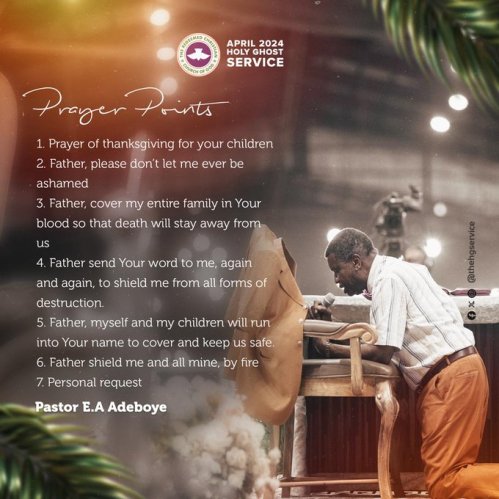
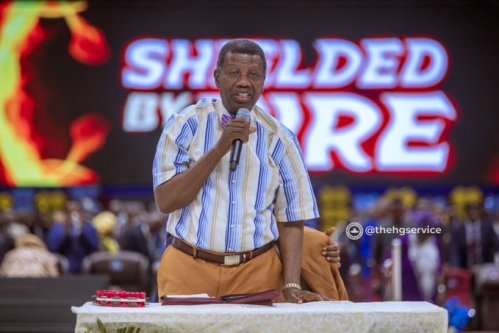














 Prayer Point